
Tina Priest: Military Spouse to Real Estate Agent Star
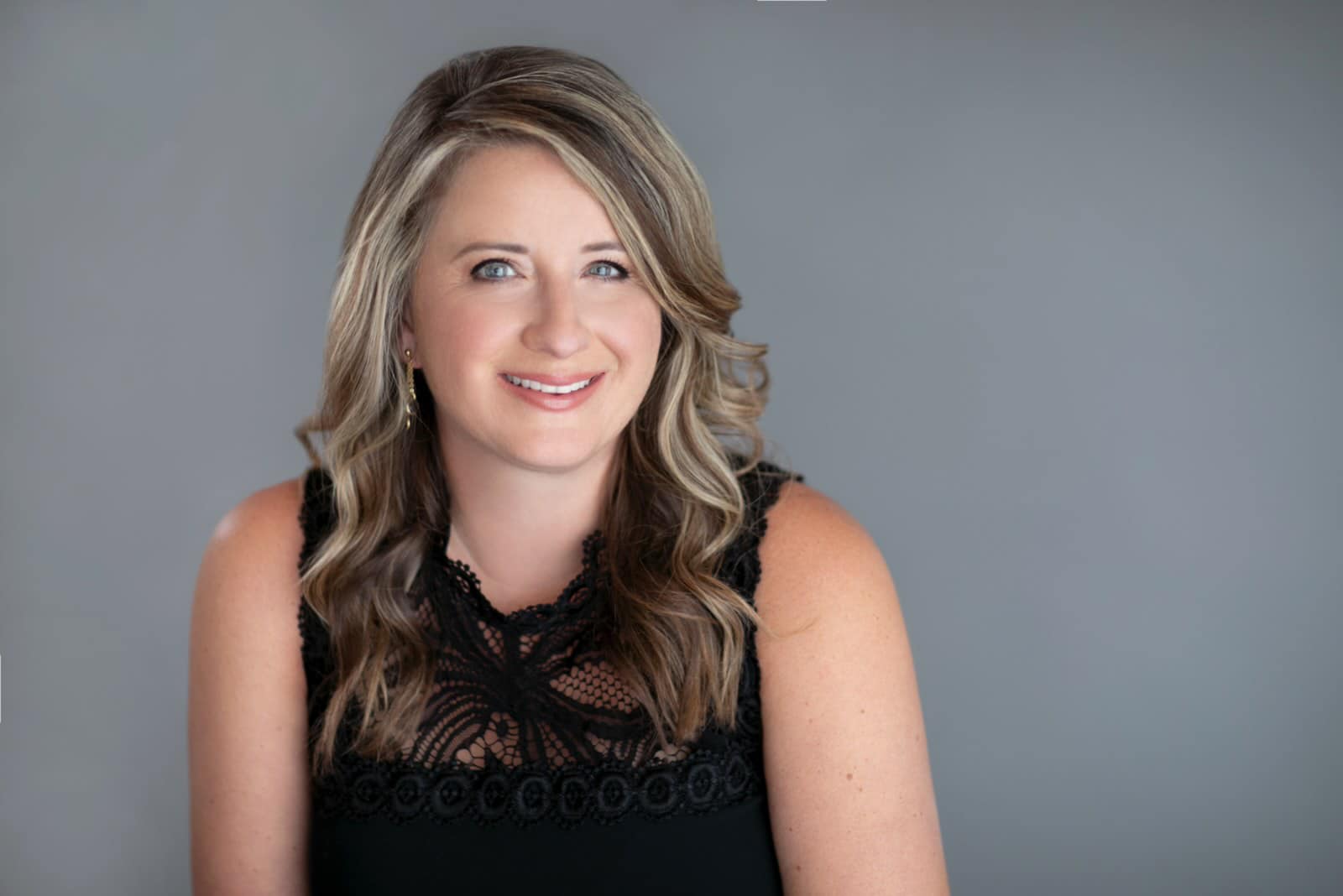
In Episode 310 of the Real Estate Excellence Podcast, Tracy Hayes sits down with Tina Priest for a powerful conversation about leadership, professionalism, and serving military families across Northeast Florida.
As the spouse of a U.S. Navy veteran who served 21 years, Tina brings firsthand understanding of PCS moves, deployments, tight timelines, and the emotional realities military families face during relocation. That lived experience shapes how she approaches real estate in Jacksonville, Ponte Vedra, Nocatee, St. Johns County, and surrounding communities.
Tina shares why real estate should never feel transactional, emphasizing the importance of authenticity and relationship-building.
“I think they need to see a personal side of you and that they’re not a transaction.”
Throughout the episode, she discusses how staying calm during heated negotiations, taking a moment before responding to bad news, and communicating with intention can protect both clients and contracts.
She also explains how serving military buyers relocating to NAS Jacksonville and Mayport isn’t just part of her business — it’s personal. From Zoom consultations with buyers stationed overseas to guiding VA loan transactions locally, Tina approaches each client with clarity, discipline, and heart.
“For me it’s just kind of the next person up… I try not to get too focused on the big numbers.”
This episode is a strong reminder that professionalism under pressure, consistent communication, and genuine care are what separate good agents from great ones.
Whether you’re relocating to Northeast Florida, serving military families, or looking to elevate your own real estate business, this conversation delivers practical insight and real-world perspective.
Listen now at www.tracyhayespodcast.com/310
and subscribe for more conversations highlighting excellence across Jacksonville and Northeast Florida real estate.

 Apple Podcasts
 Spotify
 Overcast
 Castro
 PocketCasts
 RSS Feed
 If you had to lose the paperwork and keep only one habit to grow your business this year would it be answering the phone or following up?
In this episode of the Real Estate Excellence Podcast, Tracy Hayes sits down with Tina Priest. Tina shares how her service first mindset shaped her path into real estate through military life social work and operational leadership. She explains why Hover Girl Properties focuses on boundaries transparency and real relationships so clients feel seen not processed, especially when timelines are tight and emotions are high.
You will hear practical habits that helped Tina exceed her goal in 2025 including answering unknown calls working weekends when it matters and using Zoom consults to build trust fast with out of town buyers. She also breaks down why follow up creates raving fans, why a transaction coordinator protects your energy, and why the job often continues after closing for military clients who have not even arrived yet.
Subscribe to the Real Estate Excellence Podcast and share this episode with one agent who needs a simple playbook for relationships follow up and serving military clients well!
Highlights
00:00 - 04:03 Big goals without losing the relationship
- • 2025 results and 2026 pressure
- • Next person up mindset
- • Quality over quantity
- • Boundaries and team support
- • Staying present with each client
04:03 - 09:50 From service work to real estate calling
- • Why operations management mattered
- • Case work lessons and emotional weight
- • Military life and moving often
- • First connection to Hover Girls
- • Choosing the right season to start
09:50 - 23:58 Property management training ground
- • What property management taught fast
- • Setting expectations with owners and tenants
- • Vendor relationships and real costs
- • Culture of care and fixing mistakes
- • Getting licensed and launching with support
23:58 - 35:13 Trust building on Zoom and in person
- • Ride along learning with Joy and Laura
- • Staying organized through the process
- • Zoom consults as relationship accelerators
- • Military clients and straight talk communication
- • Listening for details that drive loyalty
35:13 - 01:00:02 Habits that keep the pipeline moving
- • Put the sign out and answer the phone
- • Show up weekends when needed
- • Follow up systems and simple touches
- • Serving military clients with extra care
- • Video walkthrough tips and VA realities
01:00:02 - 01:20:00 Stories, curveballs, and wow moments
- • Creepy showing and keeping a straight face
- • When there is no training and you pivot
- • HOA chaos and closing anyway
- • Doing the unglamorous work to wow clients
- • Negotiation mindset and closing thoughts
Quotes:
“People dont care how much you know until they know how much you care.“ – Tina Priest
“I try not to get too focused on like the big numbers but just the person thats coming next.” – Tina Priest
“I think its being transparent out of the gate.” – Tina Priest
“Were not done yet.” – Tina Priest
To contact Tina Priest, learn more about her business, and make her a part of your network, make sure to follow her Website, Instagram, Facebook, and LinkedIn.
Connect with Tina Priest!
Website: https://hovergirlproperties.com/
Instagram: https://www.instagram.com/hovergirltina/
Facebook: https://www.facebook.com/TinaPriest01/
LinkedIn: https://www.linkedin.com/in/tina-priest-55430b44/
Connect with me!
Website:
Website:
SUBSCRIBE & LEAVE A 5-STAR REVIEW as we discuss real estate excellence with the best of the best.
#RealEstateExcellence #RealEstate #RealEstateAgent #MilitaryMoves #MilitaryRelocation #NavyLife #JacksonvilleRealEstate #Mayport #VAHomeLoan #PropertyManagement #ClientExperience #CustomerCare #RelationshipMarketing #FollowUp #RavingFans #TransactionCoordinator #ZoomConsultation #NewConstruction #HomeBuying #HomeSelling #RealEstateExcellence
Are you ready to take your real estate game to the next level? Look no further than Real Estate Excellence - the ultimate podcast for real estate professionals. From top agents and loan officers, to expert home inspectors and more, we bring you the best of the best in the industry. Tune in and gain valuable insights, tips, and tricks from industry leaders as they share their own trials and triumphs. Whether you're a seasoned pro or just starting out, a homebuyer or seller, or simply interested in the real estate industry, Real Estate Excellence has something for you. Join us and discover how to become a true expert in the field.
The content in these videos and posts are for informational and educational purposes only. The information contained in the posted content represents the views and opinions of the original creators and does not necessarily represent the views or opinions of Townebank Mortgage NMLS: #512138.
REE #310 Full Audio
[00:00:00] Tina Priest: I think they need to see a personal side of you and that they're not a transaction. That is what I think keeps Hover Girl’s not— and a lot of customers are, a lot of brokerages don't do this— but I think it can be really easy to become transactional and just look at everything as a transaction. And I think you lose sight of a lot when you start doing that. At least for me, I have to try to remember, these are people, this home is important to them. Hey, welcome back to the Real Estate Excellence [00:01:00] Podcast. Today's guest brings leadership, service, and real-world experience that make for a powerful conversation. She grew up in North Georgia, earned an undergraduate degree from Kennesaw State University, and completed a Master's of Science in Operations Management, which will be interesting to talk about, from the University of Arkansas.
[00:01:18] Tracy Hayes: Her career spans multiple industries with a deep experience in crisis management. Well, that relates to real estate, nonprofit organizations, government procurement, and high-level operational leadership. She's a spouse of a US Navy veteran, where she served alongside him as his 21 career for the last 17 years and remains deeply involved in the military community. She understands the realities of military families face and brings perspective, resilience, and clarity to everything she does. Let's welcome Tina Priest to the show.
[00:01:46] Tina Priest: Hi there.
[00:01:47] Tracy Hayes: Hey, welcome. You popped on my radar. You had a, a decent year in 2025.
[00:01:53] Tina Priest: Yes. Very grateful for that.
[00:01:54] Tracy Hayes: Yeah. Curious—you finish this, you know, you've been active for a couple years. [00:02:00] You have a decent year. What kind of pressure are you feeling here now? We’re at the beginning of February. We're still at the beginning of 26 to kind of do one more, right? I mean, what—what's your goal for this year?
[00:02:11] Tina Priest: Yeah. I would love to, you know, meet the goal I met last year. Last year I set a goal for 18 houses and sold 24. So obviously exceeded that.
[00:02:19] Tracy Hayes: Mm-hmm.
[00:02:19] Tina Priest: Uh, you know, for me it's just kind of the next person up. So I try not to get too focused on, like, the big numbers— but just the person that's coming next behind that one. Uh, it's important to me. Relationships are very important to me. Mm-hmm. And I think that, um, you know, you can get caught up in quantity and then it takes away the quality. So I try to just, you know, the next person that's put in front of me— take care of them.
[00:02:41] Tracy Hayes: That is a, a fine line. And I know you, you're, you're working with a couple of great ladies there— well, several people over at Hover Girl. And that's one of the challenges that we talk about a lot on the show is, you know, yeah, keeping the pace, but keeping the relationship. But all of a sudden that relationship building starts to snowball on [00:03:00] you. And, you know, how do you keep the snowball not growing down the hill too fast so you can still keep and maintain the relationship— what I say, the quality of the relationship— to where you want to be?
[00:03:12] Tina Priest: Yeah. I think it comes with knowing my boundaries and knowing what I'm good and not good at. And sometimes it's—it's okay to say no to something, or, you know, if it's not gonna be a good fit. We have a full team of agents that are great. So, you know, if I'm not gonna be able to have, you know— if people are on timelines too. If a customer comes to me and says, “I really need to find a house this weekend,” and I'm already going out of town— if I can shift my schedule, I'd love to, but sometimes you just can't do that. That's not feasible. So I think it's being transparent out of the gate.
[00:03:40] Tracy Hayes: Mm-hmm.
[00:03:41] Tina Priest: And saying, “Hey, I'm, I'm not, you know, may not be able to show you homes this weekend, but we have a team of agents that can,” and Laura and Joy are amazing and always try to step in and help where they can. I think we have a really good team mentality at Hover Girl properties and so we try to help each other out where we can.
[00:03:56] Tracy Hayes: Yeah.
[00:03:56] Tina Priest: Which helps. That helps with that snowball effect. But I [00:04:00] think it's being really honest with yourself on what you can and can't do.
[00:04:03] Tracy Hayes: All right. Let's step back in time just a little bit. 'Cause you've done some other things in your life.
[00:04:08] Tina Priest: I have.
[00:04:09] Tracy Hayes: So on how we have come to real estate and ultimately to bring it all together— what is your experiences before and how it's helped you in real estate? Ultimately, we want to— that's where I want to get you to. Yeah. But tell us a little bit about, you know— obviously you've got a master's degree in operational management. What were you thinking? What was your career vision at that time of what you wanted to do?
[00:04:30] Tina Priest: Okay, so yeah, my husband, obviously, as you've mentioned, was Navy, and we moved around a lot. So I originally got my undergrad in human services, with a social— really a social work track— with the thought of, you know, just wanting to give back and help others, and be in that mindset. 'Cause I know the military life can be really hard. And so I was very lucky when my husband was stationed at Naval Postgraduate School in Monterey, California, to get a job at Fleet and Family Services and loved that job. I was able to give [00:05:00] back, but I was also their budget analyst. So I did a lot of stuff with money, and I found that I love being able to give back, but it can really wear on you— like case work. My first job out of college was I was a case manager and that was very rewarding, but also very draining. So—
[00:05:16] Tracy Hayes: Give us an example of a case. 'Cause I, I mean, I can only imagine, but, you know, you're working with, I would imagine, enlisted personnel in most cases—or tell us a little— what would that, what— yeah, so what would, like, a, a case like that, maybe a little bit about what a, you know, a case that really, you know, said, you know, took a lot outta you.
[00:05:35] Tina Priest: So, I was a case manager actually locally here in Jacksonville for a local organization for children.
[00:05:41] Tracy Hayes: Yeah.
[00:05:42] Tina Priest: So I had a caseload of, I think, about 20 children. One of them happened to be military. Uh, it actually ended up being one of my feel-good stories because we were able to get them reconnected with a family member and not have them come into the state system, which can be very daunting for children. Mm. But yeah, it's— it was one of those that really reminded me [00:06:00] of the need and then the lack of— I mean, case managers are probably the most thankless… it’s the thankless job. And it's a very wearing job, so it has a lot of turnover really fast. So—
[00:06:11] Tracy Hayes: Yeah. I mean, it— I could never. It's like seeing blood in the, you know, not— uh, yeah, I, I can't just, like, visualize being in the hospital and seeing some situations come in, let alone being a, you know, working in the social work area, dealing with some of these hardships are just tearing at your heart.
[00:06:29] Tina Priest: It does. It's a very— you're not just dealing— real estate, it's people are buying home, it's very personal. But when you're dealing with a child that's— I mean, you're talking about the trajectory of someone's life.
[00:06:39] Tracy Hayes: Yeah.
[00:06:39] Tina Priest: And so I think it's a very— there's a lot more weight that comes along with that. Not that there's not a lot of weight that comes along with helping someone buy a home, but a child's life is very— it's a very important— you're making decisions on behalf of that child, but yeah. It can change the trajectory of their life.
[00:06:54] Tracy Hayes: For sure. One hundred, one hundred percent. And I'd like to say, you know, our— the Lord made our children very [00:07:00] resilient to certain extents, but there are breaking points.
[00:07:04] Tina Priest: For sure.
[00:07:04] Tracy Hayes: Yeah. Yeah, a hundred percent.
[00:07:14] Tina Priest: So, funny enough, I probably would've never thought about real estate until Hover Girl property. So my husband and I were being— we found out we were being moved to Monterey, California, and we wanted to keep our home. And so that's kind of where Hover Girls came into Monterey.
[00:07:30] Tracy Hayes: Keep your girl home here in Jacksonville.
[00:07:31] Tina Priest: We did. Mm-hmm. Yes. And this was 2000— oh goodness— 2010. I just had my son, and so Joy came over to the house, we met, and she became a real quick friend, and then Laura—
[00:07:42] Tracy Hayes: Mm-hmm.
[00:07:43] Tina Priest: As well. But so they managed our property, we kinda got to know them. I loved the concept of their company. So when my husband came back to Jacksonville to start his department head rides, we— they initially offered me a job as a real estate agent. And my husband department head rides are pretty strenuous. My husband was getting ready to be deployed for quite a bit of time. And so we had a five-year-old and a ten-year-old at the time. And so it just did not fit really. It was not gonna fit the demands that—
[00:08:13] Tracy Hayes: I—
[00:08:13] Tina Priest: I think it came along with. So, fast forward a few years— my husband's finishing his department head ride and they had a job as a service manager for Hover Properties, 'cause we have a property management side as well.
[00:08:24] Tracy Hayes: Right.
[00:08:25] Tina Priest: And that did fit. So I came on board and then as kind of time progressed, I took on a different role. I really kind of felt like I needed to get my license. My daughter went off to college. I needed something to kinda keep me busy. That was rough on a mama's heart. And so I decided— and we have a lot of people we know, so my husband was active Navy, very, very entrenched in the military community. It becomes very small real fast. And so we were getting calls to, you know, “Can you help me buy a house? Can you help me find a rental?” And so I wasn't able to help 'cause I didn't have my license. So I found that I was, you know, [00:09:00] passing off to Joy and Laura and other people on the team that were great. But I thought, what an honor it would be to be able to be helpful to them myself. And so that's kind of what spurred that on— just getting my own, you know, getting my license.
[00:09:11] Tracy Hayes: Right. I'm gonna just— just pull that mic just about two or three inches closer to your— yeah, just pull— yeah, just pull it. The arm moves. There you go.
[00:09:20] Tina Priest: Okay. Good. Like that. Is that better?
[00:09:21] Tracy Hayes: Better. Yeah. Better. Okay. Yeah. Good. You've had this background, you have this education, you're now— you know, Hover Girls is coming up on 20 years. So Laura— Laura and Joy have been putting that together. You know, I'm sure as any small, uh, boutique brokerage that they are, they've gone through their grow— they’ve probably, in their property management, they've done things probably they could look back and say, “I wish we didn't do that,” or, “We should have gone this route.” But they've evolved as any business does.
[00:09:50] Tina Priest: Absolutely.
[00:09:50] Tracy Hayes: How can we— and obviously with technology and so forth— and if I recall, they have a pretty big portfolio of, you know, rental properties in their property management, [00:10:00] because there are a lot like yourself who bought a home with them or met 'em through the military connection, the Navy connection, and then, you know, left them to take care of their property. In, in this case— this case you came back. But coming in, what are some of the things that you started to learn about real estate at that— in that position that you didn't know before?
[00:10:22] Tina Priest: As an agent?
[00:10:23] Tracy Hayes: No— as, as property— this couple years working in their customer service, property management area, you obviously start to learn about real estate, right? What are some of the things that you're like, “Ah, wow, I didn't know that.”
[00:10:34] Tina Priest: You know, I don't think I realized the taxing— that it's very intricate. Not one home is the same, not one customer is the same. And so, you know, you really have to learn crisis management real fast and how to deal with, you know, talking to different people, talking through things. Every customer has different expectations. I think Hover Girl says— we learn how to set good expectations out of the gate with owners and tenants. We try really hard—
[00:11:00] Tracy Hayes: Yeah.
[00:11:01] Tina Priest: —to do that and to really, you know, do it with integrity. I don't think I realized how hard— you know, they managed my property and they did such a good job, I didn't really— I don't think I realized how stressful it can be at times. 'Cause you're kind of buffering—
[00:11:13] Tracy Hayes: Yeah.
[00:11:14] Tina Priest: —things that the owners don't know, you know, they don't have a clue about. So— and they're not supposed to, 'cause they're paying you a property management fee to take care of these situations. So I think that, you know, the vendors and making sure you have good vendors— that can be hard, you know, and making sure you have good relationships with them. Having a clear understanding of what things cost— you know, inflation's made things— right? Right. You know, rise. And then learning how to kind of adjust and pivot, which I think Joy and Laura have done a great job of. Mm-hmm. You know, being their service manager and then I was their director of customer care for a while. I had some suggestions on, you know, programs we could get. They've always been good at adapting and trying to, you know, be innovative and make sure we're taking the next steps, so that we're ready for the next— the changes that are coming our way.
[00:11:59] Tracy Hayes: [00:12:00] What do you think— and I'm gonna use the term culture, but I don't know if it's the right one— when comparing to other property management companies in town. 'Cause I don't think, you know, they're not out there— you know, property management company's not out there like a restaurant. Right, right. “Hey, I go to this restaurant, I can go to that restaurant.” I can tell you, yeah, I like that one, but I didn't like that one. It's not as easy to do that. Right, right. What are some of the things you feel that Joy and Laura have put together and you've implemented, working for them— maybe even suggested— that you feel really keeps Hover Girl property management side as one of the top property managers in Jacksonville?
[00:12:39] Tina Priest: Well, I think it is a cultural thing. I think that they have an expectation of every agent that we— you know, people don't care how much you know until they know how much you care. And so you're not gonna build relationships with every customer. But we are— we get a lot of referrals from, you know, especially military. Mm-hmm. You know, sitting over at a base saying, “Hey, you need a property management? Call this property management company, call this person. They'll be great.” I mean, we were the ones referring Hover Girl properties. We were in Monterey. They— I think, you know, you don't wanna refer someone that's not gonna do a good job. And so I think Hover Girls has done a really good job of standing behind what they say they'll do. I mean, no company's perfect, but when, you know, when they do make a mistake or something's not right, we jump on the phone with a customer. I've never seen her— like Joy and Laura— back down from that and say, “We'll make this right.” So I think there's a lot of value in that because you're not gonna get it right all the time. But to be consistently good and consistent in what you say and do what you say is very important.
[00:13:38] Tracy Hayes: I think this is a great case study, you know, for the agents who are listening right now. You are, you know, building relationships. The word brand is often— and I think anyone will tell you now— it really isn't, you know, whether you work for a big box brokerage or a boutique, ultimately you are the brand. [00:14:00] The clients aren't looking at you as a real estate agent going, “Oh, who do you work for? Okay, I'll talk to you.” There might be some out there, but it's a very small percentage. The old school might look at that and go, “Oh, you work for Century 21. I remember the gold jackets. You sold me.” You know, that— that's very slim—
[00:14:20] Tina Priest: Right.
[00:14:20] Tracy Hayes: Type of it— it's your brand. But the pressure of working in such a tight-knit community as the military— and specifically the Navy here in Jacksonville— that the Hover Girls really has a corner on… I know Joy, Laura do a lot of things down at the base and all these types of things, but obviously if you— you screw something up, it could spread just as fast as well— faster than actually the great stuff that you're doing.
[00:14:50] Tina Priest: Right.
[00:14:50] Tracy Hayes: You know, type of thing. What are some of the things that you guys talk about? And I think the listeners— you guys need to listen to this from the standpoint of putting [00:15:00] that little bit of stress on yourself to make sure you're delivering each and every time. 'Cause you don't know who's watching, and obviously you will screw up, and how you handle— recover from the screw up— is hugely—
[00:15:13] Tina Priest: Oh, a hundred percent. You know, I think Joy and Laura do stress— Glen, as well as our bro— is our broker— stress, “Don't sit— you're not on an island alone.” So if something doesn't feel right, it's getting escalated, somebody's upset, or if you don't have the answer, please don't just make an assumption, and please talk to somebody. So they make themselves readily available to talk things out, talk through things. The good thing about— especially we don't just deal with military, but we have a lot of military we deal with. Mm-hmm. And, you know, my husband is retired and has high expectations. Most of them do because that's what has been demanded of them in the military. But they also have this expectation that we're gonna take care of them. And we do— we want to. As you said, we give back to the community a lot. We were just down at the base. Mm-hmm. We did— we [00:16:00] sponsored the Super Bowl party, as you are very well aware. Budgets are very low with the military right now, so fun things have been kind of cut out. So where we can help, we want to help. But yes, as far as, you know, the stress— I don't feel it as much because I do feel this, like, layer of support. Mm-hmm. Joy and Laura are always on top of things. If something new comes out— a new policy— or if we have a situation that's not great, we try to talk that through with all the agents so that we kind of learn from it. 'Cause I think, you know, you can take away something from everything and turn things for good. I haven't seen a situation personally for myself where we haven't been able to kind of get to the other side and figure it out. Sometimes, you know, has been maybe I'm not the right fit— another agent is. We have a lot of personalities on our team. They're all great. So sometimes, you know, if I'm not the fit, just knowing that and being willing to say, “Hey, you know… maybe another agent might be better.”
[00:16:54] Tracy Hayes: Well, what I'm reading from you, or hearing from you is— well, Joy and Laura, [00:17:00] they've been working this for 20 years.
[00:17:01] Tina Priest: Yeah.
[00:17:02] Tracy Hayes: They know. Just telling someone “no” is not the first answer. Right. You, you ha— like you said, finding— working through to the other side. I think you used the phrase— you used working through the other side to find a solution. Now, maybe that solution is, “No, you're wrong. You broke that. You need to pay for it. We're not eating that one.” And the person who did it— it comes to conclusion that yeah, it was their fault. They were just gonna kind of get you to pay for it instead of them, type of thing. Right. But assuming a rental property might have damaged something is what I'm thinking of. But they understand that. And I imagine they— what you're telling me is that working together, having your back to make sure that a proper solution of, you know, both parties involved in this conflict that might be having, whether it's a rental unit or a negotiation— whatever it is— I mean, that's why we have jobs is 'cause of problems. We solve problems.
[00:18:00] Tracy Hayes: Sure. And finding and having management— or in this case, ownership— the brokers behind you, and realizing their reputation is out there. And you really have caught a corner, and it's very important that you do take the extra time and have the patience or whatever to resolve, so that both parties— they may not get what they want, but at least they come to an agreement that's a— the win-win for everybody.
[00:18:22] Tina Priest: Oh, absolutely. I do think we are— we live in a society that everything's texting—
[00:18:26] Tracy Hayes: Mm-hmm.
[00:18:27] Tina Priest: —or email. And sometimes one thing Joy and Laura stress is sometimes you just have to pick up the phone.
[00:18:31] Tracy Hayes: Yeah.
[00:18:32] Tina Priest: Or sometimes you need to get on a Zoom. Sometimes the owner— there can be a lot of value. It's not a shameful thing, but there can be a lot of value in saying, “Hey, Joy, Laura, can one of y'all jump on a Zoom call with me? With a customer or with the owner?” I think just having your face and knowing an owner wants to step in and be, you know— and they do a great job of that— and it… you will be surprised at how quickly it diffuses maybe a situation. 'Cause I think text and emails can be misconstrued—
[00:18:57] Tracy Hayes: A hundred percent. Yeah.
[00:18:57] Tina Priest: —with tone.
[00:18:58] Tracy Hayes: Yeah. Or [00:19:00] clearly hearing someone's— I'm gonna use the word— context of what they're trying to say.
[00:19:04] Tina Priest: Right.
[00:19:04] Tracy Hayes: Yeah. Some people are better at texting than others. And, and then there's emotions involved. That's one thing I love about ChatGBT— you, you don't have to write a nasty email anymore. You can write it, copy it, put it in ChatGBT, say, “Change the tone. This is the goal of my email,” and it'll make you sound really great. You're absolutely— you know, it does, uh, take about— I have stories about that, but anyway. Alright, so you're working your customer— so you're in their property management side.
[00:19:39] Tracy Hayes: And now, you know, for the audience to know— reason Tina caught my eye is obviously she's made the Real Producers, which is the top 500 agents in production in, in ’25 here in Greater Northeast Florida, which literally in 24 sales, right? You— when you really look at when 70% of the agents are— haven't— didn’t do a deal last year, according to stats— you are actually in single-digit percentages, and yeah, obviously the [00:20:00] consumer doesn't know the difference, right? But you're right there, and you've only been doing real estate now for a few years, and you're right there in the middle of the pack. You're in the top 5% really nationally, probably when you look at the numbers. It's, uh— I don't think people realize that only such a small percentage of agents actually make the money— make a living in real estate.
[00:20:19] Tracy Hayes: So you're doing that. What you, you mentioned earlier— I don't know if it was pre-show or at the beginning— that you thought about getting your license. What triggers you to say, “Alright, I need to go get my license,” and then making that jump to being an agent?
[00:20:33] Tina Priest: So a couple of things. I had a— my husband was, “Why don't you get your license? You should get your license.” He's my biggest cheerleader. And he said, “I think you'd be so good at it.” And I had Joy Dole saying, “Why don't you get your license? You'd be so good at it. You're giving us this, these customers, and they could be yours, and you would take such— you could care of them.” And so, like I said, my daughter had just left for college. I knew I needed to do something to kinda distract myself a little bit, right? In a better way than to go ahead and get my license. I didn't know how well I would [00:21:00] do. I didn't know if I would be successful, but I just knew that I felt God pushing me to do that. And then I had some really good— I had a husband and a good friend pushing me to do that as well. Mm-hmm. So I did. And then my second customer was actually a military spouse friend from Monterey, you know, was a— kind of surprised that I thought, “Who's gonna wanna use somebody who has zero experience?”
But you have to start somewhere. And what I will say is, new agents are really hungry to do a good job. And I think you don't ever wanna lose that though, right? Mm-hmm. So I think that you say pressure, you know, what did I come in with this year? It would probably be the mentality of don't lose that spark of what made you get excited to start doing real estate and don't— like, don't get— always stay humble. Stay humble in the field and understand that, you know, it's just a blessing to each customer that wants to put their faith in you and trust in you to put that step to help them buy a home. It's a huge deal to buy or sell a home, right? It's very emotional. Has a lot of emotional ties to it for a lot of people.
[00:21:58] Tracy Hayes: So how do you kick [00:22:00] off your— you're like, “Okay, I'm gonna be an agent. Joy, I'm gonna go get my license.” What are some of the things that they worked with you on, that you worked with on? Is obviously you're— the sphere that you have— you probably have people here locally, but some of 'em, you know, that you've met over the years moving around with the military, right? All over the place. How do you— what— how do you get kicked off? Are you reaching out? How do you reach out? What do you do?
[00:22:27] Tina Priest: Yeah, so Joy did a great job of kind of bringing me along on things, kind of showing me— Laura too. I went— I kind of did a ride-along, so to speak, mm-hmm, with, uh, Laura and Joy. Laura is very organized on the computer side of things. So we had a lot of meetings and she set up my computer. She's very— Laura is like, “I wanna be Laura when I grow up,” in the sense of your organizational skills. She's amazing. And she can do any kind of spreadsheet, anything to keep you organized. And in this field you have to stay organized or you'll— you'll— yeah.
[00:22:53] Tracy Hayes: When you start doing multiple transactions and trying to track, or what did I say to that customer? What are— where are they at in the [00:23:00] process? Oh yeah. It can get crazy. Yeah.
[00:23:02] Tina Priest: So— and they're just— they both have such good qualities that I got to kind of come alongside and learn from. But yeah, I mean, it was very— it felt very organic for me though, because I've naturally built these relationships. So I think when it came time I just tried to put myself out there, which I'm not great at doing. So I had to kind of be more present on social media, let people know, “Hey, I am— I have my license and I'd be happy to help you.” So that I had to get a little bit better at. Real Producers did a great job of— about nine months in— they let me be— I was a rising star. Mm-hmm. And that helped me tell my story, which really was beneficial and helpful to be able to kind of give my why of why I wanted to do real estate.
[00:23:39] Tracy Hayes: Right. More for you or more for the audience?
[00:23:43] Tina Priest: For the audience. Yeah— for the audience. I mean, I know my story, you know, but right— it's, it's good for others to kind of hear it as well.
[00:23:51] Tracy Hayes: Uh, so— alright. There's only one person that's allowed to get in there and that's my wife. Hold on a second. Lemme just— yeah—
[00:23:58] Tina Priest: Oh—
[00:23:58] Tracy Hayes: Yeah. When you [00:24:00] put on the do not disturb— oh yeah. There's only one. Only has one— one. No, she's, she's fully understand that she's probably asking a question that she'll text me if there's something important. Alright. So you're doing some ride-alongs. I imagine you're going to some buyer consultations, some seller consultations. 'Cause I mean, you guys are probably doing a handful or a good percentage over Zoom because a lot of your people moving in, you know, especially if you— you, you are working that military clientele. Or really actually in Northeast Florida, I think a good percentage of our people are moving from somewhere else.
[00:24:28] Tracy Hayes: So what are some of the things that, you know— because you're— you come in— I think you do— you get your license after the NAR— you're pretty much getting your license during the NAR—
[00:24:42] Tina Priest: Right. Before— so yeah, I kind of learned and then I had to pivot really fast.
[00:24:46] Tracy Hayes: Was Joy and Laura doing a— a buyer consult and obviously they're— I'm sure they're seller— the buyer consultations, in depth like that before— were they doing them religiously? Is that how they trained you [00:25:00] or is that something all of Hover Girls had to adapt to?
[00:25:04] Tina Priest: Well, I mean, yeah, we were doing them before. Yeah. I mean, a lot of times, like you just said, we get on Zooms all the time. I was on one on Sunday morning at nine o'clock. 'Cause, you know, the hubby was— is staged right now— is deployed over in the South Pacific somewhere. And so yeah, I mean we are used to Zoom. Sometimes we get up at five o'clock in the morning to meet someone who's out in Japan and needing to buy, and a lot of times they buy sight unseen. So, yes— I mean, a buyer's consultation's really important to us 'cause it gives us an opportunity to kind of get to know them a little bit and also have a better understanding before we actually get in the car and go look at houses on what they like. It also sets us up for success because if they hate white cabinets or they, you know, there's deal breakers. We aren't gonna waste their time or ours taking them to 10 houses that they hate. So—
[00:25:50] Tracy Hayes: Alright. There's a lot of agents out there that are struggling, as we know. You know, whether they're— how hard they're trying or whatever. You— because of the atmosphere, the Hover Girl— you are working with a lot of military. The Zoom consultation is— you just have to— you just, you just do it, right? That's part of the process. It's part of the clientele that you're doing. I would bet there's people listening to us right now— there's some of 'em that are— no one's introduced them to that or the benefits of it—
[00:26:21] Tina Priest: Right.
[00:26:21] Tracy Hayes: You were naturally just, you know, “This is how we do things,” right? And so you did it. But when those people actually hit the ground here, does it surprise you because they've had a feel— what they— over video with you and now meet you face to face? It's almost like they— you did it right there in this same office that— that instead of the Zoom. Am I?
[00:26:45] Tina Priest: Absolutely.
[00:26:46] Tracy Hayes: Yeah.
[00:26:46] Tina Priest: Yeah. I mean, we have— I had several sales last year. One— he was coming from San Diego— he and his wife. They wanted to build a house— new construction. And they went under con— they went under contract and then they flew in to see it kind of a few months into the process. [00:27:00] But yeah, it was almost like we knew each other. I walked up and they gave me a hug and—
[00:27:04] Tracy Hayes: They, they recognized you. You— they recognized me. You didn't have a— a five-year-old headshot that you didn't look like you.
[00:27:10] Tina Priest: Yeah.
[00:27:10] Tina Priest: I think that's important. You know, Zoom is great. It's one of those things that— I mean, it was around before COVID and, you know, Hover Girls has been doing it a while simply because of the military.
[00:27:20] Tracy Hayes: Mm-hmm.
[00:27:20] Tina Priest: But yeah, I think it's a great thing to be able to get on a call with someone and then see your face. Also see that you're not distracted— you're giving them your undivided attention, you're looking them in the face, you're taking notes. You're not just kind of distracted off in la-la land. And also makes you pay attention 'cause you've got two people or one person looking directly at you.
[00:27:40] Tracy Hayes: Right.
[00:27:41] Tina Priest: And you kind of get a feel for each other. You can laugh, you know. I sometimes Zoom and we have a bar in our house and it's my husband's— he has a bra— I don't know what they call it. I think he used to call it a brag wall or something. It's all his military—
[00:27:52] Tracy Hayes: Right.
[00:27:52] Tina Priest: —stuff. It’s—
[00:27:53] Tracy Hayes: That as a background. Yeah.
[00:27:55] Tina Priest: So sometimes they'll ask, “Is that your sword?” No, not my sword. My— but yeah, I mean, [00:28:00] it's, you know, people— I think they need to see a personal side of you and that they're not a transaction. I— that is what I think keeps Hover Girls not— and a lot of customers are, a lot of brokerages don't do this, but I think it can be really easy to become transactional and just look at everything as a transaction. And I think you lose sight of a lot when you start doing that. At least for me, I have to try to remember, these are people, this home is important to them. You know, there's—
[00:28:25] Tracy Hayes: Well, I, I find it interesting, and I, I don't know where I heard— someone was talking about this particular— I don't know whether it was a reel or something— but anyway, in a corporation, even when they have— they want a meeting, it's not a phone conference call, it's the Microsoft meetings, right? Right. That's what you're— you're using. But what I found is, depending on what company you're at, whether or not they put their camera on or not. Oddly, here at Planet, most people don't put their camera on.
[00:28:56] Tina Priest: Okay.
[00:28:57] Tracy Hayes: The last company I worked for, they're like, “Why don't you have your camera on?” But I do believe, like you said, they're— they're seeing you, they're seeing your facial reactions, your gestures, the things that we do— what's the term? Nonverbal movements— cues— and I think it's big in the relationship building you're— 'cause we are looking at, you know, face to face and you go, “Oh, okay, that's a cool person.” You're not doing it just over the phone or over text where they don't see you. You're actually, you know, conversing, laughing, you know, whatever it is.
[00:29:39] Tracy Hayes: And agents that I think are listening— if you wanna learn, you obviously— talking to anyone at Hover Girl 'cause you guys are doing these Zoom conversations. If you're not having Zoom calls, I would almost try to have as much as possible, especially those clients who are in front of their computer all the time, to say, “Hey, you have a moment. Here's a link. We need to talk,” and actually do it more often. And because we— as every top agent has come on the show— relationships, relationships, relationships. There's no better way to build relationships if you can't [00:30:00] actually physically touch 'em in a coffee shop or something.
[00:30:02] Tina Priest: Right.
[00:30:02] Tracy Hayes: To do the Zoom and actually see each other across would just strengthen that.
[00:30:07] Tina Priest: For sure.
[00:30:07] Tracy Hayes: Yeah.
[00:30:08] Tina Priest: Yeah—
[00:30:08] Tracy Hayes: Yeah.
[00:30:09] Tina Priest: Relationships are important.
[00:30:10] Tracy Hayes: Yeah.
[00:30:10] Tina Priest: And you're not gonna be, you know— I’m a relational person. I'm very outgoing, so I, I think it comes a little natural for me to just sit and have a conversation with someone for 20 minutes about their dog and kids and, you know, be interested in that. I think for some people that might be draining, and that's just— for my husband, that would be incredibly draining.
[00:30:29] Tracy Hayes: Yes.
[00:30:30] Tina Priest: Not a—
[00:30:30] Tracy Hayes: Very— yeah. Men— men that have that—
[00:30:31] Tina Priest: He’s not a super social person. He's like, “Get to the point.” I'm sure he thinks that with me at times. He would never say it, but yeah. So, you know, I take— I like to take the long way around to tell a story sometimes, but— yeah. But I also don't mind someone taking the long way around to tell me a story either.
[00:30:44] Tracy Hayes: Right. What if you— just to— not that you're, uh— husband’s any different than most men. I would say most men— I don't say all men— some men might like to sit there and chat about the dogs or whatever. I have to say, I'm probably more in his line. I wanna get to the, okay— let's, let's get to the point. But you've had, you know, military clients and you've had non-military clients. Have you noticed a difference in their— how you can work with 'em? How can you talk to them? I think most military you could talk to 'em more straight and, “This is how it is,” type of thing. “We need to make a decision. Here's our decisions— boom, boom,” and, and go. Where— not all, but— non-military, you might have to sugarcoat it a little bit.
[00:31:29] Tina Priest: Yeah. No, I do think military— and military has an expectation to get to the point. Mm-hmm. Like, “Don't waste my time.” Not all of them, but you know, they're also on a schedule.
[00:31:36] Tracy Hayes: What's, what's the problem? Let's solve it.
[00:31:37] Tina Priest: Yeah. Yeah. “Tell me what you need from me.” Yeah. You know, and so— and we'll get there fast with— you know, I've— we go to 1122 and we have— I've had some church customers as well, and then— I mean, that have been friends— and then we've had just some organic relationships through other avenues that I've had customers come along. Mm-hmm. Yeah. It tends to be a little more relational. You can have a conversation. It's just kind of— I think learning to [00:32:00] gauge, you know, what their needs are, what their time constraints are. I mean, when you're calling someone who's getting ready to fly with the Navy, they may have 10 minutes, so you need to get to the point really fast.
[00:32:10] Tina Priest: Right— on what's needed from them. And yeah, once they know what's needed and expected, you know, they can appreciate that a lot. So—
[00:32:16] Tracy Hayes: They like the checklist— go, “Hey, I need these three things. Boom.”
[00:32:20] Tina Priest: Yes.
[00:32:20] Tracy Hayes: You don't need to absolutely get in the explanation of, of what's going on, because I— because I— obviously you've, and you said it early when you— I think it was probably one of the first things you said was that every client is different.
[00:32:31] Tina Priest: Yeah.
[00:32:32] Tracy Hayes: Is that something that, you know, getting in the real estate, you just— you kind of set you back a little bit at a— “Hold on, I need to start actually evaluating my people for a few minutes, doing a DISC assessment on 'em or something.” You have— I know some agents do that. They literally will, you know, rate them and try to figure out their psychology. Have you noticed that— is that something that kind of shocked you in getting into the business and dealing with different people?
[00:32:57] Tina Priest: Well, and having done the service side of things, I kind of learned really quickly— not everybody's the same and the expectation is different. But yes, I mean, definitely. I mean, I've tried to take notes on customers— not, you know, not personal-personal things, but, “Hey, they have two children— one's in gymnastics,” you know, so if I do a closing gift, make sure I'm kind of catering to that. I try to listen to— they have a dog.
[00:33:18] Tracy Hayes: Right.
[00:33:19] Tina Priest: It also helps when you're helping them buy a home, you know, what's important to them and what's not important to them. But yeah, I think that it matters. I mean, people— you get to the closing table and they— you brought their favorite bourbon and that— they call that you listened to that.
[00:33:33] Tina Priest: Right. It shows that you are— li— you have good listening skills, one, and two, it's more than just a transaction. You did kind of take the time to get to know who they were a little bit.
[00:33:40] Tracy Hayes: Yeah. That—
[00:33:41] Tina Priest: Like—
[00:33:41] Tracy Hayes: That was actually— I'm trying to remember— there was somewhere I listened to Patrick Bet-David podcast, but he— he picked it up from somewhere else too.
He actually got a— I think it was— might’ve been with Elon Musk or something— somebody he highly respected in the corporate world. And he went and bought a rare [00:34:00] book basically because he had listened and studied this person before going into the interview. Yeah. About these things— that there was— this actually time was spent preparing, you know, getting to have a little bit of knowledge about the person you were gonna sit across. Or it wasn't just, “Hey, can you just be on my podcast so I can get, you know, views?” You actually wanted to have an in-depth conversation so, you know— whatever research. But anyway— getting that unique gift that you listened. Right? It might have been John— John Maxwell may have. I've heard that before. Excellent tip. There— if you're looking to buy a closing gift, try to make it unique to them in some way. There's thousands different things I imagine they’ve— they've said to you over the time.
Alright, lemme get back on track here. Alright. I think most anyone listening is probably going, “Okay, how did she have a great ’25? What are the things— what are the things that you did maybe getting started in ’24 that got you started, got you [00:35:00] off to a good start and having a decent 2025?” And I want to use the word consistency in there. What are you doing consistently? Obviously you think that's actually moving that needle— it's keeping the ball rolling for you.
[00:35:13] Tina Priest: Yeah, so the number one thing that I found— a lot of people that called me would be— because some— I got a couple of off just off my sign, putting a sign in the yard. I think people have forgotten how important it's to just put a sign in the yard, but then answer your phone. So I think a lot of people don't want to answer their phone anymore. So they wanna do everything through tech.
[00:35:32] Tracy Hayes: That's the 70% that didn't do any business probably. Yeah.
[00:35:35] Tina Priest: So— and it's hard. Look, I mean, I'm with you. There's a ton of scam calls that you have to weed through, but for those 10 scam calls you might get that one person who's like, “Wow, you answered the phone.”
[00:35:46] Tracy Hayes: Yeah—
[00:35:47] Tina Priest: I got two sales out of that.
[00:35:49] Tracy Hayes: Totally outta the blue or—
[00:35:50] Tina Priest: Outta the blue. They called.
[00:35:51] Tracy Hayes: Sign somehow got your number from somewhere. You don't know. Okay.
[00:35:54] Tina Priest: Yep. Cool. And so I think, you know, in taking the time to say, “Hey, I can meet you”— now again, you can't always drop [00:36:00] everything you're doing, but if you have the expectation— I think the other thing is, you know, being willing to— an extra step. Like, “Hey, yeah, I can show you houses on the weekend.” I've heard agents say, “I'm not working Saturday and Sunday.” I feel like that's a detriment. Um—
[00:36:13] Tracy Hayes: You're in the real estate business. When do you work?
[00:36:16] Tina Priest: I feel like you work all the time. Yes. Uh, but you know, we just got back from a cruise and I had to have the package, right? 'Cause, you know, you're— you— while Joy and Laura can fill in and they do a beautiful job of that, sometimes you just need to be the touch point for—
[00:36:28] Tracy Hayes: Yes.
[00:36:28] Tina Priest: —the person. I did get a— I plan ahead and got a transaction coordinator. I think that was a huge thing helping me in 2025 stay organized. Of course, I—
[00:36:37] Tracy Hayes: You got that right away. Or maybe—
[00:36:38] Tina Priest: I started that at the beginning of the year.
[00:36:40] Tracy Hayes: Right at the beginning year.
[00:36:41] Tina Priest: Terry— come on with me. She's been amazing. Now she doesn't really have touch points with my customers. I mean, she'll ask for documents and things like that. But as far as the communication piece, I still have that. I feel like I don't wanna lose touch with that. I want them to know I'm still very much engaged.
[00:36:55] Tracy Hayes: Let's touch on the transaction coordinator real quick. Yeah. Because I— this is really important [00:37:00] because there's a lot of agents out there that are procrastinating, pulling their hair out. I mean, you weren't so bi— you weren't at pulling your hair out right away, but you realized the value of having a transaction coordinator. So I want— I want to— yeah. Well, and I— this is a pay-for-play transaction coordinator. It's not someone you hired. Yeah. Which I'm telling you, agent, if you want to know— you want someone that, that can— that's training, that has a team of transaction coordinators that know what they're doing. They're being tutored by someone who is very experienced in the business. Contact me, I'll put you in contact with them. I've had 'em on the show. If you go and research, they're pay-for-play. If you're not doing any deals, you're not paying 'em. Right. You do a deal— they're on it and thing. But where did you notice, you know, that, “Hey, I should get a transaction coordinator,” you know, in the start of the year? What was the value you saw they were gonna bring to you?
[00:37:48] Tina Priest: So I was starting to kind of feel overwhelmed with the paperwork piece of things and just staying on top of all that. And it's very important that you do. Mm-hmm. And so being organized and, you know, just getting little tasks that I felt like were kind of holding me back from taking calls and doing things that might be more— make me productive on that end. And so that is where it kind of came into play, like, “Hey”— and it kind of organically came about. 'Cause I knew this young lady— she's very highly intelligent. Mm-hmm. And was just kind of looking for an opportunity to make a little extra money. And so it looked like a great fit and has been an amazing fit. She's wonderful. It's—
[00:38:22] Tracy Hayes: Worked out.
[00:38:22] Tina Priest: Mm-hmm. She's very— she's a lot— she has a much better eye for detail than I do in certain things with documents and stuff like that. She's techie.
[00:38:31] Tracy Hayes: Explain to the audience a little bit— yeah. Obviously you saw— what do I wanna say— the, um… it wasn't your— you didn't see it as your strength or something you wanted to pour time into, because it's not a money-making activity. In other— some of their things are— they're doing is not actually transacting money, but what it’s doing from you is obviously taking your time and some of your brain power to make sure, you know, these documents are filled out, things are done on time, you're checking up— was the appraisal [00:39:00] done— all this kind of stuff that they do, right? You know, what that did for you mentally and then to physically be able to have that mental and physical freedom to spend more time with your buyers and sellers.
[00:39:13] Tina Priest: Absolutely. So one thing I think as an agent— if we don't self-evaluate and kind of find where are our strengths, where are our weaknesses, and try to, you know, fill in those gaps, we're not gonna be successful in this business. Right. ’Cause— and it's okay to express weakness, right? Not the greatest at the paperwork piece. I needed to learn it. So the first two years it was really important to me to be able to know it because how can I audit it or look at it if I don't know it?
[00:39:37] Tracy Hayes: Right?
[00:39:37] Tina Priest: But it's— yeah— having someone come on board that is good at that and can handle that piece while I can free up that time to talk to a customer, take one more Zoom call, things like that, and really be engaged with that person knowing I have a transaction coordinator that's all over it.
[00:39:53] Tracy Hayes: Well, the— I don't think people are give enough credit to the mental [00:40:00] strain it puts on them, you know? Especially if they're not— like you said you admire Laura for her organizational skills.
[00:40:07] Tina Priest: Absolutely.
[00:40:08] Tracy Hayes: So for her it's natural. Yeah. She's just like into it. Not all of us are that. And we not only have, you know, your organizing real estate transactions— and if you've got multiple ones going on at the same time, you know, keeping track of where everyone's at— but also your personal.
[00:40:24] Tina Priest: Right.
[00:40:25] Tracy Hayes: You know, you're running a household, you're doing this, you got a daughter off of college, you got another younger child. You've got that organization going on at the same time.
[00:40:33] Tina Priest: Right.
[00:40:34] Tracy Hayes: And how you can help— that transaction coordinator could take a, you know, a good part of that weight, of the little things that need to be done. And like I said, I call it pay for play. 'Cause they're only getting paid when you have a transaction. I think it's a no brainer.
[00:40:48] Tina Priest: No, absolutely. I think that if you want to be successful and endure this, you know, and stay— the longevity as a realtor— you definitely want to have a transaction coordinator, mm-hmm, to have that help.
[00:40:59] Tracy Hayes: Okay. [00:41:00] So, we're still on the subject of what made ’25 great for you, and I want to get that across here. So we get a transaction coordinator, right, right, at the beginning of the year. What are some of the things that you were doing in late ’24 as far as, you know, marketing? Are you doing any on social media? What was your game? Because I asked the question as— I think a lot of people will say, you know, what you're doing now here, the, you know, beginning of February, 2026 probably won't bear fruit until May or June. You're always on a 60/90 day lag of, you know, of what you're doing. So what were you— you must have been started doing something in late ’24 that's, you know, obviously started to got— get you off those first few deals of ’25 and so forth. What are some of the things you were doing to stir it up?
[00:41:45] Tina Priest: Well, I think networking. So we— we go— we had gone to NHA, which is National Helicopter Association Fleet Fly— Joy and I went to that last year in October.
[00:41:54] Tracy Hayes: It was right here in Jacksonville.
[00:41:55] Tina Priest: Yeah, it was out of Pensacola.
[00:41:57] Tracy Hayes: Okay.
[00:41:57] Tina Priest: Which is not a close drive, by the way. People make it [00:42:00] easy.
[00:42:00] Tracy Hayes: That panhandle's the drive. It's, yeah.
[00:42:02] Tina Priest: But it was, you know, there were a lot of touch points and you didn't really see the validity of what— or the fruits of that labor until— I mean it was— yeah, it was starting to get calls from some of that.
[00:42:12] Tracy Hayes: Mm-hmm.
[00:42:13] Tina Priest: Just— yeah, people— I think it's just being consistent in taking phone calls and being like, “Hey,” you know— we have a lot of people call that maybe think they wanna rent and then they kind of reverse course, or they rent for a year. I had some, you know, that rented for a year and said, “Hey, we wanna buy.” And then fortunately enough, also the people in the— they were in the home that we were managing, they wanted to sell it. So, you know, you can kind of— it is just keeping track, I think, of your customers and not— and making sure you're having a touch point with 'em. So that's another thing that I think set me up for success was—
[00:42:44] Tracy Hayes: So I think the— would you say the term here is follow-up.
[00:42:47] Tina Priest: Follow-up.
[00:42:47] Tracy Hayes: Yes. Sure. It's all in— all in the follow-up that every person you talk to, you gotta reach back out.
[00:42:53] Tina Priest: Yes.
[00:42:53] Tracy Hayes: You know, don't just feel they met you once, that they're good and they know who you are. They assume— they may forget you or they just might assume you forgot 'em.
[00:42:57] Tina Priest: Right.
[00:42:57] Tracy Hayes: And go on. So— but when you went to the Helicopter Association out in Pensacola, was that a— an event for all sorts of vendors, or what were they— what was the actual reason for the event?
[00:43:14] Tina Priest: So, fly-in is an opportunity for training. A lot of these pilots that are training, you know, from May— they, a lot of them came— come from Mayport. Mm-hmm. And other areas, but they'll fly in the different helicopters and the training— the trainees who are training in flight school there would be— they’ll get an opportunity to see them kind of head-on, like, you know, get on them. It's kind of like a touch-and-see.
[00:43:36] Tracy Hayes: Mm-hmm. And—
[00:43:36] Tina Priest: Talk to pilots who are a little ahead of them and, you know, get a feel for what it's like, what the—
[00:43:42] Tracy Hayes: So you guys were like a sponsor?
[00:43:44] Tina Priest: We were. Okay.
[00:43:44] Tracy Hayes: Mm-hmm.
[00:43:44] Tina Priest: And there were a lot of vendors. So there was a more— there were several real estate agents there. One from San Diego, Virginia. So a lot of the places where people, you know, are coming from are gonna be flying out of and flying, you know, have— be stationed, so to speak. So, there were— yeah.
[00:43:59] Tracy Hayes: I'm gonna— you step back. [00:44:00] Just turn that— turn— actually turn that mic and point it at your— like, I have mine. Yeah. There you go. Good. Just—
[00:44:03] Tina Priest: I want to—
[00:44:04] Tracy Hayes: You started to sink back behind the mic. Okay. I don't want the mic in front of your face. We cut— real— yeah. That's good.
[00:44:09] Tina Priest: Yeah. So it was a great— a lot of vendors, and just kind of walking around and talking to the vendors, letting them know what you do.
[00:44:14] Tracy Hayes: Mm-hmm.
[00:44:14] Tina Priest: You taking their cards a little. 'Cause, you know, this industry, especially with the military, people are moving all over. And so to have someone— you know, we talk to clients all the time. We might be listing their house for sale and they may be buying in San Diego and they don't know even where to start. So if you can give them a little guidance, it's always a big, big deal and a big help. So building those relationships— I think NHA does a great— that was a great event to go to to help build some of those.
[00:44:37] Tracy Hayes: Well, I would imagine over the years, Joy and Laura have built referral partners in those greater areas. For sure. You mentioned two of the biggest naval base between San Diego and Norfolk, you know, right there. And then Jacksonville— I mean, two, three of the largest here in the States to, you know— and they have contacts. So if that person didn't meet the San Diego person— name— you want to encourage 'em, “Hey, call me. I'll set you up with an agent in San [00:45:00] Diego if that's where you're gonna get staged.”
[00:45:01] Tina Priest: Absolutely.
[00:45:01] Tracy Hayes: Right.
[00:45:01] Tina Priest: Yeah. And it's important. The referral partners are important because if you send somebody somewhere and it's a horrible experience, you know, you— you're never gonna send them again. Or they're gonna be like, “Well, why did you do that?” So, you know, again, I think it is consistency. I had a call from a lady up in DC— her brother was moving here. She's an agent outta DC. She wanted to refer her brother to me. She— he— she had heard some good things. So, you know, she's like, “Well, do y'all do a referral?” We absolutely do. And some people I know don't like those, but I— we wouldn't get the business otherwise. Right. That's the way I look at it. So— but it's also keeping in touch. I kept in touch with her. I wanted to make sure that's her brother, that, you know, she knew he was being well taken care of and stayed—
[00:45:43] Tracy Hayes: You— you make a good point in thinking of Katie Spank, who— her business has been around referral business. She has a huge YouTube channel. Okay. She was a realtor in— in the north side of Chicago. Now she's down here living near us, and, uh, she has a YouTube channel that just specializes in sellers and she refers business out there— everything. But one of the things she talks about is making sure you're— you're just not— you know, you might work for a big box brokerage and go, “Oh, I have somebody out in San Diego. Let me just refer so-and-so.” Well, your reputation's on the line. 'Cause if that person you referred is not a— that client next time around, they ain't calling you because you gave 'em a bad referral. Right. You do need to screen— again, your reputation being on the line— you do need to screen who you're referring business to.
[00:46:36] Tina Priest: Right. And listen, you know, we always try to follow up with them. If we've, you know, we may have a referral partner we've done, you know, business with for a while, or they, you know, are retiring and refer somebody else, we may give them a try. But we always try to follow up with our customer and say, “Hey, what was it like today?”
[00:46:50] Tracy Hayes: Because they might not be answering the phone.
[00:46:52] Tina Priest: Right.
[00:46:53] Tracy Hayes: And so you might refer somebody and that person blows 'em off, doesn't follow up with 'em, whatever—
[00:46:58] Tina Priest: You know, so it's important— again, go back to follow up. Mm-hmm. And just say, “Hey, you know, how did it go? Give us some feedback.” And you know— 'cause that— like you said— I mean, they don't— we want them to come back to Hover Girls. We don't want that reputation.
[00:47:10] Tracy Hayes: Right.
[00:47:10] Tina Priest: We're just, you know, blind—
[00:47:12] Tracy Hayes: People giving a mini willy-nilly real estate agent out there. What are some of the things that you like to do that you feel is, you know, this follows to follow up— the touches that you're doing? Are you— you sending a text, you're giving a card, you're calling— do you have a routine that you're going through on a weekly, monthly basis to— as your, your list is building every day?
[00:47:31] Tina Priest: Yeah, absolutely. So I try to, you know, follow up with text, keep an eye— I try to put things on my calendar— birthdays, things like that— keep in touch. Some of them it's easier 'cause they text with me all the time about their families. Mm-hmm. Because you kinda get to know some of them. One of them just had a baby, so I've got, you know, I get baby pictures. So I sent those. That was a super easy one. I sent a meal and a baby gift.
[00:47:51] Tracy Hayes: Right.
[00:47:52] Tina Priest: And so— and they were a Georgia fan, so I got to give them the little Georgia gear. But, you know, it's— I think some of it is like super easy and very [00:48:00] organic. It's the ones that are maybe the single— like single. I had a single officer, you know, that I helped him buy a house and he doesn't want a card. He wants, you know— I mean, I text— he's military. So I texted him when TPC came out through— and just, “Hey, how are things going? Here's a, you know, gift card to Home Depot. I thought you might wanna—” or, you know, eat dinner out— things.
[00:48:21] Tracy Hayes: Mm-hmm.
[00:48:21] Tina Priest: Or, you know, little reminders of things that maybe would appeal to him that are things that are going on in the military. 'Cause most of these young— a lot of them— even my own husband— I'll say, “Hey, did you know this is— they're doing this event?” He's like, “You know more about that than I do,” 'cause I don't follow up on half that stuff. So—
[00:48:36] Tracy Hayes: Right.
[00:48:37] Tina Priest: Yeah. I think just doing little things like that. Keeping up with, “Hey, praying for you while you're deployed,” just so they know like, “Hey, you didn't just forget— you didn't just— it wasn't just a transaction. You didn't just sell me a house and drop off Facebook.” Right.
[00:48:48] Tracy Hayes: Well, I— yeah. I think, you know, you're in the bus— your husband obviously has been deployed for periods of time when there's nothing more, um, that they can get excited about other than, you know, mail call.
[00:49:00] Tracy Hayes: Right, right. I mean, that's— yeah. You know, and it— and you being in there, you might be the only thing they got that day or that week or whatever— who knows their situation. And if you, you know, you do send them something in the mail— which it's very easy to go on Amazon. If you have their address, you can actually put that in and Amazon will get it to 'em wherever they are in the world.
[00:49:21] Tina Priest: Absolutely. It's super easy. That's a fun one to do. You know, I usually— I had a family, they were— her husband was stationed with my husband, so when they got back— came back here to be on a different ship— I helped them buy a house and he just deployed, so, yeah. Mm-hmm. I got his address so we can send—
[00:49:36] Tracy Hayes: A little care package.
[00:49:37] Tina Priest: Yeah. And, you know, obviously checking in on her like, “Hey, if you need anything, let me know.” I mean, organically, I mean that, but also just really, you know, just saying, “Hey, I, I see you and I understand you're going, you know—”
[00:49:49] Tracy Hayes: Speak to, you know— we obviously we have a lot of military in the area. I've had many different agents on— some have gone through Hover Girl at one time or another. You know, their spouse is serving— maybe they served— and so forth. But for that agent who may be out there to understand working with the military and how tight-knit they are— and they are going to refer some— they are going to be— they're on that ship because they're— they are out doing whatever chore they're doing on the ship and they're gonna be talking like, “Yeah, I wanna buy a house when we get back to Jacksonville,” or, you know, “Hey, I need to buy a house because I wanna move my wife down,” you know, there— whatever.
[00:50:30] Tina Priest: Right.
[00:50:30] Tracy Hayes: That kind of talk is going on all the time.
[00:50:33] Tina Priest: Oh, for sure.
[00:50:33] Tracy Hayes: Yeah. And how— when you meet— to be regularly touching them in one way, shape, or form, because they can be such a great referral source because they are— the camaraderie of the, uh, the service members is so tight.
[00:50:48] Tina Priest: It truly is. And so, I mean, when you're moving on, you know, orders, you have very little time sometimes. And so yeah, you are sitting in the wardroom or on the ship or, you know, with your peers and saying, [00:51:00] “Hey, I'm moving here. Does anybody have any recommendations?”
[00:51:02] Tracy Hayes: Right?
[00:51:03] Tina Priest: And so if you— at Hover Girls, we have this thing called Raving Fans. I mean, there's a book about it. I don't know— don't quote me on the book— but basically saying you can be a, you know— there's this middle group where they're like, “Eh, you know, we like Hover Girls— are great.” Or they're like— you can step into that next category that makes your raving fan of that person. And that's the one where they're saying, “Oh, call Tina— Hover Girl Properties.” Right. “Call Joy.”
[00:51:25] Tracy Hayes: Right?
[00:51:26] Tina Priest: And so that is where we aspire to be. But you're not gonna get there by not having touchpoint, by not doing follow-up, and not taking that next— taking just a little more effort.
[00:51:37] Tracy Hayes: Well, I guess my pro tip for those listening is love on especially those active duty service members.
[00:51:43] Tina Priest: Yes.
[00:51:43] Tracy Hayes: Because they are interacting against— you know, you said, you know, they might get orders and they gotta move very quickly. Yeah. The first thing they're going to do is ask the guy next to him, “What do you know about Jacksonville?” or whatever, you know, and that conversation's gonna start and, “Oh, well what do you mean by—” “Oh, I got orders. I'm, I'm going there.” “Oh, well great. I know a real estate agent there.” That’s— you want them to be able to rattle off that. And if you're putting a lot of love into 'em and doing a regular touching, you know, once a month or whatever, you know, the routine is— but putting a little extra love. 'Cause I, I would think that you're probably more likely to get a referral from an active duty service member than just any, you know, Tom and Jane client because they're much tighter knit.
[00:52:28] Tina Priest: For sure. And you know, I think that it's hard for military to— I mean, you're moving so much and the trust can kind of— sometimes that sways a little bit when you're moving to a new area, you don't know anybody. So yeah, you are gonna take the advice of your peer and say, “Okay, if I call them”— the other piece— a lot of agents don't understand the demands that come along with that. So I've closed on homes, I think five this year— five or six homes— where they were still not here yet. So I may get the keys and the commission, [00:53:00] but we're not done yet. So I'm still holding on, checking on their property, you know, stopping by to make sure everything's good, and then meeting them when they do get into town to give them their keys and see their home— see—
[00:53:10] Tracy Hayes: You're sending off the package for them to sign and send back to close. Right. And yeah. Yeah.
[00:53:15] Tina Priest: I've closed on a couple— it's been several months. Yeah. So, you know, you're not done at the closing table, you're still, you know, tracking that. And I think that's an extra step that Hover Girls does well, and we want to do. We don't stop at the closing table. We are willing to take that next step and keep an eye on things. I've met water— I had to meet the water people. St. John's is very funny about the irrigation and water. You have to meet them out there. So I've gotten really good at that with a— with a couple of our buyers, especially with new construction. So, you know, you take— it's super easy. You take your laptop, you meet 'em out there and then, you know— but it's an extra little step that means so much to them, to our service members. But it's also— for me, it's huge.
[00:53:52] Tracy Hayes: Well, um— you gotta think about it this way— y— you— because they're the type of client they are and they're outside the area, [00:54:00] you've gotta do these little things, but if you pour the love into it, they can be— whether they're the next move, they're asking you for a referral— let 'em know, “Hey, I can— you get your orders, I can help you get set up in the next.” You— they can become great allies— a raving fan, as you said, mentioned earlier. If you pour that love into 'em, so that time you're taking to go out there and meet that water guy— understand that you— this is a person that, that's around people all the time and they're, you know— nothing passes the time other than, you know, going and sitting on the tail of the ship and shooting the bull. Right, right. Yeah. They have a lot of time for that.
[00:54:40] Tina Priest: They do. Yeah. And you know it— for us, I think if you've been in the military, been associated with it, it becomes a little easier, right? Because for me, it's my way of serving them and they serve our country, so it's a no brainer for me to go out and meet the water person. It's just an added thing. I love to give back to them because I remember what it was like having a husband gone and, I mean, my son was born four days before my husband came home. So it can be hard. It's a hard life in a lot of ways, and it's a lifestyle that many don't understand. But I think if you're a realtor here in Jacksonville and you want to work with military, you're gonna have to find a way to find some understanding there.
[00:55:14] Tracy Hayes: Right, right. To— give us some tips real quick— several things that— because obviously you're doing a lot of walkthrough videos—
[00:55:22] Tina Priest: Right?
[00:55:22] Tracy Hayes: These— they're not here. Maybe they came here, maybe it's new construction, so you're— you're doing video, but even just showing them a neighborhood that they're only gonna be in town for a short period of time. They're looking online. You're, you know, recommending some areas based on what their wants and needs are and so forth. Now you gotta go out and maybe physically show them. 'Cause not all of our listings have virtual tours and all that stuff. Right. You have to go out there and do a personal— you got your phone in your hand. What are a few things that you feel are important to the agents that are listening when you're doing that walkthrough for that distant client— whether it's military or not— that when [00:56:00] you go and show a house.
[00:56:02] Tina Priest: So one thing that's really important for me is I try to speak to a couple of things. I know where they're gonna be stationed, so I try to— out of the gate, showing the property, say, “Hey, you know, I, I just got here and I kind of map— did a map of how it may take— you know, good traffic, it may take this long, and bad traffic, it may take this long.” Mm-hmm. But here's an estimate of what you might be looking at with your commute. That's important because a lot of times they're depending on you to give them that information.
[00:56:27] Tracy Hayes: Yeah, yeah.
[00:56:28] Tina Priest: If they're using their VA, it's also very important for me to take a look at— does this home look like it could have wood rot? Is it older? What—
[00:56:34] Tracy Hayes: Alright, I'm gonna stop you right there. Okay.
[00:56:36] Tina Priest: Sorry.
[00:56:37] Tracy Hayes: I'm gonna stop you right there because this— every person I've had on— talk about VA and why do some real estate agents like— don't list VA as an option? Why would they do that?
[00:56:49] Tina Priest: Right.
[00:56:49] Tracy Hayes: And two tips since you brought up the subject.
[00:56:53] Tina Priest: Yeah.
[00:56:53] Tracy Hayes: One, everyone's gonna order a home inspection.
[00:56:56] Tina Priest: A hundred percent. So—
[00:56:57] Tracy Hayes: Whether it's a veteran or any other type of [00:57:00] loan, someone's gonna find that water damage or termites— they're gonna find it. If they don't find it, they should fire their inspector.
[00:57:07] Tina Priest: A hundred percent.
[00:57:08] Tracy Hayes: Two, if you're working with a lender that has a VA renovation— so if you do find that, no big deal. We can, you know, flip to a VA renovation loan, you know, do that and get those things prepared because as you would— as you know— being in real estate long enough and there's only one address. They wanna be so close to Mayport or whatever, right? And there aren't a lot of the houses to choose from. That might be the house. So what do we need to do to make that house up to the standards or, or whatever little things that they want.
[00:57:37] Tina Priest: Right.
[00:57:37] Tracy Hayes: You know— VA renovation loan. So, yeah. Don't fear the—
[00:57:41] Tina Priest: Oh, and—
[00:57:42] Tracy Hayes: Not all— deter— a public service announcement.
[00:57:43] Tina Priest: Yeah. You know, I had a buyer a couple years ago. She wanted— they wanted an older home in Avondale. I mean, it was very important to them.
[00:57:51] Tracy Hayes: Yeah.
[00:57:51] Tina Priest: There was the charm. She wanted to use her VA. We got it figured out. You know, it can be done. I think you have to have realistic conversations like, “Hey, this— there may be a few extra [00:58:00] steps we have to take, but we'll get there.”
[00:58:01] Tracy Hayes: Yeah.
[00:58:01] Tina Priest: And it will be worth it. So, yeah. I definitely— but yeah, when you're doing a video tour, you wanna try to be as honest about the house. You wanna tell them— I like to tell them, “I love this flooring.” You know, the flooring's great. You're not— it's not really your opinion, it's just like, “This is”—
[00:58:15] Tracy Hayes: The flooring. Mm-hmm. It looks like it's in good shape, but it—
[00:58:16] Tina Priest: Looks like it's in good shape. The roof is new.
[00:58:18] Tracy Hayes: Do you like to do some preliminary— is there some questions that maybe you want to ask them when you are doing the video? You can highlight maybe some of their concerns. Draw it out of them. Yeah. What they're actually want to see when you walk through.
[00:58:31] Tina Priest: Yeah. So some of 'em, you know, if they say, “I really want white cabinets,” I know I can go back to that. There are some people who just are very set on certain things they want. Right. So I'll point out, “Hey, this has these beautiful white cabinets you've been looking for.” You know, “This has a gourmet kitchen— you were wanting the gourmet kitchen.” You know, or “This is a fenced backyard— looks like the fence is in great shape.” Things like that. Mm-hmm. I think that just— I try to stick to facts. You— if you start getting really— for one, there's Ring doorbells and everybody's— you feel—
[00:58:57] Tracy Hayes: Right? Yeah. There's— yeah. Certain things you— yeah. Don't wanna be saying on a [00:59:00] video. Like, “Hey, this is a high crime neighborhood,” right? “See all the things that are going on and we don't want to hang out here.”
[00:59:05] Tina Priest: Right. You know, you definitely want to, um—
[00:59:07] Tracy Hayes: You can video it, but you don't want say anything.
[00:59:09] Tina Priest: Right?
[00:59:09] Tracy Hayes: So—
[00:59:10] Tina Priest: You can say, “Oh, that's over there.” But, you know— or if it's— they're like the factual things, like, “Hey, this is by a busy road”— you're not—
[00:59:17] Tracy Hayes: Mm-hmm.
[00:59:17] Tina Priest: —deterring anybody but you. It is a fact. You need somebody— somebody may not see that in the pictures, but it is important for them to know this is a busy road just so you're aware. Or, “Hey, they're putting a brand new neighborhood right behind your house. You're gonna be dealing with construction.” I think being very transparent with those facts— it's not— you're not trying to deter anybody, but you're just being— you're telling them something they can't see themselves.
[00:59:40] Tracy Hayes: Right?
[00:59:40] Tina Priest: So you are their eyes and ears. So yeah, you wanna leave opinions out of it. Like, “These cabinets are ugly.” You don't necessarily wanna say that. But yeah— “There's a busy road right here,” and if you have a, you know, two little children, you may not wanna live right by a busy road that you know— or there's a pool or there's a pond— things that you note. Right. You definitely wanna make sure they're knowing— right— that they may not see in the pictures. So—
[01:00:02] Tracy Hayes: I'm gonna— I'm gonna— just for time purposes, I wanna jump into these, these questions that I've— okay— written. It's kind of like a, um— these are great for reels, let's put it that way.
[01:00:10] Tina Priest: Okay.
[01:00:10] Tracy Hayes: But it's about real estate and hopefully we'll get some laughs, get some people— get to know you a little bit. We'll tell some stories.
[01:00:17] Tina Priest: Okay.
[01:00:19] Tracy Hayes: What is the most unexpected or awkward situation you've ever walked into where you're— where you had to keep a straight face and just roll with it? Every agent has this one. So—
[01:00:31] Tina Priest: So I was showing a customer property. We had been looking all over and so she— they wanted something on the water. So we get to this property and… there was a, I think a disclaimer, like, “Hey, the gentleman,” I think, had passed away and was a hoarder, I think. And so when we went in, it was—
[01:00:48] Tracy Hayes: So they hadn't even cleaned the house out?
[01:00:50] Tina Priest: No.
[01:00:50] Tracy Hayes: And—
[01:00:50] Tina Priest: It was like something— it felt like something out of a horror story. And I just remember we walked in and I was trying, you know, to just keep it together. And I [01:01:00] did a good job until we got to one room and it had a bunch of, like, dolls in it, and it just felt very, uh—
[01:01:06] Tracy Hayes: Creepy.
[01:01:06] Tina Priest: Creepy, to put— and so I just remember she looked at me and said, “I can't stay in the south. Like, we gotta get out here.” And I was so grateful. I was like, “Okay, we're leaving.”
[01:01:17] Tracy Hayes: Often wondered, like, the listing agent— do you not consult with your people? And like, you know, right? You know, I understand somebody— like, someone passed away and the family's gotta get it. The family's gotta, you know, come to conclusion like, “Hey, we want money out of this house. Sell the house.”
[01:01:32] Tina Priest: Right.
[01:01:32] Tracy Hayes: Well, could we pay for the junk truck to come and clean out the house? Right. If you're not wanting to do it— that's— yeah. What's a moment where you thought, “There is no training for this,” but you figured it out anyway?
[01:01:47] Tina Priest: Oh, that's been recently. We had a— that's not really a funny one though— but we had an owner pass away.
[01:01:52] Tracy Hayes: Mm-hmm.
[01:01:52] Tina Priest: Yeah. And we— the way we— we could not get ahold of him. It was renewal time and unfortunately he had passed. We found out really by Googling, you know, and anyway. Yeah. So I had— we— you had to pivot, you know. You learn to go to the doc— you know, the property— property records. Those are things you kind of— that you do learn on the job.
[01:02:09] Tracy Hayes: Mm-hmm.
[01:02:10] Tina Priest: Uh, and you, you know, talk through attorneys and things like that. But yeah, it was one of those— I'm like, “No one prepared me for this.”
[01:02:17] Tracy Hayes: Yeah.
[01:02:17] Tina Priest: At all. So—
[01:02:18] Tracy Hayes: I have— I've had one pass away during the process of purchasing.
[01:02:23] Tina Priest: Right.
[01:02:23] Tracy Hayes: Yeah. What's something that's happened behind the scenes that still makes you laugh when you think about it today? Have you ever been in a situation where everything was going wrong at once and all you could do was laugh and adapt?
[01:02:38] Tina Priest: Yes. I had a deal falling off the rails and yeah, I had to laugh and adapt and, we got through it. We did close, but yeah, there were some tears shed on that deal. We had— my daughter was in the middle of graduating. She just graduated from University of Georgia and we had a sale— and I'm not gonna name the neighborhood— but the HOA was horrendous. [01:03:00] And I mean, we could not get it right. They did not wanna clear an HOA violation for— I'm talking maybe three weeds and flower beds. And I mean, we just— I'm telling you— when I tell you we had our— we had a vendor out there at midnight so that we could close. But yeah, it was one of those that I shed some tears over and yeah— and then laughing.
[01:03:19] Tracy Hayes: When I— when I first got my— in my neighborhood, I was on the covenant enforcement. I volunteered to say, “How can I help?” They didn't have anybody really doing anything because there was somebody in the neighborhood being a real jerk, and he scared off everybody. I said, “Well, I ain't gonna be afraid of that. Rules are rules,” right? And there to incentivize or the— the punishment, right? The fine—
[01:03:42] Tina Priest: Right.
[01:03:42] Tracy Hayes: —to get somebody to do it. In this case, they're selling their house. Someone new's coming in.
[01:03:46] Tina Priest: Right?
[01:03:47] Tracy Hayes: Get somebody new in there. Right. They're gonna probably pick the weeds. Now, if they don't, then you can get on their case.
[01:03:52] Tina Priest: Right?
[01:03:52] Tracy Hayes: But most likely— most people— they see the situation, they're buying the house, and they, they wanna make it look good, their new house. 'Cause all their family's gonna be coming over, right? [01:04:00] So why are you getting in the way?
[01:04:02] Tina Priest: It was— it was—
[01:04:02] Tracy Hayes: That's my tip. Absolutely. Oh God.
[01:04:04] Tina Priest: Absolutely.
[01:04:05] Tracy Hayes: I guess— just gotta scroll up here on my— what's a mistake or misstep that felt huge in the moment, but now you can laugh about it because what it taught you?
[01:04:16] Tina Priest: Misstep. Oh.
[01:04:18] Tracy Hayes: Because I think we oftentimes— we over— we all have a tendency to overreact like, “Oh my God, this is gonna blow the deal up. It's be awful.”
[01:04:24] Tina Priest: Yeah.
[01:04:24] Tracy Hayes: And then 15 minutes later we're like— the balloon deflates.
[01:04:27] Tina Priest: Deflates. Yeah.
[01:04:29] Tracy Hayes: It's not so bad. We'll get 'em fixed.
[01:04:30] Tina Priest: I got a buyer under contract— they hadn't seen the house. And I was— I thought to myself, “I've made the biggest mistake here. They're gonna—” well, no— they— I'm sorry. They had seen the house and when we put an offer on it, and I just remember going home at night and thinking, “This is not the house for them.” And I— and I remember praying about it and thinking, “God, please, if this is meant for them, like, let's make this go through. If it's not, please pull this off the table.”
[01:04:54] Tracy Hayes: Yeah.
[01:04:54] Tina Priest: And she called me the very next day before they could accept or deny the offer. She called— my buyer did— and said, “I can't. I took a look at— I took a look at a little more details and just felt like this isn't the right fit for us.” And I thought, “Oh my goodness.” 'Cause you— you know, you have to be really careful what you say and, you know, in a litigious world like today, you know, you have to be careful. You don't want to guide someone one way or the other. And you— your opinion is your opinion.
[01:05:18] Tracy Hayes: Right?
[01:05:19] Tina Priest: So, you know, I think you have to be— as agents, we're very cautious on what we say.
[01:05:25] Tracy Hayes: Well, there— there's different strokes for different folks, right?
[01:05:27] Tina Priest: A hundred percent.
[01:05:27] Tracy Hayes: So what you may not think is great for them, they think is— it's ultimately their choice.
[01:05:33] Tina Priest: Right? Ultimately.
[01:05:33] Tracy Hayes: But obviously— and, and you know, this one you felt went in the right direction. It's good. I always feel when— when a deal, or when someone makes an offer on a place and then, you know, like doesn't get accepted or whatever, there's a reason.
[01:05:46] Tina Priest: Right.
[01:05:47] Tracy Hayes: You know, or— or, you know, like— you know, good houses right now are still getting— we're getting multiple offers, right? You know, on, on certain homes. And if you don't get it, there's a reason. And many times, the next house, they're like, “Oh my goodness, I'm so glad I didn't get that one. Right. I've got this one here. It's so much better.”
[01:06:03] Tina Priest: Absolutely.
[01:06:04] Tracy Hayes: Yeah. What's the strangest conversation you ever had— you never expected to be part of— in your role as a real estate agent? That somehow it was—
[01:06:14] Tina Priest: A couple getting divorced.
[01:06:16] Tracy Hayes: Oh, yeah. Yeah.
[01:06:16] Tina Priest: So I— and I don't think I really expected— I— I wasn't expecting it. So when I met for the listing appointment— yeah— and they let me know they were— I was— and then kind of navigating— getting paperwork and—
[01:06:28] Tracy Hayes: Well, so both of 'em were there. That's a good thing.
[01:06:29] Tina Priest: Actually, yeah. They were there. Yeah. And it was amicable. But yeah. Some of those questions you don't think to ask, you know. One of the listing appointments I was at— I, you know, I learned really quickly— you know, you have to ask, “Are you married? Are you married in your heart?” You know, if it's— is it on paper or is it not on paper? 'Cause if it's on paper, it matters. All it's not on paper— uh, you know, that's great, but it doesn't— it doesn't really affect the probate and legality of things.
[01:06:55] Tracy Hayes: A lot of times on the lending side, you're— I'm on the phone talking to them, and I probably— yesterday I was just talking to a lady and they're divorced— he's moved out— she got the house— and, you know, she's trying to refinance it. Long story, you know, we need his— we need his cooperation, right, to make these things happen. And I— yeah, yeah. Sometimes you have to point blank ask, “Are we talking or is this, you know, issues— friction— going on here?” Right? Because some— some of 'em— people get divorced and they're like, “Hey, we're still friends,” or whatever. Let's make sure everybody's off in the right direction, we're not killing everybody's credit and all that kind of stuff. Where others are like, you know, want to kill each other.
[01:07:32] Tina Priest: Right? For sure.
[01:07:33] Tracy Hayes: Yeah. What's the most human, real, or relatable moment that reminded you— everyone, no matter the role, is just doing their best.
[01:07:48] Tina Priest: I had a very difficult seller at one point, and you know, I realized really head-on— she was going through a lot. And so I think it was taking the time to— again— pick up the phone and say, “Hey, you know, I feel like we're not off on a great start and if I've done something that you don't like.” And she absolutely was like, “That is not it at all,” and— and broke down a couple of things, mm-hmm, that were going on in her life. And it was just a reminder to me that sometimes I think we tend to wear a lot as agents and take things on personally, and sometimes it's not even about us. But it is important to ask, you know, if you feel like things are kind of going off the rails or not going great, to pick up the phone and say, you know, “Hey, is there something I'm not doing that you feel I should be doing? Is there something that I've said or, you know— please tell me how I can be—”
[01:08:34] Tracy Hayes: Well, knowing this information of what's going on can help you guide them better. And I hundred think you need to have that attitude, right, when working with these people is— if the more you know now— maybe, maybe it has no relation to the actual transact you're doing, so there's nothing you— nothing really you can do. But a lot of times it does. Right? That's why the transaction is going on a lot of times, right? Death, divorce, you know— yeah. You know, the stress— job move or job loss— who knows, you know, what's going on in their life. There's some reason why things are changing, and it could be a positive change or it could be what's considered a negative change, right?
[01:09:00] Tracy Hayes: And if you find that out, you can better guide them and have, you know, put 'em in the right position. I think it's important to let people know by being straight with them and— and I just, I just think of this conversation I had with this lady yesterday, and it was just about, you know, her ex is a veteran. She's got the house. It's got a 2% interest rate on it. She can assume it from him and relieve him of his— now his entitlement's still gonna be attached 'cause she's not a veteran— but I was explaining to him there's very little entitlement, 'cause the house wasn't that expensive—
[01:09:41] Tina Priest: Right.
[01:09:41] Tracy Hayes: When they bought it. So there's very little entitlement being used and, and you know, their entitlement's pretty large today, right?
[01:09:46] Tina Priest: Right?
[01:09:46] Tracy Hayes: You know, when— when you own multiple homes. And, and so by explaining it, she's like— she now she just feels like she knows, you know, someone took the time to listen to the situation, right, and go about her options. Now she feels at least enough now she can more educate herself and be prepared to approach the ex and, you know, how can they make this a win for everybody?
[01:10:06] Tracy Hayes: Absolutely. You know, type of thing. And just by knowing— by asking some of those questions— which you might feel, um, are intruding—
[01:10:13] Tina Priest: Right.
[01:10:13] Tracy Hayes: But really our business. You know, there's people— there's family members that don't do business with us because they don't want us to know their business.
[01:10:20] Tina Priest: True. Yeah.
[01:10:20] Tracy Hayes: Whether it— especially on my side, 'cause I'm pulling their credit or whatever. Right, right. Yeah. I'm finding out what truly they make, you know— I mean, come on. So they don't know. And I understand that. I underst— I totally understand. I just tell them, “Hey, please let me get someone else. I totally understand.” Yeah. “Hey, just tell me straight up. I'm not gonna, you know, hold it against you.”
[01:10:37] Tina Priest: Right.
[01:10:37] Tracy Hayes: “Hey, I'd rather keep my stuff private. Do you have another loan officer that I can work with on your company?” Absolutely. But you still get some benefit. And I think it's— but that's our business. We absolutely— we are involved. We are sometimes cleaning toilets. We are sometimes— oh yeah— making people's beds on own house day and so forth.
[01:10:54] Tina Priest: Absolutely. Yeah.
[01:10:55] Tracy Hayes: Oh yeah. If someone shadowed you for a day, what's one thing they'd never [01:11:00] expect, but would definitely remember? Ooh, that's a good question.
[01:11:05] Tina Priest: Would not expect, we would definitely remember.
[01:11:08] Tracy Hayes: I would actually change that. I'm gonna change that question a little bit. Okay. Maybe you can come back and answer it directly, but I think the best agents find ways to wow their customers.
[01:11:19] Tina Priest: Yeah.
[01:11:20] Tracy Hayes: You know, doing— find, you know, something comes about that you could just say, “Whatever.” I— I remember— I, I brag about my wife 'cause she got this review. The customer said, you know, even after we were under contract, Jennifer was still out picking the weeds in the flower— new flower beds, you know? Right. To make— you know, 'cause obviously you want that person after closing that you, you know, walks up and is still— right— happy about the house. Right. Yeah. And it's those little things like that obviously wowed this person.
[01:11:47] Tina Priest: Right.
[01:11:48] Tracy Hayes: But what are some things that you do? Or maybe you could just tell us— maybe some— some things recently maybe you did. Because I think they come up in the transaction— there's an opportunity— right— to do something and just like that you don't have to do, but you do that just wow them. Right.
[01:12:03] Tina Priest: Yeah, no, I think exactly like you said. I think sometimes it is pulling weeds. I think— I don't think people understand the physical paper that sometimes goes into the game. Um, whether it's, you know, lifting boxes and moving stuff out of the way or, you know— yeah, I think that people would be shocked at the level of like, “Hey, I'm just gonna get down there and clean these baseboards myself.”
[01:12:22] Tracy Hayes: Mm-hmm.
[01:12:23] Tina Priest: Uh, you know—
[01:12:23] Tracy Hayes: Yeah.
[01:12:24] Tina Priest: I'll stop— I used to wear dresses to a lot of things. Now I don't anymore. And I remember why—
[01:12:28] Tracy Hayes: Because you might have to get down, right? Yeah.
[01:12:30] Tina Priest: So, you know, Mondays are kind of the days I try to go through homes and, like, check things out. So I'll wear, like, comfortable casual clothes. So if I get a call from somebody— “Can I see this rental?” or “Can I see this house?”— I'm like, “Absolutely.” But I just know I'm not gonna be dressed as professionally I would— as I would love to.
[01:12:46] Tracy Hayes: Right, right. Since it's last minute. Yes.
[01:12:49] Tina Priest: But I think, yeah— I think people would be shocked to know that agents— I think there's this expectation we're at all these lunches sometimes. Sometimes I don't think I've eaten until three or four o'clock in the afternoon. I try to do— I'm trying to do better about that. Mm-hmm. But yeah, I think that the luxury that people think maybe if they were shadowing you, they'd be seeing is probably not as luxurious as people think. Yeah. Yeah. So—
[01:13:09] Tracy Hayes: Oh, I would imagine you probably have walked in some of these rentals and you're like, “Oh my God, how do these people live this way?”
[01:13:16] Tina Priest: Yeah. Oh, absolutely.
[01:13:17] Tracy Hayes: Yeah.
[01:13:17] Tina Priest: Absolutely.
[01:13:18] Tracy Hayes: I think, you know, I've had several people on, but I remember Christina Welch— the, you know, “This is not HGTV.” You— this is real life. These are real life people. And a lot of— sometimes you're dealing— you're getting the deal because of some sort of tragedy. That gentleman passed away. He was a hoarder in the house. The family just says, like, “Whatever— sell it.”
[01:13:39] Tina Priest: Right?
[01:13:39] Tracy Hayes: They don't even want to come by and see it. Just sell us and whatever. Get it off— you know— sell it for the estate. And you're walking into this.
[01:13:48] Tina Priest: Right.
[01:13:48] Tracy Hayes: You know, and you don't know. You know what— who knows what's— rat— whatever— all, you know, all over the place. Right. Those are real life situations.
[01:13:55] Tina Priest: Absolutely.
[01:13:55] Tracy Hayes: Um— which— which— great opportunities though.
[01:13:58] Tina Priest: Yeah, absolutely. Always.
[01:13:59] Tracy Hayes: Definitely, definitely from that standpoint. Tell us why someone should use Tina as a real estate agent?
[01:14:10] Tina Priest: I think first and foremost because of my integrity. I care about— I do truly care about each customer that comes my way. I take the time to listen to what they want, what they need, and I truly don't try to push them outta that box. I mean, sometimes, you know— I think some— when we were— I remember when we were looking for our first house, I felt like an agent was trying to get us to go above our budget. And as a young military family, we didn't wanna go over our budget. So I think it's really listening and I think I do a good job of that. I think I have good mentors. I'm willing to listen. I'm also willing to learn and fix— you know— go the extra steps.
[01:14:45] Tina Priest: So I think that's why. I think that's what sets me apart sometimes— that there's a lot of agents that are doing that as well, but I think it's just taking the time to, you know, put aside 30 minutes to listen. And it may not even be about the house. They may just need to vent for 30 minutes. You know?
[01:15:00] Tracy Hayes: Yeah.
[01:15:00] Tina Priest: It is about listening and, you know, being able to really try to hone in on what they're wanting and what they need.
[01:15:06] Tracy Hayes: I think one of the traits that— well, I think very successful people have is the ability to listen and not react or— now, now I will say there's some things that set me off for sure— but that, you know, we were talking about writing nasty emails or responding in a text message, and whether you— a lot of times I think happens in the real estate agent's life is during that transaction and you got some negotiations to go on, and having that mindset of taking it in. Don't run and rush and— tell you don't just— take a few moments. Evaluate. Because let your mind process what's going on so that you can take this— you know, you got the selling agent or the buyer's agent calling you saying, “Oh, we want these things fixed,” or whatever— the sellers, you know, feels they're tapped out. Right, right. You know, whatever. You know, and you're like, “Oh my God, I don't wanna call 'em and tell 'em they want whatever,” right? But to take a few moments and process.
[01:16:08] Tina Priest: Yes.
[01:16:09] Tracy Hayes: As the ball is passed back and forth, don't rush and respond and tell us— if you just expand on that and also working with the other agent on the other side— the attitudes. What are some of the things you've learned and the different agents you've worked with when you're dealing with some of these nego— the good negotiators—
[01:16:27] Tina Priest: Right.
[01:16:28] Tracy Hayes: The collaborators, I should say. They're more collaborators— like, “How can we get this deal done?”— versus some that, you know, wanna cause friction.
[01:16:36] Tina Priest: Right.
[01:16:36] Tracy Hayes: You know—
[01:16:37] Tina Priest: So, you know— yeah. I think it's very important in this industry to not be reactionary. So yes, like you said, to sometimes also understand that you don't have to pick up the phone and have that conversation right away. You need to take a minute, breathe, really think through what you're about to say.
[01:16:47] Tina Priest: And like you said, sometimes you're tired, sometimes you've just taken 10 calls. You know, you're— you've had your own stressors in your life happening. So you sometimes need to take a moment and pause [01:17:00] and realize—
[01:17:00] Tracy Hayes: Or sometimes you need to phone a friend.
[01:17:01] Tina Priest: Phone a friend.
[01:17:02] Tracy Hayes: Sometimes you need to call your broker and say, “Hey, here's the situation. What do you think?”
[01:17:05] Tina Priest: What are your thoughts?
[01:17:06] Tracy Hayes: Yeah.
[01:17:06] Tina Priest: So yeah. And yeah, as far as— I think every agent, you know, I've always said this— not every agent's created equal. And so there— there are some that I think wanna take shortcuts. I'm not knocking them. Mm-hmm. But you kind of learn that out of the gate. And there are some that are just difficult to work with. I mean, somebody may— may have felt I was difficult to work with. I always try not to be. I try to be as helpful as possible, as informative as possible. I just worked with an agent— she lost— her dad passed away during our transaction. And so I was like, “How can I be helpful?” I mean, obviously there are certain things I can't do, but if there's— you know— if they need to do a final walk and I can be helpful there— mm-hmm— you let me know. Just because, you know, we're humans too.
[01:17:47] Tina Priest: And so I do think in this industry, it can be really— I don't wanna say cutthroat, I feel like that's very aggressive— but I do think it can be a competitive industry. And I think when you take that piece out and, you know, really look at it as we're all colla— we're a collaborative industry. We're trying [01:18:00] to learn from each other, and we all have something to give. I think it's really— it can become less— it can feel less competitive and less, you know, hostile in some ways. Yeah. Yeah.
[01:18:10] Tracy Hayes: So— well, I— I have said numerous times— agents need to realize you got someone who wants to sell a house and you got someone who wants to buy a house, right? Your goal is to— how can we come to some— are they gonna be ultimately happy? Are they gonna be ultimately— no. They're— that's part of the great thing of haggling and negotiation or whatever. Absolutely. They're gonna ask for— get— they want to feel they got a deal, whatever that is.
[01:18:31] Tina Priest: Right.
[01:18:32] Tracy Hayes: You know, whether it's a lower price or maybe some of their cost paid for or— right— you know, something repaired, get a new— you know— whatever. They just— they want to feel like they got a deal. And the sellers—
[01:18:47] Tracy Hayes: Absolutely. You know, and if you— if the listing agent did a good job, they should have already have a little buffer in there knowing that the buyer's gonna ask for something. So you gotta have something to give away, right?
[01:18:53] Tina Priest: Absolutely.
[01:18:54] Tracy Hayes: Yeah. Tina, I appreciate you coming on today.
[01:18:58] Tina Priest: Absolutely. Thank you for having me.
[01:18:59] Tracy Hayes: Uh, it's a great conversation. I hope people get to know [01:19:00] you. Wish you continued success.
[01:19:03] Tina Priest: Thank you.
[01:19:04] Tracy Hayes: Keep working that— that market. It's a, you know, a great market, but you know, all— a lot of things you said today, you know— the relationships, the follow-up— that's how important that is. And if you want to work the military, they can be the greatest raving fans.
[01:19:18] Tina Priest: Right.
[01:19:18] Tracy Hayes: And it really doesn't take a lot to— I would say, I don't think they have high expectations. So if you really do go above and beyond, oh my God, they think you're right. You know, you do that little extra things for them— like, go and meet the water guy and, you know, let 'em know that you did that.
[01:19:33] Tina Priest: Yeah.
[01:19:33] Tracy Hayes: Don't let— don't, you know, go, “Hey, and let me take care of that for you. I know you guys aren't gonna be in town.” Let 'em know that.
[01:19:39] Tina Priest: Right.
[01:19:39] Tracy Hayes: Because obviously you still gotta build value in what you do.
[01:19:42] Tina Priest: Absolutely.
[01:19:43] Tracy Hayes: Yep. Appreciate you.
[01:19:44] Tina Priest: Thank you. Thank you.
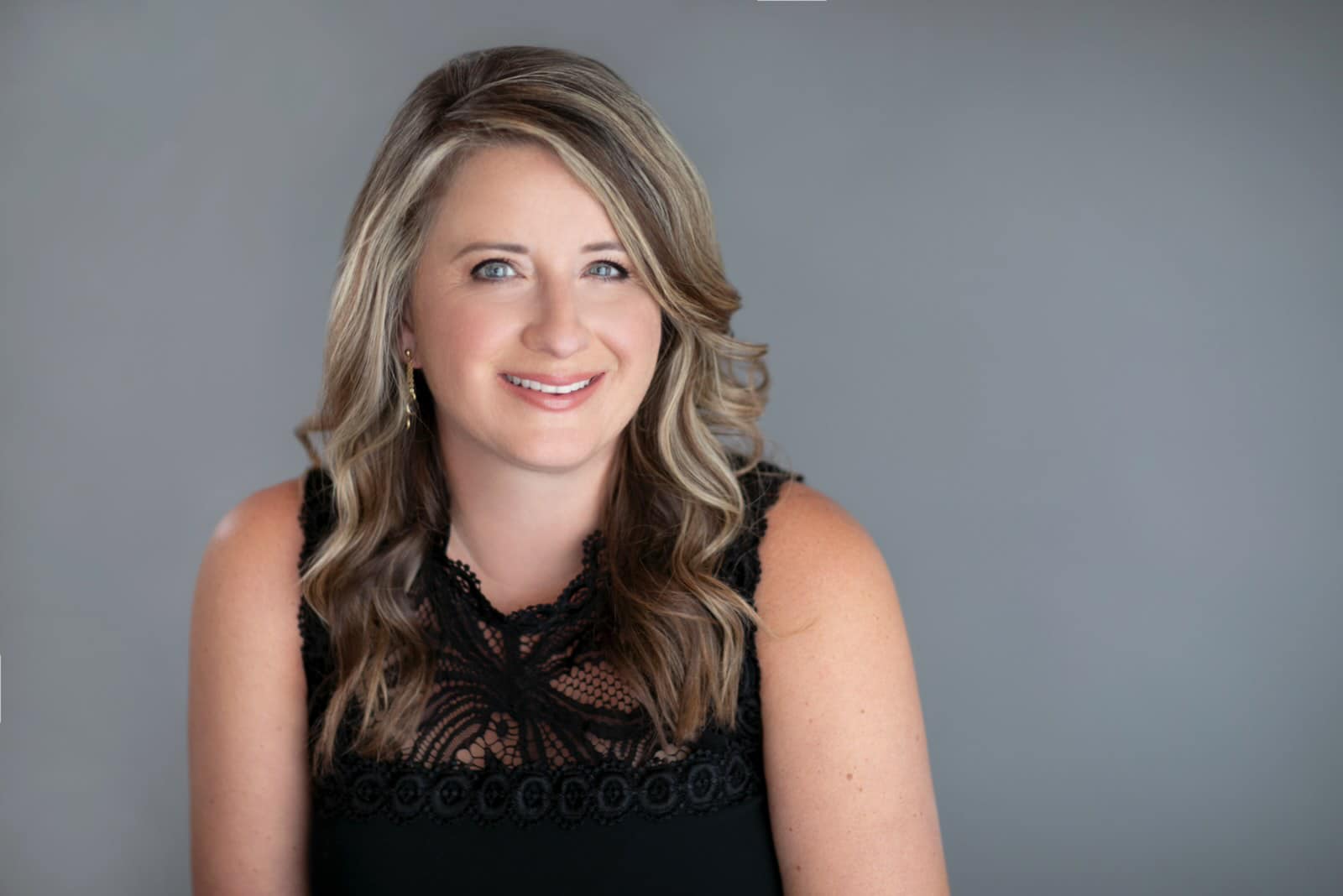
Realtor
Tina grew up in North Georgia. She graduated from Kennesaw State University and then got her Master’s degree from The University of Arkansas. Tina proudly served alongside her husband (married almost 25 years) during 17 years of his 21 year naval career and continues to stay involved in the military community. She truly understands the challenges that military families face and the challenges it can bring.
Tina and Eric have a 21 year old daughter and 16 year old son. Their daughter just graduated from the University of Georgia. They love traveling as a family, the beach, serving at church, and cheering on the Georgia Bulldogs!
