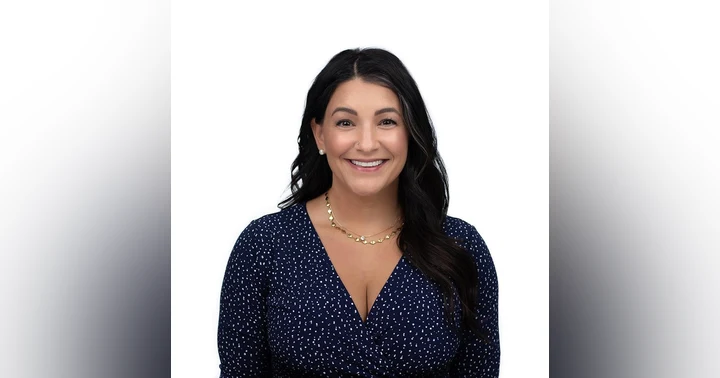
Erin Salem: Real Estate Marketing Director
Everyone knows that marketing can make or break a business, but few people know how to market themselves properly or even what successful marketing truly means. Erin Salem is joining the Real Estate Excellence podcast today to share the secrets of...

 Apple Podcasts
 Spotify
 Overcast
 Castro
 PocketCasts
 RSS Feed
 Everyone knows that marketing can make or break a business, but few people know how to market themselves properly or even what successful marketing truly means. Erin Salem is joining the Real Estate Excellence podcast today to share the secrets of real estate marketing that have led her clients to success.
Erin graduated from Rollins College in Orlando in 2002 with a Theater Arts degree. Working with young artists, she realized that many of them were talented, but few knew how to do a business out of their talent. Realizing the importance of having systems and creating brands with personality, Erin became a successful copywriter and adviser for various emerging businesses that rose to success thanks to her knowledge. Eventually, she ended up in the real estate industry, where she helped agents showcase their personalities to create meaningful marketing content.
Tune in to this episode of Real Estate Excellence to learn about Erin’s journey and how to apply her secrets to your own real estate career.
[00:00 - 07:03] Insights on Real Estate Marketing and Business Expansion
• Erin Salem is the Director of Sales and Marketing at Roundtable Realty and educates agents on effective marketing techniques.
• Erin has given herself titles such as joy-ologist and chief of happiness, and she tries to project that energy unto her clients.
• Salem's experience in building a children's theater taught her the importance of relationship-building in marketing.
[07:03 - 13:54] How Relationship Building and Authentic Writing Became Key Skills
• Relationship building is key in marketing; people want to feel known, seen, and like they belong.
• Erin learned the value of getting to know clients and creating relationships while working in the public school system.
• She started freelancing as a virtual assistant and eventually evolved into helping businesses with their culture and communication.
• She also teaches people how to represent themselves authentically through their writing.
[13:54 - 20:59] Helping Entrepreneurs and Real Estate Agents Build Authentic Brands
• Beginning her career, Erin helped businesses and people write blogs, blurbs, and books in an authentic way.
• She believes in doing things with clients rather than for them to help them grow and learn their own business at a deeper level
• Succesful marketing begins with systems that help build a foundation for business and brands.
• Systems can't be the same for every person, especially for entrepreneurial-minded folks who are tangential thinkers
[20:59 - 27:50] Individuality and Systems in Real Estate Industry
• Consistency is key in finding a prospecting niche that works for you.
• Coaching and guidance from a broker who understands individual personalities and values is invaluable.
• Finding your own niche and bringing value to the table is crucial for success as a real estate agent.
• Thinking outside the box can lead to unique and successful marketing strategies.
[27:50 - 34:52] Personal Branding and Relationships Over Brokerage Branding
• Personal brand and relationships are key to success in real estate.
• Brand consistency is more than colors and fonts. It’s about personality.
• New agents in Erin’s brokerage undergo a comprehensive training program, including creating a personal logo and marketing materials.
• Each agent has a personalized bio that includes non-professional interests and hobbies.
[34:53 - 41:49] The Importance of Personalizing Marketing Materials
• Eron focuses on getting to know the agent's background and goals to tailor the marketing approach.
• She starts by creating a logo and intro video that reflects the agent's personality.
• She entices agents to be themselves on camera for better results.
[41:49 - 48:38] Discovering Authenticity and Finding a Marketing Path
• It’s important to reflect back to agents who they are and how they come across to others.
• Erin educates agents on social media strategies based on their personalities and the platform used.
• She brings forth an example of a new agent who initially didn't want to do video, but eventually tried it and improved with guidance.
[48:38 - 01:01:46] The Importance of Video Content in Building Relationships
• Getting in front of a camera can be challenging.
• Practice makes perfect. Aim to improve with each video.
• Professional videos are important, but personal content is also valuable.
• Showcasing your personality on social media helps build relationships and trust.
• People want to see the person behind the business, not just the product or service.
[01:01:46 - 01:08:01] Video Marketing to Connect with Clients and Boost Sales
• Agents can create market statistic videos from a home office.
• YouTube and LinkedIn are great for searchability and not paid-to-play.
• Tagging and SEO language are very important for YouTube videos.
• Quick intro video helps clients connect with agents before meeting.
[01:08:01 - 01:20:44] Maximizing Your Real Estate Brand on Multiple Platforms
• Erin and Tracy discuss overcoming the mindset of not wanting to bother people in your sphere of influence.
• Erin emphasizes the importance of consistent marketing and branding as a real estate agent
• She encourages agents to wear their "realtor costume" and use branded items to promote themselves.
• She also advises agents to practice conversing about real estate with friends and family to build confidence.
[01:20:44 - 01:27:21] Using AI In Marketing
• AI is already being used in many real estates tools like Zillow and List Reports
• Chat GPT can help with writer's block and generating ideas for videos or emails.
• However, it should not replace the authenticity and relationships that realtors build with their clients.
• Chat GPT may have limitations and inaccuracies, so it's important to double-check information before using it.
[01:27:21 - 01:30:31] Self-Discovery and Marketing in Building a Successful Business
• Marketing as the linchpin for success in real estate.
• Importance of understanding oneself and finding what works for individual success.
• Invitation to join the community at tracyhayespodcast.com.
Quotes:
"Marketing is relationship building." - Erin Salem
" People want to feel known, seen, and like they belong. Your job when you're building a relationship with them in any business is to give them those three things." - Erin Salem
"A business is two things. The business itself and the brand. You have to have both. But if you don't have the systems in place to run your business, the brand doesn't matter that much." - Erin Salem
"Our brand is built on people before property. And every single decision we make in our brokerage starts with those words." - Erin Salem
If you want to make contact with Erin Salem and make her a part of your network, make sure to visit and follow her on LinkedIn, Instagram, and Facebook:
LinkedIn: https://www.linkedin.com/in/erin-salem-29aa3b14/
Instagram: https://www.instagram.com/erinsalem
Facebook: https://www.facebook.com/RoundTableRealty
If you want to build your business and become more discoverable online, Streamlined Media has you covered. Check out how they can help you build an evergreen revenue generator all
powered by content creation!
SUBSCRIBE & LEAVE A 5-STAR REVIEW as we discuss real estate excellence with the best of the best.
Are you ready to take your real estate game to the next level? Look no further than Real Estate Excellence - the ultimate podcast for real estate professionals. From top agents and loan officers, to expert home inspectors and more, we bring you the best of the best in the industry. Tune in and gain valuable insights, tips, and tricks from industry leaders as they share their own trials and triumphs. Whether you're a seasoned pro or just starting out, a homebuyer or seller, or simply interested in the real estate industry, Real Estate Excellence has something for you. Join us and discover how to become a true expert in the field.
The content in these videos and posts are for informational and educational purposes only. The information contained in the posted content represents the views and opinions of the original creators and does not necessarily represent the views or opinions of Townebank Mortgage NMLS: #512138.
Tracy Hayes 1:05
Hey, welcome back to real estate excellence podcast I am really excited about today. We often talk about marketing, prospecting with the top agents on each show. But today's guest, she is the Director of Sales and Marketing with a successful real estate brokerage, Round Table Realty here in Northeast Florida, Her job is to educate the agents on what they should be doing, could be doing, and often, how they should be doing marketing. She has held positions titles such as chief joy ologist, Director of happiness. She has a badge of honor for being a school psychologist in LA County Unified School District. She has the most interesting LinkedIn file of my recent memory, especially with the agents that I look up each week. Let's welcome the wonderful Aaron Salem, Director of Sales and Marketing of roundtable roadie to the show. Thank you for having Thank you. I really want to dig in, you know, because obviously, talking to all the you know, the top agents, every you know, for the most part, every week, but even some of the vendors that we have, you marketing in our industry, marketing and real estate, what you know, everyone has an idea, and I think for the most part, is everyone has to find their niche, right? Their little you know, what is it that works for them? Because I imagine all the agents you have down there, all the different personalities, oh yeah. Some are, some are great, and you have the gift of gab. Can talk to anyone Absolutely, and others who you probably have to, you know, kick in the butt. Sometimes, sometimes, yeah, absolutely. So I'm looking to dig into that, but let's start off a little, get a little bit of background on you. Where did you grow up? I was born in Akron, Ohio, actually, okay, and came down to South Florida in Vero Beach when I was nine years old, and then I've sort of lived everywhere since then. So I lived in the Northeast for a little while. Lived in the Midwest. I lived in Los Angeles for five years, and then finally landed back in Jacksonville in 2009
Tracy Hayes 2:59
Okay, so your LinkedIn profile doesn't completely give that story? No,
Tracy Hayes 3:04
there's a lot.
Erin Salem 3:06
So because you were into the theat, the theater and so forth, is that what kind of moved you route, or you went after some things in the beginning? Yes, went up to New York for a little while, and quickly realized that people that are five feet tall really need to have strong constitutions. Salute New York City and I was raised in the south, it was just a mismatch. I ended up going out to the Midwest because I opened a children's theater there when I was 21 years old, which is crazy to think about, because my students are now adults, and they still reach out to me, and one of them's about to have a baby. It's crazy. So that was really my first experience with building a business and having to market it and having no budget and genuinely no idea how to do it, working on shoestrings. I can imagine 100% anytime I wanted something published in the newspaper, I had to write it, because nobody was going to pay attention to the girl who was opening a children's theater. They had bigger fish to fry, right? So I really had to learn how to get the name out there and what marketing was, which, at the end of the day, for me, still is relationship building. I had to learn how to communicate what it was that I was doing to the audience that needed it. Did you have the atmosphere like which I appeared? We were talking pre show a little bit because my daughter being involved in groups here locally in the theater, where there is, you know, that affluent parents and so forth that can afford to, you know, send their child there, pay for their training and so forth, and, you know, the plays, did you have that kind of atmosphere there? And just had to tap into it or no. So I was in a really, really small town, and there was quite a wide range of people in that town. It was sort of a mission. It was a it was an odd place,
Erin Salem 4:54
because you, you did have the people that could afford to send their kids to the Top Trainer.
Erin Salem 5:00
And agents and coaches, and then you had the people who just wanted their kids to be involved because they genuinely loved it. So what I found specifically in that city was what was missing. I found the piece that was missing for them. So they had great academics, they had tons of sports. But what about the kids who weren't particularly academic or didn't love sports, right? Theater was this awesome place in between where they could find a place to belong, and that's how I started to market it. So your socioeconomic status really didn't matter, because I was finding ways. At I was 21 I was finding ways and getting really creative about how to get kids involved and keep them involved, even if their parents weren't able to afford classes. You go to Rollins, the theater Rollins, college for theater arts. That's, I have my my notes here, and because that was that your just your vision, that 21 years old that you were, you know, this is going to be, well, I went to Rollins before I went to Rollins when I was 17, so by the time I graduated Rollins was when I moved to the Midwest to start, well, first New York and then the Midwest to start the children's theater. But I definitely thought theater would be my path, and I stuck with it for a while. The trouble was that it's really hard to prepare kind of like real estate. Honestly, it's really hard to prepare someone who has this skill of this craft to understand how to turn it into a business, because what's an audition you're marketing yourself, right, right, right? And learning how to grow that business alone. I didn't have the motivation to do that. I was going to say skill, but that's not true. I didn't have the motivation to do it. So there came a point where I said, I don't think this is what I want to do for my career. I still love it. I still do it as a hobby, right? And I don't think this is what I want to do for my career. And that's when I went to grad school. Well, it was interesting. You were just saying that I thought of Hayley Davis, who I had on last week, and she was talking about her, her initial vision is she wanted to run art galleries and do the marketing for it, because she understood that the the artist, the talent they should be focused on doing their art and their whatever that takes, and that they need someone to be that marketing person, exactly what sounds like in your case, if someone did all the marketing for you, and all you had to do was do what you truly love to do. That's right, that would have made that would have been easy. That's which we're going to get that blended in here a little bit and talking about our real estate agents, and talk about what they're good at and what we need them focused on, yeah, versus Yeah. Cool. So you, you end up in LA, and you get involved in this, in the school system, I did was that just just as just just needed a job and they were hiring? Or is that something you actually searched out? Started that way. I started applying for jobs as a drama teacher, and then realized just how many licenses you had to have to do that. Oh, my goodness. So I ended up as a paraprofessional, which meant that I was working as a teacher that took less licensing. Can you believe that we're not going to go into that? But yes, yes. So I was, I was an aide in classrooms with students who had different ways of learning or special needs, and I got really interested in it, which is why I went back to grad school for school psychology. I experienced when I opened the children's theater, I experienced so many kids who had learning disabilities or special needs, because, again, they didn't fit into the highly academic or the really athletic kids, right? So it, see, it felt like a theme in my life by that point that I thought, well, let's go back to school and learn how to actually serve these kids at like, a molecular level, you know, like really, not just being in the classroom, but how can I actually get underneath that and help teachers and parents learn how to reach these kids in a more effective way? So that's what I did next, which now I always, always thought I should have been a psychology major, because I love, I love the podcast and learning about people, and I love, why do people do what they do? You went and got your master's degree and psychology to, you know, dig in to these, these kids, but psychology and marketing go hand in hand as well. Totally. Yeah. What are some of the things that mean even today, that some of the things that you studied, or you probably still read about, you know that that you learned through your your formal learning with your master's degree, that you kind of implement into some of your marketing stuff? Yeah, sure. Well, well, number one, like I said before, relationship building, is marketing. People want to feel known, seen and like they belong.
Erin Salem 9:34
Your job when you're building a relationship with them in any business, is to give them those three things in one capacity or another, and you can't do that without getting to know them and without letting them, at least a little bit get to know you.
Erin Salem 9:47
So after I graduated grad school and I went to work in in the public school system, I worked in private for a while, and then into the public school system, what I found over and over and over again when I sat down in these IEP.
Erin Salem 10:00
Meetings, and these 504, meetings with parents who were angry or scared or freaking out and kids who didn't understand why they were in trouble or why they were in this meeting,
Erin Salem 10:10
you could slow everything down and front load them with information education, and then answer their questions first, before you start inundating them with all the data and the statistics and the facts that we've gleaned from testing their child, if we start with their child being a person and the parents being human beings, right? Who are going through a really overwhelming experience, sounds like dealing with a real estate transaction. That's why. That's how my life ended up here. Yeah, that's exactly right. Yeah. So once I learned how much more valuable I could be to them if I was actually getting to know them and letting them get to know me and creating a relationship with them, then all of a sudden, and same with the teachers, by the way, really showing the teachers like I get it. You've got 35 kids at a time, and I'm asking you to make sure this kid gets preferential seating. Who am I to you
Erin Salem 11:07
when I start building relationships with those teachers, then all of a sudden we're understanding each other. They get that I see them and they see me. I let them see influence and credibility. 100% Yeah, absolutely. So you had these creative titles on your LinkedIn, the directoress of happiness, the Chief joyologist, yeah, and this one here, the right hand woman. Thoughts, a little bit about so after I moved back to Jacksonville because I wanted to be closer to family, I was having my son, I was ready to sort of settle in and start my family. And when I moved back to Florida, I quickly found out that Florida and California aren't reciprocal states. When it comes to the school psychology license, it's one of the only two states that aren't. So they told me, You got to go back and retake about a year's worth of classes as well as your internship partially, if you want to continue practicing school psychology, at least in the public schools, private schools are a little different. So I thought, okay, how can I use what I know already and start contributing somewhere, whether it's to businesses to private schools, how can I use what I know? So I started freelancing, and it honestly started as sort of like a virtual assistant thing when that first became a thing, because I had a young child and I wanted to work from home, and I was like, Well, I have a bunch of organizational skills, and I know how to build a business. I know how to help a business run, so I'll just start doing that. And like everything else in my life so far, it evolved. And eventually people started calling me and saying, Hey, I saw what you did for that business. Can you do that for me? But can you also do this? And I found myself in the position over and over and over again of back to what we were just talking about, dealing with angry customers and angry clients. These business owners were putting me in charge of, essentially, the culture of their companies, and then how to communicate that and represent to their clients and customers. What kind of companies are we talking about that you it was a publishing company. I worked for one solopreneur who she did a lot of business, small business coaching. I worked for a podcaster. Actually, I worked for a writer. I worked for a number of men's and women's coaches, both at the executive level and at the personal level. I really kind of ran through that world, and it's all connected once you get into it and they all start asking each other, how are you doing that? Who'd you hire for that? Who'd you hire for that? I've always been a writer. I actually wrote a book that you can get on Amazon. It's called finding inner peace, okay? And inner P's, P, E, A, S, okay? And that copywriting is the kind of the thing that took me to the next level. After I started building cultures, I started teaching people how to represent themselves authentically through their writing. Right? Because a lot of times, people sit down to write and they think, oh my God, there's so many rules. I have to make sure the comma is in the right place. I gotta make sure nothing's misspelled, and they're so focused on the mechanics of the writing, they don't write, they don't write, and their personality doesn't come through. Well, that was something I figured out I was really good at. So I helped people to whether it was writing a blog, a blurb or a book, I was helping people to get that stuff out of their heads and onto the paper in a really authentic way. And you know, the funny thing in the part that I skipped was, in 2009 when I moved back here and I was freelancing with, actually, when I first started working with Keith and Howard, the brokers of roundtable Realty, I I helped them, at the time, to get the brokerage started, and then had my son and decided to take a step back and just do the work that I was doing from home. So that's kind of why, when I started at round table again in 2016
Erin Salem 14:52
or 15, 1617, whenever I started back there, if it's all a blur, I kind of felt like coming home.
Erin Salem 15:00
Home because I'd already worked with them once before. It's almost thinking they don't pay you enough
Tracy Hayes 15:08
after that resume of what, what you're talking about, because the what you're giving someone, it's almost like I'm trying to, if you're, if you were coaching a professional athlete, you know, I think of, you know, I have a good friend who's coached high level women on the LPGA Tour for years, and, you know, they're already good. What can you teach them, right? Yeah, but they're staying with him and hiring him because he is taking those, those couple of strokes off, you know, that shot here and that shot there, which it sounds like a lot of what you're, you know, you have this visionary, you have this personality, you have these people, but they're, they just need to kind of square off the edges, around the edges, whatever it takes to move their game just that extra couple of inches. And that's what you were doing, absolutely. Yeah, each and every time. I don't even know where to how, to how to even dig in. Maybe, when we start talking about the real estate, how to dig into some of your you know, I imagine, just like the real estate agents, have to have processes, what? What processes you were doing to break down someone like that? Or are you doing that? I assume you're, you're doing that similar thing with the agents today that you're working with. For sure, yeah, it's so case by case. Yeah, it goes back to getting to know a person. There were entrepreneurs and solopreneurs that I worked with who were so resistant to what I was offering them that I really had to find ways of doing it with them and not for them and and that goes back to really getting to know someone at their core understanding what makes them tick, so that a they learn to trust you, which was the number one thing, as soon as I could get an entrepreneur or a solopreneur to trust me, then we were off and running, then we could make change. You had to do it with them because of the style of what you were trying to accomplish. This isn't like starting a marketing campaign for Coca Cola, but a lot of them hired me because they wanted me to do it for so I'm hired under the pretense of, oh, she can do this. We'll give it to her. And what I had to sort of flip in there was, or educate them on, was that, yeah, I can do this for you, but you can hire anybody to do this for you. You want to hire somebody who's going to do it with you, so that you're growing in the process and learning your own business at a deeper level or a higher level. I guess I should say I almost think of myself personally. But, you know, everyone, everyone's personality is different, and they I'm going to so, because you're dealing everyone individually, and everyone has their own, you know, personalities and some people are, you know, get along with everybody. Some people rub some people the wrong way. They you know, I think I have people who who are because they know I'm passionate. And when I, you know, I'm so people oriented, I probably go above and beyond, more for people than they would for me, just because they, you know, I'm, they don't understand I'm actually a big teddy bear. When it comes down to, I actually do care. So I rub people the wrong way, which I imagine some of these people, you remember, they were doing things that they were good, and they were where they were at because they were just good, but they were missing this other 10, 25% of the business that they were missing by just by changing somehow they they came across, yeah, whether or how they wrote, right, how they wrote the book, how they, you know, whether it was more being on more authentic, or just, you know, not using phrases, or whatever it was that was irritating people not to read their books. Sure type of thing. And it that it's so interesting to dig in and obviously, taking it to every single real estate agent that I've had on, you know, 120 some of them. All of them are different. They all run their teams differently. They all market differently, and so forth. In the in the It's priceless to be able to break it down, but now you're able to get them going, and then, you know, just like a booster rocket for the shuttle, you go and fall back to Earth and let them keep going. Absolutely, yeah. And it starts, honestly. It starts with systems. That's usually the first place I start with anybody that I'm working with, when there I was freelancing or or working with a real estate agent, if you're building a team, or you're just building your own business, it has to start with a system. A business is two things, the business, two things, the business itself, and the brand. And so you have to have both. But if you don't have the systems in place to run your business, the brand doesn't matter that much, right? Well, you have no foundation, foundation to measure yourself of what are you doing wrong? Because you're not doing the same thing for the last whatever amount of time to measure and say, did that work or not? And the systems can't be the same for every person, and that's what that's the difference between doing for and doing with. I can give everybody the same system, and it's going to work for a lot of people, but it's not going to work for some people, and especially those entrepreneurial minded folks who.
Erin Salem 20:00
Who are usually really tangential thinkers. They've got a million ideas going at once, and they're all good ideas, and they're trying to do a little bit of each of them all the time, and they focus on one for a week, and then there's another one. And there's nothing wrong with that, but you do have to have a system in place for how you're delivering that to the people you're trying to serve or help, right? And because there isn't a one size fits all. When they were hiring someone like me, they were finding out that we're starting with system version A, but by week three, we might already be up to version E, because I've watched how you work, and we've adjusted and moved things so that what we're doing is actually working for you. It doesn't feel like you're trying to bend yourself into a pretzel to fit into this box, this system that Aaron gave you. No, we're creating a system together that's going to work for your business and for you as a person. Are there going to be growing pains? Yeah, for sure. Yeah, that's the resistance. Well, it goes back like a little bit we were talking about finding, you know, respected to real estate agents, but it's respected to any business owner. If you're doing what you love, you love what you're doing and in you know what, maybe however you're prospecting, or whatever. But as any of the top people you watch on YouTube, they they'll tell you do what you love to do, you know, stick with it consistently. It'll, it'll come out in your authenticity. That's right. And we, you know, the real estate agents, I'm sure you're talking to him, find that prospecting niche that that just works for you, and we know it gives results. And let's 10x it right in there. And that's that I, you know, I think, is definitely the key of the one percenters that that make a lot of money in our industry, versus, you know, lottos that are out and obviously, with two years, is because they're, they're not finding that that niche, sure, and it's discovering yourself, like you said, you're moving forward. It's uncomfortable because, you know, you might be bringing something out that they don't even see, yeah, but then they feel like, oh, yeah, I actually really like doing this. And it's because you used, you know, we all, I think coaching is huge. And the fact that you know, I just, you know, listening to you now and learning more about you, and what Howard's put together down there, with all the, all the, all the people you have to have you in house, is so invaluable. I mean, it's one thing to have a broker who knows real estate, but this is, this is what makes the real estate agent to me, is what you're what we're talking about. Thank you. Yeah, it's, it's that ability to to dig in with each person, individually, like you said, and and everybody's going to have a different sometimes it's a niche, sometimes it's a system, sometimes it's a plan, and sometimes that changes over time. Sometimes it grows, sometimes it adjusts. But if you don't have, like you said, a a broker who knows everything, and we have two of them, and then somebody who's really guiding you through the process of finding that niche that works for you right, finding the way you get leads and close deals, finding your way of doing it, then it feels to me like you're you're just out in open water, right? Yeah, right, yeah. Well, again, you can talking to all these, you know, they didn't want, you know, people are changing brokerages and so forth. And I'll, you know, I'll quote Sarah Rocco, as I probably do at every show. So when you're no longer adding value, they move to someone somewhere else, and you're the broker themselves. You know, staying on top of real estate, real estate trends and so forth, is not the psychologist in the office who's also, you know, really digging deep into everyone's kind of personality and so forth, and bringing out the value that they bring to the table. That's right? Because I think, I think that's, that's really what you're doing when you find that niche, is, what is the value that you bring? What? Because that's what the people are going to bring. Going to perceive in you, is when you're bringing the value, right, as a as a real estate agent, as an individual, right? Right? Yeah, oh, and we're just deep stuff, okay, all right. Well, you worked with Howard and Keith, you know, years before eventually coming here full time, and more and more or less more like a consultant role, right? More of a coaching consultant role. So that was, were they the first real estate industry people that you had worked with? Yes, okay, what kind of preconceptions? Or even before, you know, maybe you you because you weren't in the office every day dealing with all the agents you were just working with, Howard and Keith on, on that, what were kind of some preconceptions that you had of real estate marketing before you came here and realized, yeah, it's not that's not gonna work. Great question, to be honest with you, I was very uninterested in real estate when Howard called me and asked me if I wanted to come back in and do a little bit of work for them. I said, No, and we ended up having lunch. And he said, Well, what if you just came in and helped us with copywriting a little bit, just just for a couple hours a week? And I said, I'll think about it. And then when I came in for that first I'm going to sit down and do some copywriting for you. He was like, I'm a level with you. We need a marketing director. Yeah.
Unknown Speaker 25:00
Yeah,
Erin Salem 25:01
like I knew there was something behind this. To be honest with you, the only marketing that I'd really ever seen in real estate was templated. So pretty much everybody sending out the same style or version of postcard being pretty similar in everybody's social media posts or even listing descriptions, there wasn't a lot of individuality. As I was doing my research into creating this department for a round table, I wasn't seeing a ton of individuality. And the individuality that I was seeing was so interesting to watch and so entertaining that I thought, Okay, this is there's something to this. There's something to the idea that we have to treat each of these individual agents as their own brand, within its own little orbit. And then I was like, how am I going to do that? This is when we had 30 agents. I was like, how am I going to do that for 30 different people? Well, now we have 80, and
Tracy Hayes 26:01
I could tell you the key is still systems. There have to be systems in place. But to answer your original question, I didn't know what I didn't know, and I think that helped. I think coming into this industry without a background in real estate, I was already thinking outside the box, because I never got in it, right, right? Do you talk about thinking outside the box? Do you find that, especially when you bring experienced agents over that a lot of them, lot of I think a lot of people don't think out of the box. In my opinion, I'm a total like, out of box. Yeah, I want to do something like nobody else has done before. And and gal, people go, Wow, oh, man, it's awesome. You're doing it. That's me. That's my gratification when I do that. But a lot of people, they just want to stay in the lane. That's right? And unfortunately, obviously, in, like you said, individual brands, that might work for him over there, but it's not gonna work for her over there. You know, doing the same type of style videos, non video, whatever they're doing, right? Yeah, yeah, no, 100%
Tracy Hayes 27:02
the lane is comfortable, right? I don't have to do a whole lot of thinking if I stay in the lane. But then when, especially an experienced agent, joins Round Table Realty, and we sit down to do what we call the my first meeting with them is called the marketing hug, and it's an opportunity for me to really get to know them and talk to them about what we can create together and how it can look the the general reaction is like, we can do that. Yeah, yeah. We can totally do that. We can do anything, right? And that's what makes a a boutique brokerage. So cool is that we're independent and B having somebody who isn't in real estate, I'm not a realtor, having somebody not in real estate who's been in all these other industries to say, did you ever think about doing it this way? Well, you're, I mean, I think you're just, I don't know how to describe it, but, you know, yeah, your experiences and your understanding, like, right away, like you said when I asked you the question, what was your preconception? You're describing it. You're coming in and understanding that each of them are on their own orbit. And it's, it's so 100% true now, because I really feel the industry has gotten, even in the loan officer world, that it's really not who you're working for. You know, it used to be, you know, you know, when I grew up, you know the century, you know the century 21 you know gold coats, or you saw remaxes on, you know, balloon those. That's the only branding I can remember, right? Of those things, and I and I guess some people went to that, but the realization is they want to. It's really the person that the personality, whatever their work ethic, their you know, how great service they give, right? The relationship they build is, is really their longevity in this business, and, you know, the roundtable has a great logo and all, but is it that's just the foundation of of a of a some level of credibility, that they're with somebody respected era, or they join a national brokerage or something? But really, their longevity and and success all depends on their personal brand that they create through their own Yeah, absolutely you're bringing out that. That's what's so interesting about this, is this is amazing. It's like a breath of fresh air for me, because I'm reading about this. I'm talking, I'm talking about this stuff with all the top agents. And I know, you know, the 120 of them that I've talked to, they're trying to tell the other agents this, but they're they just don't know how to do it. And you're the one who knows how to do it. You're the, you're the you're the horse whisperer or whatever this. Yeah, really. I mean, if you think about it, a typical client that works with a realtor, they might not even know what brokerage they're with. They and it doesn't matter to them, unless something goes really, really wrong, right? And they have to speak with a broker. So foundationally, what Keith and Howard built in terms of a brand, I mean, that's, that's the crux of all of this. Our our brand is built on people before property, that phrase, and every single decision we make in our brokerage.
Erin Salem 30:00
Starts with those words. And you know, we might tweak those words, people before business, people before money, people before whatever. But when it comes adding agents to our roster, hiring staff, choosing wall decorations, I mean, I don't care what it is, every move we make, we make it from those three words first. And that's called brand consistency. It's not our logo, it's not our colors, it's not our font, it's who we are culturally as a brokerage, and by doing that, we naturally attract the agents who want to do business that way. So we don't recruit, and there's nothing wrong with recruiting. It's a business, but it's just not how we've chosen to do business, right? And because of that foundation that we've built, each agent that comes in can be treated as an individual, because we're all starting from the same level. We all agree we're going to put people first in the way we serve them. All right? So you mentioned early the foundation having the systems and processes. So you bring this, you bring this new person on whether they're brand new to the industry or they've been for years and want to come to round table. Is it when you when you say systems and processes, is the systems and processes that you've established as a brokerage, or establishing their individual systems or processes that work best for them? What clarify that for me, starts at the brokerage level, so we have to lay the foundation for them so that they understand how we're going to work together in the beginning. So it starts with we have what we call the passport, which is like you get stamps in a passport. We have a booklet that I created that basically includes every single thing, every tool, every idea, every contract that we are going to train you on when you join us. So within those first two weeks, you are going to get a plethora of information from a number of different people in the office. Keith Howard, Leslie Dow is our trainer on all of our tech stuff. So you're going to go through all of that. That's our first system, simultaneous to that, you're going to meet with me. I'm going to do a little deep dive on who you are. I'm going to go on your Facebook and your Instagram and your YouTube and anything you've got. I'm going to get to know you as a person from a social media perspective, so I can see what people are seeing. Then I'm going to get to know you as a person in that first meeting, that marketing hug and together, literally together on the screen, we create your logo. And most of the time I've got my system down to the point where, within about an hour, we've got a logo that you're using. And that's of course, there are outliers. There are people who say, I need to think about it, or I need to sleep on it. Depends on the personality, right? But I would say 95% of the time, the logo that they walk away with at the end of that hour is the one they use for the rest of their real estate career, at least so far as I've been at round table, once they have that in place, we start creating that basic sort of marketing stack everybody needs to be able to walk into a listing presentation or a buyer consult with something in their hands that looks good, looks and feels like them. That's the most important, and gives the person they're handing it to confidence that, oh, they come with stuff, and that stuff has answers in it, and you've got to know everything about this stuff. So when someone calls you and says, I don't remember what happens if the appraisal comes back low. Not only are you going to explain it, but you're going to say also it's in that booklet I gave you. So if you want to reread that, you can reread that too. If you get nervous, but don't worry, I've got you covered. It gives both of you confidence in those interactions. So I create a lot of materials, right off the bat for our agents to walk out into the world as a round table agent, knowing, okay, I've got stuff that I can bring them to show them I know what I'm doing, and it looks and feels like me. So everything here is consistent. How do you, you know, obviously a lot of the stuff is standard for any real estate like that would be a frequently asked question, right? What happens the appraisal comes in low, you know, type thing, and you so you have, you can kind of standardize that all the way across every agent. But how do you make that packet them? Yeah, great question. So it starts with that logo. That logo is going to determine the look and feel of the whole packet. That might mean color, that might mean font. That's number one, number two, there's several pages in each booklet that I create for our agents that are only about them. Like I said, I'm a copywriter, so I write the bio for each of our agents that joins round table. Are you stealing chat? GBT at all this now? 0% not yet. I'll tell you when I do, though, because I do, but not for this. This is too personal. This has to be a real this has to be a collaborative effort. So I asked that agent a bunch of questions. I glean a bunch of information. I write a bio for them, and that bio has to include some things about them that aren't professional. I need to know if you have dogs. I need to know if you play pickleball, because these little things you know.
Erin Salem 35:00
If you're into car restoration on the weekends, well, you're a real estate agent, so you're into real estate. But you know, in your off time, if you're in a car restoration, people need to know that, because that's a relationship building point. The second somebody who has once restored, restored a car with their dad reads that they're going to go, oh, what kind of cars do you restore? Boom. We've got a conversation going. So that's another way I personalize those then the cool thing about everything I create for our agents is it's dynamic, which means that as they grow and change and they discover this is a pain point I'm coming up against regularly, or this is a piece of information that I am explaining a lot lately, depending upon what the market's doing, and I need something in my booklet that's going to that's going to speak to that. Then I go in and I change it, and I adjust it, or adapt it, or take a whole page out and replace it with something else that's more in alignment with them and how they do business. So while you may start with one booklet, that booklet may be completely different in one year's time, the booklet that I first created for Round Table five years ago, just this one particular thing we're talking about looks entirely different in its starting place now, because we grow and we change. So these things get to grow and change with our agents, and that's part of what I'm there to do. So I get an email at nine o'clock at night that says, Hey, Aaron, can you take this page out and put this page in and print 20? Yes, I can. So imagine some people listening to this right now, because I've heard different remarks, because there are some agents who broadcast that they have, you know, they have this listing, you know, book, or maybe they promote it on Facebook, or, you know, type of thing that, hey, I'm going to my listing appointment and getting my packet prepared. And I heard some agents kind of like, almost like, nay say it, because obviously they don't, either they haven't bothered to put one together or they don't see value in it. And would you agree that really, it's not the fact that that someone may actually open it and actually read from front to back. It's the fact that you have it Yes, is actually the most important thing. Yes. In fact, that's the first thing I tell my agents when we start creating it together, is there is an 85% chance that the person you hand this to is never going to read it. And that's okay. That's not what we're creating it for, right? That's not the expectation. The expectation is they know I made this and brought this for you. That's it, right? Because, because our it's, we're, we're not well, you can smell and taste, see the house, but that actual initial listing appointment you're sitting there, you're talking about, and you, you know, you know, we talked about mortgages. I've done mortgages on the phone for decades in a call center, never met the person you have to do everything you know, it's money they don't act, which they don't actually ever touch. There's nothing there for them to touch, feel or smell like a new car or a house that you actually that the value of having putting it in their hand again, whether they open or not, is not actually relevant exactly that that you have, I agree with you. Man, we've, we've covered so much good stuff. I'm just tabby. I just want to go when you break down and you're having that hug conversation, yeah, your your initial hug. What are some things that you know as as you're so your psychologist, you go into psychology mode, your interview, what are some of the things that you're you're picking up on, like you say, you want to know whether they like dogs and so forth. But in the conversation, I imagine you're one of the goals of this conversation is going to be, what kind of marketing Do you think you know? Do you initially are getting some gut feelings that this person you might want to start getting them involved in? What kind of questions are you asking? They're gonna get that stuff out. So much about background. Where'd you start? Where'd you come from? A vast majority of real estate agents didn't start in real estate. They've got a story that got them there. I wanna know that story. I wanna know the ins and outs of it. Obviously, somebody who started in the military versus somebody who was bartending, are gonna have two very different approaches to real estate. Typically, I mean, I'm right. I'm painting with broad strokes, but you get the idea as I learn who they are and where they come from, and then what their goals are. So not every real estate agent comes to real estate saying, I want 40 transactions a year. Some of them are saying, I would be thrilled with six. Perfect, great. That's your goal. Then we're on the same page, learning those things about them while simultaneously creating a logo. This is my little psych This is my psychological trick. While creating that logo, I'm getting a really clear sense of who they are and what that looks like. Once I put those two things together, I think, just over time and doing it so many times, I've gotten really, really good at figuring out this person is going to want something that looks really clean, almost corporate level. This person is going to want something that looks and feels almost romantic in the way that it presents. Each person is so is.
Tracy Hayes 40:00
So specific, and we don't when we don't treat them that way, we're doing them such a disservice. We're asking them all to present the information in the same way when that's not how they're doing, right? And that translates to video too. You know, when I first get that marketing hug includes their intro video, which nobody wants to do, I am everyone's least favorite person on video day. But when I get them into the studio and I school pictures, right exactly, and they and everybody gets in front of the camera on the first day and does this like they're in choir, and I have to go, Okay, put your hands down when people get in front of the camera and they find out, Oh, I can just be myself. Oh, well, that's going to be easier than me presenting information to a classroom at a university, which is usually how they start to approach it right as I know them better, I'm going to know which parts of their personality to pull out on camera too. So as they're talking, I'm going to go, ooh, that that. That was you. Let's do more of that. And then they start calming down, because usually the thing that I've pulled out, that's more of them, makes them feel like, oh, I don't have to act I can just be more myself Exactly, yeah, that that? Well, that's priceless, right there at this, you know. And all, everyone, and again, everyone I've talked to, we, no one. We've never gone this deep and some of my you'll probably may have reached some of the points that you're talking about, but not realize they did that. But to actually, you know, again, I just have to reach out to Howard and Keith. I mean, the brilliancy of bringing you in, because that is everything that the top, top producers are talking about. And, you know, we everyone often, obviously, everyone knows Melissa Ricks in town. And I have a reel that I put out the other day, a clip from her show back in the fall of 21 where her talking about Melissa Ricks, is Melissa Ricks, and you get what you get, that's right. And because she's in her zone, that's why she flows, that's right. And that's what you're talking about, is bringing those people, bringing whomever, into their zone and into them being them, just like they were sitting around with a bunch of high school buddies, they grew up, and everybody knows each other, and you're just talking whatever, and nothing, really, nothing affects you, nothing. Yeah, nothing's forced. It just comes out. You feel you could talk about anything, and that that is just that that is, that is just brilliant. So you're breaking these people down, we're not gonna say, but you're discovering, you're discovering, you're breaking their personalities down to find out, you know, what is it? Because a lot of them haven't even had their first sale yet, yeah, you know. And so they don't know what's going to work. You're trying to set something up. What you set them hopefully on a good path that that may work, or help you discover what will work. So what are some basic things that you kind of launched them with initially after having this conversation? What are two or three things that kind of, I don't know, if you give them a homework assignment or or like, Okay, this is, let's, let's start our marketing plan in this direction based on my evaluation. So the first thing I do after that conversation, when I see them again a second time, is I basically reflect back to them everything that I saw as in regards to who they are, because the first thing is knowing who you are and how you come across. And so sometimes agents don't know that they because they've never done it before, or because they've never done real estate in this way. In this way before, so actually getting it reflected back to you, like, Hey, you come across as somebody who has a teacher's heart, or is it? Tell it like it is kind of guy or or whatever, having that reflected back and validated if, if they're like, Yeah, that's That's true. That's actually true about me. Okay, great. That's the direction we're going to take your marketing. That's how we are going to approach every single thing we do together. And the cool thing about being an independent brokerage is, I mean, there's just about nothing we can't do. So when you say, I need a flyer for this particular I mean, it could be anything. What's a CDD fee? You know? What happens when the sun's not out on Open House Day? I don't know. Like, we can make a flyer for just about anything, but when we do, we're going to do all of it from the framework of who we know you to be as a person authentically, and we're going to do it consistently. So after we after, I sort of reflect that back to them. Then I go over all the stuff that's possible, which is really overwhelming, like I just do just about anything that can almost analysis paralysis 100% which is why we then bring we distill it back down. And I say, which of these are you most comfortable starting with? And most of the time it's like a flyer or a booklet or somewhere where they don't actually have to get in front of people, which is fine. Then we talk about, how are you what are you going to say when you hand this to somebody? Sometimes we role play it. Sometimes they already know. They feel confident. They take it and they're out the door. I offer at our brokerage what we call free video days, and those are the days when agents can come in from nine to five, three days in a row, just make an appointment.
Erin Salem 45:00
And you can make a video about anything you want, or, more importantly, what makes free free video days so special. You can come in want to make a video and have no idea what it's going to be about, because that's the biggest barrier between me getting somebody into that studio and them never coming back to me and saying, I'm going to make an actual professional video with you. I don't know what to make a video do I remove that barrier by saying you don't have to have any ideas at all. You can come in and I will dedicate the full hour to figuring out what we're going to make a video about, and then helping you figure out what to say, and then helping you say it with words in the right order, right? Which is and what to do with your hand, proper English, yeah. Scariest part, right to answer your question, that path looks different for each agent, but it starts with the lowest barrier to entry for them. So whatever it is that's going to get them started up. What are you most comfortable with blogging? What are you most comfortable with posting pictures? Great. We're going to make a plan for how you're going to do that consistently, and then we're going to check in with each other, and we're going to talk about what's working about that plan and what's not working.
Tracy Hayes 46:08
Hey, folks, this episode was produced by streamline media, the number one media company for helping brands generate content that converts. I knew I wanted to start a podcast to reach more people and bring value to the world, but I did not have the time or the knowledge. Streamlined media became my secret weapon to building my show. They handle all my back end work, production and strategies to keep my show going strong. If you're in the real estate business and looking to make content that generates more leads and brings in more revenue, check out the streamline media link in the show notes and discover how partnering up can supercharge your path to real estate excellence.
Tracy Hayes 46:48
Do you ever have that conversation with them? You know that you you well they say, I'd love to post pictures. Well,
Erin Salem 46:56
we know that only you know, unless you have a plan that from your experiences, that actually works, because, I mean, there's not just, you know, as simple as just posting pictures, right? So that's when I'm going to educate them about what that actually looks like in the social media world. And sometimes that's the point where they say, Oh, I don't think I want to post pictures anymore. And I say, Fine, let's pick something else, right? But let's pick a focus. And whatever they pick. I'm going to educate them about the way to do that based on the platform they're using and based on their personality. All right, so let's we talked earlier about a story, and we don't have to use names. Give it. Give us a, I mean, a true life scenario. Someone you know, whether it was two years ago or two days ago that, you know, you kind of had this, you had these initial conversations. You gave them the hug you you know, broke out some things and where you explain this person somewhat, this person's personality, without actually telling who it is, and then what you discovered and what they did with it, sure, yeah, I have a couple. One in particular, we had an agent join us. She was brand new to the business, I think she'd been in for about a year, and she'd been on a team, and she joined us, and she wanted to branch out on her own. And she said, I can do, you know, I'd like to do flyers, I'd like to do booklets, and I'd like to work on the way I talk to people. And I said, we can do all those things, but I think you should do video. And she said, I don't, I don't think I want to do video. And I said, okay, that's okay that you don't think you want to do it, but if we make one and you never show it to anyone, that's okay too. So why don't we just try it? So we went up and tried it. This was four years ago. I think we went up we tried a video. It was very robotic. It was very corporate sounding. You're using a teleprompter and everything. No, no, I stand behind the camera and I direct. So if agents know what they want to say, they say it. If they don't, I'm telling them what to say. I'm reflecting back to them what they told me they wanted in the video. Because when you get in front of a camera and those really bright lights. You forget words. You forget when to breathe at a normal pace. You start sweating like, I get it. Oh, yeah. So those first, that first video, she was like, Yeah, I don't think I'm I don't think I'm ever going to do this again. I said, Okay, well, you tried it. Not enough for me. And about six weeks later, she came back and she's like, Okay, listen, my clients want me to make a green screen walk through of their house for their listing. Oh, okay, for their list. So we have a green screen, and I can put the professional pictures behind the agent who's talking about the pictures that are coming up, she said, so I have to do another video, because that's what they want. And it was a, you know, it was a pricey house. So she was, she was going to go above and beyond for these people. Now she does it most for house.
Erin Salem 49:49
So we got through that video, and I said to her, Do you see how much better just on this video, you were than the first one? And she said.
Erin Salem 50:00
Yeah, I do. I said, Let's reshoot that first one and see how much better that one is. And that really got the ball rolling. And we learned the way that she best presents on camera for her is to come in with an idea, talk and talk and talk and talk and talk and talk and talk and talk, and then let me edit it all into an order that makes sense, right, right? She now, I don't even know how many videos she has under her belt, but she came in this last week, and she said, I want to make a video on interest rates. I said, Great, let's do it. She walked in there, bam. Seven minutes, we had it in and out. She was gone. I was editing it. I had it back to her the next day, and consistently, she gets comments at the Rotary Club, her kid in her kids school, in her neighborhood. So here's the interest. So I listen to THiNK Media podcasts. He's a he's a big YouTube content maker. They have their podcast. They videoize it, they do a bunch of other stuff. They work with companies and doing their content and things like that. And I was just listening to him this morning, but it's not the first time he's ever said it, but I think it was, as a lot of people know, Mr. Beast, you know, he's the big YouTuber, right? That everyone
Tracy Hayes 51:15
can only dream about winning the whatever lottery he's on, right? Yeah, but he, but Mr. They were talking about an interview Mr. Beast and some other person. They were talking about YouTube and just video in general. And he's like, Hey, do Mr. B said, just do 100 videos, yeah, and get a little bit better every time. That's it. And that is that, that is what I found about the podcast, how I positioned the cameras. I changed up a little bit after, you know, I see everybody, there's still, still some things. I still want to advance my equipment eventually, but you learn on each and every one. And the reality is, most people don't even know the difference. I have to tell them about differences. Yes, like, Hey, if you look at those original videos and it's kind of distorted, it's because I was using that iPad from 10 feet away. Yes, we have to zoom in for the real and it doesn't look as good, right? You know, it's just, but most people don't, they don't. They're listening to the content, and they're seeing her face and her reactions, and that's where they're bonding and creating that relationship and and they want you not, I mean, they don't think about it, you know, it's the psycho, the sub psychological. They don't want you to be perfect. No, they know, which is why I tell my agents, you can come up and do as many professional videos in the studio as you want to, but if you're not also making content from your iPhone or your Android, you're missing a huge audience, because having that professionally tailored look that that instills confidence, right? That shows you're actually you're putting into your own business. But I still want to see you in your car after a showing. I still want to see you real you 100% I still want to see you at the soccer game. I still want to see you at the kid's birthday party or the getaway to Mexico. I still want to see all that stuff, because I want to know you're you're a person, too. It's just that we're trying to to show people as much of you as possible in that professional atmosphere. Two, we're trying to do both,
Tracy Hayes 53:10
and we and you. So I'm sure you see, because you you know, you're observing what everyone else is doing on on social media so forth from the agents. And I tell them a lot of times, it's like, you know, they go and they have a listing, or it might be a pre open house. They get there a little early, and they do a little video. Say, Hey, I'm here this weekend, but they're not in the video at all. Oh my gosh. That drives me crazy. I hate that. I do too. And they walk around and show the and I mean, we have agents in our brokerage who have done it as well. And I love you guys so much. Let's not doing that. But yeah, we want to see we're we're not interested in the crown molding that you're showing us. We're interested in you and why you're doing what you're doing, and then maybe a little bit about the house, you know, if it's in our price range, or if it's the square footage we're looking for, or whatever. But we're looking to build a relationship with you. And if you're going to take a video of a house. Well, nobody's going to build a relationship with that house. Nobody's going to remember it was you that showed them that, right? Because they don't have a face to put to the name. 100% well, just as you were saying, I'm thinking to my head, you they also, if they are going to come out and see that house, it makes them feel a little more comfortable to see who's actually going to be there, absolutely, versus just hearing your voice. Yes. Love that. Yeah, yeah. Makes them feel like they know you before they they know you, which is why they like why you should be doing social media, right? I mean, that's the whole, you know you're being Googled. You people, you know that, yeah, it's one thing to see pictures, but we also know there are, you know, people's headshots are a little older, they don't look or they gained or lost weight or whatever, and they don't are not always updated with that, but if they see the video of you that morning or the day before, talking about this house, or like, oh, that's the woman, or that's the guy I'm gonna go see, yes, and you're and I'm sure you talked about the psychology of the fact when someone's watching you on video, your brain doesn't differentiate that versus if you're sitting face to face.
Tracy Hayes 55:00
Hayes, and you are building that relationship Hayley. Hayley talked about said this clearly, and I'm sure you'll agree with it. She's, you know, very a personality, young, successful team leader, and she says she loves to use social media so that people kind of get to know her before actually meeting her completely. Yeah, it's no like and trust, right? This is just social media is a value add. It's just an added bonus, because we didn't have it like we do now 20 years ago, right? So you have an opportunity now to meet people before you meet them, and show them who you are before they meet you. You have an opportunity to build trust before you ever even shaken a hand. What a gift that is. Have you seen the same Steven Diaz, he's a California he's on Instagram doing he's doing the rap like I just got pre approved for an FHA loan. No, but that's awesome. Oh my. And so his views are going through the roof. Yeah, I wonder. And I'll have to send you the Instagram so you can look him up. Great. He's putting himself out there, yeah, and he's getting people to laugh, sure, and they're sharing his stuff all over because it is pretty funny. Some of the things he's doing, he's not doing stuff that's outrageous or, you know, that is not accepted in every area of our industry. You know, everything's clean and stuff. He's just having fun with it, yes, and I just, I'm I would be amazed. You know, I know his Instagrams just blown through for as far as followers, but I bet you people are actually now calling and asking for him directly. Yeah, because, you know, if they're in his area, I think he's in San Diego or something in that area, because he's not, he's put himself out there, and he's authentic, having fun, making them laugh, which I think, would you agree is especially in any of the marketing to get an emotional response, you know, sets off that endorphins or whatever, whether get them the smile or actually getting them to laugh, really plants that they're, you know, that relationship in their Yeah, in their mind, 100% as much emotion as we can evoke, we're doing it. And sometimes that emotion is kind of evoked via energy of the video. So I use a lot of hard cuts or fast cuts when I feel like we're talking about a topic that isn't necessarily gonna emotionally evoke anything, like interest rates, unless it's like sadness and despair. So I may use like fast cuts in a video to keep the energy going, so that I keep somebody engaged, and it makes them feel energized. They don't notice that. That's what's happening. They don't notice they're leaning forward because the video is happening so fast, and they're having to keep up. And the music is, you know, matching the energy and and then two minutes later, they're like, Oh, I just learned so much about interest rates, you know. Well, if you you're listening, you know, the THiNK Media talks about the different, you know, like tick tock and so forth. They really concentrate. You've got to really capture their attention in that first three seconds. And some of it is the camera angles and doing the cuts like you're talking about the change, whether you're up close or back or something like that. So I started doing some of that in some of the reels that I've been doing is, you know, I start off with their face, because that's, that's, you know, like shorts. YouTube shorts, yes, doesn't allow you to pick any thumbnail, so they're picking it for you. So I try to, you know, get that first initial seconds of up close, and then I might drop back, especially someone's using their hands while they're talking. Sometimes might drop back to get that kind of in. But then when they say something or change the in their statement, kind of come to a different sentence almost, you know, change that, yes, you know, zoom in or zoom out. Yeah, I do that a ton with editing from our studio. Oh, questions, yeah, we've been talking so God, we were all we got so many good stuff. We can do it again another time we might have to do what we were actually we were concluding with the stories where we did,
Erin Salem 58:42
we she now makes videos regularly. It's part of how she's recognized in her circles is for her videos. And if you met her in person, you wouldn't say she's, you know, this huge personality. You know, people think to be good on video, you've got to have a huge personality and or be theatrically trained, or whatever. She's just a normal professional woman who comes up and shakes her hand and helps you buy or sell a home. But she's learned how to present on camera her truest self, and she's gotten so comfortable with, as you say, doing it over and over and over again that now she can bust one out in seven minutes. She's got it the next day, and everybody applauds, and everybody comments on it, and she gets 1000s of views. Even on Facebook, she's getting 1000s of views because she's doing it consistently and getting better and better at it. Video has allowed people to, you know, get into our Well, we let them into because we shoot the video, right? So we're letting people into our lives, putting them on the social media and talk, you know, again, listening to the different, you know, podcasts. I always had Dustin Broman with massive agent podcast, you know, he's an exp guy, but big, you know, he's, I'm like, What three things should a new agent do? Video, Video, Video, and it's, it's really not. And we know there's agents in the same.
Tracy Hayes 1:00:00
Area, because they've been on and told me, point blank, yeah, they did video, and it made them, made people think they were bigger than they were. But we're only, as you know, we're only as big as our mind. That's let us sit when you're doing you're out there putting yourself, you're putting an education out there. You're providing it could it could be, you know, hopefully you're providing some entertainment, you're making them laugh, or something like that. You're providing some sort of education and that sort of thing. You become a celebrity in your own right. You could, yeah, and I remember, I was, you know, Kristen Lunsford and Brian Lunsford, it was actually a year ago, was the spring thing, and I, they had let me set up the podcast for that. There was a second time we did it at the jack's real producers, and Brian came over to me, and, you know, afterwards, because I was like, Hey, let me get one last shot with you guys. Let's talk about the success of the event, right? And Brian says to me, because people think you're a celebrity and I, and I didn't notice now, if you standing off for me, I'm gonna tell you right now. For those you're listening right now, and we're at Jack's real producers, you better get your butt over and say hi
Tracy Hayes 1:01:02
to me, but that was the person, because they're the amount of content you're putting out there. And I think, you know, everyone wants to work with Ryan Sirhan, for example, right? We're gonna buy a place in New York. Who are you gonna call Ryan Sirhan? Right? Do you know another agent in New York?
Erin Salem 1:01:19
You know? So so why not be that agent here in Northeast Florida, sure that that is putting out that content never says, Well, you got to use Sally. She's all over the internet. She must be. She there's perception. Is she knows what she's she's got credibility. She's putting out information, entertainment and so forth, and she's on there all the time. She must be the person to talk to, sure, and to start even smaller than that, not not smaller, but more focused, as I encourage my agents become the expert on your own neighborhood. Yes, start there. Do you have a neighborhood Facebook page, a neighborhood group chat? Do you have neighborhood events that go on become the expert and the celebrity there be at everything? How are you working with agents on that? Because I think that right there is a mover for anyone, especially if you're living in these, you know, these new developments, you know, I Austin preck, you know, does it a beacon lakes and owns it? What are you doing to try to get some of these? Because I imagine you do have some agents that are a little shy. Okay, it's not that difficult. Look at, look what Austin's doing at Beacon lake. And it's not like he's doing anything fancy. He just puts the light up and he's got a nice background, and he puts the, you know, stats on the right on the screen. You can do that in your editing. And we have a number of agents who do that. They just do it from their home office, and they'll just talk about market statistics for that particular neighborhood. So yeah, people are kind of up to date, and they'll maybe post it in their neighborhood, Facebook group, or even to Facebook proper to show people like this is kind of what's happening in this particular neighborhood. If you want more information about your neighborhood, send me a DM or an email. That's one way. Are you having them put it on YouTube? It depends on the agent. So if they've already built a following on one of the platforms and they're resistant to cross posting because it feels like a lot of work, or they don't want to hire somebody to do it for them. I don't push that. And the reason I don't push it is because I have found that when I push people into areas they're not comfortable with, they drop all the balls they were already juggling. So my I can see that, yeah.
Erin Salem 1:03:20
So my goal is to keep them juggling and then for them one day to go, Hey, remember you were talking about that YouTube thing, and then maybe they will naturally start that conversation, which often happens. I personally love YouTube and YouTube shorts for its searchability. Yes, that's really it's the Google of the video world. Well, you know, again, talking with Dustin Brome or the Think Media is YouTube is not a social No, no. It to me. It's a library, yes. And whether, because you'll go in there, well, it'll suggest videos to me, then I look at the age of them, there could be three or four years old, sure. Because whatever I'm searching or whatever it's figuring out and putting those things in front of me, you know the things that I might like, the suggestions. So you when you're doing a neighborhood video, you know, you assume that it's coming up because people are searching in YouTube is owned by Google, yeah? So if they're searching for St Augustine or that particular neighborhood, XYZ neighborhood, yeah, your video is going to probably pop up Absolutely. That's why tagging and hashtagging and the SEO language you use in in the YouTube post itself are so important, and I help our agents with that if they decide to jump into the world of YouTube because of searchability, YouTube and LinkedIn are really the only two platforms left that aren't pay to play. You can pay on YouTube, but you can get a good bit of traction if you're doing the legwork yourself to hashtag, tag and caption correctly for SEO and Share, share, share, share, one of the things I want to do personally, and then I think agents should follow, because I'm on yo, yeah, I post Facebook reels does real.
Erin Salem 1:05:00
Well, for me, you know, they're, they'll, they'll pop videos in front of people that are two and three weeks old, where a lot of times on Tiktok, it's gone. You know, within minutes. Instagram is not really a searchable thing. It's usually just going to flash in front of you that day, or whatever, or unless you actually go to someone's actual profile and start looking at stuff. But it's creating the how, you know, the steps in the process, type of thing, how to, like all the things that are in your listing presentation, to have them actually do a 3045, second video on, hey, this is what's going to happen if the appraisal comes in, sure, blah, blah, blah, and 45 seconds, and actually build that library? Yes, because what I, what I the few that I've had, I had someone talk, they were talking about their, you know, hey, what if you pull your credit, how's it going to affect it, right? So I had done a little short on that, and I actually sent him to send him the link, yeah, and he's like, he immediately responds, oh, man, that was great. Thanks for the video and it, I mean, it wasn't anything real, a big presentation. It was, you know, explaining what happens, yeah, you know, in that, in that scenario. So I really, I really think, and that's something I'm gonna drive for in the agents I work with, is building just does How To videos. It could be 1015, just, this is the process. This is what happens. Okay, contract signed. This is what's gonna happen next. And we encourage that. We call those evergreen videos at the brokerage, and we shoot them out to clients, or we have our agents shoot them out to clients at different parts of the process. And it starts with that intro video, the one to two minute video that's just about that agent, why they do real estate, who they are, do they have dogs, etc. That quick video is something that, after they connect with a lead via text or email, they're sending them that video. Okay, so our next steps are, we're gonna meet for coffee on this day at this time, and here's a quick video, just so you know a little bit more about me before we continue the process. And that gets them kind of in the state of mind of a, okay, I know who you are and what I'm looking for. I already feel like I know you and B, now when I send you more videos that are 30 seconds to a minute long, that are outlining the process as we go, you're more likely to watch them because we started that way. So you know, you're going to receive valuable information from me every time I send you another one of these evergreen videos. We have a lot of agents that do those. They'll sit down and make 15 or 20 of them at a time, either here in our studio or just on their phone. They'll make 15 or 20 of them, store them and then send them so you have some standardized ones. And then what do you when you do you guys using anything like Bomb, bomb, or anything such that sometimes, or just just doing a even just doing a little short, 32nd video on the phone and message sometimes to promote that Sure. So some of our agents use Bomb, bomb, it. It kind of depends on their style. Again, we're an independent brokerage, so our agents get to decide to use whatever tools they want. So we introduce them to all the tools. We have a few agents that use that. For the most part. Our agents are sending video via text, because they find that's the quickest and easiest way to get somebody to open it 100% so we don't we have a few that use Bomb, bomb. And it's shocking to me that there isn't a better option for emailing video at this point, but there really isn't, as far as my research. Well, you can send bomb text, oh yeah. But I mean in terms of sending videos in emails, bomb bombs, like pretty much the only option that I have found that's lone depot has an internal thing they use, but it's not like Bomb, bomb, who anyone can sign up, right type thing? Yeah, you've,
Tracy Hayes 1:08:29
I mean, you've been doing it long enough you and we know 80% of agents that are in a training in getting their license today are not going to be there two years from now. I mean, it's just, it's just our industry. If you know, and you probably talk about it some, especially the very, you know, someone has no experience is now sitting in front of you that joined the brokerage and so forth. Do you talk about, you know, trying to explain to them the importance of what your value you're bringing to them and why, why you're here, right? Why are you actually having the conversation? Because the conversation you're having is not happening at every every brokerage. And I can, we can probably, on our hand, I can't think of anyone else that I know of I want to someone knows if someone else is doing what you're doing here, really breaking down and digging deep with them and working hands on with them and in their marketing. I would like to know where else they're doing that type of thing. I think this is just awesome ad here for for Howard and Keith. But what are some of the do you have that real conversation with them? Or maybe Howard has this conversation, or combination thereof? It's like, okay, most people are gonna fall out. We don't want you to be one of those people, so we're gonna you, you know, because I imagine some of your ideas are to them out of the box at the moment, you know, we're like, oh, I don't know if I can do that. Or, you know, maybe you give them an idea, they're like, Okay, yeah, I'll do that, but they don't actually go after it. You know, do you have kind of some of the Heart to Heart conversations? So I'd say in the beginning, when an agent interviews us deciding whether or not they're going to join our brokerage.
Erin Salem 1:10:00
We talk a lot about the value adds then, but it's perspective, right? Perspective is everything. They don't really have anything to compare it to, and so a lot of times they don't understand the value add until they're in it. Agents who have a little more experience in the industry tend to catch on to what a value add it is in the beginning, more than brand new agents. But I would say that when we when a new agent joins us, our number one goal is to build a relationship with that agent so that when we feel like, okay, we're reaching that point where they've run through their sphere of influence and all their neighbors know they're a realtor now, and they've kind of cashed in on that initial Okay, I got my first six sales. Now it's okay. I'll know now I gotta deal with someone I don't someone I don't
Erin Salem 1:10:44
know. So I would say it's it's keeping that relationship and really building it through those first however many sales or however many months, so that when they we watch, because it's consistent, right? They hit that like, Okay, so now I got to do other stuff. Then we sit down and have the conversation. Okay, let's level up. How are we going to level up? And you know, you can go the route of the business planning. That's more of like a Keith and Howard thing. They like to sit down and talk numbers. What's your goal? Let us break down for you, how you're going to reach that goal. But with me, it's, it's, as you say, kind of more of that business development, psychological marketing, well, how you're going to, I think the how is actually where you're at in my if I was, how they're going to talk about, Hey, yo, you want to make this amount of money. Okay, well, we know, statistically, you got to talk this many people, or you got to, you know, you know, that type of thing, how they're actually going to get there, as, I think, is your conversation absolutely and it's time or money. Those are your two options. You can spend money and reinvest in your business. You can spend time to reinvest in your business, or you can do a little bit of both. But I have a sheet on my desk with conversion rates of all the typical things that agents do, and it's it's past clients and referrals at the top. So we always start there. What are you doing to reach out to the people you've already connected with, or you've already sold to or with. What are you doing there first, then the next question is, do you want to spend time, or do you want to spend money? And then we break down even further into each of those categories. Well, here are the things you can do if you're really interested in spending time. And let me tell you, if you're interested in spending time, this is a full time job. Just because you're not selling a house today doesn't mean you're not working eight hours. We talk a lot about time blocking, calendaring. We talk a ton about that systems. How are you breaking down each and every day and devoting hour by hour more time to your business to get more Leads? Leads are seeds, right? It's not a sale. A leads not a sale. A lead is a seed. And we don't put the seed in the ground and then not water it, not expose it to sunlight. We don't dig it up and go, Why is this not growing? We put it in the ground and we tend to it. And maybe three, six months down the line, a year down the line, maybe that turns into a client, or maybe that seed grows and drops another seed, and that seed ends up being your client. You don't know, but I'm here to help you understand that that first, that first circle, that's over now, great job. Let's talk about the first circle. Because I think, you know, it's funny. I had George on with Christina Welch's team, and he says his biggest regret is he didn't actually work his sphere of influence early enough. And so I imagine you try to jump into that right away, because you want to get him, you know, the first sale, as quickly as possible. And that's statistically the easiest place to go. Yeah, hopefully that's the I don't want to bother you conversation when they don't want to talk to their sphere of influence, it's well, I don't want to bother and then we have to change that mindset. You're not bothering them, you're helping them. And if you don't go into those conversations with the mindset that I can help you, not I'm going to manipulate you into helping you. I can genuinely help you. Do you need help? Then the people that need your help are going to say, Oh, I do need help, and they'll be grateful, right? Because they did need your help, and they wanted to do it with you. But the barrier there is, I don't want to bother anybody. I don't want people to think I'm being salesy. Well, then don't be salesy. What are some of those initial because there's different ways to attack that sphere. What are some of the standards that you've come to that, you know, bear the fruit the quickest, so to speak, that you would choose maybe two or three off the top of your head? Yeah, I would definitely, you know, do these again. It's this is going to be super dependent on the person? Yeah, it really is. So somebody that's really involved in their gym, I'm going to tell them, You better walk into that gym every day wearing your round table Realty gear, because we've got workout clothes for sale. You know what? I mean? You better be wearing that every day and start the conversation every day. If you're somebody that doesn't go out in your community a lot, but you send you're a little gift giver. Let's say you're somebody that's known for the baked goods or whatever. You better be doing that with some round table toothpicks on the top of those cupcakes, and really letting people know we had an agent who she would get up in the morning, she would put on her full like realtor costume with her, with her tap.
Erin Salem 1:15:00
In her hat and everything. And she'd go to her kids school, drop off, and she'd be wearing the Hey, hi, how are you? And blah, blah, and she'd drop her kids off, she'd go home, she'd take all that off. She'd go by the rest of her day, and then when she went back to school, put all those clothes back. Yeah, you better be in front of those people looking like a realtor or handing them things that indicate that you're a realtor and you, I mean, you got to be boots on the ground, even with that sphere of influence, those people that, you know, I don't want to hear the like, well, I did mention to my aunt, you know that I'm a realtor. Now, no, did you? Did you tell your aunt that you can figure out how much her home is worth? Did you tell her that? Did you show did you practice with her like having that conversation? What a great place to start. So those are some of the things we talk about right up front. Because we find people, when they learning all this stuff for the first time, they do want to tell somebody, your aunt or grandma or a good person to go and have a real estate conversation with. Totally which. I mean, which one of the things I was talking about the video as it was Dustin Brown, who said he was talking what he learned, you know, he like everyone, they're shooting their video, and they're not really good at it, and but what he's found, because he's now shot some, so much video, he's he is doing his podcast and so forth, when he's actually just having a conversation with someone, he is so much more confident, because you've gotten so many reps, even for Once just talking to a camera 100% I try to tell my agents this all the time. The more you do it, the better you get. And it's so hard to convince people of that until they see it, until they go, Oh, that was easier that time. And then we get the momentum going, which is why, in that initial marketing hug, I get them into the studio first thing, right? We pop the balloon on the first day. We're not going to anticipate the first time we get in front of the video camera, because it is going to build a skill like you're talking about. And we also do that sit down kind of mock conversation thing. We have two to three trainings a month at round table for all of the agents. And a lot of times those include a piece where we're saying, Okay, so tell me something that that somebody with an objection that somebody gave you recently, and we're not trying to overcome the objection. To me, that's old school thinking, and I'm not here to convince you. I'm here to show up for you and to help you and to serve you in the way that I know how. And if you're saying to me, Well, I can't do it right now, I completely understand when, and if you're ready, I'm here. And then maybe you're sending, you know, a follow up card, or you're delivering donuts on National Donut Day, and you're staying top of mind. But as I said, when somebody says, I don't want to be salesy, don't be salesy. Care, genuinely care about people, and having those kind of mock conversations gets you out of the mindset of, like, I've got to be scripted. Would you from a standpoint of a real estate agent? And, you know, we talked earlier about, it's their individual brand, right? Yeah, it's really, they're not going, oh, let's go to this brokerage. Okay, I'm going to pick this real estate agent. They're going to the real estate agent, like a lot of times we mentioned, don't know who the brokerage is. No because I was started with that explanation to go where I want to go with this question.
Tracy Hayes 1:18:10
Thought it come to me. Come on. I wanted to talk about Golly. I'm going to come back. So I'm going to ask this question, and it'll go, Okay, you said you had it was 80 agents. Now, little more, little more. 88 agents. How many of the agents, because you, because you are there for they want to schedule appointment with you. It's there. It's not like coming out of their fees, or they're not paying okay, if I got it cost me X dollars to come see you. It's all part of their deal with with Howard and Keith. So how many agents are actually, you know, regularly taking advantage of your value? So I would say, on a regular basis about, or maybe a little less than, depending upon how much business they want to do and are interested in doing. But I would say that all if anybody doesn't want any more business, yeah? Oh, you do. Okay, yeah,
Erin Salem 1:19:06
we have a couple of agents who this is sort of like, I'm good. This is just, this is the amount that I care to do, and I'm fine with that. Yeah, okay. And that's kind of the cool thing about real estate, right? Yeah, 100% you want, yeah, six closings a year. Great, awesome. That's your choice. You get to. You get to decide that. But I would say, I I touch, so to speak, all of our agents a few times a year in different ways, because each agent chooses to market themselves differently. I don't see every single agent in every training that I do, but the agents I didn't see in the training might be the ones that are responding to the new flyer I made for the brokerage, saying, Hey, can you tweak this a little bit for me and add my logo to it so I interact with the agents in really different ways based on them individually, but I would say consistently at my desk, there's, there's 30 to 40 agents that are consistently at my desk looking to market themselves in new and different ways. Right?
Erin Salem 1:20:00
That thought still hasn't come back to me, but we mentioned chat GPT earlier that I want to lead into the LA end up at this last segment, chat GPT. And then we touched a little bit, because we're just talking about YouTube. But where, where, you know, again, is the personality. You know, a Facebook personality is a personality, and Instagram personality. Do you actually break it down to what platforms you're using, and then I guess we can mix chat, GPT and how you might be using it, and meaning, do I break down the person's personality to what? Yeah, are they an Instagrammer, or are they a Facebook or usually actually break down like, yeah. Usually people that join our brokerage come with a platform they're already using regularly. So I always start there, because they usually have the biggest following there. So we might as well start with what's working right, and then we'll add to it. And that tends to come a little further down the line when I figure out, are they a video person? Are they a picture person? Are they a writing person? Are they a personal interaction person? What are they? As I figure that out, then we start adding platforms, and they start getting their feet wet in different places, yeah, for sure, in terms of chat. GPT, so I've done a couple of trainings on this already. I did the one at Landmark a couple of weeks ago, which was fantastic. Shout out to Brit and Jess over at landmark for putting that together. That was great when all my agent came back from rebar camp. I mean, minds are blown and everybody's like, Aaron, we need all the AI we need. We need all of it like they and they're sending me lists of all the things that they need, and we need all these things. And I'm, you know, it's like a fire hose to the face. Okay, everybody, hold on. So I basically locked myself in my office for a full week, and I learned everything there was to know about all those different tools that they were they were told were going to change their real estate career. And sort of the joke at the end of my or in the middle of my training over at Landmark was for the low, low price of $1,500.55
Erin Salem 1:21:57
hours of your time, you can have a one minute video that you didn't have to make, because that's what they are advertising, right? You can make videos using your digital avatar, and you don't even have to make the video. You just tell it. What to say? Is that true? Kind of there's about nine steps to get there, right? So the AI that everybody's advertising they have, most agents have access to most of the AI that's useful already. Zillow is AI. Okay, that's a useful tool. List reports is AI. Most of these things, folio, all this stuff is using a version of AI. And you've already got access to something like it at your brokerage. Everybody does, and independent agents have access to it too. So what agents are really asking for, when you get right down to it, is, can chat GPT write all the stuff that I don't want to write?
Unknown Speaker 1:22:51
That's really true 100%
Tracy Hayes 1:22:54
really. There was, you know, when I had had her on the podcast, and she told me about chat GPT, and I started digging into it, and I did some days, I made some videos without me being, you know, some stock footage or whatever behind it, and so forth. They're great if you're just want to build, like, what happens your credit report gets pulled, you know, that kind of thing. Sure. You know, it's really just an education. It's not, you know, something that's going to entertain you. It's just information in a video. And, you know, you can use, get the computer voice if you wanted to, or what it's now broken down. Like, think media and stuff is talking about. It's really just a for those people who have, if you have a, what they call writer's block, sure, you know you're trying to, you are trying to create a video. Or you need some video ideas. Like, you know, what? Hey, some content. What sort of videos should I you can talk to chat GPT and give you some ideas. I've used it some, you know, to create titles for YouTube shorts, because that's big, huge, you know, give me some suggestions. Email subject lines, that's great, yeah, just to kind of help you break, you know, the block that you're on, yeah, and get through it. But to sit, to sit back and think it's going to, you know, maybe one day it will, but to do everything for you, it's going to come to a point where, well, yeah, eventually, yeah. And even then, anyone can do it, then it's not you anymore. That's right. And that's really what we started this whole conversation, was creating being authentic, being you, creating the relationship that's exactly yeah, it's, it's an awesome tool, and it can really save you time. It can help you be more efficient if you're using it correctly. We just did a whole training last week at roundtable about how to use it effectively for your business, so that it does save you time, but doesn't take away from who you are as an independent realtor, to me, using it in that way right now is the only way to use it. I wouldn't even use any of these other tools to create, like evergreen videos about credit scores. I wouldn't even use it for that. I think your face needs to be in all of them. Do I think that it could help you write the script for that video? Oh yeah, sure, absolutely. That's a great use of chat, G, P, T, or any of those platforms. But do I think that we should be using it as realtors?
Tracy Hayes 1:25:00
Now, if you're a, you know, if you're a corporate company that's training 25 new people a week, it might make sense to use digital avatars to train your people. I would understand that, but that's not what we're doing. We're building relationships. Do I think that down the line, it's going to improve? I do, but I don't see it anytime soon, replacing our sentient ability to create relationships with other people, which is what our job is, yeah. I mean, I know one of the things, because when it came out, was only good through 21 the knowledge, or whatever it has. So don't ask it about current market conditions and so forth. But if you go in there and give it all the stats it can create, it can, you know thing, which is really, yeah, I, you know, I actually just started using the last couple days because I was like, I need to be a little better. I was like, I need to be a little better on my my little Instagram descriptions of these reels of the ages. So I'll go on, as I say, give me a short, real description of such and such of agent, real estate agent talking about this, and it'll create some nice words more descriptive than I would try to spend too much time on a copy and paste it in there, and you just adjust it a little bit, boom, so it looks good, and the agent reads it. And think I put all this thought in, and it has has bigger words than I would normally have used, sure, right? Yeah, yeah, it's great for that. Yeah, absolutely great for that. But at the end of the day, when every single realtor has the same blog about St John's County schools on their websites. How valuable is it, right? So we can use it in the way you're talking about but I think using it to do your work for you, or not going back, you know, there's things chat GPT does not know about fair housing, so you got to be careful of some of the things that it creates for you. CNET just had a huge issue where they released, think, 70 articles that were written by chat GPT, and they all had misinformation. And, I mean, it was, it was a huge faux pas, but we're not there yet. Yeah, no, 100% anybody listen this right now, if you like, I'll tell you, first I had chat, I forget what it was, something about the VA loan and its information was old, because the VA is adjusted, and some of their things that, just in the last year, you know that their funding fee, or whatever, and when, when I did it, and I actually, I did cut and I started, I had to delete the in the LinkedIn article, because after I stuck it there and I started reading what it wrote, I was like, whoa, whoa. Hold on, delete. This isn't accurate, so you, you definitely need to go into now, I will go on the other end, when FHA changed their monthly mi mortgage insurance premium, I actually went in there and told it, hey, FHA is changing their mi from point eight five to point 55 it actually wrote a decent article and actually did a mathematical example. Said, on a $250,000
Tracy Hayes 1:27:37
home, this would save you about $70 a month. It actually went and did that for me. I was like, wow. Okay, that's incredible, but you do need to prove it. You need the 100% every single thing you put into chat, GPT, you need to prove Yeah. Did you have anything in your notes there that you wanted to we have talked for so long. We have talked for 90 minutes. You got another appointment, but I really look forward to the next thing that you you the I know Brit wants to start this series, yeah. And, you know, I think the agents, you know, what is this? The phrase, you can only bring the horse to water. Can't make him drink. Oh, my Lord. Howard says that all the time, yes, and but hopefully more and more come, because this is, I mean, this is valuable information, and those who will slowly start to implement it in their business, using the social media, using the video, you know, leveraging your expertise and finding out, you know, what is their niche? What are they really good at? I mean, that's why I was talking. Well, I've probably talked on several shows. You know, it would be so great to have a board where a new agent, or someone thinking about becoming a real estate agent, could come and actually talk, you know, even someone like you or a board of people that they're giving them that kind of input, because I don't, this is what you do, is something they're not thinking about before, because they don't, they don't know. And I always use that example when the small Township, and those who listen to all my shows, I'm gonna tell this story again. I remember my dad told me when he wanted to start his own business in the small Township, had some successful business owners on a board, and you went to them, and you told them what business you want to run, and they helped you, you know, yes, Hey, these are things you need, you know, pitfalls or things you need to watch out for. This that'll work. Oh, that's gonna be brilliant. And I really think real estate agents need to do the same thing. Yeah, you know, what brokerage are they going to sign up for that matches them. But ultimately it is the marketing that's the that's the linchpin, and finding what they like to do and then successful and obviously bears fruit for them. Absolutely, that's what that, you know, continue on. Yeah, they do come out of real estate school with a great deal of knowledge, but but not a lot of understanding about how to build their own business. Essentially, I think in the what's so brilliant and so just amazing, what you're trying is they gotta everyone has to. We have to learn about ourselves, yes, and some of us never get there. I haven't figured it totally out yet for myself, but it's always a working progress. But to be able to dig deep within you and say, Yeah, I really don't you know not that you're willing to do something, because I think there are a lot of people.
Tracy Hayes 1:30:00
Will. Oh, yeah, okay, I'm willing to try that. Okay, you say knock on doors works. It works for you. Okay, I'll go knock on doors. Well, you're in August, knocking on doors in st August, right? I'm out of
Tracy Hayes 1:30:11
here. Yeah, one and done. And the real to dig in deep and find out what works for you, and that that is the key to, I think, the whole real estate game, I completely agree with you. I'm done. I appreciate you coming on. Thanks so much for having me. This was really fun. Yeah, definitely.

Marketing Director
Erin graduated from Rollins College in Orlando in 2002 with a Theater Arts degree. She opened her own children's theatre program in Iowa and later moved to Los Angeles because it sounded fun. After having a blast working in The Warner Brothers Plaza Building (Third Floor-Creative!), she soon headed back to school and obtained her Masters degree in School Psychology because she needed something to do. Erin spent several years in the L.A. and Orange County School Systems working with children with learning and behavioral challenges. Once she moved back home to Florida, her connections waved goodbye and she sat in front of her computer for three months trying to find a job.
It didn't take long for Erin to realize her potential in supporting other people building small businesses. After working as a virtual assistant for Round Table Companies for nearly 5 years, she moved on to work with Cerries Mooney, branding specialist. Her title of Chief Joyologist perfectly defined her role: supporting and brainstorming to bolster an already brilliant small business to take it to the next level. This would go on to become a theme in her life. Next she'd join forces with Traver Boehm and the Man UNcivilized team to help yet another growing business reach new heights with her operations-saavy and heart-felt belief in their mission. As she prepared to move work outside of the home, she was lucky enough to meet with the guys at Round Table Realty to find her next perfect match. She built them a marketing department and helped to systemize many of their in-house processe… Read More