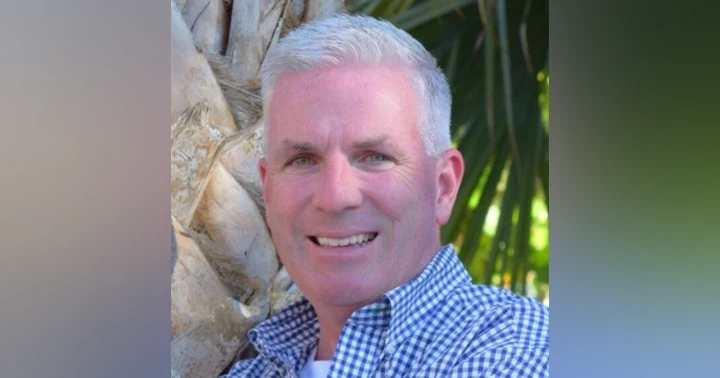
Sean Carpenter: Build Relationships, Solve Problems and Have FUN
How does building genuine relationships transcend the complexities of real estate transactions in today's digital world? In this insightful episode of Real Estate Excellence, Tracy Hayes delves into a profound conversation with Sean Carpenter,...

 Apple Podcasts
 Spotify
 Overcast
 Castro
 PocketCasts
 RSS Feed
 How does building genuine relationships transcend the complexities of real estate transactions in today's digital world?
In this insightful episode of Real Estate Excellence, Tracy Hayes delves into a profound conversation with Sean Carpenter, a seasoned real estate professional with 25 years of experience. Known for his mantra of building relationships, solving problems, and having fun, Sean shares his journey from being a realtor to becoming a sought-after speaker and coach. The discussion pivots around the importance of personal connections in real estate, adapting to technological changes, and the power of social media in nurturing client relationships.
Sean Carpenter, first licensed as a REALTOR® in 1998, has had a diverse real estate career, including a role as Agent Development Director for Ohio NRT and a sales position with Coldwell Banker in Central Ohio. He founded Sean Speaks in 2018, focusing on speaking, consulting, and facilitating, especially in customer experience, social and digital media, and business planning. Recognized by Inman News as a top industry leader and influential in social media by The Swanepoel Report, Sean is also an awarded instructor, known for his passion, enthusiasm, and his philosophy of building relationships, solving problems, and having fun.
[00:00:00 – 00:10:00] The Journey of a Realtor:
-
The evolution of real estate from manual processes to digital advancements.
-
The importance of building strong, personal connections in real estate.
-
Adapting to changes and challenges in the industry.
[00:10:01 – 00:20:00] Embracing Change and Technology:
-
How technology is reshaping real estate practices.
-
The balance between high-tech and high-touch approaches.
-
Leveraging social media for building client relationships.
[00:20:01 – 00:30:00] The Art of Relationship Building
-
Strategies for effective communication and networking.
-
Personalizing client interactions for better engagement.
-
Utilizing social media to extend personal and professional networks.
[00:30:01 – 00:40:00] Navigating the Real Estate Landscape
-
The role of persistence and resilience in real estate success.
-
Understanding the client's perspective in property transactions.
-
The significance of ongoing learning and adaptation in real estate.
[00:40:01 – 00:50:00] Future of Real Estate and Closing Thoughts:
-
Predictions for the future of real estate in the digital era.
-
The continuous importance of human interaction in real estate.
-
Sean's parting wisdom for new and experienced realtors.
Quotes:
"Real Estate may evolve, but the core remains in building relationships." – Sean Carpenter
"In our digitally driven world, the human touch in real estate is irreplaceable." – Sean Carpenter
To contact Sean Carpenter, learn more about his business, and make her a part of your network, make sure to follow him on:
http://www.twitter.com/seancaro
http://www.instagram.com/seancarp
http://www.facebook.com/seanmcarpenter
If you want to build your business and become more discoverable online, Streamlined Media has you covered. Check out how they can help you build an evergreen revenue generator all powered by content creation!
SUBSCRIBE & LEAVE A 5-STAR REVIEW as we discuss real estate excellence with the best of the best.
Are you ready to take your real estate game to the next level? Look no further than Real Estate Excellence - the ultimate podcast for real estate professionals. From top agents and loan officers, to expert home inspectors and more, we bring you the best of the best in the industry. Tune in and gain valuable insights, tips, and tricks from industry leaders as they share their own trials and triumphs. Whether you're a seasoned pro or just starting out, a homebuyer or seller, or simply interested in the real estate industry, Real Estate Excellence has something for you. Join us and discover how to become a true expert in the field.
The content in these videos and posts are for informational and educational purposes only. The information contained in the posted content represents the views and opinions of the original creators and does not necessarily represent the views or opinions of Townebank Mortgage NMLS: #512138.
Tracy Hayes 1:12
Hey, welcome back to The Real Estate excellence podcast this afternoon. I have a facilitator for our upcoming rebar bar camp one coast in the house. He's a realtor, speaker and coach. His motto, it's all about building relationships, solving problems and having fun. He has been a licensed real estate agent for 25 years, recognized in Inman News as one of the top 100 most influential leaders in real estate, top 20 most influential people in social media for real estate industry, by the Swanny pool, if I pronounce that correctly, report for three years in a row now, he has been recognized by the Ohio State of Ohio for his excellence in real estate instruction. He created Sean speaks in LLC in 2018 where he's had over 300 speaking 350 speaking engagements focus on creating memorable customer experience, leadership and growth. Let's welcome Sean carpenter to the show.
Sean Carpenter 2:08
What's up, Tracy, how are you?
Tracy Hayes 2:09
I'm doing excellent this afternoon. Glad to have you on. You know, as I've dug into Kim's roster there and got to know and I'm like, wow, she's really got a really great lineup of facilitators, and I'm really excited to, you know, reach out to as many as I can here in the next few weeks, so our your audience has a little bit of knowledge of, you know, who you are, where you're coming from. And like I said, pre show, they run into the hallway, hopefully, you know, maybe whether they're from Ohio or whatever it is, that they connect with you, and, you know, have a conversation with you and get a little bit more out of out of the RE bar camp. As I always I kick off the show Sean, tell us about, you know, where you from, and then what led you to the University of Florida.
Sean Carpenter 2:52
I'd love to let me preface by saying how excited I am to get down to St Augustine for the one coast re bar camp. You know, it's Kim and her team there, all the volunteers and Northeast Florida area just put on an amazing event. I've been I'm probably one of the longer term facilitators. This will be, I think, my 35th or 36th bar camp around the country. And, you know, this is a big one. It's a big one, and people come in from it. That's one of the cool things about the events like RA bar camps, is hearing the different voices. And I think that's what Kim and her team do a good job of, not just hearing the local voices, but the national voices, because it'll one reinforce what's happening in your local marketplace is working. It'll also give you some insights to what might be coming or what might have worked in other places. So my background, Tracy, I grew up in Columbus, Ohio. My father taught him at The Ohio State University for 29 years until the day he died. I was given a choice on where I wanted to go to school. My parents sort of set some parameters on how much money they were going to pay whether we went in state or out of state. So given that free reign to choose, I wanted to place like Ohio State, but in the south, I wanted a school that was warm and good sports program and had a big Greek system. I looked at Florida, and I looked at Florida State. I looked at Georgia, where my dad went to school, and I fell in love with Gainesville for the moment, I stepped foot on it, decided to go to Gainesville. Was in no hurry to get out. Spent the best six years my life there. No, I'm not a doctor. I just took six years to get through because I figured out a way to maintain the number of credits I needed to be a full time student, but also have some fun. And right?
Tracy Hayes 4:22
Well, you know, I saw that on your LinkedIn, you had 85 to 91 and I'm like, okay, was he looking to be a full time student? What was going on there?
Sean Carpenter 4:31
I just I had a good time. I was very active in my fraternity, and took a leadership role on there. And I was majoring in exercise and sports science, Tracy. So I was thinking, I wanted to go into sports administration, right? I thought to myself, I wanted to get front office of like the Yankees, the Red Sox and the, you know, the we had a Braves or some sports team, and I didn't like, know what that meant. I just as a sports fan. I thought I'd get involved in the sports business. After getting out of college and off hundreds of resumes. I kind of got in the Gulf. Business, worked in the golf shop near my house, and eventually got kind of called away to a course. It was just opening up in Florida. I had my Florida Gator shirt on in the pro shop one day, and it's this guy said, hey, my brother in law is getting ready to open a golf course in Florida. He might need an assistant Pro. So I went down there and got in the golf business after graduation. Was in the golf business for three years. Was not a tour level Pro, but it was in the you know, working to be a professional. Did that for three years at a big resort course in Brooksville, Florida, and then up in Cleveland, at a private club called Avon oaks Country Club. Realized I didn't want to be in the golf business long term, so I got moved back to Columbus and became a beer salesman. Worked for the Miller and Coors distributor in town, called on all parts of the city, but eventually landed the Ohio State University as my state university as my territory. I'll tell your audience, if you're gonna sell beer, pick a spot where there's 50,000 students. That's a good spot to tell me. But I thought to myself, Terry had as I started thinking about cheering and growing up, I thought, well, it's a career that allowed me to drink beer and play golf. So I got into real estate. I was
Tracy Hayes 6:00
wondering, that was one of my questions. What were you doing? You doing between 91 and 97 so you just answered that for me, the Golf Pro, and then beer sales. So your get your fancy towards real estate, someone you know, or you just got an epiphany,
Sean Carpenter 6:14
you know, we had, we'd had a good experience with our buying our first house. And, you know, working the beer business, as you can imagine, it's very similar to real estate. You're working every day, holidays and weekends don't matter. Golf business, you're working every day, holidays and weekends don't matter. And so I was looking for a job that I had a little more, you know, control over my time and my schedule. And you know, it's very cliche to think that, you know, real estate, you're your own boss, but you're really the boss of all your clients, if you think about it, but I reached out to my our realtor, and said, Hey, Bonnie, you know, I'm looking to make a change, and do you think I'd be a good fit for real estate chief? Oh my gosh, with your personality and with your network and with your energy, I think you'd be great fit for real estate so I did some research and found out how to get licensed in Ohio, and my wife and I, you know, set aside kind of a budget to go through the classes. And when I made the decision I was going to do it, I decided I was going to jump in full time. Oh, to the business. Did that nice. My career in a nutshell, I was an agent for four and a half years, very successful, you know, working my way up in the business. And I was given an opportunity to become a branch manager. I take another role of a system manager, but I still got to sell real estate, and so I got to I had to make a decision on if I wanted to leave sales to go into management. Now, we had just had our first child at the time, Tracy, and so I thought to myself, well, to have a paycheck and have benefits was a pretty good opportunity, right? And I did that and stopped selling managed office for two and a half years with the cold maker company
Tracy Hayes 7:43
in Columbus, Ohio. So when, I mean, you've been in the business long enough, training has been a big part of it for reading your LinkedIn and so forth. So imagine you are asked a lot by people who are thinking about getting in the real estate because this is a question that comes up a lot the part time or diving head head first in I mean, if people what kind of conversation you have when someone asks you that,
Sean Carpenter 8:06
well, it is a career, right? It's not a job, it's a career. And so that makes it really difficult to be part time. Now, I won't sit here and tell you that I don't think it can be done part time. I think it can be done part time to a certain level that is a part time success level. But I think if you're going to truly make it a career, a full time opportunity is probably what it's going to take. Now, there are people Tracy that are interested in getting into a career in real estate, and they have visions of becoming a full time realtor, but they maybe can't do it right now because of, you know, bills to pay. They've got college debt to pay. Maybe they've got a good job where they're at now, but they want to start transitioning. Out. When I was a manager, I would talk to a lot of agents who said, you know, Tracy, I'll go full time when I can replace the 40,000 and make another job. Okay, let me get this straight. You're making 40,000 your other job, you're making 40,000 real estate, well, this point, you're making 80,000 Why would you quit either one? What I need you to do is have some faith. Tracy, if you join our company, you join the industry, you get on some success pattern. You maybe make 30,000 your first year or your first six months, or that you have faith that if you could go full time in real estate, that you could drop your other job and go beyond that 40,000 you could go to 6080, 100 and be able to control your your schedule and your time, so the part timers can certainly do it. I think part timers need to understand that part time, if you're thinking part time means five to 10 hours a week in real estate, that can be a challenge. Yeah, if you're thinking part time means 40 to 50 hours a week, and then have another job as well, and be a parent and be a spouse and, you know, stay healthy and play golf and do the things you want to do that can be a big challenge, but it can be done. Some of our best agents in our business today started as part time agents, but when they were able to put 100% commitment into their business, it made them that much better.
Tracy Hayes 9:54
So you from again going back to your LinkedIn, which is your resume you get in the training. Early at Caldwell. Am I correct?
Sean Carpenter 10:04
I did you know our role back then, early 2000s as a system manager was to help the manager was recruiting and with training classes, right, teaching new agents the tools and technologies early because I was a kind of a rising star agent. The director of training at the time invited me in to teach open houses to the new ages like a guest speaker, and I started enjoying that, and the agents really responded to my lessons and ideas, and so they asked me to teach a couple of classes. When I became the branch manager, I was able to do our own trainings and our meetings and stuff like that at our office, much like Kim does at her Fleming Island office. Great job with and I really started in those two years of managing Tracy, I realized I loved the coaching and training part of the job, but I kind of hated the managing part of the job. I hated the P L, I hated the staffing. I hated the and hate the staff. I hated this, you know, setting up the schedule and responding to the alarm at three o'clock in the morning because an agent left the door open or, you know, those types of things. So our President, at the time, had been watching our office. I've been watching the way I led meetings and trainings and helped other agents and other company or other offices with their trainings. And I was given the opportunity to become the director of education for our companies in Columbus and Cincinnati. So I was able to kind of expand that role, and was luckily given kind of carte blanche to build the training program that I thought agents of the time needed. And so I started teaching our new agent training. I started teaching our experience agent training. I started doing our company events and workshops around the offices. And see,
Tracy Hayes 11:33
let's read, let's go back to that time a little bit in what you were doing. Then, of course, you know the technology. You know now, or 20 some years from that, when you first started and taking that director position, obviously, I assume over other train, your training, trainers as well. Here, what are some of the things that you besides I got, well, I say, take, let's take technology out, because obviously we are your trainers now, are teaching a lot of technology and the different apps or different, you know, the different things that the tech stack that everyone has, but the market at that time, 98 2000 early, you know, before the collapse of in 2070 what they were training on then versus what they're training on today. What kind of things are you noticing difference or things that you were training on that are so much better today? Because, you know, because you just advanced them, you just made them better.
Sean Carpenter 12:31
Well, I think the first thing is, what I'm training today, when I'm training 20 years ago, when I was probably trained 5060, years ago, when the industry was much different, is that it's not a house business, it's a people business, it's a relationship business. It always has been. It always will be. The fact is that we work with houses. That's the widget that we work with in real estate, but it's about the people that live in the houses, people that live in the apartments, in the town homes. And so the relationship aspect of the business is really where everything starts, right? You can have the best technology in the world, but if you can't have a conversation face to face, nose to nose, the old fashioned toes to toes, with a buyer or seller, it can be very difficult to succeed in this business, right? There's a lot of businesses in 2024 where we stand today, that can be done without any type of manual human interaction, right? But a real estate transaction, the biggest transaction someone's gonna spend money on in their entire lifetime is it's built on relationships, but the database is different now, right from an old fashioned Rolodex, which a lot of our viewers today might not even know what a Rolodex is, right? But a Rolodex is that pile of business cards right in that wheel of, you know, connections. And I still use, you know, a paper, you know, planner, and so, you know, whereas having a CRM now the MLS was in books and not on line, you know, this is, you know, this was kind of pre Internet, and very early internet. And so that's what's the same is, it's still about the ripple effect, right? If I know 100 people and they know 100 people, I'm only one contact away then from 10,000 people. If those 100 people know 100 people, I'm only two contacts away from a million people. But the key is, as you know, Tracy been in the business long enough to know I'd rather know a lot about five people, then nothing about 500 because if I can know a lot about five people, their name, their kids, names, their spouses, names, their pets, names, where they went to college, their sports interests, you know, hobbies and you know, their favorite beer, those types of things, those people are going to turn around and tell their tribe about me. If I go back and try and meet their try without going through them. I'm a total stranger, but if I, if I use the ripple effect to grow my business, that's how people can have a successful foundation the business, then they can leverage it with technology and experience and confidence and competency.
Tracy Hayes 14:55
You know, we're in our 50s, you and I and you were. Um, did I pronounce that right? The 20 pool, yes. Swan pool, yep. Swan pool. Is that? As for the report, puts you as an influential, you know, social media person in real estate, that's the big you go to any I would say nine out of 10 trainings, it seems maybe not that high, seven out of 10 trainings that's offered for the real estate agents, wherever is talking about social media, video, you know, get out there, you know, stick, you know, do you use it as a tool? How did when this started? Because this evolved in your 25 years now, the social media involvement, I guess, you know, you probably, I'm thinking post 2010 I mean, we, nobody was really doing, you know, email wasn't even around until, you know, the mid 90s, where people were regularly AOL and stuff, was starting to become a regular thing. It really wasn't until incorrect me, I'm wrong. You know, 2000 teens before the social media platforms are coming around. Yet, lot of people still don't know how to use it, and there's so much room. How, what kind of attitude did you have at first? Did you say like, Oh, my God, this is a blessing in disguise. This is just a you know, you know, and jump into it. Or did you take some time to figure out, well, we can actually use this as a tool in real estate?
Sean Carpenter 16:15
Well, you mentioned it in my intro. My philosophy of real estate is, build relationships, solve problems and have fun, right? I think when people ask me, How do I succeed in the business, I say, don't focus on listings. Don't focus on sellers. Don't focus on get referrals. Focus on building relationships, solving problems and having fun. If you do those three things every single day, the listings, the buyers, the referrals, will happen. Social Media gave me an opportunity, Tracy, to realize that I could build relationships further and faster and freer with people than I could one person at a time in Columbus, Ohio, right? I could network with other agents. I could network with high school classmates and college friends, and people had similar interests and similar stories and similar dreams, and so creating that network. And then once you have it, though, not treating it as a are you a lead? Right? It's can we build a relationship so that over time, I might earn top of mind awareness from you as a referral source, as a information source, as a guide, as a support person. And you know, you won't see a ton of me on social media, dancing and doing lip sync shows and things like that, which not saying that's wrong. It's just a different approach. I use social media to extend my brand. My brand is more than the coal banker company I work for. My brand is I'm a realtor. My brand is cold banker. My brand is Ohio. My brand is Columbus. My brand is University of Florida. I went to school. My brand is golf. My brand is beer. My brand is top paying, Heartbreakers, all those things and so on social media, I can be that. I don't have to be just Sean Carpenter, talking head, realtor. I can be father, husband, child, you know, son. I can be these types of things, you know, that are who I am.
Tracy Hayes 17:59
I imagine you. You teach some social media classes. Obviously, I don't think you top Tony, influential person, unless you're instructing. Is there actually, you know, I haven't heard it recently, but for a while there they, they people wanted to come out and say, Oh, you need to do it this way. You need to do as a guest I had on last week, she really felt her Instagram was one of her ways, obviously, staying in front of her people, and she didn't split business with her personal obviously, she watches what personal stuff she puts on her Instagram page, but she wanted to feel that her influence was over her friends and reminding her friends with some personal stuff, but also reminding her that they're that she's a real estate agent, and this is what she does. What is your ideology? What is your thought process? Is there a set way? Or when someone says, Hey, how should I set up my Instagram page? What kind of conversation do you have with
Sean Carpenter 18:57
Well, I'm all about having just a personal page. I don't have a business page on Facebook. Never have I never will. Now, once again, if you're going to advertise on Facebook, if you're going to use the advertising and the marketing tools that Facebook provides, you have to have a business page. I've just never, you know, felt that I can be Sean carpenter realtor, but I'm also Sean carpenter for Florida Gator, and I'm also Sean carpenter dad and I'm also Sean carpenter. So how do I splice that out? I want people once again, that ripple effect goes across all those channels, and I don't have any, you know, there are there some things I don't share, yeah? But am I pretty open to sharing that I am a beer drinking sports fan with a good sense of humor, yeah? Because that's who I am. You know, here, when you're genuine and true to who you are, right? I'm a beer drinking sports fan with a good sense of humor, right? That's kind of humor, right? That's kind of one of my taglines. You know what? Like to hang out with other beer drinking sports fans with good sense of humors? Because, you know who they like to hang out with other beer drinking sports sense of humors. And so I can't find my audience, right? I mean that. So if you're a church, if you're a church goer, if you're a gym rat, if you're a you know, if you do a lot of volunteering, why? Wouldn't you want to put that on your social media? Because that's the kind of person you're going to attract, right? And, you know? And my whole approach with social media is, let it be a vision into who you are and what you do when you can take the online offline or take the offline online, and they're the same person, like I like to say, Does your digital twin look just like you? Right? If someone follows me or has been following me for a couple years, and then they run into me in St Augustine at the end of the month at Ari bar camp, and they say, Man, carp, you're exactly like I imagined. You know, when I see your videos on YouTube, when I see you do a occasional reel here and there, when I see you post a story or a question on Facebook, that's kind of exactly what I expected. And you've probably ran into people that they're not like their social media. They're completely different on social media than their own person, and it could be good or could be bad. You know, one of the easiest tips or techniques I train people on is, if you want more engagement, specifically on Facebook or Instagram, use more question marks and fewer periods. Let me say that again, use more question marks and fewer periods, because if I can ask a question to my audience, whether that's on a reel or on a video, asking your question, like, hey, leave a comment below on you know, whatever or I ask a question with a question mark at the end, it prompts people to reply. The more people that respond to my posts, the more I'm going to show up in their feed, because they're telling Facebook or Instagram that I want to engage with this person. So show me more of this person's stuff, if then I can respond to their responses, I'm creating a more of a frictionless, two way street on social media for the algorithm to push the two of us up into each other's thread. And if you're going to try and quote, unquote, use social media to get business, then you need to show up in front of people more often, because everyone listening to us. Tracy, everyone listening to us, every one of their clients, everyone of their past clients, everyone their souls members. They all know. 10 realtors in there doesn't mean they're going to use them, but they all know. And so if Joe Smith out there or SALLY JENKINS out there slowly starts falling off of that person's Facebook or Instagram feed, but Jack Jackson with XYZ real estate does show up in their real estate feed, there's a chance on the day they need real estate help, and Jack Jackson shows up, and Sean carpenter doesn't that
Tracy Hayes 22:27
call went somewhere else. That's really brilliant. You know, I've heard that before. It wasn't until you just said that, and I'm thinking about some stuff I just posted, because I'll cut reels from this. Everyone I talked to, I, you know, cut, you know, the nice sound bites and so forth from it like that. And I never it just rang with me. I need to be more intentional with the question marks, like you said, so you will get a few responses. And then, of course, I assure you, recommend in your classes, when someone does respond to them, go back and take a few minutes every day if someone, actually, you know mentioned something under one of your posts to respond to them, not just do the like or love or whatever,
Sean Carpenter 23:09
and listen when you're scrolling through your feed right at nighttime, you're just kind of blindly scrolled through your feed, and you see a post and it's got two likes and the next post has seven likes And one comment, and the next post has 64 comments. You pay attention to it. You say, Wow, what are all these people saying? Right? And then you go through the comments. Now, what if I ask a question? I like to ask sports or music questions, those are great to engage people. Right? Food questions are good. Travel questions are good. If I ask a question, let's say 45 people respond, and then I go back in and respond to all of their responses. All of a sudden, when you're scrolling through later today, it says 90 comments. That's when you're going to stop on you add your comment in there. You realize in the thread that one of your co workers or neighbors or friends from the gym is a friend with Sean carpenter. You then connect with that person. Say, Hey, how do you know Sean? He goes, Oh, here's realtor two years ago, right? And you're creating a network that Venn Diagram of connections inside
Tracy Hayes 24:09
your connection. Facebook is brilliant at, you know, the even if they made a comment, or even if they liked it and didn't even comment. But you also go in and even just like it, it pops up in your little, you know the whatever the little area says, hey, you know your friend like that post as well.
Sean Carpenter 24:29
And that's, well, that's why the note, that's why the questions work so well. Tracy, because if I ask a question, let's just say I post a question this morning, and 45 people respond. You were one of the first to respond later tonight, someone that we're mutual friends with, let's say Kim nap responds to the post. Because you guys are mutual friends, it you're going to get a notification saying, Kim Knapp just commented on Sean Carpenter's post. Prompt you to go back and see what Kim Knapp said, or you're going to say, oh, did Sean ask another question that I didn't respond to yet? And so. Right? It keeps people kind of going back and forth, which keeps you moving up that algorithm feed to stay on their page. Same thing with Instagram stories across the top of your feed, right? The more you post and get watched, the more Facebook or Instagram pushes that to the top left of your phone, because it says every time Sean carpenter posted a story Tracy has clicked on right So Sean Carpenter has a new story up top left for Terry.
Tracy Hayes 25:27
For those listening to be more intentional in that, and I don't know who I was listening to, I think is one of the gentlemen have the big YouTube channels, but make some write a little bit more write a complete sentence in your comments. Is that something that also adds to it? Yeah.
Sean Carpenter 25:46
Katie Lance, my friend out in California, is a national real estate social media trainer. You know, she recommends four words or more on your comment right to have it come and have traction with the algorithm. So if you post, you know, a picture of a dog, and I put cute puppy, and that's, it's not going to pick up if I say, Wow, what an adorable puppy. Where did you get it? Or what's his name? Or, you know, does it like shoes? Or, you know, is it potty trained, or whatever, it's creating more of a feed. So just next time you're going to say awesome hairdo, or cute pick, add two or three more words to it to make it to make it a little more authentic and have some traction.
Tracy Hayes 26:25
It really brings right again, seems a gentleman's name is going to come to he has a big he produces a lot of YouTube, but he also trains a lot on the YouTube is social media is designed to be social and more you interact with, you know, obviously the people you're trying to influence. For me as a mortgage lender, I want to respond to all the real estate agents right when they post whatever and interact. So I'm constantly popping in front of them. As a real estate agent wants to pop in front of their, you know, well, their friends and family and, you know, past clients and so forth, be constantly being social with them, because that's what social media is about.
Sean Carpenter 27:05
And that's, once again, that's we're taking the online offline. That's a simple little thing to remember, take the online offline. So when I'm scrolling through Instagram today or Facebook today, or Twitter today, and I see that you mentioned that you just had your best round of golf, you know, in your lifetime, you shot a 75 on, you know, Ponte Vedras ocean course, I could comment on that and say, Great round, love that course and be among the 65 people that commented. Or I could swing by your house tonight with a six pack of beer and a cigar saying, congrats on your career best round, right? Yeah, a month now, a week from now, which one you remember the 54th comment on your Facebook post, or that afternoon you're out having a cigar on your back patio, and you remember your buddy Sean
Tracy Hayes 27:48
who dropped off the cold beer? Yeah, no. 100% there. I This was on your LinkedIn. I wanted to ask you about it. It looks like something you if I recall, you are an organizer or CO organizer of High Tech High touch success conference. Tell us about that. Yeah.
Sean Carpenter 28:06
So Jeff Chalmers is a lender of the Boston area. He and I become good buddies to the Inman Connect world fellow ambassadors. And couple years ago, as we were kind of coming out of covid, we wanted to get in person events going again. And so we thought, well, what? Where's the real estate industry today, right? It's high tech, for sure, but it also is high touch. And there are agents that are really good at high touch. There are some agents in the industries that are really good at High Tech. And if you can put your feet in both those cubes, Tracy, I think you realize I can probably win more than if I just go all in on one or the other, right? And so that's kind of where it evolved through. And so our first one was in Buffalo a couple years back, and Jeff's done a couple since that. I just wasn't able to attend. But it's a mixture of conversations about not just lead gen, the obviously important parts of the business, but referral business and RPR and using video and leveraging technology and starting to leverage AI to, you know, be more successful. So it's just, it was a fun event that we started. And it's funny, you're looking at my LinkedIn a lot, that must be a source you like to go to when it comes to social media and stuff like that. I mean, you could be really good on a couple of social media channels, but you can't be great on all of them. And so to our listeners, to our viewers, to people we'll talk to. Mark camp, you know, I would be really good at a couple, but I wouldn't try and be great at all, right? I'd rather see you be good on one or two than suck on all of them, right? And LinkedIn is one that I just, it just hasn't, kind of, it doesn't energize me, doesn't catch me. So I try and get on there every other week and post something. So I have some relevance. But I know a lot of people like you maybe go to look at the profile, go to look at the resume, go get the information there. Did you? You know, it is probably the best place to have your your work expertise, right? But you know, if I had to, if I had to rank social media, you know, I'm probably two. Twitter or x is it's called now, but I still call it Twitter. Twitter is my first and foremost, because I just love the fast paced speed of it, and I get to kind of control who I get to follow and read. And then Instagram and Facebook, I think, are interchangeable, and then probably LinkedIn.
Tracy Hayes 30:15
Would you imagine you get this question too in some of your classes, in years, from your students, or just in general, like you said, every agent. I mean, every person knows you know eight or 10 real estate agents. I mean, especially here in Northeast Florida. I mean, I swear to the neighborhood I lived in for the last 15 years. Every top agent has lived in there at one time or another, because was, like the newest community in that county, one of the most popular well, just up the road from where Ari bar camps can be. And so every everyone knows eight or 10 agents, and their attitude may be, well, social media is, it's over saturated. There's, oh, there's too many agents on there. How do you respond to that? That you know, there's importance to have a presence there. Well, there's
Sean Carpenter 31:02
importance of a presence there. But for the right person, maybe I want to be active in my church or synagogue or house of worship. Maybe you want to be active in my kids schools. You want to be active in the local charities. Maybe I want to be that regular at the pub, right in that little town of nakati, or wherever you're talking about, right? That is that you know, where everybody sees you be. You know, be a be an advocate of your local brewery scene, which you guys have a great brewery scene there in north northeast Florida. You know, be an active member of your country club, right, where you play golf a couple different times a day. You got a force that you play with on Saturday, but you also got a men's league or a mixed couples league that you play with on Tuesdays, and you go to your bourbon tasting on Thursday. And the people at the club know you, and the staff knows you, and social media is just one other source of relationship networking, right? I mean, we people think farming only as geographic farming, but you can farm people as well. You can farm, you know, I went to school University of Florida, but I lived in Columbus, Ohio. I lived in the shadow, still to this day, live in the shadow of the Ohio State University, but for three years, Tracy, I was the president of the greater Columbus Gator club. So I was in charge of the Florida Alumni Association in Columbus, Ohio. Guess what the University of Florida Alumni Association sends to the president of the greater Columbus Gator club every year a list of names, addresses, emails and phone numbers of people that have been
Tracy Hayes 32:20
president of my alumni. I graduated from the Citadel Military College of South Carolina. I've been President for my club here in Northeast Florida for over a decade. Yeah, I'm with you there.
Sean Carpenter 32:29
And think about that. So anyone who comes from Charleston down to Jacksonville, which could be a pretty good military you know, coming down to Mayport or Jacksonville Naval Air Station or whatever, I mean, that's a great network. And Citadel is. Look, if someone from the Citadel was scrolling through three different websites today, mine doesn't mention Citadel, and Kim's doesn't mention Citadel, and yours does. They're going to see the word Citadel when they click on your page before anyone else sees it.
Tracy Hayes 32:54
Yeah, yeah. I guess where I was leading with the question, would you agree? And you can expand on what, how you the point the social media is a long term game. It's not, hey, I bought a bunch of TV ads for the Super Bowl, and I'm gonna get phone calls off it like, you know, rocket quick and loans might do, right? And get calls instantaneously as soon as someone sees that number. Of course, when refinances were more around, they probably would. But from a real estate standpoint, even for me as a mortgage lender, it's a long term play, and consistency is the key. How important is the consistency?
Sean Carpenter 33:32
Oh, I mean, consistency is, I think, one of the foundations of the trust we're aiming for in this business, right? There's 3c to trust in our business. 3c to trust in the world, right? There's confidence, there's competence, and the most important see is consistency. I think you know, because once you have competence and confidence, you got to keep showing people you are continuously getting better and more knowledgeable about what you do. So social media is that ever revolving billboard that is changing every day. But it also creates this chronological, you know, I can go back and see what you tweeted about a year ago. I can go back and and look at your Facebook post from last month. I can look through your Instagram profile and scroll down the main feed and see all the pictures and videos and, you know, reels you've done. So I think it's incredibly important, you know, the other, you know, the one thing I've, you know, when it comes to consistency, I blog. I've been blogging since the year 2000 right? My next blog post that I rate next Monday because I write one every Sunday night that appears on Monday will be, I think, my 12 120/9 blog post. Wow, that's consistency. That's not missing a Monday for eight years, right? You know which, which? If someone started reading my stuff today and they liked what I said, they can go back and read last week's, then go back and read before that, and then go back and read four years from now. And you know, I have a feed on my social media on my phone. It's called time hop, where it goes back and tells me what I posted on social media on this date. Last year and the year before that, year before that. And so each day is a different kind of memory, right? So I find some of my old blog posts were posting a year ago or six years ago today, and I go back and read it, I'm like, I'm gonna share that again on social media. That's still relevant today. Well, that's a good story. That's good memory. So the consistency of my blog has earned trust with my audience, because they know every Monday in their inbox, they're going to get a post from carp's
Tracy Hayes 35:25
corner the I think that's one area of social media that is not utilized enough, and that's the repurposing of it. Like you said, you going back to a blog post you did 12 months, 18 months, 36 months ago, that's still relevant today in the industry and in the reposted again. What are some other areas you know, you're speaking to agents, and the other thing I talk about them a lot with is, if they're doing video to be in the video, do you think that's important? Yeah, and
Sean Carpenter 35:56
that's hard people, right? If some people just don't want to be in front of the camera for whatever reason, ego, lack of ego, you know, anxiety, whatever. So you can, I can do some good videos. Certainly. You can do some community introductions. You can do some, you know, from behind the scenes narrating. You can even do a voiceovers, B roll footage and things like that. But I isn't, you know, because I think I couldn't name them. So I don't live in your city, but whoever is the sportscaster on NBC, or the you know, or your local, your morning anchor on the CBS affiliate, right? If you ran into them at Publix this afternoon, you'd almost feel like you know them, because you've seen them every day in your house, in your kitchen while you're making your coffee, right? And so that video that, if you know this, may date us, but if Tom Brokaw or Ryan secrets or somebody walked in right now, we would feel like we know them, because they've been in our homes. They've been on our phones. So I think that is a big piece of it, yeah. So if you can be in it, I think that does add value, because then people see it as you they see your voice, they see your style, they see your manners. They see your confidence. They hear your confidence, they feel your confidence. I think that's pretty powerful. But however you show up, wherever you show up, it's that you show up, right?
Tracy Hayes 37:09
This is one area that I talked because obviously one of the main subjects in over 150 some agents in your episode 164 they weren't all agents, but is your social media comes up however they're leveraging it. I've had agents that really aren't doing much at all. Some are doing a lot, you know, get on. But one area that typically isn't brought up, in my opinion, I think is important, is YouTube. And you know, whether you're doing some short form, or doing the shorts, because it is a search mechanism. You know, obviously go on Google. Google owns YouTube. How do you what's your feelings about YouTube and what should be there?
Sean Carpenter 37:53
You know, I love it. I use it all the time. I use it as a consumer all the time, right? Because it is that number two search engine. I use it for, you know, how to change the batteries in your, you know, in your lock that the
Tracy Hayes 38:06
other day, her FOB for her car had to go on there.
Sean Carpenter 38:11
Yeah, we had to reset our, you know, our garage keypad. And I watched on YouTube, I would, you know that that would be a good goal for me in 2024 is to do more videos much like this, because then you have something, an eight minute video, a six minute video, a 22 minute video to splice up into shorts and reels and blog posts and AI. Now it makes it even, almost even easier to synopsize it, cut it, you know, yeah, segment it out, and it could be as simple as you know, me reading my blog post on, you know, a teleprompter, and then using that video and cutting out that 92nd that 32nd that 62nd opportunity. Look, I mean, today's consumer, tomorrow's consumer, right? My kids, you know, they'd much rather watch a math class, then go to a math class or listen to a math class, right? They much rather watch a video about something you know are whether you like it or hate them, tick tocks and reels are nothing but little stories, 30 seconds, 60 seconds, 15 seconds long, right? But you know what consume? You know what tomorrow's generation isn't doing. They're not reading 22nd stories. They're not reading short stories. They're watching it. They're listening. They're being part of so I think we can all learn that video is, you know, listen, we don't think of YouTube as a social channel, Tracy, but it is probably the most social channel out there. And here's what I mean by that. I don't know if your parents are still alive. My mom's 87 years old. She doesn't do Facebook, she doesn't do Twitter, she doesn't do Instagram. She can watch videos on YouTube, yep,
Tracy Hayes 39:48
but it's like, I mean, we get things, you know, we buy appliances or whatever. They don't even have instruction manuals with them anymore. They just give you the YouTube channel, which
Sean Carpenter 39:57
actually is kind of better, because I can pause it, I can rewind it. I can watch it again. And, you know,
Tracy Hayes 40:03
seeing somebody do it for some black and white schematic another paper really helps. Or say, Hey, you have to tweak it just a little bit like that to make it fit in there. But I also, from the standpoint of it being a library, and, you know, obviously you can go into your library and pull a book out and send somebody that link, like, hey, they have a question about, you know, insurance in Florida or something. Maybe you've done a little video or something, and you just send them that little five minute video talking about insurance in Florida. So it's not only you saying it, but they're also able to listen to it. And there's I found when I from a mortgage standpoint, the video aspect even going beyond YouTube. While I was working with a large builder, and, you know, obviously their house is not going to be completed for 810, 12 months or whatever, we still had to put the loan in process and get them approved. So the disclosures would go out. They're not really in a rush, but I would actually do a video going over to disclosures, send it to the white husband and wife. So both of them are watching the same video, hearing me say the same thing. So you don't have two different people hearing two different things or thinking the other person's not telling them everything. You know, we have that kind of thing going on. And just the utilization of video to simplify it, because, like you said, they I've had many people, because it tells you, on bomb bomb, how many times I watched it, yeah,
Sean Carpenter 41:21
yeah, yeah. I think it's, you know, super smart. And think about this, if you if I had a question, let's say I was a client of yours were in the middle of a loan, and I say, you know, hey, Tracy, what is you said? The next step is underwriting. What does that mean? You say, Sean, you know what? I'm gonna send you a short little video, 90 seconds you and your wife can watch it. Gives you a quick understanding. I watch that video, and at the end of the video, it says, Watch these five other videos about the home buying process from Tracy, yep. And all of a sudden, I watch all six of those. Then two weeks later, at work, one of my co workers says, Hey, we're thinking about buying a house this spring. You have a good realtor, you have a lender. Do you have a good home inspector? Whatever? And I say, Yeah, my my lender. In fact, let me send you his link to his channel. You'll be more educated before you even start with him, right? I mean, that's how you get upstream, yeah? Is you have those that content. My son is gonna be a golf pro, right? And the amount of content on the golf swing that you can find out there is incredible. Right handed, left handed, slow, fast swing, tall swings, skinny swings, you know, it's amazing. And then you can find that you can hone down, you know, my swing to he can show me what Roy McElroy swing looks like, and Justin Rose's swing looks like, and use that, you know it so it becomes a tremendous tool at your fingertips.
Tracy Hayes 42:38
What are three things that new agents need to know before getting into this business today,
Sean Carpenter 42:44
that it's a local business, that the first thing they should try and do is make more mistakes, which sounds counterintuitive because they pre licensing school and they scare you. You're going to get sued for everything. The agent that's afraid of making mistakes is probably not going to do anything enough to, you know, you're going to make mistakes. And I'm 25 years in the business, Tracy, and I still make mistakes on, you know, you try not make any legal mistakes or any lethal mistakes. But other than that, you can learn from them. And then obviously, just have a mentor or someone that you can and that can be a virtual mentor, that could be a podcast or, you know, a show like this that you use as a resource. Could be a YouTube channel. It could be, you know, somebody outside the real estate business, someone who's in sales, someone who's in leadership, someone who's in you know. So I think those would be, remember, it's local, you know, make some mistakes. Have a mentor show up in this business. Unfortunately, one of the byproducts of the covid generation is they've taught us that we don't need to be in person anymore. And I think the agents that could be in person show that confidence and competence leverage technology in a way that they you don't need to overwhelm people with technology, but help it. Help you. Those would be some things I think that would if I was, you know, starting with a new agent tomorrow, those would be some things I'd reinforce.
Tracy Hayes 44:02
I imagine, in your 25 years, you've trained different people at different levels of where they're at in their career, whether you know, today's their first day, or they've been doing this three years and you know they're coming, you're trained. They're trying to keep moving forward. What I have seen with a lot of the because I have a lot of top producers on. That's why, you know, I bring them on, because they're above the average, but all of them have reached a lid at some point in their production. When you're training someone you know, because there's a lot of agents who just think they can do it all. What are some advice do you give? Or when it's time to maybe dump some of that stuff you don't like to do, or is more administrative and not, you know, getting you that next sale? What do you how do you coach them through that? What are you training on that?
Sean Carpenter 44:51
Well, let's talk some basics that this is, once again, this is super fundamental or basic, but there's two things an agent does with his or her day. And I would assume it's probably the same in your business. In the mortgage side, there's two things. If I followed any agent around in America, top agent to the most experienced rookie, I could take a legal pad, draw a line on the middle and write down everything they do on one side or the other, either do business development activities or business support activities. That's it. Everything falls into business development or business support. Now what do you think Tracy knowing what you know, what do most agents spend most of their time doing each day? Is it development
Tracy Hayes 45:25
or business support? I would I'm gonna guess support. You're exactly right. Why do you think that is why there's such a small percentage that are really successful?
Sean Carpenter 45:33
Yeah, the reason why that is is, first of all, it's easier. It's don't get me wrong. Yeah, let me make this very clear. It's got to get done. You've got to do the business support stuff. We got to get the deal from contract to closing. So we've got to do that thing. But the reason why most agents spend most their time on business support and not business development, is because there's no rejection involved in business support. Being on MLS today for three hours is never going to say no to you making a flyer in Canva for an open house you have coming next week. Is never going to say we already have a realtor being on Tiktok thinking of your next great video. Is never going to say we're going to use somebody else. But here's what I know. 25 years in the business, if you spend all your time on business support and not business development, there soon will be no business to support. So you've got to say, my time, my energy, my focus every day, needs to be on business development. How can I put like a farmer, put seeds in the ground that could turn into business and then how can I leverage systems, whether that's virtual assistant, whether that's technology, whether that's in person assistance, leverage them to do some of my business support stuff, so that I, like most agents, can spend more of my time with customers and clients in my community, at Charity, at the school, at the local pub, doing more face to face, putting seed in the ground that could turn into business tomorrow, next week, next month or next year. Right? A farmer every day needs to prune and fertilize and water, but it starts by putting seeds in the ground, right? They just farmers. Don't just wake up one day and say, I want to be a farmer, and then tomorrow they have a crop. It's not how it works. They have to, you know. So the handwritten notes that I wrote today and yesterday that could turn into business next week, next month or next year. The Social Media touches I made this morning could turn into business next week, next month or next year, but each time I put a seed in the ground and water and fertilize it, there's a chance that my name popped to the top of someone's mind before someone else's this because they just saw something from Sean carpenter in their mailbox, in their inbox, in their social feed, on their voicemail, in person, right? And so it's that consistency and those touches. So that goes back to the question of, are you doing business development activities every day, or are you just stuck doing business support? So if I can find ways to manage around my weaknesses, right, focus on my strengths, manage around my weaknesses, and do more of the things I'm good at, right, which would be for most of the top agents, face to face, nose to nose, toes to toes, Belly, belly. Conversations every day. But when it comes down to it, look, we just, you know, we just turned into the new year. We're 49 days away. I think, as we record this from the day the pitchers and catchers report in Major League Baseball, right and in the state that we're in right now, in Florida and across the country, in Arizona, in about two and a half months, the best baseball players in the world are going to show up. The best baseball players in the world, Tracy are going to show up in Florida and Arizona. You know, they do for the first three weeks of practice. They're going to practice the basics, throwing, catching, running, hitting, they're the best baseball players in the world, yet they're going to practice the basics, things you learn in Little League. Why? Because that's how you become the best baseball players in the world. You get really good at the basics. And so the top agents I coach, circling back to your question, the top agents I coach, when they start hitting that lid, when they start saying, I can't do anymore, they could delegate out the business support stuff, or they can go back to what they're good at, and that's the basics. Breakfasts, coffees, lunches, happy hours, staying in touch with past clients. Here's a simple little thing. I was just I did five coaching sessions today, one of my agents, you know, I said, to get to the next level, you have to do more than you did to get here, right? I looked at her business last five years, I said, in the last five years, you've had 88 buyers, right over those of course, the last five years. So let's assume all of them still live in the house that she helped them buy, if she stays in touch with those people enough, consistently through the different channels. Tracy, imagine if each one of them knew one person this year that was going to buy or sell in the house, just one person in their neighborhood, at their work, in their family, in their peer group, one person that's 80. Just by staying top of mind, by doing the basics I was.
Tracy Hayes 50:00
Just thinking, even if those 88 people sent her one person in the next three to four years, you know, it would move the needle for exactly, you know, she couldn't handle every one of them giving her customer, plus new customers that she's gaining with her own advertising or lead by or whatever it may be that she's where she's getting them. Yeah, that seems to be the well, it is the theme, how often, in this case, you got 88 buyers there, how often you know, or you know, what Caldwell may you guys have a plan or a system involved, how often should they be touching them? And that could be, you know, an email, a generic email, through the CRM, a phone call, whatever different ways to reach out and touch them. How many times a month or year should they? Should she be touching those? Ada, people?
Sean Carpenter 50:53
You know, that's a great question. And there is, I don't think there's no one answer that appeals applies to everybody, but I've the number I would put in people's heads is 1616. Now think about this, if I'm going to aim for 16 touches with my people in my database, my past clients, I can automate 12 of those, right? I could send a e newsletter each month. I could send print, copy newsletter each month, right? There's 12. I'm not the smartest guy in the world, Tracy, but the average human being has one birthday a year? Right? If I call the husband on his birthday and the wife on her birthday, if they're married, I have an anniversary. And if I sold them the house, there's the anniversary when I sold them the house. There's four touches right there, right? Our phone call face to face. Now we're at the 16. So every other touch then is bonus. At this point in time, I want to try and mix up the Senate for the email newsletter or the print copy newsletter in the mailbox. There's six channels. You heard me talk about them throughout this conversation. Six channels I have of talking to you would be face to face, voice to voice, screen, which is me texting my screen to your screen. There's inbox, there's mailbox, and there's social media, six channels I can talk to you on right? I want to show up in front of you. Tracy on all of them, not every day, all of them. But I want it to be where, when you see Sean Carpenter, or when someone brings up Sean Carpenter, you say, Man, I see Sean carpenter everywhere, because I was in your mailbox last month and I was in your email box earlier this week because I sent you a just listed card, or I sent you an update about the neighborhood, or I sent you something else, and you saw me on social media, and you saw me the kids school event, and you got a handwritten note for me on your birthday last week, and I called you the other day, and all of a sudden it's like, Man, I see Sean everywhere, but I'm not really everywhere. I'm just not in the same channel. So many people in our business, they get stuck in one channel. They say, Oh, I have Tracy on my email drip campaign. He gets an email from me every three weeks. If I'm sending you an email every three weeks and you're not ready to buy or sell real estate, you hit Delete or unsubscribe. And I think, Oh, nope, Tracy's my guy, because I send him an email every three weeks, or every five weeks, or every six weeks, or I send him my just listed cards. Every time I have a listing, I only touch it through your mailbox. I'm missing all those other opportunities, right? Does that make sense to you that I all those channels?
Tracy Hayes 53:09
Well, you don't know which one you're going to connect with, right? They may love social media, they may love a text message, but in most cases, you really don't know yet what is their preferred Avenue anyway, yep, right? Yeah. And if you're not hitting them in the preferred Avenue, you're hitting them in this, you know, hundreds of emails that we get a day in our personal email. Yeah, they may be just deleting you or unsubscribed because they're just trying to clean out their mailbox.
Sean Carpenter 53:36
Yeah, four and a half of those channels I can use through this phone, right? I can get you on texting through the phone. I can get you on voice to voice through the phone, and get you an inbox to the phone I need. I can get you on social media to the phone. That's four. I can't really get in your mailbox unless I use an app like post a gram to send you a postcard from a picture on my phone that comes to your mailbox, right? I can't get face to face with you, but I can't get face to face with you if I send a video text or do FaceTime, so I can get face to face through this device. So really, five of these channels I can do through my phone. The only one I can't do is face is mailbox. But once again, I can do mailbox by sending a picture a postcard through post a gram, or send out cards or something like that. So it's mixing up the channels, aiming for that 16 touches a year, making them relevant, making them not pushy, right? The 12 email newsletters could be about my market could be about the could be fun activities. Could be anything. Could be real estate related, maybe six real estate related. 600 real estate right? The phone call on your birthday is genuine. The phone call on your wife's birthday is genuine. Happy Anniversary and home anniversary. What a great one
Tracy Hayes 54:42
you may have summed up for this question. But in case you have something you want to add to it, because obviously building relationships, memorable customer experiences, is part of you know what a lot of things that you train my question that I had put down here was building relationships. What are a few small things agents can do to get to. Bigger results in the relationship building. And when I say relations, my thought is a little more, you know, yeah, they know who you are, you know, they get in the email, but that's not really. I mean, they may have had a good experience with you. So like, Hey, he's a good realtor. But how do you take it to another level when it comes to relations? What are you finding around people you talk to the other re bar camps, just a couple of things that some agents are doing that's getting just really big results when it really when it comes to
Sean Carpenter 55:29
relationship building, you want to one of the simple ones. Tracy, yeah, a couple simple ones. And then pretty much remembering people's names, remembering people's names. Good one. It's the one thing in this world that everybody takes ownership of you could lose everything tomorrow in your business, and you tell your name. Think about this, Tracy, if you're walking through Hartfield International Airport, business airport in the world, be 24 and someone says, Hey, Tracy, for a split second, you say to yourself, I know they're not talking to me, but they might right. You hear your voice, it stands out above any noise in the crowd. And I think that's the easy one. Remember people's names, the old fashioned Ford technique. Talk about their family, their occupation, their recreation, their dreams, right? Real estate will come up at some point. It just doesn't need to be the first thing you talk about, right? So I think remembering people's names and then knowing where they went to college, where they work, what their kids go to school like, Tracy, Hey, I saw Bishop Kenny won the game the other day. Your son get the game, or I saw whatever it might be. And you're like, Man, how did John remember not only did my son go Bishop Kennedy, but that he played soccer, or whatever it might be. So those are some little things. And once again, there's where you can take the online offline. I can see that you got a new puppy on Facebook. I can go into my CRM and add new puppy, Beagle named Baxter, right? So next time I talk to you, I might ask about black store. The next time I see a article about beagles, I say, Oh, my friend Tracy has begun to send his article to him, right? So it's that little things like that I think are simple.
Tracy Hayes 56:57
So taking some copious notes, adding to your CRM just some little tidbits. Doesn't have to be everything about their life, but just some, you know, bigger things, like, like you just mentioned the dog school, you know, college, whatever, sports team, because those things will pop up periodically in our lives that they want a game lost, a game or whatever. I think it's was it was your social media post? Did you post something about the Florida State, Georgia game on there, did I was that on your social media?
Sean Carpenter 57:24
I put a little visual the opt out. Cop Out. Yeah, yes, I got some good, you know, I'm a gator. So that's right, you
Tracy Hayes 57:34
guys, you probably got some hits on that. Somebody was some
Sean Carpenter 57:37
gator, well, but, but I also reached out to a couple of my, a couple of my loyal Florida State fans, and say, Look, we can tease each other because we're both big fans of the rivals. But, you know, I posted that, you know, in jest, I wasn't trying to hurt anyone's feelings. I don't think I did.
Tracy Hayes 57:52
No, I think everyone said that. I want to finish up with this, because a lot of the stuff that we're talking about, you have to have the we mentioned earlier, a long term marketing mindset. So when you're training any of this type of stuff that we're talking about and building relationships, I at least, I find too many people are too short sighted on it. They want to post an Instagram. They want to, you know, you know, they remembered a guy's name in the airport one time, and think he should be referring everybody to him to understand that it takes time and the amount of touches and so forth. How do you express that? Or, you know, get that across your to your students.
Sean Carpenter 58:33
I call it the attention economy. Right? We live right now in the attention economy. Picture a clock, Tracy at the top of the clock, where 12 O'Clock go bottom of the clock. Down six o'clock is the word Trust. That's where we're living right now, if I can capture your attention, all I'm trying to do is earn your trust in that short minute, two minutes, 10 minutes, 60 minute Facebook interview. If I could, because if I can earn your trust the next time I speak up or show up, you'll hopefully give me your attention, right? And every time I get your attention, I have to earn your trust. I have to be confident, competent and consistent. How do I get from the top to the bottom? How do I get from 12 to six? How do I get from six to 12? Patience. I have patience. I say this is a get rich business. It's just not a get rich quick business, right? I can earn your trust, capture your attention, earn your trust. That's the kind of the whole goal of where we're at, right?
Tracy Hayes 59:30
You got to keep filling the bucket, you know, so to speak. You said, some people two or three touches, or some people just have a wonderful experience, and before the you even close on the house, are already referring you others may take a couple of years, and it's one thing both of us have been in sales for a couple decades or more, and to realize the most wonderful feeling is all of a sudden, you get a referral out of the blue to that customer we had three or four years ago, or I had one a couple months ago, a customer that dealt with probably five. Five years ago, call me out of the blue because I still have the same phone number and say, Hey, we were looking to build a house and we need a loan and so forth, because you just got to keep touching and touching. Some will respond right away. Some may take years, but you can't give up on them. You just got to keep playing the game and keep moving down the field. You know, one, one play, one first down at a time. Sean, anything you want to leave for our re bar camp, or here at just a little over an hour, what you what you were thinking about chatting with at the RE bar camp, expressing across to you you have something or something maybe we haven't covered yet, that tells them a little bit more about you.
Sean Carpenter 1:00:36
No, I think you know, you can see my whole philosophy is tied into my build relationships, solve problems and have fun, right? I do, if I can do those things, then I can live my life and let real estate happen in the cracks. That's one of my kind of philosophies as well. Is that if I just go out there and be myself a business that's, you know, kind of designed for me, or, you know, going to fit my style, is going to show up, put myself in position to have lots of conversations and look for appointments, right? I mean, that's the two things agents should focus on this year, conversations and appointments, right? When you go to Ari bar camp, have more conversations with people. Try and meet people. You can have appointments with, whether that's breakfast, coffee, lunch, happy hour, and just earn that top of mind awareness opportunity from your people and their people, so that when real estate comes up, there's a good chance that people think of me. But once again, if golf comes up, there's a good chance they think of me. If crap beer comes up, a good chance they think of me. If someone in Jacksonville, Florida is talking about Columbus, Ohio, and they say, Well, call that Sean carpenter guy. He's from there. He might know somebody, right? So it's those three things. When I lay my head on the pillow and go to sleep tonight, I try and just ask myself, did I build relationships today? Did I solve problems and did I have fun history? Yes to those three things, pretty good day.
Tracy Hayes 1:01:48
I'm gonna actually came. I'm gonna come up with this last question here, or thing because, you know, talk again, I hear, I get a lot of common themes. And, you know, talking to top producers, finding that marketing thing that you enjoy doing, imagine, you probably talk to a lot of especially new agents come in, finding what you like to do, because if they don't like doing the marketing that they're being taught at their brokerage, because it's, you know, hey, we're doing cold calling, and that's what we do, and That's all they're taught. And they're not brought outside the box. They're probably gone in less than two years. How important is to for agents, and how can they find that niche that they just enjoy doing, like you said, it may be trying to have as many coffee appointments so can they have five coffee appointments a week in the morning. Can they have lunch with a, you know, a prospect or a past prospect, just to build that relationship? How important is it to find that thing that today's love to do, and that's they get up in the morning with
Sean Carpenter 1:02:52
a smile on their face. Figure out what gets a smile on your face well, and do more than that
Tracy Hayes 1:02:56
well, not having knowing that to eat have to eat a frog, that they can actually make the day enjoyable, and finding that go to Marketing, whatever it is, yeah,
Sean Carpenter 1:03:06
well, and I think sometimes we get caught in this business thinking, I have to do it the way the other agents have done it right, the way the other top agents have done it. And that's not necessarily the case, right? And when we see that in sports, we see, oh, you have to win the game this way, until another coach comes in and wins the game another way. And then all of a sudden it starts shifting that way. And, you know? And you know? And the game of golf, right? I mean, the game of golf has evolved over the last few years. People aren't doing it the same way they used to do it. The equipment's changed. The course has changed, the outlook has changed, the training has changed. So same thing with real estate. It's the same thing. Find out where you're good and be really good at it. Be consistent at it. And guess what? You can win. You don't need to win every deal, right? You don't need to be the number one agent in the business. You need to be the number one agent in your house tonight, when you go home, if you're the best agent in your house, start there.
Tracy Hayes 1:03:54
It just it makes me think of two talking two sports analogies. I think Tiger Woods showed the golf world how important it was to obviously have a very regimented practice. You know that you would think all golfers do, but not all of them do regimented part, but also his, the way he kept his body working out. And, you know, because it gets late in that fourth round and you're on the 18th hole, and can you swing the club one more time? And they get one. And I think he showed the thing. And I think Tom Brady, if you think about it, you know, as he realized, as he got over 30, he needed to start training differently in the off season. You know, eating right and, you know, having this, you know, right strength coach and all that kind of stuff that extended his career there. And that's given when you were saying that sports analogy just made me think of that, that they changed way. Some of these guys, you know, took care of themselves, you know, and made them obviously the best in the business. Sean, I appreciate you coming on today.
Sean Carpenter 1:04:55
Yeah, have a good time
Tracy Hayes 1:04:56
here in a few weeks, on the 26th at our re bar camp. You're going out to the would you say you're going out to the driving range this afternoon, you're playing around,
Sean Carpenter 1:05:04
going out to the driving range. Gonna play tomorrow. So get getting ready for tomorrow's rounds.