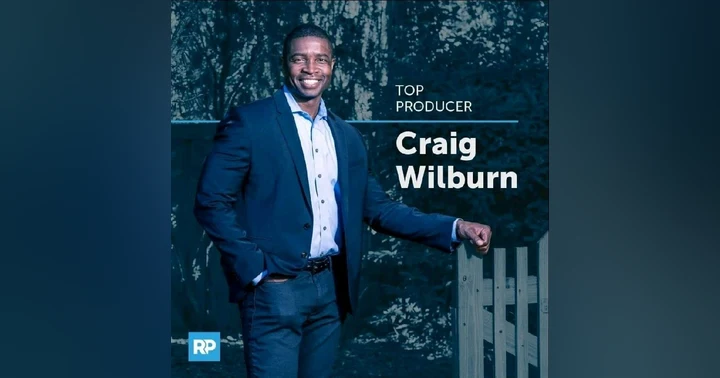
Craig Wilburn: Chief People Impactor
How does embracing the challenges and changes in the real estate industry, combined with a strong personal belief system, lead to unparalleled success? In this insightful episode, Craig Wilburn delves into the intricate balance of personal...

 Apple Podcasts
 Spotify
 Overcast
 Castro
 PocketCasts
 RSS Feed
How does embracing the challenges and changes in the real estate industry, combined with a strong personal belief system, lead to unparalleled success?
In this insightful episode, Craig Wilburn delves into the intricate balance of personal belief, industry challenges, and the art of real estate. With over two decades of experience, Craig shares his journey, highlighting the importance of continuous learning, personal development, and adapting to market shifts. He also touches on the significance of being a part of the wider real estate community and how it shapes business practices.
[00:00:00 - 00:10:00] The Genesis of a Real Estate Career
-
Craig's transition from corporate sales to real estate.
-
The impact of personal beliefs in shaping his career.
-
Early challenges and the importance of persistence.
[00:10:01 - 00:20:00] Building and Sustaining a Real Estate Team
-
Strategies for team building in real estate.
-
Key insights into team retention and dynamics.
-
The evolution of Craig's team over the years and lessons learned.
[00:20:01 - 00:30:00] Mastering Open Houses and Client Engagement
-
Techniques for effective open houses.
-
Building rapport with potential clients.
-
Adapting strategies to changing market conditions.
[00:30:01 - 00:40:00] The Role of Personal Development in Professional Success
-
Craig's approach to personal growth and its impact on his career.
-
Balancing work and personal life for long-term success.
-
The significance of daily routines in achieving professional goals.
[00:40:01 - 00:50:00] Navigating Market Shifts and Industry Changes
-
Strategies to adapt to fluctuating real estate markets.
-
The importance of staying informed and proactive in the industry.
-
Craig's perspective on the future of real estate and its opportunities.
Quotes:
"I worked really hard. That's for sure. I think I worked eight days a week." - Craig Wilburn
“Understanding how to connect with people is a language." - Craig Wilburn
Connect with Craig:
Website: https://teamdynamo.kw.com/about-craigwilburn
If you want to build your business and become more discoverable online, Streamlined Media has you covered. Check out how they can help you build an evergreen revenue generator all powered by content creation!
SUBSCRIBE & LEAVE A 5-STAR REVIEW as we discuss real estate excellence with the best of the best.
Are you ready to take your real estate game to the next level? Look no further than Real Estate Excellence - the ultimate podcast for real estate professionals. From top agents and loan officers, to expert home inspectors and more, we bring you the best of the best in the industry. Tune in and gain valuable insights, tips, and tricks from industry leaders as they share their own trials and triumphs. Whether you're a seasoned pro or just starting out, a homebuyer or seller, or simply interested in the real estate industry, Real Estate Excellence has something for you. Join us and discover how to become a true expert in the field.
The content in these videos and posts are for informational and educational purposes only. The information contained in the posted content represents the views and opinions of the original creators and does not necessarily represent the views or opinions of Townebank Mortgage NMLS: #512138.
Craig Wilburn: I was a student. I was, I love being a student. Um, I follow instructions. I
was very patient with how things were, you know, my brokerage company was fantastic.
Tracy Hayes: to the real estate excellence podcast. This guest is one of the facilitators for
this month's. One [00:01:00] Coast RE Bar Camp here in St. Augustine. He has over 22
years of experience in the industry, kicking it off with a Rookie of the Year. He has competed
in outside hitter in the National Junior Olympic Volleyball Team.
Tracy Hayes: Pick that up on your LinkedIn. He has shelves of awards for production, and
has held numerous community leadership positions. He resides in Gainesville, Florida, and
wears the jersey for Keller Williams, uh, there, where he is. The champion of vision at team
Dynamo. Let's welcome Craig Wilburn to the show.
Tracy Hayes: Craig, welcome.
Craig Wilburn: Thank you for having me. It's good to be here. So I'm glad
Tracy Hayes: you were able to take some time this afternoon, get everyone to get to know
you, but you obviously going through your resume, it looks like you've had quite a few bits
of success and I'm going to. kind of pick your brains for those agents who might be listening
today, whether they're new or, you know, whether they're out there, don't think their
brokerages are adding value.
Tracy Hayes: I'm going to dig into what, you know, your experience and, uh, you know,
success as a agent. And as obviously as a leader,[00:02:00] uh, in the Keller Williams
organization, uh, what, you know, these agents should be looking for. And hopefully some of
them actually that come to the RE Bar Camp, you know, come up and shake your hand and,
uh, they'll know a little bit about you.
Tracy Hayes: Great. Super. So the first simple question as I prepped you is where'd you
from? Where are you from? And then why'd you choose psychology as a major in college?
What were you thinking? What was your career thoughts?
Craig Wilburn: You know, for, for the sake of everyone that's listening, I'm going to do my
best to be succinct with my answers because everything that in my life has got these long
stories about, you know, how things have become where they've become.
Craig Wilburn: But, uh, when I was in high school, um, I realized I was not very good at
math. Uh, wasn't really a big fan of history and science was kind of over my head most of it.
So I went to a psychology class and I think it was like in the 11th grade and I was like, Oh
my gosh, I love, uh, understanding how people think because I love people.
Craig Wilburn: I've always been the kind of person that has loved people. I asked my mom
one day, uh, this was. Only a couple of [00:03:00] years ago, I said, Mom, tell me about what
I was like when I was a kid, like when I was four or five years old, she said, Oh, you've
always been, you know, friendly and liking people and always want to have all the friends
and always trying to do things for other people.
Craig Wilburn: And I said, okay, I'm, I'm hardwired that way. Like that's, I've always been
that person. So psychology was such an interest to me because it gave me a better
understanding of how to connect with people, you know, to me, it's like. I always saw
psychology as a language, a relationship language bridge, right? So it's kind of like, you
know, I can't, I can barely speak English correct half the time.
Craig Wilburn: Um, you know, but I don't speak other languages, but, um, understanding
how to connect with people is a language. And I think psychology really helped me because
I thought that was going to help me do that.
Tracy Hayes: I actually Look back and for many years. I said I should have been a
psychology major because especially like you say when you get into sales And you're in the
real estate.
Tracy Hayes: It's all about relationships and so forth and Understanding, you know other
people where they're coming from and why they [00:04:00] may think the way they do or
you know Desire certain information, you know, obviously in our industry we deal a lot like
with engineers They want a spreadsheet, right? And why do they want a spreadsheet and
they're analytical versus, you know, the emotional and, you know, I'm sure you can break it
all down for us.
Tracy Hayes: But I, I, when I saw a psychology major and I said, I got to ask him cause I
should have been a psychology major for myself. Cause I have the same curiosities that, that,
uh, you just mentioned there.
Craig Wilburn: I probably should have been a psychology major all the way through.
Craig Wilburn: I didn't finish, uh, because it got, it got pretty medical. And I thought, oh,
not, not what it was. I really, what I really wanted to learn was more like just basic human
behavior and, uh, which kind of drove me into the, down the road many years later into the,
uh, personality profiling space, you know, disc and, you know, things of that nature.
Craig Wilburn: So,
Tracy Hayes: so, uh, since you brought that up, I want to dig in. So when you're. Um, I
imagine when you're looking to bring somebody on your team, um, do a little more analysis
of them? Maybe take the disc tests, um, and so forth to get a little more, see if they're a
[00:05:00] fit or do you do that post afterwards when you're kind of coaching them and
Craig Wilburn: training them?
Craig Wilburn: Yeah, so it's that's definitely a big part of what we do for everyone that
comes through organization is we have a well inside of Keller Williams, we have a thing
called a K. P. A. And it's um, it's not like the end all be all. It's not a judgmental tool. Um, it's
just something that allows us to get a little bit of insight into how people operate.
Craig Wilburn: And so we look at, you know, we do an assessment and the assessment
actually spells out for that individual. Um, it, it, it ranked ranks them, rates them on different
job descriptions inside the real estate space. So, you know, listing agent, buyer's agent, admin
person, you know, rainmaker, like whatever, all the difference, a lot of different spaces the
person can fit in and it kind of just gives an idea of the people that are the best performers in
these groups have certain.
Craig Wilburn: similarities in their personalities. And so we kind of look for those
[00:06:00] things and we verify that with each person that comes to our organization, uh, just
to make sure that the findings are accurate. Now you've been
Tracy Hayes: doing this long enough. You've been in leadership long enough. Do you see, I
mean, obviously it's not a hundred percent cause you can't predict, you know, different
people's motivations sometimes.
Tracy Hayes: And someone who might be completely opposite of the ideal listing agent
may be really good at listing. They've overcome. But what have you seen from a success
standpoint to somewhat give you an idea of where to lead that person?
Craig Wilburn: Yeah, so that's kind of a starting point for us, right? And so when we, when
we're having conversations with the person and verifying the results, that's when you really
get to see how a person is.
Craig Wilburn: And ultimately, we tell them these things do not determine whether or not
you're going to have success or failure in an area. Uh, it will oftentimes give us indication as
far as how much effort or stress you might have to endure to achieve success depending on,
you know, how you're hardwired. [00:07:00] So it is something and I have found many,
many, many cases where if we, um, you know, I have seen people who didn't fit a profile do
very well.
Craig Wilburn: However, they had to endure some stress to get to do well and then I have
seen people, you know, not overcome because it was too stressful and have to get out
because of the fact that they weren't hardwired for that particular role. So, yeah, there's
definitely some consistencies that you can find out.
Craig Wilburn: But we do check every with everybody that It comes through organization
Tracy Hayes: right now. That was very well put the stress of it. Uh, you know, because that's
what it is. I mean, whether it's, you know, whatever it might be the skills or steps that they
need to take to overcome it. They're, they're just, they don't fit it.
Tracy Hayes: And that's a very well, very well put. Come out as a psychology major. What
are, you know, that was a good, when did you, did you do anything else before? Cause I
didn't see any, I don't think I saw anything on your [00:08:00] LinkedIn. Cause I didn't put it
in my notes, but, uh, you get involved with, uh, boss hard reality, which is still your broker,
right?
Tracy Hayes: Became Keller Williams eventually. When
Craig Wilburn: did you, Yeah, no, it's different brokerage. Yeah. So we, um, so I started my,
yeah, I started my career in 2002, uh, with the Boston Realty, local real estate company,
independent company. And in 2014, um, there was a local Keller Williams office that was
struggling very badly and they were getting ready to close the doors on it and, you know, in
an, in an attempt to, you know, revive it.
Craig Wilburn: Someone reached out to me and, um, my broker and I previous broker
looked, we're looking at it together, but then, um, you know, it didn't work out for them, but
it was meant for me to go. And so ultimately I ended up going to Keller Williams to. Attempt
to bring it back. Um, really to not even bring it back, but to like kill it and resurrect
it.[00:09:00]
Craig Wilburn: So, uh, that's what we did ultimately. Yeah. And, uh, so in, in 2017 is when
we were able to actually recreate a new Keller Williams office that we call Keller Williams,
Gainesville Realty Partners in Gainesville. And so since that time, we've, we've done a lot of
resurrecting and growing quite a bit.
Tracy Hayes: Oh, good.
Tracy Hayes: That gives me a whole nother group of questions to be asking you. What's
what came across you? What attracted you to real
Craig Wilburn: estate? How did you get started? Oh boy, we're going here, huh?
Tracy Hayes: Everyone's got to know where you
Craig Wilburn: started from. Oh boy. Okay. So You know, my short answer for this
question, since you brought it up, you know, my short answer for the question is it was the
Lord.
Craig Wilburn: Okay. Like I am a faithful person. Um, and I know that sounds really odd to
a lot of people when I use those kinds of terms. So I'm always trying to be respectful.
Tracy Hayes: I believe he threw stuff at us. whether it's a curve ball, a challenge, whether he
[00:10:00] puts our face in the dirt sometimes to get us to get back up and keep trudging on.
Tracy Hayes: So,
Craig Wilburn: yeah, yeah. So, yeah, throughout my, my adult life, you know, um, I have a
lot of stories like that where the only explanation that I can give you is the Lord because it
wasn't anything I was trying to do, you know, myself. It just things presented themselves
and, and then, you know, on the inside of your heart, you just kind of If you're paying
attention and, you know, you have an awareness that, um, you know, even if it doesn't make
sense, even if it's scary, you know, uh, hard, you know, you just feel a confidence in the inner
strength because God is prompting that in you because it's not about you at the end of the
day.
Craig Wilburn: It's, um, it's usually, usually for somebody else. And so that's why
Craig Wilburn: I got into real estate. I was in a different field. I was working for a company
called Altel and I was doing cell phone sales for outside cell phones, corporate sales. Um,
and while I was doing that, God began to speak to my heart and through a series of events
that we have, we got to do a whole nother podcast just on this story because it's [00:11:00]
unbelievably powerful how I got in.
Craig Wilburn: Um, he opened the door, provided the resources for me. I got into real
estate. It happened very quickly. And then when I got in, it was a huge escalation of success
in my business. Um, from me working very, very, very hard. You know, I keep this, um, keep
this on my desk over here. This is the first scripture that God gave to me when I got into real
estate and it's acts 2035 and it says, in all things I have shown you that by working hard in
this way, we must help the weak.
Craig Wilburn: And this is like literally what I've maintained. This is 20. Two years ago, he
gave me that. And so that message, and I didn't even know what it meant at the time, but
ultimately, um, I worked really hard. That's for sure. I think I worked eight days a week. He
gave me like an extra day somehow. And I did that.
Craig Wilburn: I worked that day too. I don't recommend that, but that's what I did.
Anyways, I closed 55 houses in my first full year in real estate. Um, and then, you know, it
just went on from [00:12:00] there. And so I started midway through, um, 2020, excuse me,
2002. It was April of 2002.
Craig Wilburn: I didn't sell anything the first like five months. I sold like one home.
Craig Wilburn: But then the last four months of the year, I closed. 26 houses in the last four
months of that year. And then the next year was my first full year in 2003. And that year I
closed another 55 houses that year. So
Tracy Hayes: let's, let's break that down a little bit. Cause you know, these stories, these,
these type of stories don't get out enough.
Tracy Hayes: And, uh, in there, I mean, there's many out there I was, uh, chatting with Jake
Dixon with the locker room and he was talking about, you know, how he had a couple and
like they dove in as a couple and the first 90 days they can get squat, but obviously he was,
uh, no closings anyway, but he was looking at their, their, um, activities and everything and
sure enough, you know, month four, it, it, it tipped for them for you going.
Tracy Hayes: Yeah. Uh, I think you said five months there without [00:13:00] getting
anything. What do you, what was, uh, kind of some of the, if we can talk about two or three
of really kind of the key successes, then did you have a mentor? Uh, were you getting
coaching? What was it? The structure at boss are that you, um, you know, thrived in.
Tracy Hayes: What was it you think that, uh, and of course, obviously what kept you in
there, which I assume was your faith for five months without getting, without getting any
Craig Wilburn: Yeah, so, um, didn't really have a, you know, a coach, but
Craig Wilburn: I am the kind of person that I always look for people to coach me. So I
began to find the people in the industry.
Craig Wilburn: I didn't really care what company they were with. Um, I just found people
that were doing very well in areas out that I wanted to succeed in. And I would call out to
them and take them out to lunch or go hang out with them, spend time with them and watch
what they do. Um, and, you know, pick up on things, you know, so the one thing was always
looking for ways to learn.
Craig Wilburn: I was a student. I was, I love being a student. Um, I follow instructions. I
was very [00:14:00] patient with how things were, you know, my brokerage company was
fantastic. They gave me a lot of counsel of things. When I had questions, they answered
questions for me. Um, so, yeah, it was just really the diligence, and I knew that it might take
some time.
Craig Wilburn: I had, you know, I had a reserve put aside, so I didn't have stress, uh, about
paying bills until I found out that my, my wife was pregnant with our first child. Then the
stress kind of came, um, yeah, but, um, but, you know, it was more so, I think, just the work
ethic, right? I knew that I was going to, it was going to require.
Craig Wilburn: Required me to have to really be diligent. And I knew I was gonna, I had a
confidence, I knew I was gonna get it. I just had to figure it out, you know? And so, um,
yeah, that's what kept me through it in the beginning.
Tracy Hayes: What are some of those act in, in that five months, um, you know, some of the
activities that you felt.
Tracy Hayes: You know, because the turnaround and close in the next four months, close 26
deals. That's, you know, six deals a month on average for the final four months. That's a lot.
And obviously to [00:15:00] continue that pace right into, uh, the following year, what are
some of the activities that you were picking up from these top agents that you were
shadowing that you put in play?
Craig Wilburn: So I would say the, the, there was two things really, there was three things
that I should have been doing, but there was only two things that I was doing because I
wasn't smart enough to do the third. The third, which is really should be the first was, I knew
a lot of people in Gainesville. By the time I got into real estate, I had a very deep database
and I just didn't think to ever call them or talk to those people.
Craig Wilburn: Um, I just didn't want to bother them, whatever. So I spent my time finding
new people that I didn't know. And. The way I found those new people were I did a lot of
door knocking, but not door knocking in the traditional sense where we talk about door
knocking neighborhoods. I didn't want to disturb anybody at their home.
Craig Wilburn: But remember, I came out of a background of corporate sales with all tell
selling phones to companies. So I begin the door knock. And I [00:16:00] went in and would
introduce myself and, you know, you go to, you go to a house, you might find one family, go
to a company, you might have 150, 200 employees. So, you know, I would go back to those
companies that I knew from my all tail days and I would walk in and just say, Hey, look, I'm
in real estate now.
Craig Wilburn: And can I go back and talk to people about real estate? You know, and so
sometimes they say no, sometimes they say yes, but it didn't matter. I knew that I had to have
conversations every day about real estate and that became my goal. was it wasn't about
selling houses. It was about getting reps. Like I had to have conversational reps.
Craig Wilburn: So anytime I can pick up the phone or go into a place, the mall, a business,
a shopping center, whatever, and find people who would just talk to me about real estate,
whether or not they were going to buy. I just had to have those conversations. And so the
more conversations I was having, I was starting to hear the same kind of questions over and
over again.
Craig Wilburn: And even if I didn't know the answer, I would go back and find out the
answers. And now I know the answer. So the next time I have that conversation, I'm prepared
with an answer. [00:17:00] And so it was just getting reps. And so, um, that was my big thing
that I did. I called a lot of for several owners. It was miserable.
Craig Wilburn: Um, we didn't really have a lot of expired listings back then, but I called a
lot of for several owners and I didn't know what to say. I didn't have any training on that
really. So I was just kind of fumbling through that. Um, and then my number one thing that I
really loved was doing open houses. Um, I realized that I'm pretty good making I'm a
connector, right?
Craig Wilburn: And so for me, it When I do open house, as long as somebody shows up,
um, that I can talk to, I had a very high conversion rate at open houses. And so those are my
ways of getting new people that, you know, and I found actually I, I listed more homes from
open houses than I did from doing first step owners.
Craig Wilburn: So you got
Tracy Hayes: other listings from, you know, being in a neighborhood, sitting on that open
house, whether it was yours or another agent, you could sit and getting their neighbors
eventually to list their house when they were ready to move. Is [00:18:00] that what you're.
Craig Wilburn: That was another thing.
Craig Wilburn: I was never good at, you know, I wasn't good at that either. Right. So it
would have been smart to go door knock all the neighbors. Right. Uh, I didn't do that though,
you know, but it just so happened that the people that were coming and looking at the house,
many of them had homes they had to sell first before they bought.
Craig Wilburn: And so, you know, at the open house, when I would engage them in
conversation, I build rapport very quickly. And then, you know, I just asked him, so, you
know, you do you rent or you own? That's why I own a house. Okay. Well, fantastic. Do you
have to sell that house before you buy? Well, yes, I do. Well, fantastic.
Craig Wilburn: Do you have an agent? No, I don't. Or even if they did, you know, it's like,
well, would you consider, you know, letting me talk to you? But by now I've built such a
rapport with them, right? That they were, many of them were open to at least having a
conversation with me and then I would get the listing appointment.
Craig Wilburn: Now, I imagine
Tracy Hayes: at that time you didn't really have a system like you may have today. You were
just going off of your natural talents and personality and so forth. Yeah, [00:19:00] when, so,
so since we're on the listing, which is in this market, uh, especially here in Northeast Florida,
but I imagine gains, you guys aren't much different market there, you know, 80 miles to the
west of us right now.
Tracy Hayes: Um, from a market, but the listings are gold, you know, listings, uh, what's
the, what's the phrase you did in the real estate world? Uh, listers last, right? So when you're
you've got your team there and you're talking about a listing now What are some of the
things that that you've implemented that you've learned over 22 years starting from?
Tracy Hayes: You know kind of being successful, but really adding to make that That open
houses as successful as possible. Obviously, you know, getting the most amount of people
through there reasonably possible. What are some things that now that are standards that you
set for your team? And hey, we have an open house.
Tracy Hayes: Okay, we're gonna do. We're gonna start with this before that day. We're gonna
do this on that day. And then actually, during the two or three hours, we're gonna do this.
And then or what are you gonna
Craig Wilburn: do afterwards? Right. [00:20:00] Right. Right. Right. Well, it's a lot. Okay.
So the, uh, the first thing is, right, you gotta, in order to do all those things, you have to first
get a listing.
Craig Wilburn: So, right. So, right. So, so let's, let's, let's pretend, you know, we had open
house and I meet somebody and we have a good rapport because I, you know, I don't, I was
never the person that's going to, uh, Just have somebody come into an open house and just
walk through and may not talk to them and I'll see them on the way out.
Craig Wilburn: That's never happening. Um, I'm going to engage you in conversation and
we're going to talk about where you're from and who you are. And I'm not really very rarely
do I ever talk about real estate. You know, because I want to know who this person is. \
Craig Wilburn: I'm trying to find some kind of a mutual point of connection with the
human being.
Craig Wilburn: Right. And so what happens is usually in those dialogues, because I'm not
there talking about real estate, I'm just really trying to understand them. I realized that people
actually respond well. to other humans that genuinely have an interest in who they are. So
that's usually my focus. I'm really trying to connect with people now.
Craig Wilburn: Some [00:21:00] people don't like that. Don't get me wrong. I get out there.
There's people that they feel like I'm a little bit too, you know, they're more cautious. And so
I have to always be very, you know, um, mindful of who I'm dealing with and, but. Again,
it's a numbers game at the end of the day. As far as the more people you talk to, you will find
people that actually appreciate other people who genuinely show interest in who they are as
people.
Craig Wilburn: And that's actually the kind of client that I like working with. So I'm okay if
the person is very standoffish because it just might not be the best fit for me as a person. So
know thyself is important. Once we get the listing, yes, the opportunities that you have there,
Okay. Is what we have done in the past as a team.
Craig Wilburn: Now, I won't get to a new, I got a new, I got a whole new story right now
that I'm not gonna have time to do today, but, um, door knocking the neighborhood or calling
the neighborhood. Now, the way we do that is it's just a simple PSA. Okay. We're just letting
the people in the neighborhood know out of courtesy that we're going to be having an
[00:22:00] open house in your neighborhood on this day, from this time, we wanted you to
be aware.
Craig Wilburn: Cause you may see a lot of traffic. You may see a lot of signs. You may see
a lot of huff and buff, you know, about the house. So be aware, everything's okay. It's just us
in the neighborhood trying to get you a new neighbor. Hey, by the way, is there anybody
who, you know, in your. work or anybody, even your family that you would, you know, your
sphere that you think would make a fantastic neighbor that we could be introduced to, we
would love to give them an opportunity to see the house before even the open house or
definitely on a day we would love to invite you to come to the open house because we want
to meet you.
Craig Wilburn: We want to want you to see what your neighbors, what we've done, what
you never has done to their home. So that's fantastic. Um, of course, Uh, during the open
house. Now our product protocol for open houses is we do a ton of signage. Now again, I
know every neighborhood and city you have rules, so you gotta know what your whatever
your area allows you to do.
Craig Wilburn: But, um, we have about 30 to 40 real estate signs that we put up throughout
a very small area. Yeah, we're not just putting the [00:23:00] arrow arrow house, you know,
sign. We make it look like you're supposed to be there. Okay, so when, for example, I I did a,
I did open house this weekend, right? So I did one Saturday, Sunday, same house.
Craig Wilburn: So the house full price, by the way, um, saturday, sunday, open house listed
the house on thursday. That's nothing we do. We only list homes on thursday because we
know that there's going to be more traffic and people looking typically on the weekend. And
so we want to create a buzz. So we do some pre marketing the day before for that open
house.
Craig Wilburn: Zillow has been a very good partner with us as far as getting the word out.
When I ask people, how did you hear about the open house today? You know, they will
typically say Zillow or the signs Okay. And so what happens is they, they would put up all
the signs. We blast the street. If it's on a busy road, it's going to get blasted.
Craig Wilburn: It might, I mean, it might be 30 signs just on the, on the road. So you see
sign, sign, sign, sign, sign, sign, sign, sign, open house. Right? So, you know, you feel like
you're supposed to be [00:24:00] there. So I had a couple that I got a listening appointment
from that day that wasn't even, they were out for a walk. You know, two friends out for a
walk, and they saw all these signs, and they were like, golly, there's so much, you know,
hoopla about this.
Craig Wilburn: I figured we'd come by here. They weren't even in the house buying
process, but they were walking through, and so they saw the house, and I connected with
them, and then the lady, one of the girls called me after. She goes, hey, I didn't want to tell
you this in front of my friend, because I'm thinking about selling the house, and she's my
neighbor, I didn't want her to know.
Craig Wilburn: It's like, oh, great, you know, so. Anyway, the signs is what drew him in
now. The key thing after you make those contacts, you do your door knock beforehand or
your calls beforehand. You do the open house, you do a bunch of signs. People come
through, you get Eric, you got to have a good open house app or system to record
everybody's information because you're not going to remember these people and they're not
going to remember you.
Craig Wilburn: I don't care how much rapport you've had with somebody at that open
house. They will forget you within an hour after leaving. So you have to have a way to
follow up with them. So I [00:25:00] found an open house app that I like. Um, I just found
this one actually this weekend because. I realized I forgot because I haven't done open house
in a long time and I'm starting to do them again.
Craig Wilburn: So I, I went back in and I was like, shoot, I don't have anything to write. So
I downloaded this app called curb hero. And anyway, that one works, worked, worked really,
really well. And so the key thing is after the open house is, is done, we make the context.
You have to follow up with these people. Okay. We have to talk to them.
Craig Wilburn: I usually do my follow ups on Monday. Okay. And I will. Call everybody. I
will call, text, email, touch every single person that we, that we, um, that we met at the open
house.
Tracy Hayes: What kind of information is curb hero, or obviously you want to get from
them for, cause you want to get them in your, in your
Craig Wilburn: CRM, right?
Craig Wilburn: Oh, yeah, yeah, yeah, absolutely. They go into the CRM automatically. So,
um, what I want to know is, of course, you know, get the full name, phone numbers, emails.
Um, and that's pretty much it. Then I always like to get from them, [00:26:00] you know,
what their, what their personal needs are, right? So I will log notes about my conversations
and interactions with them.
Craig Wilburn: So that I remember what they, you know, any kind of any, any information
that I got from them about who they are, where they're from, what they do for a living. I'm
putting that all into the notes section so that I can remember, remember that information.
Um, and then of course I want them, I want to also know what their future plans are for
buying, when timeframes, that kind of thing.
Craig Wilburn: And then I also, um, want to make sure that, that I get feedback from them
about the actual house, because I want to be able to tell my seller what people liked and
didn't like. All right. So in that app, you can actually customize the questions that you're
asking. So it's a, they actually have to fill it out.
Craig Wilburn: So I build rapport at the open house. When they come in, I greet them, meet
them, walk to it, walk around with them, talk to them, build a rapport at the very end before
they leave. I say, Hey, would you mind signing my open house app? Now, after we've had
that much interaction, very rarely is somebody gonna say no, because now we're like almost
like [00:27:00] friends.
Craig Wilburn: Okay. So they do it. So they fill it out. I got all the questions preset. They're
answering the questions. It's all logging it. The system, when the person closes it out, the
system actually begins to touch them and email them. And then it tracks, it tracks their
responses and sends it back to me also, which is very, very cool.
Tracy Hayes: It's funny. I had one of your, uh, fellow Keller Williams, uh, successful Julia
Olmsted on, I've had her on the podcast, but we just did it like a 30 minute market update,
and we were talking about, you know, listings and everything you just said, is why you're
successful is why she's successful, you know, making sure you, uh, you know, getting that
information.
Tracy Hayes: She does it a little differently, but that works for her and her personality
because the bottom line, the key is you got to get the information. So however, in your case,
having the conversations and breaking them down and getting their guard down and then
asking for the information. That's how you win because that's how you, you play your game
and the ultimate thing is [00:28:00] you got the information as she did, but I mean, she was
saying the same exact thing, um, on it.
Tracy Hayes: And then now follow up wise, what do you find, uh, has been your success?
And, and the, from the, you know, doing follow up, cause I imagine you've been doing
follow up for years. You just started this, the app is just another tool you were using, but the
follow up, how do you, uh, start breaking down? Cause now you've gone 48 hours, maybe 24
hours and seeing them.
Tracy Hayes: You may have, uh, you know, you put down as much information as possible,
but how do you have that next conversation? Cause I imagine with a lot of agents, this is
where they fumble the ball. They don't follow up.
Craig Wilburn: Correct. Yeah, follow up is the critical thing. So, um, what? So what we do
is we'll, you know, like I say, text, email, phone call, all of that.
Craig Wilburn: Sometimes we get a response. Sometimes we don't. We already know going
into it. We're not going to get everybody to respond. This is not happening. Okay. And that's
okay. Um, but it's a percentage. I would probably say if I can get 20 to 25 percent of the
people that come to that open house that I've connected with [00:29:00] to actually engage.
Craig Wilburn: Bye. That's pretty good. That's a pretty good number, you know, and What
will ultimately happen is out of that 25 percent of people that respond and engage, I'm going
to probably get 30 to 40 percent of them to actually convert, right? So, so the, the, the answer
is, you know, if you can get one or two solid contacts from an open house, that's very much
worth the time in my opinion.
Craig Wilburn: And if we do, we get two or three is the home run at the end of the day.
Tracy Hayes: Well, you have an open house, you get those two or three, you're following up
and one actually does a transaction with you in the next 12 months. I mean, you just, you
just, you're just rolling and keep rolling into the next, to the next deal.
Tracy Hayes: I was thinking about your guy. I worked at Altel. My wife actually worked at
Altel. She was there at the same time you were, she was 97 to really up until Verizon bought
them out. Um, at that time. And I had been in cell phones. Uh, from the mid nine ninety six, I
think is when I got into it and a lot of it at that time in the [00:30:00] cell phone world was
getting out and touching people, going in and sitting in the lunch room or break room of a lot
of these businesses and, you know, being there because Not everyone had a cell phone at the
time, so they wanted one.
Tracy Hayes: And now you're in front of them. I remember being at, uh, county fairs in
Northern Virginia, sitting at a table and, uh, the digital phones were just starting to come out.
We were giving away the analog phones, but that was the whole goal was they wanted to get
a handset in everybody's hand, right? Yeah, and uh, so he said like how many people can I
talk to everybody wants a cell phone?
Tracy Hayes: It's just obviously they started to get more and more affordable. Um now
we've been coaxed into it to spend a thousand dollars
Craig Wilburn: could you imagine back then trying to get my friend 250 bucks for a cell
phone was like Oh gosh, dude, you can forget it. That deal is dead. Yeah, it wasn't worth
Tracy Hayes: it. Yeah yesterday.
Tracy Hayes: I didn't have one and I was okay Yeah Oh for sure. So it's interesting how that
developed in uh, that [00:31:00] style of sales Really? I think is you know part of what like
you say You know, wherever it was and one of the, my mentor in the business was, we'd
have the, we'd have a little short app, basically the basic information that you needed to pull
credit and walk up and say, Hey, I'm in cell phones.
Tracy Hayes: Great. Can I, Hey, just here's a pad put on their basic information. Boom. We
were on the phone, calling it in and activating a phone for them and handing the phone. They
walked away and, uh, that having that conversation, uh, you know, about a product that
everybody wants. And I, I think, uh, Patty Ketchum says it beautifully when I had her on last
month.
Tracy Hayes: Everybody wants to live under a roof, right? Nobody would sleep under a
roof. So, uh, to have another product that everybody wants, a lot of people will talk, you
know, talking real estate, let's talk real estate, right. And leads into, leads into a lot of
different things. Um, Let's talk. I want to, I want to, um, I Christina Welch.
Tracy Hayes: I know very well. I'm sure, you know, Christina here in, um, in this area and
I've known her since, you know, 2009 when her, she was just starting her team. So I've seen a
lot of the trials and [00:32:00] tribulations that she's gone through and in a huge success that
she's had. Um, I wanted to dig in with you and you know, what you in the trials and
tribulations of those who, uh, might be listening.
Tracy Hayes: About, I think, I think a lot of agents think, do I want a team? Are you able to
maintain a team? Cause I think one of the biggest thing is if you're going to grow a team,
that's going to last any amount of time, it's going to be fruitful for you is you got to retain
people. Would you agree?
Craig Wilburn: Yeah, yeah, yeah.
Craig Wilburn: I mean, you don't have a team without people.
Tracy Hayes: People. And actually it was one year ago in January, I did a second podcast
with Christina. So we just talked about, um, the success. Um, she's very, um. The question I
have for you. She's, uh, diehard doing it the Keller Williams way. How has Keller Williams
as, uh, um, in their trainings and so forth helped you as a team leader, uh, in growing your
team?
Craig Wilburn: Well, so [00:33:00] this is an interesting timing for this kind of question.
So, uh, because
Craig Wilburn: this is not before I love. I love raw conversation. Just so you know, I mean,
this is this is like right up my alley. I love. I love it raw because, you know, I think people are
people all over the place or. You know, you got people in different stages, right? So some
folks are, um, you know, brand new in the industry trying to just forget about this team thing.
Craig Wilburn: How do I sell a house? Okay. Right. You got those folks. You got folks. I've
been doing it for a long time. I've been debating. Should I, you know, do I need to get a
partner? Should I hire an admin? You got people that are, you know, have built. businesses
and they're struggling in their teams and they're trying to figure out how do I keep this thing
together?
Craig Wilburn: And wow, I got this big business, but you know what? I'm not seeing my
family and I'm stressed. And then my bills are so high and I got, you know, I don't have any
peace in my life and blah, blah, blah, blah. And you've got some folks that are like literally
just doing great, killing it, loving it and all the above.
Craig Wilburn: What I think the most important thing that I have learned, um, over the
course in time. And in this area in Gainesville, Florida, like I wasn't the [00:34:00] first one
to have a team here. Cause I, there was some other couple other teams when I got into real
estate. Um, But they're all long, long gone. And I have had the longest standing team in the
history of this whole city.
Craig Wilburn: And it's been, it's been something that over the years has become a part of
my identity as a person. Um, And, you know, and growing it and building it and, you know,
even expanding it into different markets and all these things. um, and at the end of last year,
um, you know, going back to another God's story, cause that's all I got to use as my world,
um, is that he, uh, he, for me, he.
Craig Wilburn: Removed it. He said, that season is over and he disseminated my team. He
like, poof, . It went away and, uh, through a series of of things and, but it was exactly what it
was supposed to be for me and I didn't know that at the time, but. But that's what he had for
me to do. So my [00:35:00] personal story is very unique. A lot of people don't even know
that yet.
Craig Wilburn: Cause this is like fresh off the press right now. Um, but I think it's
something that I have, the people that I have had a chance to talk to about my team, they
have been really, really impacted in a positive way because they have seen the reality of the
fact of this. I think everybody needs to look at their businesses and appreciate what you have
first.
Craig Wilburn: So
Craig Wilburn: if you are a single agent and you're doing well, enjoy that. Don't look at
somebody else's situation and think that it's all, you know, sunshine and rainbows. Cause you
know, most of the times it's not. Um, I have talked a lot of people out of building teams. I've
talked a lot of people out of Joining teams, and I've helped a lot of people build and grow
their teams.
Craig Wilburn: It is a, and I've launched a lot of teams from my team. Okay. Our office
now, the majority of the teams that are in my office came from my team. And [00:36:00] so,
you know, and I love that. I love the fact of, um, having opportunities for people to grow
their businesses in any way they want to. Keller Williams as a company.
Craig Wilburn: Has mastered the art of building a team, and if anybody wants to build a
team, you know, we have this wonderful book, you know, that everybody knows about,
right? We call it the red book, and I keep it, I keep it handy. I can get my hands on it, right?
So we know about this book here, right? So you want to build a team, you know, you read
this thing, and then you just do what it says.
Craig Wilburn: Now, there are, there are a lot of things about teams that are great, and
there's a lot of things about teams that are very hard and nobody likes to talk about. Okay.
And so I think the best thing for anybody that's looking to build a team to do is to find other
people who have teams. And talk to them and take a lot of notes and learn a lot and listen
and be a student and don't assume things about it that you don't know.
Craig Wilburn: Okay. Get counsel. Um, and yes, keeping people is important. Keeping
people is very difficult. All [00:37:00] right. There's very, very, um, few teams that keep
people. I mean, even the 20 years of me having a large, you know, what someone considered
to be somewhat of a large team. But, um. I only had maybe one person that was with me for
11 years.
Craig Wilburn: I was going back looking at all of the people that I've been through my
team over the years, and I have one personality for 11 years. I had, I think, three that were
there for five years and everybody else three years or less. It's kind of the lifespan, you know,
and I have friends of mine that have had people multiple be with them for many, many,
many, many years, right?
Craig Wilburn: So it's all over the place. I don't even know how I answered that question. I
don't even think I answered your question.
Tracy Hayes: When it comes to retention, one of the common themes that I've had,
especially talking to anyone, uh, because if you name, uh, most of the, uh, I can't say I've had
every top producing team, but the, the most.
Tracy Hayes: I don't even know if most popular, it's most [00:38:00] popular on social
media, right? I've had the Shara Kavanaugh's, um, I had the late Macera Rocco on CeCe
Underwood here in Jacksonville. They run their teams, everyone runs their team a little
differently. Um, some are better at retention than others. Um, every one of them has gone
through the cycle of hiring and then all of a sudden taking the steps back as people leave and
then reevaluating, what is it do I need to do to break through that, uh, barrier or, you know,
maybe they get the seven, eight agents all of a sudden back down to four and how do I get
through it?
Tracy Hayes: So when you are talking these, all these different people, you just mentioned
not to have a team to have a team to be on a team, um, to understand the dynamics of what it
takes that for a team to truly, um, When I, I think everyone measures success a little
differently, but, uh, to me, I think obviously, you know, looking at Christina, I use her as a
model.
Tracy Hayes: Um, you know, her longevity now, uh, it's been over, it's been 12 plus
[00:39:00] years, uh, that she's had maybe 14 years now, uh, she's had her team and then
where she's at and opening the new market center here in, um, in Northwest St. John's
County. Um, You know, it's been that longevity. So how, what are, what are some of the
things that you from your experience that when you have these conversations with people,
what are the good, bad and indifferent situations of having a team?
Tracy Hayes: Or even
Craig Wilburn: being so, you know, for sure. Yeah, sort of, you know,
Craig Wilburn: every team has its own culture. And so you want to be very in tune with
what the culture of the team is. Every team has its own vision. So, and what they're trying to
accomplish and who they are, that their own identity. And so I think, you know, whenever
you're looking at a team building.
Craig Wilburn: either building your own or joining someone else's, you want to be really in
tune with their culture and their and their identity. You know, what's their reason for
existing? You know what? What are they trying to do? You know, um, what's the heart of the
leader? Okay, so the heart of the leader is going to really dictate, you know, what the ultimate
outcome of those of those businesses, you know, looks looks like.
Craig Wilburn: Um, [00:40:00] You know, so, you know, from the financial models
perspective, if you're going to build a team, you know, you have to know that, you know,
you're at some point in time, you know, Sarah and I was super close. And, um, and I have so
many stories about her as well as like things that, you know, you know, helping her even
helping her launch her team in the beginning.
Craig Wilburn: And then, Um, watching her just, you know, blow it up. So, so much. She's
just really just such a great job with it. And then going through the loss of, you know, her,
you know, admin staff and people and just recovering and you have to have, you have to be a
person of such resolve when you are looking to run a team because people will come and
people will go.
Craig Wilburn: It's just what it is. You know, so you have to have a resolve about you. If
you know that you don't have that kind of resolve, it's not, you will not have, I don't know.
will not have peace, you know, building a team if you don't have that kind of resolve in you,
you know, ready to go with that when you're joining a team.
Craig Wilburn: Um, you know, like I said before, you need to be very in tune with where
they're going because, um, not all leaders of teams have your best interest in mind, you
know, and so you need to know what [00:41:00] you're getting involved with. You need to
find counsel, find people that are familiar with those team leaders and know what they're
doing and have a can tell you about their history and the track records and things of that
nature.
Craig Wilburn: Um, You know, so, but I think at the end of the day, you get in where you
fit in being a single agent is not a bad thing. Running a team is not a bad thing. These things
are neither good nor bad. They're, they're, they're, they're, they're not either. They just are
what they are. And you have to find the place where you have the most peace and you have
the most fulfillment and enjoyment.
Craig Wilburn: I know a lot of people that are trying to maintain this image of having some
big business, and they're just not fulfilled and unhappy, you know, and that's nowhere to live.
It's no way to live. I know people who are living below their potential because they are afraid
they were afraid to start a team and they're living below their potential because they should
get out there and take the leap of faith and go building because people need you when you
are a leader to that magnitude and and you have the capacity to run a business.
Craig Wilburn: there's people that are [00:42:00] waiting for you to do it so that they can
come join alongside of you and co build it with you. You know, so, you know, you have to be
very, very aware of who you are. Um, on
Tracy Hayes: here, if, if I'm asking this question correctly, Livian Unlimited.
Craig Wilburn: Yeah. Yes. Yes. Tell us a little bit about that.
Craig Wilburn: So that was a, that was an iteration of something that we had in our heart
for a vision to build. Um, that that vision is not coming to pass.
Craig Wilburn: So that was one of the, that was one of the changes and one of the shifts
that we experienced at the end of last year was a pivot from all of that. So, you know, but
like I say, all of these things are so great because every single thing that happens happens for
a specific reason. And I have so much about myself, my business, who I am, you know, after
all these years, you realize the [00:43:00] knowledge you're learning, you're always growing,
you're always learning more about yourself.
Tracy Hayes: Uh, um, getting to where you're at 22 years in the business, leading people
that you're, you're, you're, you're a leader in that office, uh, over there in Gainesville, how
important in, in what do you do from the standpoint of personal development?
Tracy Hayes: Because as a leader, you want to stay out in front of your people. What are
some of the things that you do personally, uh, in your personal development? I know Keller
Williams, you know, has their events and obviously brings in keynote speakers, but what are
you doing
Craig Wilburn: personally? Yeah. So personally, we, I live by what we call a life balance
wheel and this life balance wheel.
Craig Wilburn: We look at, you know, your physical health, your financial, financial status,
your, um, your marriage, your relationships, your parenting, um, spirituality. Like we look at
everything time off, rest, um, you know, retreat. Right. And so What I do is on a monthly
basis. I will, I will evaluate myself. You know, how am I doing?
Craig Wilburn: You know, where, you know, where do I, where did I, where did I
[00:44:00] succeed? Where did I win? Where should I, do I need improvement? What areas I
need to refocus on, uh, on a daily, daily basis. I rise very early in the morning. I get up early.
Um, you know, I spend a good amount of time every day in meditation and prayer and
reading.
Craig Wilburn: studying and fitness. And so I will, you know, take about usually I get about
4430 and that's when it rains when I wake up and I'll have time to replay, meditate and go
exercise. And so, and then I'll come back, you know, a little something and then I'm off to the
races. I'm leaving the house about between 7 15 and 7 30.
Craig Wilburn: And I'm, you know, coming into lead generate, you know, for 23 hours,
right? So like this is, um, these are the personal activities and I do. The one thing that I am
going to do that I was talking to somebody about just yesterday actually is schedule time in
my regular day to take breaks. Where I'm just kind of going out, just doing, I don't know,
anything fun for [00:45:00] like a couple of hours in the middle of the day during the week.
Craig Wilburn: I've never done that before, but I know that that's an important thing to do.
And so I'm going to, that's my, that's my next goal. Next iteration is to find, you know, once a
week, take a break day where I can just kind of go out, you know. Take a breather, go for a
walk, anything. Just kind of take my mind off of what's, what's going on.
Craig Wilburn: And then, uh, and then come back and get at it for the rest of the day. Well,
you know,
Tracy Hayes: would you create some of the, some of those, um, you know, hobbies or
having those fun things that allows you and especially your meditation or, you know, or even
casual reading, if that's what you're doing, uh, what's going on in the local area that gives you
so much.
Tracy Hayes: Verbal ammunition if I guess what I call it when you're you're you're having
that open house to just have that Conversation. Hey, did you know that this is going on or
hey, do you like to you know? You know, there's a beautiful driving range down the street or
whatever it is And then you bond because some of these people have similar hobbies or
similar interests When [00:46:00] if you're just in the office just doing real estate or whatever
You know, career you have, if that's all you have, you're, you're not being that, that more of
a, uh, well rounded person, I guess, if you want to call it that, you know, you're correct.
Tracy Hayes: it last 18 months, if we've seen, you know, changes, you know, 18 months
back through. Pre COVID 2019, you know, it was heyday eight last 18 months. We see
interest rates rise. The market's changed a little bit I forget what the number was someone
how many people have left the real estate industry let alone the mortgages
Craig Wilburn: Oh, well, the answer is not enough.
Craig Wilburn: I think this would be answers
Tracy Hayes: What are you, what are you from an office, your team? What are you as a
leader? Um, uh, you know, um, obviously keeping the, keeping spirits high. I mean, that's
part of what leadership is morale, right? Keeping the spirits high, but, you know, coaching
some of these people now, Hey, we got to start So you started doing more of this.
Tracy Hayes: We didn't have to do it 18 months [00:47:00] ago, but now, now we've got, so
you started doing more open houses. What are some of the things that you're encouraging
your people to, to be engaged in that maybe they didn't have to do 12, 18 months
Craig Wilburn: ago? Well, you know, there's actually nothing that goes on today that we
didn't have to do 18 months ago.
Craig Wilburn: Um, You know, maybe they experienced some measure of success even
though they didn't do it. Um, but now if they don't do it, they won't experience any success at
all, you know? And so, but these are all the same things. There's nothing to do. The first, the
first thing I always try to encourage people with is their mindset.
Craig Wilburn: Okay, you got to show up. You got to show up with the right mindset. You
have to, and you have to be ready to put in the work, you know, because, um, what we've
been saying for a long time now is, you know, you have to be ready to work more to get less,
you know, it's just, it's just kind of what it is.
Craig Wilburn: Everything is seasons. And so, you know, listen, when the market was
going bonkers, It was hard then, you know, when you had a buyer, I had a guy that was on
our team and, um, he just got into the real estate industry and he was starting out. He was
committed. He was ready, right. [00:48:00] Mindset, everything in the market was fire and
everything was selling and over asking price.
Craig Wilburn: But you know what, this man. Went out and wrote over 30 offers for buyers
and got zero contracts because every house had 5, 10, 20 offers on it. And no matter what we
did, we just couldn't figure out a way to be, we just couldn't, you know, just, there was
always somebody a little bit better. That was hard.
Craig Wilburn: Yeah. That was hard. Okay. Like how many of you would be. In the
business still, if for four months you were out writing 30 something offers and none of them
got accepted and you made no money, right? Most people would have quit. That was very,
very hard. I think that was harder than it is right now, because right now we're not seeing that
anymore.
Craig Wilburn: You just gotta be more available. You gotta. You got to help people think
differently. You got to have, uh, conversations that change people's perspectives because if
people are still, you know, uh, feeling not so great because the interest rates are not two and
3 percent [00:49:00] and they, you can't get them over the hump that that was an anomaly
and interest rates are still good right now and homes are still, you know, again, if you are in
the, uh, if you have the ability to buy, you need to buy, don't forget, we live in a state called
Florida that a lot of people want to come and live and they're coming.
Craig Wilburn: And many of these people are coming from areas where the price points are
much higher and they have a lot of money and they're buying our stuff and some of us are
getting priced out of our own state, right? That's hard, right? We have to have tough
conversations with people. to help them, you know, help them overcome their own lack of
knowledge.
Tracy Hayes: Um, I had on here, cause I, I did notice you were a district one vice president
for Florida realtors. Um, imagine in a progression of leadership and being involved and
engaged in your profession. Those are, those are things to do, but what did you, uh, what was
your experience there? What kind of. [00:50:00] Influence to kind of put out and I'm asking
this question for agents that might be listening here that are involved with their board and,
you know, obviously, you know, involved in their industry as you know, with the lawsuits
going on, we all need to be engaged in and focused on what's going on and not let others
make decisions without us kind of giving our input.
Tracy Hayes: But as a district one leader, what are some of the things that, uh, yeah. You
know, you learned from that experience. Um, uh, and the importance of being involved in
our profession on the local and even at the state level, as this week was realtor day in
Tallahassee.
Craig Wilburn: Yeah. So that was a phenomenal experience because we know.
Craig Wilburn: The reason I got even introduced to that was because someone tapped me
on the shoulder back in, I think it was like 2007 or 8 when the market was, you know,
starting to turn around for the worst, but, um, and so, hey, you know, once you come and join
one of my committees, I thought, you know, Why in the world would I do that?
Craig Wilburn: Like, you know, I, [00:51:00] I see you guys that are in those committee
meetings and doing that committee stuff. You know, you guys are the ones that don't sell
much real estate. Okay. Like me, on the other hand, I'm selling a lot of houses. I don't got
time. Right. And so, and I never forget her, her words to me. She says, so Craig, you want to
be that guy that takes from the association, but never gives back up.
Craig Wilburn: Ooh, that's like, man, drive that knife all the way in twisted, pull it back out.
And, uh, I said, okay, fine. I'll go ahead and join. I'll go and check you out. So, you know,
anyway, I got involved in long story short, I ended up. They had a leadership academy. They
were forming for the first time and they invited me to be a part of the inaugural class to that.
Craig Wilburn: And I said, yeah, I'm checking it out. So I did that. And then I got to go to
Florida realtors for the first time and sit in a room with 500, something, 600 people. That was
the board of directors. And then I, in that room, I realized that people were having
conversations and making decisions. that determined the fate of my business in Gainesville,
Florida.
Craig Wilburn: And I didn't [00:52:00] know that was going on. And then I said, Whoa,
wait a second. These people are, you know, whenever they say yes or say no to, it's going to
impact me how I can do my business. And so I decided to get a little bit closer and so
ultimately, uh, you know, begin to get involved in the national level, state level, became
association president, district vice president, ended up serving on many committees
nationally.
Craig Wilburn: And, you know, in a, you know, the long story short is, you know, the
opportunity that we have there is to really have more knowledge about what's going on in the
bigger picture and behind the scenes. Uh, and to have an influence and an impact on public
policy. You know what happens in the industry. And, you know, which is great.
Craig Wilburn: So, you know, not to mention, um, you know, you make such phenomenal
relationships across the country with so many different people that think like you do have the
same cares and concerns that you do that are fighting for the same things that you're fighting
for. And so, you know, your network of, um, you know, of contacts, I mean, I have, I
literally, I've been, I've been [00:53:00] serving.
Craig Wilburn: Since 2008. And, you know, really like at the national level since 2010.
And, um, you know, so I've maintained relationships, people all over the country. I can go, I
can go anywhere. I can go to any state, almost any city in this country. And there'll be
somebody that I either know personally or, um, one degree separation, and that's only
because of the interactions and time that I've spent serving with, uh, and they are in Florida
realtors and that kind of thing.
Craig Wilburn: That's
Tracy Hayes: that's that's awesome. Um, I'm going to finish it up with this. You're you're
you're a facilitator. You're coming in. I don't you know, exactly what Kim's, uh, um, set up is
because obviously a little different than she's done last year. Last year, she had a keynote and
then, you know, typical breakout sessions.
Tracy Hayes: But now she's got, I think, I don't know, 15 or 17 of you, uh, Of the facilitators
who I'm having a lot of them on the podcast, trying to get everyone in before the 26th, but I
mean, some really influential people and with experience and networking throughout the
country, what, what message, uh, if you've, [00:54:00] if you might not have even thought
about this yet, but what message do you want to get across in the few minutes that you have
on stage?
Craig Wilburn: I have no idea. I mean, I just, I just read about this like the other day, you
know, and I haven't even had time to think about it, you know, I'm also right now, you know,
but something always comes, you know, I don't know, but, um, I have, I have, uh, I'm also
the chair this year of the Chamber of Commerce in Alachua County, Painesville, Alachua
County, the greater chamber.
Craig Wilburn: Coming to the chamber of the great, great, great of Gainesville. So right
now that's a big thing because we have our, we actually have our 100 year anniversary this
year for our local chamber and I'm the chairman this year and we have our inaugural meeting
and celebration service at the O'Connell Center in Gainesville and it just happens to be the
day before RE Bar Camp.
Craig Wilburn: So, well, I mean,
Tracy Hayes: well, I, you know, just an idea for a theme, which, uh, I, I have a, you know, a
few agents actually, I mean, one of the new partners here in the St. Aug in the, the teaming
up with [00:55:00] Christina Welch, uh, Cole Slate. You probably know Cole. Uh, my dude,
um, you know, he obviously. In his comp plan, when I had him on the show, I mean, he, he
explained, you know, incentivize being involved in something in the community, whether it's
just your HOA or, you know, doing something with the board and everything in between, but
obviously the things you've been to right here, talking about the chamber of commerce as a
real estate agent.
Tracy Hayes: Be involved in those community events. One to be, I think, just the inside
resource. You obviously have access to information that a lot of people don't, or they do, but
they don't even realize it's out there. You're there. And to be that, uh, that resource, that might
be a topic. I, I'm just to throw one out.
Tracy Hayes: Well,
Craig Wilburn: I think, you know, something that you just said triggered, this is always
what happens. It'll be, it'll be a quick little conversation and something will trigger. Well, you