
Builder Rep To Top Agent: Insider Secrets Buyers & Sellers MUST Know About New Construction
Episode 306 – Robyn McIntosh: Builder Insights, Listing Prep, and Real Talk for Agents
In this episode, Tracy sits down with Robyn McIntosh, a former Pulte Homes site agent turned top-producing Realtor in Jacksonville. Robyn shares the raw truth about what buyers miss in new construction, how agents can better protect their clients, and why listing prep isn’t just about photos—it's about psychology.
With over 15 years in Northeast Florida and a background in psychology and customer service, Robyn brings a rare mix of empathy, precision, and systems to every transaction. She dives deep into her transition from builder rep to full-service agent, the power of transparency in tough conversations, and why agents must master the walkthrough.
Whether you're an agent looking to level up your listing skills, or you want to understand the builder mindset from the inside, this episode is packed with clarity, strategy, and hard-earned lessons.

 Apple Podcasts
 Spotify
 Overcast
 Castro
 PocketCasts
 RSS Feed
 How does emotional intelligence give real estate agents an edge in guiding clients through one of life’s most stressful decisions?
In this episode of the Real Estate Excellence Podcast, Tracy Hayes sits down with Robyn McIntosh, a top-tier real estate professional with a rich background in psychology and insurance. Robyn opens up about her unexpected path from working catastrophe claims at State Farm to becoming one of Florida’s most trusted names in real estate. Her ability to blend empathy with industry knowledge helps clients navigate not only deals but emotions, turning stress into strategy.
From navigating new construction pitfalls to educating buyers on insurance red flags, Robyn emphasizes the value of transparency, community, and staying informed. Whether it’s explaining roof replacement impact on home values or the critical timing of involving an insurance agent, she lays out the realities that every buyer and seller should hear. Her journey is a masterclass in resilience, customer service, and intentional business-building.
Enjoyed this episode? Share it with someone considering a move or career in real estate! Don't forget to subscribe and leave a 5-star review on Apple Podcasts or Spotify.
Highlights:
00:00 - 14:49 New Construction Exposed
- How Robyn’s builder background shaped her strategy
- Why agents should attend builder meetings
- Critical need for third-party inspections
- Permitting issues and layout mix-ups
- The communication breakdown in national builder pipelines
14:50 - 28:59 The Insurance Mindset Advantage
- Robyn’s State Farm experience in catastrophe claims
- How it shifted her approach to risk in real estate
- Explaining Florida insurance pitfalls to out-of-state buyers
- Why home age affects insurability
- Avoiding last-minute insurance deal-breakers
29:00 - 42:49 Roofs, Claims, and Seller Strategy
- When to address aging roofs before listing
- Educating sellers on repair ROI vs. reality
- How inspectors and insurance agents derail contracts
- Preparing buyers and sellers emotionally for negotiations
- The true cost of ignoring deferred maintenance
42:50 - 57:59 Pivoting from Setback to Success
- Robyn’s career curveball: from nuclear medicine to real estate
- Losing out on a medical program led to reinvention
- How real estate filled the service gap she craved
- Her “Come to Jesus” moment with her husband
- Turning rejection into redirection
58:00 - 01:12:29 Service, Community & Emotional EQ
- What “being of service” means to Robyn
- Why communication is more powerful than contracts
- Balancing emotion with education in transactions
- Her husband's public service and how it influences her work
- The mindset shift from salesperson to problem-solver
01:12:30 - 01:28:59 Broker Choices & Real Estate Realities
- Choosing the right brokerage for growth
- Online courses vs. classroom experience
- Learning curves and mentorship matters
- Brokerage fit vs. personal discipline
- Advice for new agents entering the market
Quotes:
“Before my feet hit the floor, I say: money flows to me easily and abundantly.” – Robyn McIntosh
“You don’t need an inspector because it’s a bad builder—you need one to cover everything.” – Robyn McIntosh
“Life is hard. If selling your home is the hardest thing you face, let me help you through it.” – Robyn McIntosh
“I love everything about homes—their stories, their challenges, their potential.” – Robyn McIntosh
To contact Robyn McIntosh, learn more about her business, and make her a part of your network, make sure to follow her on her Website.
Connect with Robyn McIntosh!
Website: https://www.christiesrealestate.com/real-estate-agents/robyn-mcintosh/35322/
Connect with me!
Website:
Website:
SUBSCRIBE & LEAVE A 5-STAR REVIEW as we discuss real estate excellence with the best of the best.
#RealEstateExcellence #RobynMcIntosh #RealEstatePodcast #HomeBuyingTips #FloridaRealEstate #WomenInRealEstate #ServiceDrivenSales #NewConstruction #RealEstateExpert #RealEstateJourney #CustomerExperience #HomeSellingTips #RealEstateMarketing #InsuranceTips #HomeInspection #EmotionalIntelligence #RealEstateLife #PodcastInterview #RealEstateMentor #RealEstateEducation #RoofReplacement #JacksonvilleRealEstate
Are you ready to take your real estate game to the next level? Look no further than Real Estate Excellence - the ultimate podcast for real estate professionals. From top agents and loan officers, to expert home inspectors and more, we bring you the best of the best in the industry. Tune in and gain valuable insights, tips, and tricks from industry leaders as they share their own trials and triumphs. Whether you're a seasoned pro or just starting out, a homebuyer or seller, or simply interested in the real estate industry, Real Estate Excellence has something for you. Join us and discover how to become a true expert in the field.
The content in these videos and posts are for informational and educational purposes only. The information contained in the posted content represents the views and opinions of the original creators and does not necessarily represent the views or opinions of Townebank Mortgage NMLS: #512138.
Hey, welcome back to The Real Estate excellence podcast. This is the show where we highlight the top performing agents in Northeast Florida, those who are raising the standard and driving real results across Jacksonville, Saint Augustine nakati and beyond. Today's guest brings a unique mix of heart hustle and high level service to the real estate industry. With a background in psychology and a career built on relationships, she has quickly earned a reputation for transparency, tech savvy marketing and deep community roots, whether guiding first time buyers or maximizing ROI for sellers, she's laser focused on delivering a smooth, stress free experience. Her insight into client behavior, her advanced use of social media and her commitment to excellence have positioned her as one of the most trusted names in the market. Let's welcome Robin McIntosh to the show.
Tracy Hayes 0:59
Appreciate you coming down. And the more obviously, I saw your numbers for for 25 which were great. And then obviously, when I obviously, I told you, I always go into LinkedIn and look at everyone's history, I'm like, Oh, this is good. Because I think obviously new construction you've worked on that side of the game. And hopefully our conversation will lead a little bit. And obviously now you're, you're, you're not working for the builder anymore, looking back in and hopefully advising some of these agents, as well as our our buyers out there, you need to have your eyes wide open and you're coming into new construction.
Robyn McIntosh 1:35
Oh, yeah, yeah, absolutely, absolutely. I'm very, very thankful for my experience with new construction. Have nothing but great things.
Tracy Hayes 1:45
I'm happy. Grab that mic, yeah, pull that right this like I'm part. I apologize I didn't set that up, right?
Robyn McIntosh 1:51
Go ahead, just for the experience I had, for all the knowledge I've gained, and taking it to this side, taking it to the general side of real estate, right? I was fortunate to have a couple years in general, before I went to the builder, and then I spent a lot of time, and I spent a lot of time in different areas, and mainly focusing my last several years, years on the active adult communities. But I think a lot of the perception is that whenever you're going into new construction, you're covered right by them, right? And it's not that they're not, they're out to do well for you, right? They're not against you. They're on your side. But why not have a trusted advisor with you to walk you through everything that you don't know? You know, educating well.
Tracy Hayes 2:39
We could surely go back and forth and on the own, the stories we know are only a few, because we don't know all the stories, and there's no doubt, yeah. I mean, obviously they their reputation, like anybody building a product. They want to, they want to do well. But as you and I know, there's so many hands involved in building a house, and then you've got, you know, the story I got, I mean, you've got, you've got people that are sitting in office that never been out to the dirt, and they're, they designed this house is supposed to go on this dirt, and they, they've turned it the wrong way. The buyers wanted to turn this way, and that model was turned that way, and now they face the neighbor's side of the house, versus the retention pond or stuff like that.
Robyn McIntosh 3:20
Yeah, and who is even okay? So that's like, a very good example, and that's all going to show you, like each builder has the lot fit book where your home sitting, what position it's going to be, and then you know you're signing off in that in your contract. But once it goes to permitting and comes back, what if some adjustments were made that you didn't realize, right? You need to catch that before the slab is poured, before the sticks are in, like anything Exactly. So those are all very valid points, and also with new construction. And think about, like in the resale world, how, if I'm working with you on a loan, how much we're communicating, like, how available you are to me, right? With a national builder, they don't mean to not be available, right, but, but they're like, for me, for example, I built a house over the summer, and my loan officer was in Colorado, so we were on different time schedules. We weren't connecting. And then when you think about new construction as a whole, and you have the sales area, you have the builder, you have the title company, you have the mortgage company. And do you think they're all talking every day?
Tracy Hayes 4:34
Well, because, yeah, because it's a drawn out it's drawn out process. If you're not buying a spec home, you're actually having it built from the ground up. I mean, it could be six eight months. It could be they're going, I don't know what, what is the length of time now, I know at times they were going as much as 18 months, because back a few years ago, yeah,
Robyn McIntosh 4:53
I'm seeing more of the six to eight months now, like they're, they're knocking them out. It's, it's going very well, but it's a lot longer. Than 45 to 60 days. Yeah.
Tracy Hayes 5:02
So 100% just the the other thing, I mean, since we're on the subject, I think it's important in this, since we're talking about this segment, having been on the inside, you're on the outside. You know of the horror stories that happen, having a inspector through the process. If you're you have a buyer right now wants new construction. Are you recommending a home inspector to go in there and inspect during certain segments of the build? Absolutely?
Robyn McIntosh 5:33
Yeah, yeah, yeah, absolutely. I think it's so it's one thing, like during construction phases, I've had people choose both sides, so I can use myself as an example, right? So I've had people who do have everything inspected, the slab before, dry. You know, everything inspected, I always recommend, like once you're at the drywall, like once before we go into drywall, get someone in there, right? Because we can see everything, right? We can see everything. Let's get someone in there then and then get someone in at the end. And builders aren't combative about it, like they understand that. So I always, always suggest an outside inspector.
Tracy Hayes 6:19
Yeah, the one story at six. In my mind, Austin Gray, great home inspections. He shared with me, there was a subdivision where and it was consistently happening, why the quality control wasn't there, but the tube for the toilet to the shower were too close together, so when they actually got in the bathroom to put those things in there, like, we can't fit these things in here because these things are too close together, so they had to drill and, you know, crack up the slab to move the pipes back out, and it's like, okay, now you just, you just, I don't know, maybe it has zero effect on the integrity of it, but that's your new home that you're paying All that money for why did? Why didn't they take 10 minutes to make sure those plant, you know, and it's little things like that going on. I had another one where they forgot. They've whatever reason they did not put the AC drain pipe down into the slab and out the side of the house, so they had to go, basically, post construction, put the AC drain, go up to the second floor and out and down, and had to put a pump in there. I'm thinking, what if the pump goes out? And you don't know, it's not gonna, not gonna, probably flood tomorrow, but you know, you get a hot summer day if you know, all sudden that moisture starts building up in there, in the water. And also, now you you might have, you got a leak in your room, whatever, right, right, right? It happens.
Robyn McIntosh 7:47
It happens. And then, you know, when you do your walk through with the builder, we're not, you know, we're not Superman. We're not like, I myself, like, I'm not going to tell you, Oh, don't have an outside inspector, and then I'm not going to go climb through your attic and, you know, test all the pressures, and run your dishwasher and run run everything, make
Tracy Hayes 8:06
sure the right amount of insulation is supposed to be in there, because that happens too.
Robyn McIntosh 8:11
And I'm a prime example. On my house, the day before closing, I had to get an entire new AC unit, an entire new AC unit. Every time I went to the house, it was leaking out into the garage, you know, from from the from the pipe, right? It wasn't, it's not a fault to the builder. It's not a fault to the construction, you know, because think about when we were building during covid. Think about that time when everything was like, going, going, going, and and there were so many mishaps, and then you got to the point too, where you couldn't find a trade to even come help, right, right? You, you couldn't, you couldn't find anything. And so with that, I think it all boils down to like, having grace for human error, right? You don't need an inspector, because this is a bad builder. You need an inspector just to cover our cover anything, yeah? Just, just to have,
Tracy Hayes 9:05
I personally think every, every home builder should have their own internal inspector as a quality control person, because I think it would save them a lot of money, and he'd pay for his job tenfold on the back end, right? With some the amount of homes that some of these builders are doing, yeah?
Robyn McIntosh 9:18
Because they're very, you know, the builders that I work with, they're very open right when it comes to the inspection report, and they usually are calling all the trades out to knock out what's on the punch list, and that's wonderful. But like you're saying, they're paying those trades to come back out. Yeah, yeah,
Tracy Hayes 9:36
another bill they're going to get, all right? So we kicked off with a top subject. But let's get a little bit to know who you are. Where is Robin from?
Robyn McIntosh 9:46
I am from Indiana, Indiana. So
Tracy Hayes 9:49
Young Robin, what were you in visualizing as a career for you? You're 1819, 20 years old at that time. What did you visualize yourself doing?
Robyn McIntosh 9:58
So I always thought I was. Going to be in the medical field. I really thought that, I thought I was going to be in the medical field, but my entire family was like a state farm family. So I moved down here and worked for State Farm. That was what I was doing. And it's funny, because, you know, it was funny the way the path leads you. I worked for State Farm, and I was, you know, a service to others. I was in catastrophe claims. People had lost everything, you know, very emotional position, but I was not out in the field. I was doing it from the cubicle. And I was like, I don't, I don't know, you know, I'm just not feeling it. I'm here, but I'm not feeling it. And then
Tracy Hayes 10:41
I've been there. I worked first 12 years, or if maybe 14 years of my career was in a call center. Now, good part of it was actually working from home, but I had a headset on talking to people on the phone all the time, and after so many years of doing that, you're like, I need to get out and see
Robyn McIntosh 10:57
some people. I've got
Tracy Hayes 11:00
a lot of experience now. I can take that out on the
Robyn McIntosh 11:02
road, yeah, so I'm my position. They were closing the office here, which was right around the corner, and I was either gonna have to move to Dallas or Atlanta if I wanted to stay in my field. And my husband is born and raised here, so that was not an option. So it opened up for me to do something else.
Tracy Hayes 11:23
Do they even talk to you about possibly open your opening your own store, and being on the retail side of
Robyn McIntosh 11:28
No, no. I have a family friend who we're very close to, who has her own agency. She retired recently, but I kind of knew that's what I I didn't want you. Didn't want to be in that, yeah, yeah. I didn't
Tracy Hayes 11:40
want to be, well, that's interesting. But now you're in real estate, and you are forward facing, and a lot of things you do as a real estate agent, I would imagine, you know, an insurance agent, getting out there, going networking and so forth, a lot of things that they do to gather,
Robyn McIntosh 11:53
like, have to memorize contracts versus the homeowner policies.
Tracy Hayes 11:59
Well, when I when I saw the State Farm on and I'm like, Oh, this is a great, great topic for someone that has the the mindset of of that industry of insurance and what's going on right now. And I would imagine some of this, a lot of your knowledge when it comes to insurance, you're helping share with these buyers, especially ones coming out of state, have never owned a home in Florida, and how the insurance works here versus, you know, the typical state, because in Indiana, imagine you went down to the State Farm Agency and they did everything for you, yeah, home audio and everything where it's not like that here in Florida, tell us a little bit, you know, your knowledge back there. How do you what's some of the important things that you think homeowners should know about? Insurance and coming to Florida?
Robyn McIntosh 12:46
Well, I think it's important to just make sure you're educating yourself on all, on all areas of it. You know, I can give what I feel is my experience with it, but I still think like, I just like inspectors, you know, going back to that, I always give three people that I would recommend because a lot of a lot of clientele that I work with are still with the big names, you know, they're still bundling and they're still doing that. So if that works best for you down here, then yes, but just make sure that you're really reading into what everyone's offering, right? Because the builder is going to offer you insurance if you're building new construction, they have their own umbrella, you know, and then just shopping around too, because maybe it's time to take a step back from the big names and see what the smaller mom and pops can offer you, right, so just,
Tracy Hayes 13:42
well, I think the again, in the end, if you're State Farm agent, you only sell State Farm Insurance. Here, that State Farm agent is looking at other agencies as far as homeowners insurance is concerned, across the board, and just an FYI kind of common sense. But, you know, we don't want to assume everybody knows, having been in the business and then being approached internally by someone's internal title company or internal insurance. That's just, to me, it's, it is someone's brother in law that actually, you know, they've, they've pulled in on the Indian umbrella, and whatever agreement they have between them, and they're hopefully going to get some referrals out of it, whatever the benefit is. I don't know if any, other than convenience. I don't know that's something, but don't think, because the builders recommending this insurance person, it's the most knowledgeable individual out there?
Robyn McIntosh 14:42
Yeah, they can have a relationship, yeah, well, and
Tracy Hayes 14:45
sometimes relationship is not a big deal, because the, you know, the insurance still got to be competitive. But what is their knowledge, right? You know, what is their experience? I tell anyone, if you want me to refer you insurance, you've got to get on the phone with that seller, and it. Go through the policy that's your your lane. I don't know anything about insurance, but if I'll refer you, if you get on the phone with them and don't just sell them, it's this much a month, versus what
Robyn McIntosh 15:13
embarrassing is that though, with with referrals, right, with with partnerships that you create, and and then the lack of communication, or, yeah, yeah, yeah.
Tracy Hayes 15:24
And just doing, I mean, it's simple, I you know, I think you're obviously everyone need, has to have insurance. And the fact that, I think if you take 1015, minutes and go through this is what this is, you know, where you should put your deductible, explain the hurricane, whatever, and you should win that every time it is a lay down, because it is a super competitive industry, insurance, yeah, what are you? You're doing a lot of listings. Let's take the insurance over to those listings. I've had a few deals fall on. I had actually won. I don't think they actually went with it. But the client that working with now now, he said he settled on a different home, but he had two homes he was looking at a week ago, and, I mean, one had a roof that was well over 20 years. Yeah, you know. So when you're going into that listing appointment, how are you breaking down? Because you have an insurance mind a little bit on what's, you know, foreseeing the future. How do you set them up for success?
Robyn McIntosh 16:27
Well, so it definitely like, when it comes for the example of roof replacement, like if you're at pretty much life expectancy of those shingles, and if you know an inspector is getting up there and all the granulars are lost, and you know, you're, you're showing this, then let's, let's talk about that now, because I do set the expectation during the listing appointment with the age of the home that these things could show up. And then what is going to be your response? Like, do you care? Do you not care? Because that's something that we need to know when we list your house you never want, you know, because if it's going to come up, that partial or full roof replacement is recommended, what? What is your rebuttal on that? Like, are you okay with that? Like, are you okay submitting an insurance claim? Like, what? What's your thought process? Because some people, you know, it may click where they're saying, Yeah, you know what, you're right. And in the same realm, they wouldn't want to go buy a house that has the same thing going on. You know,
Tracy Hayes 17:30
I Well, I believe a lot of agents with, you know, obviously don't have your experience in the volume that you're doing, especially on the listing side, or actually playing the chess game of, Hey, your roof is 20 years old. They're going to find that out. They're going to have an inspection done. They call the insurance company. They're going to look the last time a permit was pulled, if any on that house. So they're going to know very quickly. The challenge is, those things happen after you sign a contract, and now you have now that buyer who you're like, oh, great, we got somebody. They made an offer. We accepted it. Yeah, we're all excited now all of a sudden, because you tried to sidestep the roof situation, being 20 years old, and they only have limited companies that will do insurance. The inspectors saying you got a 20 year old roof, maybe it's still good, you know, obviously there. I'm sure there's a lot of roofs out there that the same owners had for 25 years and no leaks, nothing. Everything is great, right? So, but the insurance looks is looking at that date they're going, you know, 20 years old. Yeah, we you can pay this for insurance, get citizens or whatever, and pay and pay this amount. Or you can have the roof replace and pay this amount so that buyer is going nearly now has a jump off the hook, yeah, you know. Or now you start a negotiation, versus maybe if we figured out a way to replace the roof before we properly sell it, so we don't lose as much, right? You know, out of there,
Robyn McIntosh 19:01
yeah, yeah. And I agree with that. I agree with that. I think too, when you like, because that can definitely be an option with the sellers. Like, do you want to take care of it before you go live, before we start to market everything? But then you turn into having the conversation of, okay, but know that this is not going to increase your selling price by $20,000 right?
Tracy Hayes 19:26
Yeah, you're not gonna get dollar for dollar return. Yeah, right, yeah,
Robyn McIntosh 19:30
conversation to have with it, but yeah,
Tracy Hayes 19:34
well, it could be the other way around. Obviously, you're going in there. You're comp in the house out, hey, it's worth $500,000 we spent $20,000 on the roof. It's still going to sell for $500,000 maybe, if you don't replace the roof, the first thing they're going to ask for is roof replacement. Now you're really selling it for 480 maybe, maybe they come back, you know, lower or somewhere in where, I guess. Point, I guess I want to get across is, why not take the bull by the horns and control it from the beginning? And now maybe you do go, Hey, let's see if they say anything, or what they come back with. We already know it's there, so we're prepared. We know what the x, you know, this is what we're going to do when they do come back. So you're in control where I think a lot of people actually, you know, I was surprised. I mean, how old is this? I think it was like 25 years old. Be honest with you. I was like, whoa. Every real estate agent in town knows that crossing over 10 years right now on a roof, you're, you're going to be in some sort of negotiation, let alone a 25 year old roof. Yeah, they need to have what's their plan? Because they should have had a plan already,
Robyn McIntosh 20:40
right, right? And Is everyone having those conversations?
Tracy Hayes 20:43
Yes, yeah, do being the professional upfront and knowing that way. And now, what are the other the water heaters are another hot topic right now. What is the the guideline on that right now?
Robyn McIntosh 20:56
Have you had that? I haven't had that come up much. I mean, is it still about 10 years? Like around 10 to 13? Yeah, and, but I, you know water heater doesn't as gut punch as an AC era, true, right? Yeah, so, but just always again, like this conversation right now, and it's been years since I worked for State Farm, but it's just being educated. You don't have to have an insurance background to know that all these things should be discussed, whether you're talking with whether you're at a listing appointment, or whether you're with buyers. Like when you go into a house, you don't need to just be looking at the esthetics of the house. You need to be like, looking okay, well, let me pull these permits. This is when this was done. Let's go look at the date on the AC unit. Let's look at the date on the water heater. All those things are part of it.
Tracy Hayes 21:47
Well, I think there's this gap right now that people don't realize that insurance companies, obviously, they're for profit companies, they're leveraging technology as much as anybody else, and they will find out their their job is to find out. Their job is to know how old that hot water heater is, because you got to pull permits, which makes it easy for them. They can look at county records, permits on this house. They have technology is pulling that like that, and that insurance agent knows right away. So, you know, I think I've mentioned it before, the agent or the buyer call your have your insurance agent, because now, how important is it to have an insurance agent now up front, versus like, hey, hey, we're closing next week. Go call, get insurance. Yeah, yeah.
Robyn McIntosh 22:34
Now even, like, with properties that need work, like, you know, if you, if you're not, if you're going into a home that needs something like before we even put in an offer, I'm saying, let's get some let's get some agents on the phone if you're looking for someone new down here, right? Let's talk to some people beforehand.
Tracy Hayes 22:49
It could help you more strategically make the offer. The insurance agent tells you that this is old and this is old. So when you make the offer, you're going, Well, I'm offering this because the hot water heater, whatever, whatever, I'll pay you that. But you need to do this to get it right. Yeah, and strategically going in and setting those to me, as fast as that insurance agent is getting it, the agent should be getting that same, the same information so they are able to go in there. Because obviously, I think one of the most disappointing things that can happen besides a friend using a different realtor, is you go and you work, you find them that home, you make the offer, and then the deal falls out for whatever reason that is the most you know. What I would say in the top three things that you guys, real estate agents hate, right, right? Because the emotions and the stress of that, yeah, so have, being prepared is key. All right, so you and, I think was roughly about four years or so, you're, you're working with state farm here in Jacksonville, they, they're moving their, I assume the the office that you're what your office was doing, they're moving that. All right, so what you go into real estate? What led you to that?
Robyn McIntosh 24:05
I didn't even go into real estate. Oh, so, yeah, my husband and I actually met someone who was in nuclear medicine, right?
Tracy Hayes 24:16
Medical, background, medical, yeah.
Robyn McIntosh 24:19
So this, this gentleman was telling me about a nuclear medicine program and how, you know, we select six candidates for it, blah, blah, blah, blah, blah. I'm like, This sounds amazing. I need to go shadow. So I went and shadowed that. And I took a year and a half going back to school to get all my, you know, science, nursing, those types of classes done, and I was accepted into the program. Okay, so this was like pretty much two years of of working. Um, went to my orientation, and then a week before the program started, the hospital had budget cuts. Oh. That out of the question. So that's when we had, like a brainstorm session, like a come to Jesus,
Tracy Hayes 25:05
were you out of pocket all the money, or were they, they put Yeah, yeah, yeah.
Robyn McIntosh 25:10
So my husband and I, we sat down and we're like, okay, how can I be of service to someone like problem solving skills and just be out in the community, like, what is something? And that's when we came up with real estate. And I was like, I love everything homes. I love everything like, you know, with my insurance background, like I have knowledge of that. And then I love, I love everything. I just love everything about the process, and I love everything about homes and the different things that they offer. And so I got into it then,
Tracy Hayes 25:45
well, you, you've said service, I think twice now, at least in our conversation so far, and what is, what does that mean to you?
Robyn McIntosh 25:54
I like to be a voice of reason. So when I say, like be of service to someone. I mean, how can I come in and make this go more smoothly for you? How can I answer questions that you have? How can I make it to where you feel like you're receiving all the answers you need, the communications there, the expectations are met, just because it's such an emotional process, right, right? And and not. It's such an emotional process, whether you're buying or selling, but the education part comes in on educating your buyers or sellers. And sounds contradicting, but taking the emotion out of it, right? You need to, you need to help them see everything through
Tracy Hayes 26:42
and but you're doing it in a way that comforts them yes through the stressful time that it is yeah.
Robyn McIntosh 26:50
And I think too, like with my experience at State Farm, you know, those people had lost everything we all have, like family members, who may have had a, you know, may have a sore spot from their experience with home buying or selling. I see, you know, my husband works for JSO. He's been with them since, oh, nine, and his job, Oh, I see what he does. You know, he's of service to our community. But you know, life's hard, yeah, life's hard, and I don't like to think that anyone or anything should have, like, an easy way. And we all have our own struggles. So if selling a home is the most emotional thing you're going to face in your life, then that's wonderful. Let me help you through it. Yeah, you know, because there's a lot of hard things,
Tracy Hayes 27:39
I think there's one thing out there. You know, with all the technology in the world, and I don't know, I saw another reel this morning, someone said, Oh, you're not going to be replaced by AI, but someone who uses AI, if you have the service mindset that you have, there is something out there for you. It might be the service of teaching people how to leverage AI, but it's a service that you're sharing your knowledge, your expertise, in guiding someone through a process that they might have been able to do it themselves. We know many people bought a house or sold a house themselves, but how painful was it? Right? You know, and to bring a real estate agent in with the service mindset, that you're that you're chat, you're talking about there, it's important. Okay, so real estate's a choice. You just jump in and go, take the course what goes on.
Robyn McIntosh 28:31
Yeah, I am. I always preach azortide Realty. They are like in the state of Florida, you do everything online. I just took the course online. Yeah, and went and took my test. I was fine. I think I missed like one or two. And then I did go through the two week Watson course because I felt like that was a good exposure. Okay, yeah, and
Tracy Hayes 28:56
now, because you sound, did you know where, I mean, you got your license now, but you, I'm and of course, we know, as soon as you go in and apply to even that you're, you know that you're going to take the test, brokers will start trying to contact you. So they're calling you.
Robyn McIntosh 29:12
I don't, you know. I wish I could remember. I think I so. His name was John, and he was at beach and Hodges Watson, and I think I knew I wanted to be in that area I love, like all the homes there and the zip codes that we serviced, and then I only met with him. I'm pretty easily convinced.
Tracy Hayes 29:39
Well, I so if you've listened to any episode, this is a topic I always bring up because I I truly believe, and it's going to be in my book, how important the choice of the broker is. Now, some people can go anywhere. We know that there's some people are going to be they're going to figure it out, no matter who they're with or if anyone at all. All really, I mean, like, they can just be working at home and work for one of the cloud brokerages, and don't really need or others need a lot of structure, and it's important for them to have an office they liked it, so they can feel like they're going to work which they are, but it's your business. You're going into that office, so finding out who you are, but then also having that broker who is hopefully out in front, letting you know the pitfalls that are coming and how to guide through them. And obviously you know how fast you can your knowledge level, in your learning curve, you know, get you over that. So how did you when you went there, knowing what you know now, we're 2026 looking back on what is this like? 17? 2017 something like that, right? 1617, yeah. Was it necessarily, or would you have done something different? Would you have gone and talked to other brokers?
Robyn McIntosh 30:56
Yeah, yeah, yeah, absolutely, yeah. I'm not so. And I like you're saying it's whatever meets your needs, like, what's your cup of tea? Because mine is not competition whatsoever. Like, as soon as anyone's gonna come tell me, Oh, I have this sales agent that does this, you can do this. And what are you doing here?
Tracy Hayes 31:19
I'm right. You go to the sales meeting and they're putting up everybody's numbers. That's not, that's not the atmosphere,
Robyn McIntosh 31:26
I will say, like, we do have, we do have numbers at our meeting, but it's all in good, it's, it's all in genuine relation, like genuine relationship. We're all happy for each other, right?
Tracy Hayes 31:38
And it is sales. So you kind of have to, like, give acknowledgement to those who have done well,
Robyn McIntosh 31:42
give acknowledgement, but you don't like throw it in anyone's face, right? So I've had, I would have definitely made a different decision then, and I would have talked to other people. I've had brokers who it couldn't, didn't respond to an email for three weeks, you know, telling you something, like, I you've had Corey on here. I think the world of him, like he my thing with Corey. I'm like, How the hell do you answer your phone if you call him? He answers. If you text him, he's texting you back within a minute, right? So it's just like, and that's all I need. I just need communication, and I don't care if he tells me like he doesn't know what the answer to my question is, which he's never done, but he's he's available, yeah, yeah. And I think people, people get too stuck on what the next person's doing, right? Because I don't care what my broker, what he does in his office. I don't care what he drives, I don't care what he wears. I don't care about any of those things, because it has nothing to do with me. And people get stuck too, on the commission, like on the splits, right? Because someone's you're you're in a transaction, you're getting paid, and someone's going to get paid off of you. That's another story. Like you have to if you're so stuck on paying someone to split, then you should go to the transaction based if it's $250 or whatever it is transaction. And maybe that's a good fit for you, right? But you probably won't have your meetings, and you won't have the, you know, well,
Tracy Hayes 33:27
I mean, that's the one unique thing about the business, is you'll find that broker, you know, corey's got, you know, marketing people and support staff for you in house. That's, you know, that's what you're paying for in your split. And you know, my wife works for compass, and she just said literally last night, which I assume has a similar model, because they're kind of in the same family, from what I understand, whoever owns the mothership or whatever, right, and the resources that she has the people that she can rely on, because she, because she is, you know, those things cost money, yeah, so it wasn't so much to split. She saw it as I'm going to invest here, because I want to move my needle here, and yeah, am I going to make a little bit less than the brokerage she was actually moving for Yes, but she she obviously saw value in what they were pitching her. And I think you're right. It's really if you are just chasing the split. Now, maybe you've been in the business 20 years, you've got all referrals, or whatever you're you have more, not just as much knowledge as the broker does. So they're not really going to necessarily move it for you. But there's people there at Christie's with Corey that are high level and have been for some time, but still stay there.
Robyn McIntosh 34:51
Yeah, yeah, look at Paige. Yeah, yeah. And it's, I think too. It's just that it's the, it's the Paige.
Tracy Hayes 35:00
Needs to come on the show. Just want to let you know, if you're friends with Paige, you need to tell her she needs to come on the show. She's been holding out for me for five years now. Yes, yes. Just saying, yeah,
Robyn McIntosh 35:12
come on. Um, but yeah there. I mean, I can't thank enough the support that I get from them, because whoever I need, like I said, they're answering the phone. I have Brooke Hicks as my transaction coordinator. She's amazing. I mean, she looks at everything I do, everything I do. She's right there with me along the way. She's double checking everything. And it's important, yeah, it's important.
Tracy Hayes 35:35
Yeah, the because when you reach a certain level in volume, you're, if you're trying to do it all yourself, you're going to things are going to fall off the edge of the table. Yeah, yeah, yeah. The biggest thing is, one is follow up.
Robyn McIntosh 35:50
But, yeah, follow up. But even the most experienced people like, like, you're saying that people who have been in 20 years and work strictly off of referrals, it's still a lot of background work. Yeah, still a lot of background work that you could just take a little bit of a cut and have, you know, so it's all, it's all stress related to, like, what you want to handle?
Tracy Hayes 36:09
It's, I want to quit, because this thought just came to my head, if, you know, maybe you have some debt and so forth, and you get into real estate, and you're like, you know what? I need to make as much money because I need to pay for my kids college, or I need to do this. So you're going to work not only your job as a real estate agent, but you're going to do all this operational stuff on the backside too, because that's your part time job. Yeah, you're thinking you're saving, to yourself, money versus, I'm sure you reached this point. I call it the tipping point, or you reached a lid where you're like, Oh, my God, I can't. I don't even have a peace of mind to sit down and have dinner with my family or whatever, because I'm overwhelmed. I need to find I need to leverage someone else, which might cost me a little bit, but it's going to allow me to spend even that much more time with my clients who are hopefully my referrals, and so forth in the future.
Robyn McIntosh 36:59
Yeah, I've got a VPK five year old and a 21 month 21 month old little girl who's a home baby. And I need all the help I can get. I have. I tell everyone like I have Mom Brain, like it's a real thing. I forget stuff. So just my wife says the same, checking up on you and, you know, yeah, your
Tracy Hayes 37:23
eyes, right? Well, you come to a point too. You've had so many, you're having so many conversations, and a lot of conversations are similar, and you're like, Okay, did I have that conversation with that person yet? You know? I mean, yeah, what did I say to them? What are they? I haven't talked to him in a week. So what are they? What was the last you know, and you've had so many new conversations in the meantime, but you know, and it just goes out to follow up. But back to the splits, that's what it really comes down to. You see value in it. You're getting value in it because Corey is a great broker, and if someone might be at another brokerage who's paying similar split, but they don't, they're not getting the value, they may want to have a conversation with Corey, or search out another broker that understands, because I do believe, go back to the service term that you have used for yourself. Corey sees that as his job is to serve all of his agents.
Robyn McIntosh 38:16
Yes, very much, yeah. And if you're thinking about it, he will answer his phone if you call him. Yeah, there you go.
Tracy Hayes 38:23
Well, I think people discount if you really sit down and think about it, go him when I message someone, even though I don't necessarily need a response, like within a minute or two, I could go a half an hour, a few hours, to get a response, because it's not really urgent. But when someone responds right away, they're kicking the ball back to you. But now you have your answer. You have your peace of mind. You go, you know what the next step is? Goes, because you, you're asking, Hey, I don't know what the next step is. Oh, do this okay, boom, now you're you already are headed in that direction. You so you're well down the path, way of hair of everybody else, because that person you needed to make that bridge answered so quickly, or, you know, within a reasonable period of time, yeah. I mean, was it I had Sarah Schwartz on, I think one of the quotes we took out of her show last week was just, just answering the phone. I mean, obviously, as a real estate agent, someone calls, just answering the phone will get you business. Yeah, yeah, yeah.
Robyn McIntosh 39:16
I had a lady who called me yesterday and I was at an appointment, and I didn't answer the phone because it was a spam risk. And I thought, well, they'll leave me a voicemail. Well, she didn't leave a voicemail, but I got she called me back on the way here, and it was to list her property. So I'm going on Saturday, but that goes to show you, like even the spam risk, if
Tracy Hayes 39:42
it comes up with someone's name, if someone's name is there, I'll answer it. If there's no name, I'm sending it to voice. I probably got 20 yesterday, 20 spam calls.
Robyn McIntosh 39:51
Yeah, well, and in our field too, it's like half of them are people trying to sell you something.
Tracy Hayes 39:56
Yeah, that's it. I do like the new thing now we. They, I'll get the text message for the health insurance, and you can just say, you know, click spam. So just kind of, like, automatically blocks it for you, so you don't get, hopefully, get the text message from them again. I still get them all right. So you're with Watson's for a little bit, but you decide to jump over to the builder world and go with polti. Yeah. What happens there? What what transaction to jump on to? The dark side, as I know some of you agents
Robyn McIntosh 40:27
probably call the dark side, or the the golden handcuffs, right? That's what they call it. I think then it was looking back, right? I should have probably looked around at different brokerages, interviewed with other people, but I saw like, well, I could do what I'm doing, which I love, and I had a great experience. I have, like, a first time home sales story that would blow your mind, but I loved what I was doing. I was successful at what I was doing, but I thought this could be a little bit more structured, you know, and then I could get some exposure in to the process.
Tracy Hayes 41:09
Well, where were your numbers at this point? Where you were you felt you could do better, but you just didn't know quite how?
Robyn McIntosh 41:15
Yeah, I think my first year, I want to, I think I had, like, nine, nine or and that was just me not having anything, right, you know? So I was like, I can build. And that was my same vision when I left Pulte was just okay, well, each year double, double your volume. Like, you know, it's not going to come the first year. So just each year double. And I've done that each year. I double, and I want to double this year, and then I'm gonna, I think that'll be a sweet spot.
Tracy Hayes 41:48
We'll roll a 30,000,030 5 million. Yeah, I would
Robyn McIntosh 41:52
probably even like be by myself. Now, I would probably stop at like the 25 but, you know, aim high. So yeah, I got on with Pulte. It was a great experience. I'm still friends with my Pulte sales agents to this day, I'm grateful for the management team. I still work with them. To this day, I have listings from them, you know. And what better compliment? Like, I've had people come up to me and say, how'd you get, like, a new construction listing? You're so lucky. I'm like, Lucky. That's like, blood, sweat and tears, honey. Yeah, I put in work there. Yeah, so, and there's no better compliment than for them to reach out to me to help them, right? Um, so it was smooth. It was smooth. I had my son with them, and I when my son was turning two, my husband's job is very demanding, and my son was getting into sports. He's a big, big sports kid, and so my husband was like, How do you feel about trying general again, right? You know, just to have a little bit more flexibility in your schedule, which I don't, I work every weekend, but it's, it's my schedule, you know, now I am able to do, like, drop off and pick up, right? Those little things that help.
Tracy Hayes 43:14
You're not stuck in the model at a subdivision that might be on the other side of town for, you know, could be, yeah, yeah.
Robyn McIntosh 43:21
So, yeah, it was, it was a great experience, and I'm thankful for everything I learned. I think it made me a much better advisor.
Tracy Hayes 43:31
I There's no that's why I wanted to pull it out earlier and show you know your the share what you know from being on that side and coming out. I think more agents probably need to, you know, as we know, top agents generally have some friends in the site agent world. You know, to, you know, pick their brain. How can they be a better new home? You know, to prep the home type of thing. So you're, you decide you're going to leave polti. Do you go into What? What? Now you have some knowledge. You technically have been in the real estate business about what, six, seven years now at that point. And now you know what you know. How do you choose what brokerage? And obviously you end up at Ingle and Volkers now Christie's, what made you you know? What was your evaluation? What was your What were you in those interviews with the brokerages. What were you looking for?
Robyn McIntosh 44:24
So I actually did not end up with England Volkers off the RIP Okay, ended up with REMAX, and I never really spoke with the brokerage, so you did the same. Well, the reason why I went there was because I went with the team, okay? So I over the years of selling Pulte the southern latitudes with the southern latitude, okay?
Tracy Hayes 44:48
Because I knew you flashed up somewhere, and I think it might be on your Instagram or something southern latitudes. But when I went to their website, you're not on there, and I'm like, Okay, well, what's going so that explains that.
Robyn McIntosh 44:58
Okay, so I knew. I had, I talked with Brian and Josh and Roger at the time me and Brian had went to lunch, and I said, Hey, you know, I'm thinking about stepping aside from new construction and coming back into general and I knew them because I worked with them so closely, like they're relevant in the 55 plus communities. They're partners with agencies. So I I knew that's what I wanted to do. There was no point in, like, going anywhere else and and he even said, like, Well, have you talked to people? And no, no, I know you guys, and this will be a good foot.
Tracy Hayes 45:31
Well, you had chance to see them in their real world over time, versus a half an hour hour conversation with a broker you never met until you walked in the room, right?
Robyn McIntosh 45:41
Yeah, right. So I went, I just went with them, and it was fine. We were at REMAX unlimited, and we were there, oddly enough, like I left Pulte in October, I joined them, and that July, I wound up pregnant.
Tracy Hayes 45:57
My daughter wound up,
Robyn McIntosh 46:00
happened, and so I have, like, horrible pregnancies. I'm talking about, like trash bags in the car every time I turn it was awful. So my first part of the year started off pretty slow, but again, like we we would me, and I just said, okay, you know, I'm here. This is what I'm doing. I'm not leaving real estate, like it was a little rough there, but I'm just gonna double my production each each year. That's what I want to do, right? So we went over to England Volkers with Corey, and when I hit the 15 million mark this year, I said, like, Okay, it's time for me to go on my own, you know. And again, love them. What better compliment to them than to help me grow my business and be successful? And now I'm taking
Tracy Hayes 46:52
so you have a lot of important experiences to great I mean that you could write your own little book, because you've you've worked with a builder, you jumped in cold, which I think a lot of agents do, in other words, like didn't interview a bunch of brokerages and all that stuff, and found out maybe it was good, but not as good as it could have been. Now, what you know now and what you could share with someone getting into the business, you worked on a team, and now you're solo, and these are all different phases of not necessarily every real estate agents life, but different avenues that you could take, different lanes. And so share us a little bit, because southern latitude team is a good team. Not all teams out there are as good as they are. But what were you able to pull from them? What would you say to someone who's thinking about getting in the real estate? You know, should I join a team? Or should I just, you know, go solo? What kind of advice? Because I imagine you probably get this asked all the time, you know, for someone looking to get in the business, or maybe we're talking to someone who has been in the business, been running solo out of Watson or wherever, not really, not getting any guidance that you know, what's the path to success? What was the benefits you saw from the team you're like? So what kind of advice would you give an agent that's in this category?
Robyn McIntosh 48:15
Well, I think definitely like for me, going from such a structure like, because, right, I went, kind of like structure and non structure, back to Pulte, which was structured. And so I knew I didn't want to just have nothing. So with Southern latitude group, like we met once a week, and then, just to see, you know, they have over 20 years of experience in general real estate. Brian also sold for Pulte in California, so we kind of connected on the builder side of it, right? But just being able to have like the mentors to look at, because I, you know, yes, I came into real estate, and was fine. I was successful at Pulte, but it, I never look at it as I couldn't use help, right? You can always get better. You can always look up to someone. So I just took that as an experience with them, to kind of see what their day to day routines were like, like, see, systems. Systems are a big thing. They're a lot different than new construction, yeah, you know. And then we, we went over to Ingle and Volkers, and now stuff with Christie's has changed. So just kind of having like someone to piggyback off on all those things was good. And then on the opposite side of it, like for people who are on a team, if it's not serving you the way you feel like it is, it's okay to go solo. And if you're solo, and you feel like you can't get, you know, under yourself, like you're kind of spinning your wheels, I think it's a wonderful thing to join a team. You know, it all just depends on whatever.
Tracy Hayes 49:52
And every team's and every team's different. Every team
Robyn McIntosh 49:55
split is different, right? Everything's different, like there's no.
Tracy Hayes 50:00
So, you know? Because obviously, I know there's some teams that really focus on they're buying leads, and those people are in there on the dialers, you know, calling people calling you. They're they're encouraged, because that's the way the team is run, that they're doing so many hours that they're sitting there on the phone. They come in the office and they working nine to 11, or whatever it is, I don't think southern latitude is quite like that.
Robyn McIntosh 50:23
No, it's very relaxed, more more family, family fun and make money. That's the honest well,
Tracy Hayes 50:32
does he is he taking on his southern latitude? I mean, a really green agent that you know, he might take on someone who he knows, because he knows him, and he's going to mentor him up. But really, I've got to get him on the show, because you know what, what makes up like I know Corey, obviously he when he really looks for agents who have some some experience under their belt, yeah? Because then we then you can have higher level conversations and coaching, versus always coaching someone at a Yeah,
Robyn McIntosh 51:02
I, I don't want to speak for them, but I don't they're, they're probably not someone that would take on an unexperienced, yeah, yeah.
Tracy Hayes 51:12
They're, they're just, they're running a high level professional, sharing their knowledge. You know, obviously coaching, using the camaraderie and then you read it so you meet you. When do you meet Corey?
Robyn McIntosh 51:27
We met Corey, summer of 24 summer of 24 and we made the move the end of July. Yeah, good. I think he's great, you know, I'm obviously, as you're talking to me, I don't, you know, I like I said, and then it's nothing offensive, but I feel like a broker is a broker, right? I feel like agents are always, you know, well, who's gonna make money off of me, and what's, what's the split gonna be? And I'm like, well, that's their job like, right? That's their job is to recruit and get paid, right? That's, you know, and Corey, I think I was excited about moving there, just because of everything he offers. Like, we, we didn't have many meetings and things of that nature outside of our team. So that was exciting. It was exciting to, like, see the monthly meetings. You know, Corey does his every two every two weeks, he has something else. So he's just always, to
Tracy Hayes 52:36
me, he comes across, he I've been to many sales meetings, and, you know, has been in sales most of my life. And when you have an unprepared Sales Manager, which is what a broker is, for the most part, unprepared shows up at a meeting and it's like, you know, let's just talk. You know, it's like, you're wasting my time. Yeah, yeah, they he needs to be the important broker to me or sales manager, whatever you're doing in life, and so has to come and add value, and then when that broker no longer adds value, agents are looking, right?
Robyn McIntosh 53:11
Yeah, right. And that's, you know, our meetings I can't like we have. Our monthly meetings are 10am to 11am and when I tell you, Corey is like, down to the minute, and he packs that thing full with everything that you need to know, what are the new updates? What are the adjustments in the contract? What's going on in the market? Like, you know, everything when you leave there. And, like, one thing that kind of grinds my gears with agents is when they're too busy to attend meetings. Because why are you too busy to take an hour out of your day to educate
Tracy Hayes 53:44
Yeah, I'm with you.
Robyn McIntosh 53:48
Yeah, it's and it's not. I think sometimes the word like I'm too busy for this makes it seem like you're busy in life, when that's really just being lazy.
Tracy Hayes 54:03
I think that one thing I learned, it was at when I was at Quicken Loans. They're like, if a customer calls you, send it to voicemail, wait a few minutes, and then call them back, let them know that you're you are busy because we are we. I mean, we knew what there it was like a slave shop. I mean, you were, hey, how many calls you make today, you know, how many minutes were you on the phone, that sort of thing. And when anyone in life and you make a commitment, especially one in advance, and I will just put it out there, whether you're promising to have, you know, come to a lunch and learn that I might be putting on, or you're coming to come on the show, and all of a sudden, a day before, you're telling me, Oh, I got a listing appointment. Now I truly understand a listing appointment is important. However, if you want to gain credibility with that person, in my opinion. Mean is you tell them I have made another commitment, I will be available at this time, yeah. Can we make that work?
Robyn McIntosh 55:07
I had you on my calendar since we talked in December, yep, and again, mom, brain is a real thing. So when I was scheduling this week, I was talking with a customer who wants to list their house. And I said, Yeah, that's fine. I have a podcast on Wednesday. Let's meet Thursday at 10 instead of canceling. You, I called him back. You never this commitment.
Tracy Hayes 55:35
Well, how many times in life that we can look back and say, you know, I really didn't want to go there, but I went there, and I'm like, oh my god, I met this person. You know, I'm sure your husband's probably had gatherings. He's like, you know, come on over. And you're like, I'm gonna go over there as a bunch of police officers. I don't know, whatever, but all of a sudden, you met some people, and you met another wife or something, and you started talking. You're like, oh my god, I'm so glad I came. You don't know what's under the rock until you turn it over. So when someone invites you to something and you make the commitment in advance, you should hold to that short of being sick. Yeah, you know, far as I'm concerned, yeah, absolutely, I think. But I think it's, it's a psychological thing to tell someone, hey, I'm busy. They're they're doing business with you because you're busy, because you are successful, they want to do business with you.
Robyn McIntosh 56:26
And who did you say? You just You just had Sarah on the SARAH Yes, shorts her phone.
Tracy Hayes 56:31
She answers the phone. Yeah, 100% Alright, so let's run through our little trending questions here. All right, like I told rapid fire, and we'll cut some good reels. We got already got some good reels out of this, but here we go. This is obviously one that might be at one of those parties, cookouts or whatever. Is now a good time to buy a house.
Robyn McIntosh 56:56
The best time to buy a house is when the numbers work for you. I That's a good answer. Do not pay attention to the media. Do not pay attention to the bloggers. What's going on on Instagram or Facebook? When the numbers are right for you? That's the best time you may have the most equity in your house to transfer over when the rates aren't the prettiest. Yeah. But do it?
Tracy Hayes 57:19
Yeah? No. There's I like the saying, when's the best time someone said this to me some time ago, and I've used enough time, when's the best time to buy a house? Well, like two years ago, you have to get in the game and you have to start paying your own mortgage. It's the only way if you see Realty as a real estate, as some sort of wealth, and for your family, it's because you were in there a long time and you paid the loan down. Now you own the asset, right? And like I said, it's numbers work, and you get in there, you need to get in the game right away. How much should I offer on a home in a competitive market? Imagine some of your some of your you're doing a lot of listings, so some of your houses are a little hotter than others. You've had some houses probably going like the first weekend. Others have been hanging there for a few months. So if I'm coming to make an offer right now, what should, as an agent, should be coaching that buyer as they evaluate the home they're looking at on what's a legitimate offer to get accepted? You found it.
Robyn McIntosh 58:24
So I always like to educate on the listing numbers. Okay, so first, let's take a look at what listings like, what's the CMA showing? What's the price per square feet for what's sold recently? And then, although we don't use the price per square foot, what's active, like, going back to those things we talked about, like, if the house is 500,000 and we're looking at it to make an offer, but it needs a new roof, it needs a new water heater, those things all come into account. Maybe the house next door is 520,000 but they have a new AC unit, and they have an extended Lanai with a birdcage screen, you know? So just comparing those things, number one, like, especially if it's in a master plan community within that community, and then also just what's going on in the area. But I think looking at both do you and
Tracy Hayes 59:15
maybe you've done this on some of your buyer side and seller side, sometimes get the explanation of why they're making the offer at this point, especially if it's lower than what you're listing the house for. Does the buyer's agent say, hey, they want to offer 480 on this 500,000 house? Because yeah,
Robyn McIntosh 59:33
always with me. But when I tell you, I communicate like when you're especially dependent upon what my sellers expect. Like I may have sellers who this is their 10th home, and they've sold million dollar, multi million dollar properties, and they've sold $200,000 properties, and maybe they don't want open houses, and they don't want a lock box on their door, and they don't want this. So it's all. Well, the whatever expectations I've set with the seller. But when I tell you, like with showings, I'm like reaching out, especially like we love using, like, Home Improvement sheets, so I keep those readily available on the MLS. So if my house that I have listed is 50,000 more than what's going in there, then I'm gonna say, Hey, new roof, new AC. Here's my PDF with the price improvements for this property. It's also public on the MLS, like, here's all the information you need when you get to the house. Let me know if you have any questions. Let me know if you'd like me to come for anything.
Tracy Hayes 1:00:37
You're selling it. You're so you're selling it. Why that house is going for $50,000 more? Because at because it has a new roof, a new AC and hot water here, where everyone else is about termed out, yeah, yeah.
Robyn McIntosh 1:00:49
But again, like, what dependent upon the Asian are they actually looking at all that stuff before they go show it true? They educating their buyer? So let me help you, yeah, let me make it easy for you, but creating that relationship up front. Yeah, if they submit an offer for 20,000 less, they're saying, Hey, Robin, I did see where you noted X, Y and Z, but this is why the buyer is doing it, you know. And it may be like, I don't
Tracy Hayes 1:01:13
really know. Well, I think, I think that is so important, because you're getting a relationship of trust, because you are going, Hey, here's all the ammunition you need. Because when you talk to your buyer, bring him into my house. I just want to let you know, hey, you can check with roof has been done. This has been done, whatever the kitchen's only three years old, whatever it is. And it's like introducing you know, obviously you met Tom when you came in. I'm telling Tom, hey, Robin's coming over here. This is who she is. So when he meets you, he already knows he's not. He knows where to steer, where he wants. Our question that's relevant to your level, who you are, and that sort of thing. And I think it's the same thing in doing what you're doing, you're introducing the house to them and just letting them know that, hey, you know what you gotta This is a stellar athlete right here. This is they got Everything's new. You know, their knees been reconstructed, and they can, they're the $6 million Man, right?
Robyn McIntosh 1:02:14
Like, and it reverts to back to, like, being more poisoned in new construction. Because with new construction, what is your your job initiation order for every home is a line by line item. Are you going into that property with that mindset of, what? Okay, so when they built this home 10 years ago, like, what adjustments did they do to the bath? Like, did they do the gourmet kitchen? Like, do they have built ins versus, like, putting all of those things play a role that a lot of people are. It's just not even a thought.
Tracy Hayes 1:02:47
Yeah, well, I think that's you. You bring up a good point. Obviously, you're well versed on the polti neighborhoods and what their models are for the most sake. And if you're going to farm a particular neighborhood, it might be good, even if the builder doesn't exist anymore, to go back and learn a little bit about the floor plans that are available throughout that neighborhood if you if you want to own it. This is a good question for you. I've decided to sell. What are the first steps to selling my home?
Robyn McIntosh 1:03:21
Well, if I get a phone call like that, which, like I said, I just had one, we're thinking about selling, yeah, my first thing is just to establish a relationship with you. So my first question is going to be, why, right? Okay, like, you know, where are you? What's going on in life? Are you thinking about leaving the area. Are you thinking about staying? What's your strategy? Is there a time frame you need to be out of the home? And then I get into like, Okay, well, let's set up a time for me to come over. So I email, actually, all the Christie's information to my perspective, perspective sellers before I go, so they can take a look at all that. And then when I go, I ask, if they have any questions on that, I can pull it up on my computer. And then we go over all the fun stuff, yeah, but I think, like just getting the why first, yeah, always digging deeper and seeing, like, what's, what's the emotion in it? What is their plan? Because you may, like, go to a listing appointment, sit down and go over everything, and think it's fine and dandy, but then they, like, don't have an exit strategy, right? Or they have an exit strategy and it needed to be sold yesterday. Yeah? You just don't, you have to communicate about that 100%
Tracy Hayes 1:04:41
you know? Yeah. What is there? Yeah, the timing and everything. So take that question is as if, because these are trending questions are online, you're as a the seller, I've decided we're going to, okay, yeah, we need to sell the house. What should be the first thing that they they. Do you told me what the first thing you do when they call you, but which they they be doing as as the seller themselves? What's the first step they should do?
Robyn McIntosh 1:05:10
I always tell people to again, like number one, well, what is your exit strategy? What are your plans? And then, before we meet, I go ahead and tell them, Okay, let's start making a list, like, let's start making a list of everything that you've done to the property. Let's make a list of anything that you readily know may need updating or repairs before you would go live. And then let's talk about the age of all the mechanical systems, right? So that way, once we get together, we can talk about all that. And I feel like when it comes to pricing strategy, like, again, that takes some of the emotion out of it, of like, okay, well, this is the data. Like, this is what, what your property shows, right? So, yeah, just having them.
Tracy Hayes 1:05:55
So, so the first thing that you do is really start thinking about that. Obviously, reach out in in connect with a top agent like yourself to go through it. But those are things you're going to be wanting up front. So they especially the exit strategy. They should that's probably, I mean, everyone like, okay, what are you going to do if you sell the house? Because you, if you have a great house, you might get offers next weekend if we stuck to sign the yard today. So what are you going to do in the next 30 days? You know,
Robyn McIntosh 1:06:23
you hear often, like, with your conversations like, well, let me get cleaned up, or I'll make sure I have the house presentable. I don't care about that. Yeah, like that. Okay, once we get to photos, we'll talk about that. But that's the least of I, you know, a good agent, like, we see past all that stuff.
Tracy Hayes 1:06:39
Well, you know, we were, I think we were talking pre show, you know, obviously, but the, well, I don't know if we united. I was talking to someone else. Was that the nefar, you know, Kim Knapp, was being, you know, the new nefar president, and they were talking, and one of the stats is, 88% of home sales had a real estate agent involved. And for sale by owners are like, I don't know if it's an all time low, but as is, it's gone off. People are using real estate agents, where, with the NARS settlement, we thought everyone was just going to start selling homes themselves, right? They're actually using agent. But that's why you use a top agent like yourself to do do that consultation. That's what you're doing is helping them think of the questions that they need to know so they don't come up at an inopportune time. You're already know what the steps are. It runs smoother, less stressful. You can actually continue working and, you know, not be, you know, yelling and screaming at people because you didn't fix something, and now sudden, the house is going to be shown and whatever it is, right? Yeah, it happened. So great one there. What questions should I ask my agent before hiring them? Oh, this is a good one.
Robyn McIntosh 1:07:48
So I think before hiring an agent, how are they? One thing I always do at listing appointments is encourage them to talk to other agents, you know, like, are they encouraging of that, or are they the best of the best that you don't need any other expertise, right? Because you're not everyone's cup of tea. So, you know, I'm sitting down and I think, what is the communication going to be like? How long do you feel like, based on stats that it's going to take you to take you to sell my home. Marketing, what are you going to do for me? Marketing, right? Because my, my thought and my what's shown me good so far is to do something new every week, right? Because Asians like put a house on the market. They may have an open house the first week. It's could be a dud. You could have five people in. They may, may do an open house the second week. But like, what campaigns are you starting? Like, what, what are you investing in the property? What are you starting to show different on social media? Like, just, what are what are your plans? What are you doing? Because I think doing something new each week keeps it fresh and just keeps the energy coming towards it right, right?
Tracy Hayes 1:09:06
Because, I mean, as any agent, we would all love to sign that listing agreement, go out and take the pictures, post everything. Go live, right? It gets Thursdays the day right, to go live. Go go live. On Thursday, we're having to open a house. On Saturday we have a couple offers, and on Monday morning we have a contract. That's the ideal, ideal situation, but it doesn't always happen that way, especially right now, we know that you, of course, you've been in new construction communities. There's people that are trying to sell their house in a community it's still under construction. It's like, I'm sure that pulls your hair out, right? Yeah, and setting those expectations, because don't, don't think the agent, the agent, wanted to sell it day one, right? And more you stay out there, and obviously the more they want to still show the it's important to communicate with your seller. Of the things you're doing, this is what we're. To do this week, how often, when you when you do have someone to you know, might be maybe, I mean, what's the oldest listing you have right now? Well, maybe you've had in the last six months or so.
Robyn McIntosh 1:10:10
The one I've had in the last six months is actually a new construction. Yeah, we've had a couple fall through on it, so that's why it's still live. But I'm like, I took on an expired one, so that one is a challenge, right? And then I have a listing right now in a community that only one property is sold in the past year. Wow. And they have like, 12 active so, you know, accepted, right? Yeah. But you you know those things,
Tracy Hayes 1:10:41
how often are you communicating with them in that situation? Week, weekly, you're giving them weekly. That's something you do every Monday morning or something. Or usually
Robyn McIntosh 1:10:50
do it on the weekends. Yep. So like, if I'm holding an open house after the open house, but other than that, Saturdays, I just say, like, this is the engagement we got on our campaigns this week. I share those numbers. I share any like phone calls, inquiries that I've got. They're obviously included in showing time, so they're receiving all of that feedback, and then just what my plans are for the following week,
Tracy Hayes 1:11:14
that house that's in there in the community, they got 12 listed, only one sold in the last year. Are you regularly, regularly, if that's word, but communicating with the other agents that are listing the other 11 houses that are in there. Hey, what's going on? What kind of feedback are you getting? You know, to kind of be able to talk to your clients and let them know, this is what's going on with the other 11 listings in this neighborhood.
Robyn McIntosh 1:11:39
Yeah, and it's kind of for that specific community. I think it's kind of known, because it's got, it's, it's in silver leaf, and it has the new expressway coming through, so, but it's, it's a, again, it's a specific buyer, just like your active adult communities, it's a town home community, so it's a specific buyer, like open houses are challenging, right? Because it's a gated community with the codes, and so we, I still do them every week. Like, you know, in the public remarks, it's to call me for entry and for the other agents that are in there. Like, I pay attention to their stats. And we had someone are on our team who had one in there too, and we have another one from Christie's in there, so I pay attention to that. But, like, I know the one that had sold, like, sold for way less than it should, right? And it's not, it's not new construction. I think it's just,
Tracy Hayes 1:12:31
well, it can only be a handful of years old. How old is it two? Yeah, so we'll take that for this is a good learning lesson. Because, I mean, obviously my first thought is because this expressway is going in. Okay? Now, I we love our people from New York, but some of them aren't intimidated by that New York lives in Queens or whatever, and that's normal. But this could be possible investment property. Is it priced to be an investment property? Or are they? Are those numbers just not there because of the the possible? You know what the rent would be versus what the mortgage would be with someone with 2020, to
Robyn McIntosh 1:13:09
30% down? Yeah, so, and we ran that right, because I was thinking investor as well. It probably wouldn't. It wouldn't make sense right off the rent. Like, maybe someone who has a lot of investment property, yeah, but
Tracy Hayes 1:13:25
where they're gonna they're gonna buy and hold, they're gonna buy and hold, they're gonna rent it out for the next five or 10 years,
Robyn McIntosh 1:13:30
and then you'd have your but right now, renting, like, wouldn't cover
Tracy Hayes 1:13:34
the fee. It's not there, yeah, good.
Robyn McIntosh 1:13:37
Like, and again, for that property, like, what did I do? I started with Zillow showcase. Like, the views are astronomical compared to others. Like, I mean, it's over, you know, 100 and something percent likely to sell more than the others. And then the second week, like, I started the campaign, because we have campaigns we can run on Facebook, Instagram and Facebook Messenger, right through Christie's. So I started those, and the views have been great. Like we had a showing that was wonderful, and they just, it was their top two, and they ended up picking the other community. So there's nothing, you know, negative that I'm seeing. I just have to keep putting in, yeah, what's, what's my next?
Tracy Hayes 1:14:16
It'll suit someone's fancy here. Hopefully soon, that's we don't that's talking about closing costs. That's boring. This, this is a good conversational piece, and I'm sure this is a question, you know, because my, you know, my wife's in the business as well. You probably interact with this in this should I buy a new construction home or an existing home?
Robyn McIntosh 1:14:47
I think it depends on whatever fits you best. Yeah, like, I don't think there's an answer the of one or the other. I myself have built three new construction homes. It's just what I like. I. Like a home that nobody else has lived in, right? I have a good friend who, like, sold her new construction home and purchased a resale that she gutted, and it's beautiful, right? You know, so I don't think there's a right or wrong answer depending upon situation, like, could new construction possibly work better for you with, like, a rate buy down or, you know, having the warranties. Maybe, you know, if you can find something, because you you will get that with a new build, versus maybe a one year right with resale. But yeah, it just depends on, yeah, on the customer.
Tracy Hayes 1:15:35
Well, I think, well, especially if you got little to no money down, obviously, first time home buyer, maybe, you know, tight on, you know, how many bedrooms you need because your kids, or whatever that situation, yeah, the new construction right now, obviously, because they can control because of the volume of their you know, they're spending money. You're spending the money you're paying for the house for to buy your interest rate down, but it's all about the payment to them right at that point, right? Yeah. But if you're looking for, hey, I'm going to buy this, and I got a five or 10 year plan, and I want to make some equity on it. You might want to strategize, where is that highway going in? Okay, I want to be just so far away from it that the highway is not a factor. But it's a a bonus for my house, because I can get on the expressway and get into Jacksonville in a reasonable period of time, yeah, because Platt got in green Cove, I think Palatka is the next hidden gem in Florida. When that expressway is actually finished, people are like, say, oh, you know, inexpensive land. There's a lot of things that can do out there, that sort of thing, and it's going to open that whole market out there. So someone investing right now go buy some land, you know, south of green Cove, down the Palatka, because I really think as soon as that bridge is put in, it's going to, going to change the value, which I'm sure a lot, from what I understand. Obviously, there's some developers have already got a lot of land out there and plan future development,
Robyn McIntosh 1:16:58
yeah, and like you said, it's, it's whatever fits that person, because I have sold a highway community before, backyard and again, like I always just said, that's a sign of convenience. You know, I, myself, used to live in E town, and I couldn't visually see 295, but I heard it. But I'll tell you what, it was easy to jump on and get off a gate Parkway and go to the towns, yeah, there
Tracy Hayes 1:17:25
many, over 20 some years ago, I because I was an education major, and I was, I was in Deltona, which is just on, you know, before you get to Sanford on i Four, yeah, bedroom community of Orlando, whatever. And I remember there was a lot of transient kids, a lot of transient kids, a lot of people from New York there. One of the kids is like, saying is, like, they want to move back to New York because that noise of the city, maybe it was calming to them. You and I may want perfect like, no noise. But there's others that that is a calming and they don't even know it's there right? Unless someone focuses them on it. Oh, here. This. Okay, this. This is how do I pick upgrades and finishes when building new construction? Yo, I want to, I'll add a Yo, because I imagine there's some bonus, there's some good, good things to choose from. There's also some things that are pitfalls and money wasted. Yeah, yeah.
Robyn McIntosh 1:18:21
Well, so I always say whenever you're visiting the design studio to go timeless versus trendy, right? Because what do like we see? A lot of the colors and stuff are out now. As far as structural options, like visual you want your exterior to be eye appealing, right for the future resale. And then I think it's important, well, you see a lot of fours now, right, at least the four bedrooms or having a flex room. I think you know, it all depends again, like I think about listings more, but selling features is going to be per person, right? So think about like, the when you're doing new construction, do you pick a single story or a two story? Like, okay, if you're picking a two story, is your Owner's Suite downstairs? Well, that's fine, but if you're trying to target a small family, like, they probably want it upstairs with the rest of the kids,
Tracy Hayes 1:19:21
possibly because up north, that's the way it is. Yeah, yeah, yeah. And I've
Robyn McIntosh 1:19:25
had several people like that, and that was the reason why I built a new home and left my I had a two story ici home, but my owner's suite was downstairs. All my bedrooms were upstairs. And you talk about, like, at the time, a three year old and a six month old like
Tracy Hayes 1:19:41
running up the stairs all the time. Yeah, it was a mess. Well, if we look at St John's County right now, I would imagine most people, when they're you're that are moving in there. Now Grandma and Grandpa are moving in too right to be near to grandkids and this type of thing. So you. You know, well, you mentioned you're, you are in more and working a lot of the adult communities. You doing a lot of business there. What will be some, just some simple things, that's between marketing to mom and dad and the adult community versus, you know, your standard subdivision that's near the great elementary
Robyn McIntosh 1:20:16
school, right? Well, and in St John's, you're lucky, because it's kind of like a melting pot for that. You have a lot of the active adult, and then you have a lot of like, the river towns, the Greenbrier, like the Durban area, Shearwater, all of those silver leaf now. But you have everything that's like, also established and close to marketing, like, as far as for the active adult.
Tracy Hayes 1:20:40
Well, well, like you meant, I think one of the things I if you had the choice, you know, for your personal your choice because of the age of your kids, you're like, oh, I want the master suite being on the second level with the other bedrooms would be ideal for your family situation. But would you agree that in Florida, the if anything, the bedroom being on the first floor is actually preferred,
Robyn McIntosh 1:21:07
preferred absolutely, yeah, yeah. Most, most new, even, like new construction plans more Gage, more towards that. So it's just it's a very small, you know, sample of people that will want that bedroom upstairs, but no, absolutely, absolutely. And then, you know, you're starting to see more of the multi generational homes too. So people are starting to do that.
Tracy Hayes 1:21:33
I really think one of the for the thing, as far as affordable housing, we've gotta be able to one zone for the accessory dwelling in it, putting that mother in law suite over the garage, whether they're going to rent it out or mom is actually going to live there, that is where we need to start driving. And I would like to see more builders, especially in these, you know, pseudo higher end communities. Obviously, a starter home, not necessarily going to have that, yeah, but yeah.
Robyn McIntosh 1:22:03
And you see, Lennar, Lennar has several, they've kind of been known to have those. Pulte has several now out in the community that I live in. But I think it's important, I think in the way it's going, because I myself have even thought, like, you know, my mom is down here by herself, and I'm like, What's she gonna do? Yeah? You know,
Tracy Hayes 1:22:23
yo, I we can talk for an hour now, because, I mean, I just had some, you know, unfortunately, my aunt passed away over the holidays and and you know how that whole structure, and it's like, well, then I'm looking at my immediate family, and lucky, my wife's parents and my parents are still alive. My both my parents are in their 80s, and it's like, okay, what? What's just? What is the strategy? What's the exit strategy? One passes away. What if that one passes away before that one? Who's going to live where? Because they're not going to live in a house, you know, you know, house all by themselves, typically. Now, if you put them close by, they might be fine, but, you know, that's another, you know, proximity now fast and you get over there and that sort of thing. What mistakes do buyers make in purchasing new construction? What mistake? Yeah, what do you say? What would you say? The number one mistake is the biggest thing that if you if when you were a site agent, because now, being on the on the outside looking in, and you bring someone to new construction, what's like something you want to make sure they either know or they don't do so, going without an agent, I guess, would be number one. Yeah, like
Robyn McIntosh 1:23:35
have representation, and not in the sense that the builder is going to do you wrong, and not in the sense that the agents, not for you too. And from an agent perspective, like the builder is not against you. You know, I think so often, like an agent feels like they need to go in construction and prove themselves, right? Yeah, let me get this for free for my customers. Or what? What can I work out? Like, what more savings? Where, really, you just need to be the voice of reason. You need to be extra support for your customer. So I
Tracy Hayes 1:24:05
help, help build the expectations too. Because sometimes, obviously one person that's doing it all day long, like said, we have many conversations that site agent may have forgotten to tell them that, hey, this is going to happen. You need to be the one to set that, hey, remember, this is the timeline. This is what
Robyn McIntosh 1:24:23
we Yeah, just like, with, like us working together in a mortgage, like we're holding each other accountable. We're piggybacking off each other. We're checking in with each other regularly, like, be that friend with the agent. Because just, you know, incorporate, like there's pressure on that agent too. You're not their only sale, right? Like, they have to get X amount that month, and they have to take care of not just you, but the rest of the neighborhood, well,
Tracy Hayes 1:24:48
and everybody else. It's in process, you know, even after closing, right? Yeah, there's the people are still banging on the door, absolutely, like they're like, they're the community management person,
Robyn McIntosh 1:24:59
I would just say, like. In that sense, representation and being educated like knowing the difference between the builders, what, what each one has to offer.
Tracy Hayes 1:25:10
I'll go, this will be my last formal question here. But I think this, what is your, what is your The question is, Will home prices drop soon? And I want to kind of change that a little bit in so we can you and I can educate the listeners out there. You know, rates, you know, right now, maybe you're getting high for basically 6% give or take is where you're we're seeing the conventional rates right now, VA and FHA, we're a little bit bit lower. But, you know, so if you're doing a conventional payment today, someone putting five or 20% down, just figure 6% and it'll be close. What? What are you foreshadowing? Especially you're going out, you know, someone's considering selling your home, or someone's willing to buy, as far as when it comes to the rate versus the the price point of the home? What is your opinion if, let's just say, for a while ago, I'll put the hypothetical out. Obviously, everyone you know our the administration is trying very hard to try to drive interest rates down. So assume that the rates were to drop. What do you think is going to happen with the the price point of homes?
Robyn McIntosh 1:26:21
I don't think I feel like we're in a healthy market. I don't feel like there's anything wrong with our market. I feel like we're in a healthy market, not an emotional market, like we're not covid, we're not there anymore. So I think, like the homes that you see sitting that are overpriced, like, do I think home prices are going to come down. No, I don't. I don't. I think that the equity, I think that the pricing strategy is there if you're doing it correctly. I think what the problem is is that too many emotions are still tied to it when listing. So you're not having that education, you know, that educated conversation with your sellers as far as what's really going on, because the homes like are, you know, the first weekend sales gone, maybe, maybe, maybe they're sitting for a little bit longer. But I know I have, like, a property that's closing today, that's in a neighborhood that 90 days. 93 days was the average mine sold at 50, you know. So that was, that was good. Yeah, it was good. And again, it's just, I feel like the people who are pricing strategically are selling. It may not happen overnight, but they're selling. So I don't think home prices are going to a normal
Tracy Hayes 1:27:40
sales again, because everyone got used to the everyone got used to the the covid, like, hey, stuck a sign in the dirt and we got offers. And that's not there. I think we also need to sometimes, which is what's just saying at Garth Brooks is some of God's unanswered prayers
Robyn McIntosh 1:27:58
are great. The greatest gifts,
Tracy Hayes 1:28:00
greatest gifts are God's son to answered prayers. We do. Everyone would love lower interest rates to get more people in the market and move where there's no doubt. But I think if you're sitting around waiting for rates to go from 6% or 5.875 to five and a quarter like in the next month, that would send a shock through the home buying thing. And I think people, the sellers, will either hold price, they're not going to give you the pay your closing costs, or you might seem go up 10 or 20,000 I had a conversation yesterday with a lady, she's coming over from Tampa, and she's like, Yeah, I was debating whether to rent or whatever. And I was like, you have the ability to buy. You're going to be over here, you're going to have a child, the your family's gonna be here, so you're gonna be, you've told me you're gonna be here for the unforeseen future. It's not a two year deal or something like that, and you can, you can get in now, and at that price point, at that volume, that size of loan that you're getting on that home, the rates drop a half a percent. It's likely we'll probably be able to just do a no cost refi, which I can show people how to do if you want to give me a call to show you how to do a no cost refinance. So you're not rolling money in there. You're not setting yourself backwards. And now you got a lower rate, and you keep moving forward. And so there's there's ways to work the money that way, but it is what it is. Now you need to come over by by the house, because if the rates were to drop the five and a quarter next week, you aren't getting seller paid closing costs from the you know. And then the builders are going to start questioning, oh, we don't have to give up as much, because they're, if they're, they're advertising, right? A lot of them 4.99 right now. So five and a quarter and I don't have to pay, give, put money into it. No, let's do five, you know. Let's go five and a quarter. It's good now, yeah, so you're going to let me so now is the time to buy, because it is leaning towards a buyer side, and you can make the offer, whether it's discounted price or getting to pay closing costs for you, or whatever it is. It's a buyer's market from that standpoint, right?
Robyn McIntosh 1:29:55
Yeah, agree, yeah. Agree, yeah. And I don't like people aren't losing equity. It's. So I don't feel, you know, like your example, you just had, still, if she's in a position that she can buy a home, buy the home. Yeah, it's not going to be a negative impact.
Tracy Hayes 1:30:10
Well, when you start looking at the size of home that you need versus what you can rent, you're like, Okay, I need all these bedrooms because the kids and then what this and I want that. I'm, I work from home, you know, you need to, you know, adjust according last question, straight to you, sir, great, real here, why should someone use Robin to buy or sell a home?
Robyn McIntosh 1:30:32
You should use me because I lead with, I would say confidence and clarity, right? I focus on serving. I focus on educating. I focus on being with you through the process, and only bringing data, no no emotion in there, no opinions. I just like to be someone who can serve you.
Tracy Hayes 1:30:59
You say no emotion, but I do put the emotion to me is your confidence. That's to me, that rides over to emotion, because you can eliminate the extreme emotions, right? By dealing with someone who's confident and professional. You come in with the data, you're like, oh, okay, that's the way it is. That's what it is, and she knows what she's doing.
Robyn McIntosh 1:31:19
I'm big on like, mantras, right? Like I don't feel I feel like everything is energy. We have a flow of everything, so in in our position, right? I'm of service to someone. I guide someone, and the end result is that I have a commission check at the end, right? So my mantra every morning before my feet hit the floor, I say money flows to me easily and abundantly. And I say that it doesn't mean that I don't go work my ass off. It doesn't mean that I don't follow up. It doesn't mean that I think everything's just going to come to me, but the right things will align. Yeah, so, and I think so much in real estate is people trying to control right? With with money as the example from my mantra, like, money is a form of energy. It flows. Always does. So if you're trying to control it, if you're trying to be where it should be, how much I'm gonna get
Tracy Hayes 1:32:15
flow is too strong to try to bend it.
Robyn McIntosh 1:32:19
Yeah, and it's the same thing, like, just through the whole process, like it will work out, you're going to have speed bumps, whether you're buying selling, there's going to be hiccups along the way. That's why you have a job. That's why I have a job. Yeah, yeah. That's 100% Yeah.
Tracy Hayes 1:32:33
Appreciate you coming on today. Thank you. Thank you.
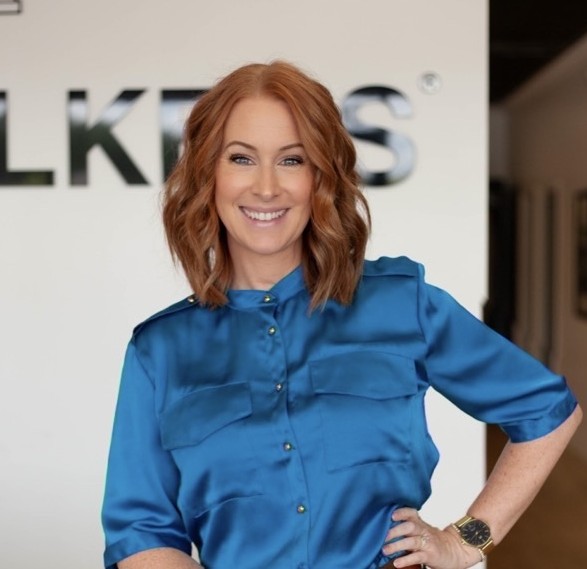
Robyn McIntosh is dedicated to becoming a trusted advisor for her clients and building lasting relationships with families. Focused on providing exceptional service, Robyn combines dedication, diligence, and transparency to ensure a smooth, stress-free real estate experience for both buyers and sellers. With a strong background in customer service and a degree in Psychology, Robyn offers a unique understanding of clients' needs, helping them find the perfect home. Robyn utilizes advanced technology, aggressive marketing strategies, and social media expertise to ensure homes are sold quickly and at the highest return on investment. Having lived in the area for over 15 years, Robyn is deeply rooted in the community. Her husband, a Jacksonville native, has served with distinction as a Homicide Detective with the Jacksonville Sheriff's Office for over 13 years. Together, they enjoy family time with their energetic 4-year-old son and 1-year-old daughter, are active in their local church, and enjoy traveling, cycling, and spending time with loved ones. With a passion for real estate and a commitment to excellence, Robyn is excited to bring her expertise and personalized service to help clients with their real estate needs.
