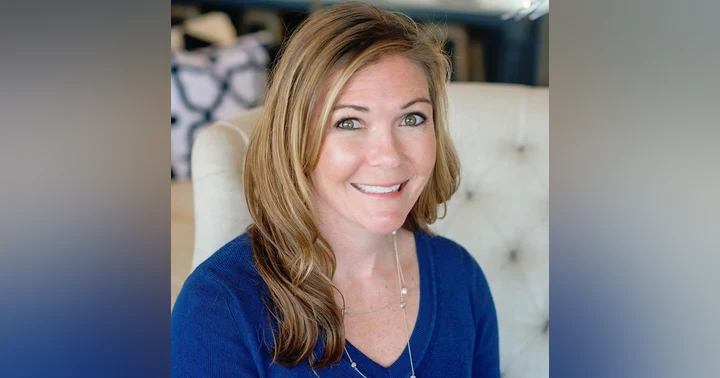
Christina Welch: There is no "I" in Team
Christina Welch graduated with a Bachelor of Fine Arts and struggled to find her passion until she became a Real Estate broker, never to look back. As she herself claims, she chose the worst timing to get into the real estate business. However,...

 Apple Podcasts
 Spotify
 Overcast
 Castro
 PocketCasts
 RSS Feed
Christina Welch graduated with a Bachelor of Fine Arts and struggled to find her passion until she became a Real Estate broker, never to look back. As she herself claims, she chose the worst timing to get into the real estate business. However, having had so many problems at the beginning of her career also had the effect of developing her incredible problem-solving skills.
In 2006, Christina started building her first team for her very own real estate business. Although she learned as she went, it took her only 4 years to grow it into one of the state’s top real estate teams, helping homeowners get out of distress homes and allowing buyers to find the house of their dreams.
In this episode of real estate excellence, Christina talks about how she builds her real estate teams, how she keeps consistent sales during crises and times of uncertainty in the markets, and how she grew from the ground up into a highly successful broker and businesswoman.
Make sure to tune in to learn why there’s no I in team and why problems can often be our greatest opportunities.
[00:00:00 - 00:10:00] Introducing our guest, Christina Welch
- Correcting the name of the R. E. Bar Camp (as opposed to Rebar Camp).
- Christina talks about how and why she handles everything in her business and how she narrows down interesting rental and buying properties for her clients.
- Christina talks about how she keeps her team motivated and talks to clients in low-moving markets.
[00:10:01 - 00:20:00] How to keep your sales going during difficult times
- Why you should talk real numbers with customers and stop listening to national media to listen to local media instead.
- How to address the worries of sellers in regard to falling prices.
- How Christina advises new agents to act in the current market uncertainty.
- The importance of going to networking events to communicate what’s taking place in the market.
[00:20:01 - 00:35:00] Overcoming tough moments in the markets and the team
- How to properly price properties in a moving market.
- Why you cannot sugar coat any situations to sellers regarding their properties, and how to tell them the hard truths.
- How Christina started her team in 2011, why she decided to form a team and how this helped her progress in her real estate career.
- How to handle the first few rough months when you begin in the real estate business. Transition periods for new teammates.
- Creating value for new teammates is important for keeping them doing a good job by your side.
[00:35:01 - 00:50:00] Strengthening your team and learning to sell during a crisis
- You want your teammates to shine and be known as experts in their fields.
- Christina talks about the books she is currently reading and listening to, citing Selling in a Crisis by Jeb Blount.
- Blount recommends getting back to the basics of sales in his book and working in markets where you need to have tough conversations.
- The basic principles of self-development and sales remain the same, even if they’re taught in different ways by different authors.
- Christina talks about the importance of reading and keeping constant learning, which she does to pass that knowledge to her new teammates.
- Christina reveals her secrets for recruiting, getting leads, and keeping for years in the business.
- Christina talks about the importance of expression and body language for potential recruits.
[00:50:01 - 01:10:00] What it takes to become a part of a top real estate team
- Why many interviews for new recruits in Christina’s team don’t work, as they don’t provide proper answers to her questions.
- Christina talks about her process of starting her first team and how she failed to build a proper team in the beginning.
- Any personality type can work in real estate, but they all have different ways of communicating.
- The importance of learning to process and control emotions for real estate agents and not let clients’ emotionality get to them.
- Every closing has its own problems and rough spots, and it’s up to real estate agents to handle them. Christina coaches her new agents on this.
[01:10:01 - 01:20:17] Christina’s biggest mistake and closing thoughts
- Tracy asks Christina about her biggest mistake working in real estate.
- Christina states that getting too emotionally attached to some of her teammates who weren’t productive enough led her to lose money and potential business.
- Brokers need to be a cold, and separate business from their friendships and relationships with teammates.
- Mistakes help you grow, and you shouldn’t compare to others when measuring your progress but compare yourself to your previous self.
- Who you know is more important than what you know because what you know doesn’t really matter unless you have someone to share that knowledge with.
Quotes:
“Who you know is more important than what you know because if you only know so much, it can only go so far unless you’re sharing that knowledge with someone else.” -Christina Welch
“Real estate is not about the houses that you’re selling. It’s about the people that you’re influencing. You want to improve their lives by helping them move and find the place of their dreams.” -Christina Welch
“If you want to build a strong team, you need somebody who has a drive and a work ethic, and that is something hard to interview for. This is why it takes a special intuition to find the right teammates.” -Christina Welch
“Failing and learning from our mistakes has helped me and my team create systems that actually work. This is how you grow as a person and a business.” -Christina Welch
“On one occasion, my emotional attachment to a person on my team prevented me from firing them when it was needed. But the love for my team is also what allows us to be a team and overcome difficulties. There’s no I in team.” -Christina Welch
Make sure to follow Christina and learn more about her business and mindset by following her on LinkedIn and Twitter. You may also get in contact with her on Instagram, and Facebook, and keep in tune with her video content on her YouTube channel.
If you want to build your business and become more discoverable online, Streamlined Media has you covered. Check out how they can help you build an evergreen revenue generator all
powered by content creation!
SUBSCRIBE & LEAVE A 5-STAR REVIEW as we discuss real estate excellence with the best of the best!
Are you ready to take your real estate game to the next level? Look no further than Real Estate Excellence - the ultimate podcast for real estate professionals. From top agents and loan officers, to expert home inspectors and more, we bring you the best of the best in the industry. Tune in and gain valuable insights, tips, and tricks from industry leaders as they share their own trials and triumphs. Whether you're a seasoned pro or just starting out, a homebuyer or seller, or simply interested in the real estate industry, Real Estate Excellence has something for you. Join us and discover how to become a true expert in the field.
The content in these videos and posts are for informational and educational purposes only. The information contained in the posted content represents the views and opinions of the original creators and does not necessarily represent the views or opinions of Townebank Mortgage NMLS: #512138.
Commercial 0:00
This episode is brought to you by Progressive Insurance. Do you ever think about switching insurance companies to see if you could save some cash? Progressive makes it easy to see if you could save when you bundle your home and auto policies. Try it@progressive.com
Commercial 0:13
progressive casualty insurance company and affiliates. Potential savings will vary, not available in all states. Hello, everyone. This is Christina Welch with the Welch team of Keller Williams. If you're looking to improve your real estate business, you need to be listening to the real estate excellence podcast with my good friend Tracy Hayes.
Podcast Intro 0:31
Welcome to Real Estate excellence making lasting connections to the best of the best in today's industry elite. We'll help you expand your circle of influence by introducing you to the leaders in the real estate industry, whether it's top agents who execute at a high level every day, or the many support services working behind the scenes, we'll share their stories, ideologies and the inner workings of how they run a truly successful business, and show you how to add their tools to your belt. Now please welcome the host with the most Tracy Hayes,
Tracy Hayes 1:04
my guest today is the leader of the number one real estate team in Jacksonville, Florida, according to Jacksonville Business Journal. She was on episode two that we did not video at 18 months ago, but we were going to get caught up. She is one of the most respected brokers team leads in the Keller Williams network and local marketplace. I've personally watched her team grow. So let's get caught up with this amazing team leader and dig deep into creating, growing and being on a real estate team, in this case, the Welch team of Keller Williams, Atlantic partners, Christina Welch, welcome to the show. Hi, Tracy. Thanks for having me back. Thank you so too. I'm really excited about that. We were talking about pre show, about the reels we're gonna cut off, because they're gonna blow up the YouTube shorts. I think, Oh, well, I hope so. I think this is good. I mean, you've come a long way, lots of new equipment. Your studio looks amazing. I appreciate that. It has been an interesting growth thing, as I mentioned, pre show, you know, launching the YouTube channel just a little over a month ago. I should have launched it earlier, because I would have noticed a lot of the things I was doing in the video. Part of it, because I think people miss out. They don't understand. They try to simplify a podcast right down to who, how many downloads you have on Apple. It's really not that, actually. I mean, there are great shows out there, and they're great people that have audiences, and they do get 10s of 1000s, just like some of our YouTubers have followers and so forth, and they built those up over time. But really the the podcast now is the content that's created from it. And, you know, hearing great words and then cutting it into short term, which is our or basically our peoples can only listen for 30 seconds. Anyway, I agree with that. And I'll say that most, most of our team, listens to podcasts in their car when they're driving. So they're not really watching the whole video piece of it, but they're listening to the tips and tricks that all the agents have done in our industry, and kind of learning from that. So it's great. Well, it kind of keeps you, well, that's one of the part of the show. And I think I might have expressed this to you, you know, 18 months ago, and it's because it's been the same thing. Hopefully, someone out there, you know, someone trying to get into real estate, they're going to hear you today, stuff that you're going to be talking about. Go, man. I resonate with her. I like what she's saying. I want to go talk to Christina and get to know more. Or again, it's just some piece that a lot of people talk about consistency and what they're doing and, you know, gives you that charge say, hey, I need to keep doing what I'm doing, right? Yeah,
Christina Welch 3:26
so Well, I'm excited. You made me a little nervous last night on these questions, because I didn't get to see any of these. To start with, I get to shoot from the hip.
Tracy Hayes 3:36
Now, these are real easy, actually, the first one though, did you know? So I was corrected on Monday, Miss Kim Knapp was on the show, and Kim being a very influential person and organizer of it's called the RE bar camp, I have been corrected. I used the slogan or our our slang, rebar. It is not rebar. It is R, E bar camp. Yes, yes, I did know that. But that's just because I've been fortunate enough to help present at it before. And so I have been corrected. But it is real estate bar camp, that's right. So I have been corrected. What's interesting, if all the shorts I've put out in, what did the last month and a half, or whatever I did, the real silly one and saying, hey, it's not rebar, it's R E, bar camp. I don't know if you saw that quick little, real idea that blew up, but
Christina Welch 5:08
Yep. So end of 2011
Christina Welch 5:10
we transitioned to brokerages, and we kind of launched the team from there. And we've had Kelly on the team on this as well. Kelly was our first hire, as well as George and so, um, they've kind of been with us ever since. And right? So I want to, I want to really dig in you have 11 years behind you. And if anyone wants, or is thinking about starting a team, you should be on their short list to talk to of the the moans and groans and the pains of growing that and then, you know, I didn't think about this, but I did mention it the other day when I had Austin prick on you know the difference between you, Sarah Rocco and Cece, you all have three successful teams, but run differently we do. Yeah, so we're gonna dig in a little bit bit about that, but let's get caught up. Personally, you recently, oh, well, it's probably been what's up in six months. You bought a property, investment property in Georgia. You're doing some airbn. Are you guys going up there for Christmas? We are. So it was rented the entire week of Christmas, and then cancel, and we're like, Oh,
Tracy Hayes 4:23
then I had a lot of comments that I'm still calling it rebar.
Christina Welch 4:26
It's funny. It's our Ebar camp, and it's also real tour. So you should probably do a short on that one too, because some people say realtor, realtor, realtor depends on where you're
Tracy Hayes 4:37
from. Yes, I've been corrected by Florida. Realtors, yes, real doors. So we're not going to get the first show. Obviously, we dug into you personally, and where are you from, and what grew up. But I really want to kind of jump right in. I want to, I think there's a lot of, I would say a lot. I mean, obviously, I think a lot of agents in general, you'll look to what you have now. I. Mean, what is, what's it been about? When was the actual team kicked off? Was it 2010 ish, when did
Christina Welch 5:05
you actually so? Well, it's 2011
Tracy Hayes 6:09
perfect, perfect.
Christina Welch 6:10
So yes, we bought our first VRBO. We actually people are always like, why should I buy real estate? And I can tell you this story because we bought our first house in St John's golf and we bought it on Craigslist, which a lot of people don't know, and the market took a crash after that. We're like, oh, we'll never make back our money. And then, fortunately, we were able to sell it and make a pretty decent down payment to be able to buy what I call our dream lake house. And so cool real estate is great, great investment for anybody
Tracy Hayes 6:39
now you've so you dabbled a little bit in the Airbnb or VRBO, is that where you have it listed? So lot of people, you know, there's been a rush to that, people wanting to buy investment properties, thinking there's all this money to be made, which there can be. But there also is a lot of logistics involved. If you're wanting to rent a place out for the weekend or just a night and that sort of thing. Yeah, you can get top dollar for that night, but you're also paying top dollar to have the place cleaned if you're not doing it yourself, and then after a while, if you're doing it yourself, that kind of gets wears
Christina Welch 7:11
it out. Yeah, exactly right. And like for us, we decided to do a three night minimum because of that. So we have to pay the cleaners whether a person stays one night or two nights, but three night we did a three night minimum. And for us, if you were to ask Carter anything about how the logistics work, he would have absolutely no idea. That's my husband. And so I kind of handle everything, but it's been a little bit of a learning curve. And if anybody's looking at investing in short term rentals, I can say that it's been very lucrative for us at this particular point. But I know people who have had a hard time getting their properties rented, and I think it's just location, like, if there's 20 other Airbnbs within a specific region of where somebody's looking, even on the same street, it's going to be hard for them to narrow it down. Yours is right on the
Tracy Hayes 7:55
lake, ours right on So, yeah, that that obviously separates it from someone who's not on the lake. Yeah, that's the first divider right there. Obviously you're gonna charge a little bit more. We have noticed in our short term rentals that that we have, we've been lucky that people are actually renting for months at a time. Oh, that's great. So it's a little easier. But when we were just we thought about doing the very short term every time you turn over, making sure the cleaning person is my wife is very particular about how it's cleaned. A lot of times she goes in after the cleaning people and makes sure that it's even better. Yours is lucky and it's far enough away You can't drive up there in a few minutes to do that. Oh, just one that wanted to touch on that and so forth. What does change of pace a little bit. What right now? What are you telling your team? You know, with the market change last year, it was multiple offers, and, you know, get the offer in, you know, right away, and then make sure that offer is strategically placed. So hopefully yours gets to the final two or three out of the 20 something that we're going out. But now the market is settled a little bit. I think there's a lot of uncertainty in a lot of people's minds. So what are you telling your team
Christina Welch 9:02
there is and so let's flashback. So summertime, there were multiple offers, lots of buyers looking, you're still competing, and we started to see a shift. And when the shift happened, it happened so quickly. We were already living in it. We just didn't realize it till it fell completely. And all I can say to anybody, including our team, and now we're training on how to have the right conversations with people, because interest rates at 3% is insanity. That is the lowest that it'll ever be. And for it to stay there, it's not economically sound for our communities to continue to have a 3% interest rate. So when I got into real estate, the average interest rate was 8% so I was selling 8% on condos and single family homes. And, you know, even then, people bought and sold property. I think this market is going to start weeding out those people who are motivated, but not extremely motivated, like they don't need to move, nor do they want to move. And so they're letting an interest rate affect them when essentially they're going to be living in this house for years to come. It's not like you're going to buy a house today and then sell it a month later if the interest rate changes. And so from a homeowner standpoint, you need to look long term, because that's essentially where you're going to be. And think about the equity and the growth that we've had, even in the last year or continually since the markets transitioned, it's still going up month over month, so we're still 11% increase year over month over month, not year over year, with where the pricing has gone in all six counties. And so I think we need to start talking real numbers with our customers, and stop listening to the media, because the media is national, and they're not local to what's happening here, and we still have the lowest house prices than any other place in the entire state of Florida. So I think it's, I still think it's a great market. I'll always be an optimist.
Tracy Hayes 10:55
Well, you're just listening what you're saying there, and it may something just resonated with me. The rates were so low and sometimes going from three and a half to three or something like that. You know, it happened several times in the last several years that some of these people, because we have, you know, the high demand, or there was already, before covid, there was already 1000 people moving in the Florida every day, as it was. So they're like, Oh, well, I can now go buy this house over here in this community where my friend lives, or I can go out to nakati, where I really wanted to go. And even though I'm paying more, the rates going down a half a percent, my payments, I'm going to be a little bit more, and I'm going to get I'm going to now they're bouncing around some communities, I think, I think, and what you were saying there it was reading, and we're not going to see so much of the pleasure movers, just if I want to use it. I don't know what a good better term for it is, but the moving around, moving around locally, just from community, because we've seen a lot of that. We have seen a lot of that just bouncing from community, community to be be next to their their friends. So are you seeing, you know, just really, probably the, I don't know, maybe the last 90 to 180 days, as far as recruiting agents, are we seeing less agents coming in and some agents falling out? Have you started to see any of that?
Christina Welch 12:10
Yes, I do want to touch base real quick on sellers, because sellers are still a little weary of what's taking place, because they're looking at prices dropping in their communities, and this feeds into what you're saying. We still have a lot of new agents in our communities that are out there advising sellers, and nothing against it, but at some point we have to level back off to what pricing needs to be in communities. And so we're looking at it a two year term. What was your property were two years ago, before the world had a pandemic. Then the world went crazy, because everybody moved to Florida, and then what took place after that. And so if you look at a two year scale, you're still seeing a large increase in property values from two years. And if you can get even a fraction of that, the equity that you've received in that property is huge. Yes. Okay, so with that being said, new agents hitting the market. So we get a list of all the agents that are newly licensed in the state of Florida, and then specifically for our region. So we hone into those agents and we reach out to them, because we're constantly recruiting. I will tell you, in the last three months, that number has gone down significantly. We went from 152 months ago to I put, I think, 60 total people in the system yesterday. Interesting.
Tracy Hayes 13:29
So do you think it's because of the overall uncertainty in the in the talk on the national media? You know you we see, I obviously go in and log into my youtube channel every morning and on the home there'll be all these guys. You know, the markets crashing here are Idaho, Boise, Idaho, which was a hot spot, their markets down considerably. Obviously, it's cold weather there too. Now, who moves in December in Boise, Idaho, right? So, so you think it's just simply that the same uncertainty that our buyers and sellers and existing agents have the new age is like, Oh, I don't know if that's the right industry right now, we may have a collapse, and I'll be stepping into it, and it won't be pretty.
Christina Welch 14:10
I think that we always have seasonality in real estate. So whenever we do our numbers for the year, we do the bell curve, and it's all it always falls off, even though it doesn't snow here over the holiday timeframe, because most people wait. They want to wait till the first of the year. We hear that a lot of that we want to wait till the first of the year. Agents coming in the industry, though, I think they're starting to realize, like, this is not an easy job, and it is. It's almost 24 hours a day that you're that you need to be available, and it's sales, it's not HGTV. I always tell everybody, like, if you are coming into real estate, because you've been watching HGTV and it looks fun. Yes, there are certain aspects that are fun, but it is sales through and through. So you need to watch the boiler room and make one more phone call, because ultimately, at the end of the day, the more people you talk to, the more successful you'll be in the.
Tracy Hayes 15:00
Business. Would you agree? We know. We've we've probably talked, I talked about this a lot on on the podcast, like you just said, 24/7 our industries in what we do, and being 100% commission based you have you when you put the realtor suit on, you're wearing it all the time. It's not something where you, you know, you check out when you walk out of the office at five o'clock, if you're out at five o'clock. Or, you know, yeah, you might have been able to escape at two o'clock to go pick up your kids, but you're, you're fielding a phone call, and maybe you're talking to somebody at seven o'clock, because that's the best time to chat with them. Or, you know, whatever the situation is. Our new house camera, whatever it is. But you have to realize, in this in this industry, you're putting that suit on. But as Austin preck said, one of the greatest benefits of being if you are gaining business by going out, whether it's at your church or you're in the gym, wherever you're doing your hobbies and your other things in life, and you're able to get referrals from that that's like,
Christina Welch 16:01
that's heaven. It is. It's amazing. And you want people to look at you as the expert. And when I say you work 24/7, I mean, you have to have boundaries. Obviously you have to sleep, you have to eat, but at the same time, you're commission only, and so when you go to commission only, you just want to make sure that you're available when your customers are available and you're answering on your listings when they need to be answered. And you know, we hear all the time like I've been trying to get in touch with this agent, and I just can't reach out to them. And so our immediate response is, have you talked to their broker? Because if that one person goes off on vacation and you need to have a conversation with them, they can't just shut their phone off. Yeah, unless somebody else has been in charge of their work, which is why team is so important,
Tracy Hayes 16:43
team. And we're going to dig into that here. What are you What are you been doing this year? As far as I assume, did you go? You went to the big Keller Williams jamboree? What are some other things that you're doing? You know? Because I'm always interested in, you know, what do you what are you reading? What events did you go to this year for? You know to you again, stay sharp and stay in front of your
Christina Welch 17:02
team. Oh, gosh. So I went, we took our entire senior team to Austin, to the Keller Williams conference. But for us, it's, it is a lot of podcasts. We're constantly listening in to see where the market's going the Zonda report, so I don't know if you listen to that one. So they give quarterly market updates nationally and locally, as far as what's taking place in our market, in our region, and then just going to networking events and talking to other agents in our community as far as what they're hearing, what they're seeing, because those factors really push, push us to our next level and make sure that we're communicating what's taking place in our market.
Tracy Hayes 17:36
I was actually, I was down at Dirk Schroeder's office in Century 21 down in St Augustine a couple weeks ago. Would they were talking they had actually, NAR had put out the report, you know, I guess they do a video report as well as I assume they printed as well. But they're showing this chart, and it was kind of interesting, slightly little change of angle, but still staying on. You know, what are you paying attention to? What reports right? And they were noticing, you know, how some the true price by the time the house is, you know, the original asking price, the actual contracted price, and then actually what it ends up selling for. And that report was seen to me so clear on pricing the home correctly, and the people who price it correctly, and I'll brag about my wife, she in our neighborhood, listed the house, got escalation clauses, ended up selling the house for $20,000 over the asking price. Obviously she looks good to the sellers. They had four offers within, you know, 48 hours. And, you know, literally listed on Friday, my Monday, they were, you know, had who they were going to go with, and so forth and and right now, how important, based on those reports that you're looking at, the days on market, and then what it actually ends up selling for how important it is for buyers to listen to that buyer, a selling agent, listen to Kelly on what they should be selling this house for.
Christina Welch 19:09
It's, I mean, it's huge, and it's more neighborhood specific. So you want to really hone in on the numbers for the community, because our community might have multiple offers still, and another neighborhood might see property sitting for 60 to 90 days, which we're starting to see again, and people are like, Oh, my God, the sky is falling back in the day. I can say that because I'm old and been in this industry for quite some time now. Like property sat for a while, and we didn't have multiple offers, and we didn't have a supply and demand issue like we saw when we were having 1000 people move to our area a day, and so we need to, we'd say five by five by five. So we look at five active listings. If there are five active listings, we look at the five that are under contract, and we look at the five that were sold, but we gage those that were sold within a six month time frame. And we really want to. Only look two months back to see, did they have to have a price reduction? Where did it end up selling for based on square footage? And then have there been any upgrades to that property that we need to make adjustments for? And we want to price below that number. We don't want to price above it anymore moving forward, but it just depends on the community, because those actual numbers that you're seeing in there are the ones that are going to be determining factor of where the property is going to
Tracy Hayes 20:26
sell. How far below is there? Is there 5% I mean, is there? Do you? What do you
Christina Welch 20:31
I wouldn't price it too far below what I call market value, because if you've got five competing properties on the market, and they're all priced above what we feel like the current market value should be. You want to price a little bit below them. So that way, not only does your property stand out more, you're not going to have to reduce, reduce, reduce, to try to
Tracy Hayes 20:49
catch up. So the house, last house, sold for 510, you might list it at 499,
Christina Welch 20:54
I would look at all the factors before making that determination. But yes, you have. You really have to gage into those specific numbers interesting, because we were pricing above market value last year and getting multiple offers and seeing escalation clauses, and we're not really seeing those anymore, so you don't want to price too high where you're pricing out of the the price point that the buyers are willing to pay for the property, because you're not having those competing offers anymore,
Tracy Hayes 21:20
since we're on this the listing subject matter, what is Kelly coaching her peeps and her clients, as far as, because, I think some people got really lackadaisical, from the standpoint, like they didn't really have to clean up the house too much. They didn't have to maybe get the landscape, you know, to make, you know, put the, you know, the bow tie on the house, so to speak, to make it look good. They could sell it the way it is, because they just were kind of being lazy with it. But today is a little different. What are you What is she coaching? Is We? Are we pushing more to, hey, we need to declutter and stage and maybe we need to clean up to landscaping a little
Christina Welch 22:01
bit. Okay, so that's a loaded question, because I always learned in marketing, if you have a three series BMW, you're going to market it the same as your seven series BMW, because it's still a product that you are pushing out to your consumer. So with that being said, when the market transitioned the way that it did. We didn't really change the way that we marketed properties. We still sent the stagers in, we still send the cleaners in, we still do professional pictures. We want the sellers to have their home in show ready condition, and we're not going to do the 3p that are so pronounced in our real estate with we put a sign in the yard, we put it in the MLS, and then we pray that it sells, because the three piece,
Tracy Hayes 22:43
put a sign, put in the MLS, and pray.
Christina Welch 22:48
So we try to avoid that by having constant conversations with your house needs to be in show ready condition at all times. We need to make sure that we get all the buyers, and we're going to push it out. As far as open houses are concerned, we're going to call your neighbors, and we do a ton of marketing on the backside. I think there's like 20 total steps. But if it still isn't selling, then there's a reason for that. It's either price condition. Location is huge, so there's only one thing that overcomes that, which is price for location. Because if it's not selling, and you've had 40 showings, it's either going to be the location, the condition, or the price. And so those are the things that we talked to the seller about consistently.
Tracy Hayes 23:31
So to lead into where we actually wanted to take it, what is a What are you What is Keller Williams coach was, you know, Kelly obviously has been being a listing agent for a decade. Not every seller is going to want to cooperate. No, they don't. Well, how do you have that
Christina Welch 23:49
conversation? So that's one of the things that I think so funny. All of our listing team, including Kelly, who's leading the pack, can have hard conversations with sellers. It's not that our buyer team can't. They're just a little softer about it, because they're on the other side of the fence, and people are excited to go out and buy property. Sellers don't really want to have a conversation with my house isn't going to sell where it was last summer today, and so having direct and being honest with them conversations about our our opinion of where the house is going to sell at is so important, and we don't sugarcoat it. We can't sugarcoat it, because if we sugar coat it and we tell them that their house is nice and it smells lovely, when in actuality, it smells like a cat's been living under the sofa for years and years and years, like we need to be honest with them about it, because that's the only thing that is going to get it off the market. And remember, we don't get paid until it sells. So it does us no no justice whatsoever to lie to them about the condition or the price of their property,
Tracy Hayes 24:47
right? You've been, you've been leading the team for 12 years now, right? Yeah, roughly 2011 Well, we're going into 23 here. I mean, it's only a couple weeks away
Christina Welch 24:58
end of year.
Tracy Hayes 24:59
What you. Envision being a team lead 12 years ago to where you're at now. Is it what it's cracked up to
Christina Welch 25:06
be? I think so. I've always wanted to own my own business. I think I told you this a while ago. Honestly, I didn't know I would be out of the selling piece of it for as long as I have been. But for me, I get so much more out of training the agents on the team and helping lead the team to bigger growth opportunities than I ever would being out in the field. And so I didn't think we'd be where we are, and I'm excited. And I was looking at a chart the other day of where we've started and where we've grown to. And even though we didn't hit our goal this year of where we wanted to be, the growth in between the two is so significant. I'm just very happy to be where we're currently at.
Tracy Hayes 25:45
Right, for some you know, obviously, you know, a lot of dreams of agents, you know, is the team, until they realize what is entailed. And I think a lot, you know, obviously the first impression, Oh, you want a team because you think you're not going to sell anymore. I mean, how many years did you go before you actually were able to, you know, get out of the day to day, you know, showing homes and so forth, to actually focusing on the team.
Christina Welch 26:11
So we started the team in 2011 in which we started adding buyer agents to the team. So at that time, I was still out showing property, and then once I told the buyer team, like I was not going to sell anymore to buyers. I was going to give my entire buyer business to them so I could focus on listing property, that was the first transition. And then I went only on listing appointments and only work with sellers. And then when I told the listing team, these are all your customers, this is the only way that I see as a fair opportunity for you to trust me and not taking the creme to the clarem of customers that are actually going to sell quickly, I had to step completely out. And so for that, I think it built trust within the team. So timeframe, it's been eight years since I've been selling real estate. So 2015,
Tracy Hayes 27:02
so roughly, about three, three to four years, three to four years of having the day. But you were fortunate enough, and I've mentioned this before, and I think with, even with, you know, George and Kelly and Katie, you were on the show before. You've been fortunate enough to have some, you know, obviously George has been George and Kelly been with you since the beginning, yeah. And that is very hard to find, is, you know, those, those teammates are really, you know, they're working under the Welch team, but they're, they're putting in just as much work as as you are. And to have, I guess, you know the loyal people that you have, where not every team is fortunate to have that. So you have to be prepared now you get some loyal people. Yeah, you will grow faster, obviously. Which one of the one of the questions that, what are you doing? You know right now, as far as you know, I've known your team since the beginning, and agents have come and gone, you know. And I don't think it's just your team. They're moving around right now from brokerages to brokerages. So you know, where the value they see value somewhere else, or the grass is greener on the other side. But what are some, some of the things as a team leader that you and George and Kelly that you put together to for retention? I mean, yeah, yeah,
Christina Welch 28:13
retention is one of the hardest conversations to have from for any team, and I'll say that wholeheartedly, because even though we tell new team members it's hard, like this business is hard. So if you're new into the business, or if you're like, transitioning over, we have set standards and goals for our newer agents on the team. And if you're not hitting those key metrics, then it's unfortunate, but this might not be the right job for you. And so key metrics being like prospecting time and actually following up and offers written and offers accepted. And so there's so many key components that go into that piece of it to be successful. And if you lighten your foot off the gas, or if you're not wanting to come in and make phone calls, or if you're not wanting to go out and meet customers, then it's probably not the best industry for you. And when we say it's hard, I don't think people understand when we tell you like you're not going to get paid for four months and it's going to be thankless, and you really haven't made it in real estate, until somebody tells you to really just f off like you haven't made it, and it's going to take some time, but once you get past those four to six months, you'll start seeing a little bit of income, and then it's gonna it's like a snowball effect. It'll eventually start to just come because your pipeline is there and you're following up with all these customers, and those B buyers become a buyers, and those C buyers become b buyers. And so there's no other way to tell people except for them to live it. And unfortunately, there can be a revolving door with the newer team members, because it's so hard to transition that
Tracy Hayes 29:48
Well, I know I've had a lot of discussions with people as far as recruiting, and some, some of them will flat out tell you, I'm actually the the anti recruiter. They'll use that because they really be. Where that person steps on, they really want to test it, because of the time and energy that all of you put in when a new person comes on, that when they leave, you know, it's like anything, and just, just because you're not paying them a salary and so forth, you're still pouring into them every day, and you still have, you know, you're human and you care about them, and you want to see them succeed. That's why you brought them on the team, and to have that conversation that you're talking about over the last 12 years. Though, you know, I know you follow Keller Williams, you know a lot of the things that they're teaching, I think you've explained to me before in the past that you know you whatever they told you to do, you did to the best of the bill of your ability, because you knew as a path to success for you. How have they? Have they changed over the last 12 years, and in, in, in those conversations that they have, as far as the upfront conversation before they even come on the team? You know, in other words, you know, setting those expectations to then obviously, someone who's been with you for a couple years and now is like, well, I don't really need the team. I think I can, you know, go out and do this on my own. Or, hey, there's another team over here that, you know, I think I can do better at. Are they coaching differently? They've changed anything in their overall in the greater Keller Williams program,
Christina Welch 31:18
they have a accountability partner. They call it a production person, to help with growth of new agents. We are a little bit different, though, because when we interview agents, they're joining Welch Team and Keller Williams, so they're getting the all the energies and efforts from our team, and not the company, unless they want to fall back so we can supplement some training. But for the most part, because we have our own office, we just may basically do everything in house.
Tracy Hayes 31:46
So what is you? Obviously, George and Kelly are making the most contacts. I mean, you're not that your office is that big, that you don't see everybody walk in the door every day. But as far as again, someone, someone wants to grow a team, you found the either they themselves are going to have to do something they will at first, or they have a couple of the loyal soldiers that you have that are going to have to be constantly training themselves on retention. Yeah. I mean, the bottom line is retention. I mean, the longer you can retain the client, longer you can retain an agent. The you know, the greater return on investment you're going to, you're going to get from them that they have to be committed in. I assume, I assume Kelly and George and all your, you know, you have a couple other key leaders that are there that have been with you for a while. Are Is there things that they are doing with Keller Williams, or who they're listening to, or they're reading to, to constantly be improving what they can do for your
Christina Welch 32:43
culture. So we have coaches that come in and have helped our leadership team, I will tell you, it's not about the commitment, it's more about the value. And so what value are they getting, like, by why they're on a team? And if you're new and you're like, oh, I want to start a team, or I want to get there someday, what are you providing to your employees, basically, or your I call them my family, because I really love every single human that works on our team, but it's really the value, and we as a team know our value through and through, and can say it to anybody coming through the door, because we want them to be successful. And I'll tell you, a lot of teams don't have that knowledge, and they're like, Oh, I'm going to start a team, but what does that mean? And and how are you going to help that person? And so for us, like we know that we have 25 people on the team now, we need them to have a sustainable life where they're actually making money, whether that be a salary that we're paying or commission that they're receiving. And so from there, what other value are we trying to give them?
Tracy Hayes 33:48
The great word you use value and is there that has as any leader? I think that's the difference between I'm seeing a lot of lack of true leadership, and the other word I want to use is vision. We haven't got the vision yet, but value. Sarah Rocco said it greatly. They're going to go where they see the greatest value. And if you're no longer adding value to them, then they're they're off to go find someone who is going to add value to their life, or value to their their business, and is that's got to be the number one conversation or number one stress that you have with your name out there out front and obviously knowing that, hey, I need to retain these people. I want to make them great, but they got to be happy. What value am I adding to them on a daily basis? Because sometimes you've got agents have been with you, or, you know, again, George and Kelly been with you for a decade or more, and and Katie and some others, and they need value too. Yeah, yeah. So what are some of the things you do when you're sitting in your lake house in Georgia over Christmas, like thinking about, what am I going to do in 23 to continue to add value, continue to move.
Christina Welch 35:00
To need them. So we've already sat down and planned out 2023, and as a team, we've created tiers within our team so that you can grow to a new tier with that though, there's metrics that you have to meet and goals that we help you get to, and then there's other value that the team provides to help you get there, whether that be an ISA or our closing coordinators or our marketing department, or specifically farming and helping you farm a community, so that way we're always pushing your information to the top and not just Welch team, so your friends and families can see you and know that you're the expert in real estate and you're part of this great team. Right? Notice, I didn't say you're part of this great team. You're the expert, because we want the agents on our team to shine and be known as the expert.
Tracy Hayes 35:47
Well, I mean, you, you would agree with it really in though Keller Williams is out there, but the actual customers we're dealing with, they're not going, Oh, hey, let me find a Keller Williams agent. Right there. They're going, who's the agent that is the agent for this community, or who's the agent that I'm seeing regularly on social media, or, you know, sending me the updates. However you're, you're marketing that it's not the name anymore that you may have had, you know, 20 years ago. I think, if we're talking to some of the century, 21 people, you know, we always remember the gold jackets that they wore, right? It was either the gold jacket or REMAX with their balloon, right? You those were the icons at the time. As far as real estate, you could pin it. But now today, it's, it is actually the physical agent themselves has to brand themselves. Now obviously, toting that I work for Keller Williams, and I have all the support. Great. Same thing for me. I thought, you know, I tell agents, they asked me, Hey, how's one depot? I said, it's great. Every time I throw in a loan, it's like a hot knife through butter, but I don't go around, you know, pounding, hey, do business with me because I'm with loan depot as we know, it's a relationship business, and people are going to do who they like the same. The clients are going to pick that agent, who they will bond with. There. Went off on my little tangent there because I wanted to ask another question, but it will come back to me. I know you read a lot. Who are who are you reading anyone right now, or listening to any particular book right now?
Christina Welch 37:16
Oh my gosh, yes. I read a lot, and I listened to a lot of books. I just got, reading stun reading, selling in a crisis, the new Jeb Blount book,
Tracy Hayes 37:24
selling in a crisis. Yes, what's a what? Give us some meat of that.
Christina Welch 37:29
So Jeb Blount has sales company. It's sales gravy. They teach any sales company doesn't have to necessarily be real estate, how to sell and how to get on the phones and how to prospect. And so he wrote a book called selling in a crisis, and it's phenomenal. It basically just tells you to get back to the basics. And one of my favorite comments in the entire book is it's quoted by Warren Buffett, and it says you will know who's swimming naked when the tide goes out. Yes. So so with that being said, we have a lot of people in our industry that have been trying to keep their head above water, but they've never had to really work in a market where we have to have these tough conversations and make sure we're pricing property property right from the beginning. And it's just, it's such a good book, I really appreciate you reading it. So
Tracy Hayes 38:20
we talk, we listen to different people at different times. But I think the general masses, you know, in our in our industry, like a book like that, and like, they're like, Christina, why are you picking up that? You know, you've read Brian Tracy, or you read Zig Ziegler before, they're all saying the same thing. And my answer to that, the answer, my own statement there, is, if you were doing what Zig Ziegler told you verbatim in the book, or what Brian Tracy, are there many others that sales books that are out there? Yeah, you would. You probably be that person that leaves the office at three o'clock and just reads for pleasure, or sitting on the beach at their beach house and so forth, because the reality is we've got to keep filling out. I can't remember was Austin Creek, but we were talking about something we have to reach. I know what it was. I had Missy Katie campmeyer on and I ran into her at the real producers event last week, and she was talking about how her career had reached a point where she had created so much business and everything she spent, I think it was a month over in Germany with her brothers that they ran a marathon and everything. She didn't run the marathon, but her brothers did, and then next year, she's going to go spend all this time in the British Isles. I think it was, I don't know if she's going to Ireland or England or London or what, but she had reached. She has reached this point that you when you're chasing, you're chasing, you're chasing, you're chasing, and then she hit it. She's reached that tipping point, right? And I think a lot of the people, why should I read all those sales? Because we haven't reached a tipping point yet. We have to hear somebody tell us so many times, and no one's more example than me. If. Two years old, because I see some of these 30 year olds killing it. I'm like, I'm like, Man, I wish I knew what you did. I did. You know these things when I was your age. You guys are, you know, I'm so flattered to even be around you because of the progress. But you have to keep filling yourself with this knowledge. You may have to have someone tell you 10 times in 10 different books, pretty much to do the same thing.
Christina Welch 40:22
I agree, and I think you learn a lot. I mean, obviously, if you read you're going to learn a lot. Some of the leadership books, they all do say the same things, but in different ways. So everybody learns differently, and you might just have to hear it a different way for it to finally click. And for me, I actually do enjoy reading, but I also listen to podcasts. And I listen to Audible on my headset too, because I like to get out and go walking or running. And so if I can take those little nuggets and put them back into the team and help them with some more knowledge for whatever market we're in or whatever struggle that they're going through, and give them some actual words that mean something, I think it goes a lot further. Yeah, yeah,
Tracy Hayes 41:02
just the and again, hearing it. Someone say it three times, because we may hear it. We have podcasts. You're doing your run, you heard in the first five minutes, but 15 minutes later, you've heard four other things, yeah. And now you so you have to either listen to it again, or someone has to tell you again, to remind you. And you keep adding that value, because you you're pouring into them as much as you're pulling out of that book. Hey, folks, this episode was produced by streamline media, the number one media company for helping brands generate content that converts I knew I wanted to start a podcast to reach more people and bring value to the world, but I did not have the time or the knowledge. Streamline media became my secret weapon to building my show, they handle all my back end work, production and strategies to keep my show going strong. If you're in the real estate business and looking to make content that generates more leads and brings in more revenue, check out the streamline media link in the show notes and discover how partnering up can supercharge your path to real estate excellence. Transitioning here a little bit, and we talked about a little bit you got out of production roughly three to four years. During around 2015 you got out of production and truly started to lead the team. So again, talking about being a Team Leader, and what's it take to have your own team. What's the day in the life of Christina? And what are the you know, obviously, we know the stresses. Am I adding value? Imagine that's a question you're constantly asking yourself. But what are some things that that you are doing consistently as a team leader to obviously, I think everyone wants some sort of consistency or foundation in their life, that people are coming in and they know, hey, Monday, Christina's doing this. Tuesday, she's doing that. What are, what are the things that in the day of the life of Christina as a team leader, that you are doing
Christina Welch 42:52
so right now, we're super hyper focused on making sure that we don't have any cracks, any cracks in our system, any leads that have come in that have fallen through, or like have been lost, or is our customer service there? So right now, we're developing new systems to make sure that nobody falls through the cracks, and that we have not only great customer service, but we're actually reaching out to the customers throughout the process to ensure that they have a good experience and or if they're not, how do we fix that piece of it? And so if you see me, you see me in my office, and I sometimes put my blue light glasses on because I'm trying to figure out some tech stuff. I'm not a techie person whatsoever, but that's that's what we're doing now. So we're trying to show value and add more value to our agents by putting in a plan that they're going to have the best customer service, so their customers are going
Tracy Hayes 43:43
to so that's really like ongoing though, isn't it? I mean, you're 12 years in, and you're still trying to get even
Christina Welch 43:48
better. Yes, yes. And so every year you have to look at your business as an overall whole, and where is your crack this year, what fell through that you need to fix? And it could be an array of things, and for us, it was solely customers that didn't get put in the system, and that's it. And so how do we fix that process? And so we're working on that piece of it now.
Tracy Hayes 44:09
Are you leveraging technology for that Amanda? Because imagine all you guys are you're constantly being called, not only by loan officers, but you're constantly being called by tech companies wanting to sell you another
Christina Welch 44:20
widget? Yes. So I try to avoid the bright and shiny, because that kind of change terrifies me. But we work with Salesforce right now, which is the number one CRN system in the nation, and so for us, we wanted to be able to leverage that in our business, and it has so much backing behind it, and this isn't a commercial for it. We just haven't even touched base on the beginning pieces of it yet.
Tracy Hayes 44:43
So let's break that down a little bit. Because you, you, you have leads coming in from different things, whether you're, you're, you're buying leads, or assume you're still buying these, you know, the zillows, know. So alright, so explain this where, what are the different funnels, or where leads are coming in. In, and then what are the what's, what is a process that a team leader needs to have in place to make sure that person who calls in is put in the system by somebody who's answering the phone, because sometimes it might not be an actual agent who answers the phone, and make sure that's in, and then to make sure an agent is actually assigned to
Christina Welch 45:18
it. So technology has grown so much that there's this thing called AI, and I'm sure my phone is currently listening to me and will send me something later
Tracy Hayes 45:26
on, but we'll say Amazon.
Christina Welch 45:29
And so if all of the systems can talk, which is what they can do, we're just trying to work out the kinks so that they will be speaking. So if somebody calls in, it auto gets fed in. If we have a lead that comes in, most of them get fed in. There's just a few that don't. So those are the ones that have fallen through.
Tracy Hayes 45:47
So someone just calls in. Let's say the agents are. There's no agents in the office at the time when the transaction coordinators maybe, obviously picks up the main line and says, Hey, I'm John Smith, yo, I want to I need someone to come talk. I want to list my house. What's the steps they're going to take from
Christina Welch 46:03
there? So they would refer them to an agent, and they would automatically put them in our database, unless there was an email that came in, then that would auto feed. So if it's a phone call, that's where we're working on and we just moved all of our phone systems to voice over IP, right? And so that voice over IP system actually connects to our our CRM. So we're trying to figure out how to get the two to actually communicate.
Tracy Hayes 46:25
So the phone call comes in, the CRM is picking up, oh, we got a phone call from this phone number, yep. And then it's, it's, it's putting it on the screen for whoever answered
Christina Welch 46:36
it. Well, it'll put a new lead in the system, or if it's a duplicate, it'll say Duplicate lead, okay? And then we have auto things that'll automatically assign to that customer, right?
Tracy Hayes 46:46
So, right? You know, having worked in the call centers, as you know, quicker than that, that's, yeah, they're picking up. You know, when I put in a social security number in an app, you know, taking an application right immediately now, will tell me, hey, you know, there's a duplicate social security number in there or not, right? So your phone number is picking up, and then it's alerting someone, hey, I need some information, and they need to start taking that basic stuff down.
Christina Welch 47:09
But that's one of the the key things. Like, even 16 years into the business now, it's like, Did I put in every single person I ever spoke to into our database? And I can honestly say no, so that's what we're trying to fix,
Tracy Hayes 47:21
right, right? Well, I think, would you recommend? I mean, obviously, you know, again, same thing 17 years in the business. I wish I kept the name in front of everyone that I ever wrote loans for. But you kind of start working somewhere, and you're like, oh, yeah, but you may not be there forever, or they change the system, or whatever it is, and it again. It goes back to our, you know, every one of those people, if you were sending them birthday cards or whatever, how many leads would you have gotten from those people over time? All right, recruiting wise, good. Step back to that, because I wanted, I'm digging into your daily business. Are you in charge of recruiting, or do you have someone else who kind of takes that
Christina Welch 48:00
so for the agent recruiting piece of it, we have several steps to our hiring process. Somebody applies, if they apply and we like what their resume has to say, then we'll do a 30 minute discovery interview with them. So I'm doing all of that depending on their role. Then if we if they clear the first interview, and we bring them into the office, just phone calling that zoom, zoom, okay, and that's why it's so important on a zoom call, because we're looking at key things. Can you make eye contact? Can you carry on a conversation? What is happening in the background? Because that's how you're going to present yourself in the world. And so the Zoom call actually can eliminate a lot of people from the very beginning and even just asking interesting, yes, I know,
Tracy Hayes 48:44
and now so are so are you? Are you really guiding of that zoom for that reason, or are you just using zoom for the convenience? It's
Christina Welch 48:52
very time. It saves a lot of time if I do a zoom call versus having somebody come in the office, because I can cut the call off if I know the interview is not going anywhere like I had an interview last week, and I asked a simple question, why are you in real estate? They didn't have an answer. And I'm like, You have to at least give me something. And so they were not very good on the phone. They had no good answers to any of the questions I asked. I was like, Okay, this doesn't this isn't going very well. We can cut this short, but once they pass that, then we bring them in the office, and we do our leadership team actually will interview them, and then we do a couple of personality testing from there, and we do a reference checking. And then if they pass all of that, then we bring them in. I imagine you're using disc. We do the disc and we do a kPa, which is a Keller Williams testing, and it sends it out to the customer based off of or not, the customer, the recruit, based off of the job position, and we'll plot them on a map. Doesn't necessarily mean that that's the know all be all, but it gives us some indicators into them a little bit
Tracy Hayes 49:55
more what they like to do. Is it one of those? How
Christina Welch 49:59
assertive? They are, how organized they are if they answered a certain dive in
Tracy Hayes 50:05
digs a little deeper than the disc. And
Christina Welch 50:07
it's gets good, because if you've never even interviewed anybody in your whole life, you can read questions and be like, Does this sound like you? And you'll read out what it tells you, and they can say no, and again, it's not the No, I'll be all but gives them some more insight into them.
Tracy Hayes 50:20
Now, when you first started the team, what were you, what? How was that process? Oh, I like you.
Christina Welch 50:27
Come join us. Fail. Don't ever hire people just because you like them.
Unknown Speaker 50:34
Don't do that well,
Tracy Hayes 50:35
you know, I really, you know, you know, John Brooks, there's some others that are that are doing it, that are using these assessments, because they have gotten better 12 years ago, 15 years ago, some of these personality type tests, type things, they really weren't a true call on what that, but they've gotten better
Christina Welch 50:54
well, and even for me, it's not so much of am I not going to hire you because you're Not an SC or an ice is, or any of the disc letters. It doesn't really matter. It just gives me insight as to how I need to speak to you, or how I need to listen to you. Like George, very reserved. I probably shouldn't like show my entire aggressive personality to him, because he might get upset. And then Kelly, she's a very high i She likes to talk, so sometimes I have to just listen, because I wanted to get to the point and I'd have to listen.
Tracy Hayes 51:29
Well, hopefully they're listening to you. I'm gonna cut that as a reel. That's a family reel right there. They're gonna laugh,
Christina Welch 51:37
because we talk about it a lot. We did. We
Tracy Hayes 51:39
talked about retention, but again, so in your your daily so that's hours a week that you're I mean that again, you're putting away just to have conversations with these people. You're reviewing preparing for a proper interview. You are reviewing their resume, so you know what questions you want to ask. And then you obviously, you're focused on on, listening to that person and what they're saying. That takes a lot of energy to do that. So again, you want to be a team leader, and you're you, are you going to sit here and have, I mean, on average? Well, right now, you said it's slowed down. Well, I imagine a year ago, the amount of interviews, I mean, how many are you doing? You know, several weeks.
Christina Welch 52:18
So when I make to right now the it's on hold for agent position because we're doing content creator role. Our current person is graduating high our college, so congratulations, but we're hiring for that seat, and so we're interviewing that piece of it, but when the agent role hits, we're probably interviewing two to three people a week, yeah? And so we actually just brought on a new agent. She just started two weeks ago, right?
Tracy Hayes 52:41
So, you know, there's minimum three hours right there, you know, if not, if not more, just in, in bringing new people on, and then, you know, how important Have you found it out? I mean, I kind of probably know the answer, but I'm gonna ask the question for the audience, how important as you found out to be really meticulous in this recruiting process. Again. Don't just hire somebody because they walked in the door and they dress nice, look nice, or, you know, whatever, to really dig in and make sure you're hiring the right person.
Christina Welch 53:12
I think that's the hardest part about interviewing anybody, especially for just realtor role, because you need somebody who's got drive and work ethic, and that is a hard thing to interview for. And sure, people might tell you one thing, but then in actuality, they might be something completely different. And so if you don't have drive and you don't have work ethic and you're not a self starter, it's kind of hard to be a realtor because you don't have a set schedule, you're not clocking into your middle school job, and know you have to be in first to sixth period during this time, and you have lunch at this time. It's completely different than that. We do set a schedule in the beginning for the 90 days to give some guidance, to help the agents that are new in the role. But then once you get off on your own, you have to continue to keep that same work schedule. I think the funniest thing to me are agents that come in the business and they're like, I'm not really making a lot of money. And I'm like, if you had to clock in from eight to five or eight to nine every single day, how many hours would you actually be working? And nobody can really answer that question, right? So the people that are not making it, are you really working 4050, hours a week? Or if you want to have a six figure income, think about the hours that people have to put in to make six figures. Like it takes a lot of effort, and what you put in is what you're going to get out.
Tracy Hayes 54:38
So a lot of these people, from what you know, which is obvious. I mean, I think I see, I see it in the in the loan officer world, I'm seeing it, you know, a lot of these young guys have started in the last girls that started in the last couple years. And, yeah, they don't, they have no conception. I, unfortunately, I started working in the call center and ramped up to huge. Volume, yeah? And then, you know, obviously, spending the last three years with a building, I'm doing huge volume. And these guys are, you know, they're satisfied, Hey, I gotta, I got, I got a deal. I got with two deals and, you know, a month, yeah, okay. I mean, you can live okay with that's like, to me, that's like, minimum wage. I'm, I'm wanting 10 and 20, right? And they and, but I think they, as a lot of people, have, and that's why only one or 2% make all the money, right, for the most part, it's because they're sticking, they stuck with it long enough. Or maybe they, maybe they had an in, you know, we know agents that have grown up in areas, you know, hey, they knew a lot of people right away, a lot of people like them enemy. But they went out and they told everybody that they're a real estate agent, and they stuck with it, and they were in front of everybody all the time, which is a big part of our
Christina Welch 55:48
business. It's huge, and you really have to have that drive, because if you can't get upset, if your friend buys a house to somebody else, and they don't even know you're in real estate because you haven't had the call with them, you just put them in the database and hope that they'll call you if they ever have a real estate need, because they saw it on Facebook or Tiktok, or whatever social media platform you're using,
Tracy Hayes 56:07
you got to be reaching out and touching them different ways, which is a whole nother, whole nother show how, here's a, here's a, here's this. We're going deep with this one. Oh god, you're around 2011 is when you started the team. You obviously had visions of it, whatever, year or two before. I mean, maybe when you first started, was those, I think was oh six, right? Yeah, a visions of a team. Your mindset when you you know, you approach George and you, Kelly came, yeah, Kelly, you guys got it going, your mindset then versus your mindset. Today, we talk a lot about mindset in the personal development books, you got to change your mindset. What is your mindset difference from 12 years ago versus where it's at today?
Christina Welch 56:50
That's a great question. I think I've matured a lot in my role. I will say that just because I've I've done a lot of self, self guided training, the team has fallen, and we've learned from our mistakes and from that like we've created thing systems that actually work. And so I know in whatever market, because we are training the basics, that will be successful. But I think for me, it's always keeping that positive attitude. And even if things aren't 100% like they you feel like they should be. We're still so far ahead of where we've come like I have to keep that in my mind, because we've grown so much in the last 1112, years, right?
Tracy Hayes 57:34
13 years? Well, you know, in that again, going back in a lot of our personal development books and the different things that that we read, right? You sometimes you and people put some motivational stuff on social media. Yeah, hey, remember where you're at today? Right? Step step back for a moment, just because that deal went sideways, you've done hundreds of deals, 1000s of deals, right? You know, we know deals go sideways. Our job, obviously, as a loan officer and as a real estate agent, is to solve those problems and get the closing. Because very few ever go through with no issues. They always got there's whether how big that bump is based on the deal. You've got to take a step back and realize where that where that other person is you're dealing because generally, it's, in my opinion, a lot of our issues are obviously people. I mean, that's what we deal with, or somebody who did something on the title 10 years ago. You know, they don't exist anymore, but we got to fix it and and you can get angry all you want, I mean, so go release that and get right back in the game. Don't let it take you down. Don't let it, you know, for any any real meaningful period of time.
Christina Welch 58:43
Yeah, it's so funny. One of our transaction agencies, he just said it to me the other day. He's like, you can have a conversation and they're so mean to you, and you don't even let it affect your temperament. And I'm like, why would I? Because how they feel is how they feel. I don't want them to upset me, and I don't want them to emotionally control who I am and how the rest of my day is going to go, so I can't let it get under my skin. There's only so much that we can control on our side and our business, and we can't control the lender. We don't own the money. We can't control the title. The only thing that we can control is the conversations that are had between the buyer and the seller, because we're the person in the middle, and they're not talking directly with each other. If we're conveying emotion between those two parties, the conversation is going to go downhill quick. So that's why we need to just eliminate it all and have a very level head. And the more people you deal with, the more problems you'll have. But as long as you can keep a level head, keep the emotion out of it, leave the eyes out of it, or he or she or they, feel like nobody cares. This is real estate. Real estate doesn't have a feeling. It shows no emotion. Last time I checked houses, don't cry. So we need to make sure that we keep it as level headed as we possibly can.
Tracy Hayes 1:00:00
That right there. That was brilliant. I'm going to definitely have to clip that whole part out right there, because it really defines, you know, you know. And some of the agents kind of talk some trash about other agents because they've had, you know, a bad interaction. You know, why this person's not cooperating or trying to fix this, you know the situation, and I think all of us need to, you know, just basically what you just said. I mean, the reality is, it's not emotional. This is what we do. We solve problems. We can't let you know we're people. We're, of course, we're going to get upset. I mean, you know, when someone's yelling at you, your your body just naturally takes some sort of reaction and make generally a defensive position, but you have to control that and not lash back out, because that really probably isn't going to help that person may be just venting on you, and homeowners are going through a stressful time, but we're like the psychologist, right? The person comes in with their problem, which is our buyer or seller, and we need to help them solve it, not get emotionally involved, because it's going to take us down and take us away, probably from the next
Christina Welch 1:01:05
deal. Yeah, I mean, it really is. I mean, and we at the end of the day are their therapists, their ex boyfriend, their family member, their best friend. Like we go through a roller coaster of emotions, not only with our customers, but with the agents on the other side, sometimes too, and it can really make our job trying.
Tracy Hayes 1:01:23
Yeah, so do you guys have like a punching bag in the back of the office? We
Christina Welch 1:01:28
have a rule that if you feel like you're getting heated, you need to pretend like you have another phone call coming in, take a break, because we don't want you to be emotional. And sometimes, if you get emotional, then the transaction can really go downhill quick, and so we take a breather.
Tracy Hayes 1:01:44
Yeah, and the Great, the great thing again, over time, you learn this in the real estate, nothing really happens instantaneously anyway, because there's so many people involved, and you can't just call the title company, expect them to drop everything they're doing, to pick up your file, you're it might take a little time for them to get to it, depending on the sense of the urgency of the issue. And, you know, the realization is, there is a moment that you got the issue, got upset. Take a moment walk around the building and think about it for a minute, because truly, nothing is going to happen that quickly. I mean, it's just not. And, you know, having dealt with a builder for the last three years, and have people at the closing the closing table and and the house September, waiting for a certificate of occupancy so they can actually close, or the final inspection, the appraisers, you know, had to go out and check something and waiting for them to at least email us and say, Yeah, I'm filling that out now go ahead and close. Yeah, at least something. Yeah, you got people in your juggling them, especially the last day of the month. We brought in ice cream trucks at times. Yeah, because it'd be lined up at the end, at the end of the month, to close on the last day of the month, because the builder wanted to close all the and literally, just to appease people, because they're sitting around the lobby and all those other imagine that's stress of a title company. Yes, you got some heated people in there, ready to, ready
Christina Welch 1:02:59
to, ready to blow up. Well, that ice cream is a great idea, because you can't be upset if you have ice cream. That's right,
Tracy Hayes 1:03:04
that's right. And I know there's, there's, there's a lot of people at Keller Williams. I think there's some people have gone to Keller Williams, Atlantic partners recently, who I would imagine, I haven't talked to them specifically, because I haven't had on the show yet that I that, you know, kind of, I think, have intentions. They want to start a Welch team. They want to start a Rocco team. They want to start a cc team. They see what, what, what you ladies are doing. And then there's other teams too that are great as well. But what are some? What are some? Just two or three things that that person said, Hey, let's have coffee that you would, you know, kind of, I want to say, lead the conversation with, Okay, do you realize?
Christina Welch 1:03:43
Do you realize how much it costs to be in business? Because there was a point where, you know, if you're closing a bunch of houses, the Commission checks are lucrative, but then you start a bigger purpose, and so are you ready to take that by the bullhorns and really ride it out, because it's going to be a very big store. And honestly, I love what I do, but it took a while for us to get to where we're at. And there were several years I'd look at Georgia and Kelly and our leadership team and be like, you know, we're still in the red and we're, I mean, we're in business to not make money currently, and that's not how most people run their business. So we had to go back to the drawing board and figure out what we needed to do to be successful. And it's not all about the houses that you're selling. It's about the people that you're influencing. And that's I get on a high horse a lot with this, because a lot of people are like, oh, I want to start a team, but why are you so busy that you need the help of another person, or do you just not want to be out selling and can you afford that person and their lifestyle? Because if you're only closing 24 units a year, you might need administrative help on a different level, but not foster somebody. Under the wings of what you want your business to look like. So until you have projections of where you're actually going to be, I wouldn't suggest hiring anybody until you can afford their income, because that
Tracy Hayes 1:05:10
what do you what do you find? Is the answer to that question, when you ask a lot of them, is it because you don't, because you want to get out of selling and run a business, or you are that busy? What is the what are the lot of I think because my imagination is that same guy on the Zoom call that couldn't answer why he was in real estate, right? You probably get a lot of blank
Christina Welch 1:05:30
faces. Well, I will tell you the number one, even though they don't know how to verbalize it, is time management. They're so busy that they don't have time for this, and they don't have time for this, and they don't have time for this, but they're only doing a small amount of business, so time management's so hard, especially because the natural born agent is not an organized person. They don't like to cross their t's and dot their i's. So sometimes you need leverage for that piece of it, but not always. And so if you were working an eight hour day, like we talked about earlier, would you be able to accomplish everything that you need somebody else to do in that eight hour time frame. Or would you be working till 10 o'clock at night? Truly working?
Tracy Hayes 1:06:08
So just interpreting what you're saying, Would you say a lot of these people really just haven't made that leap to hiring the transaction coordinator or that assistant to handle some of stuff, because they are really good at selling, and they've maxed them their day out because they're also having to do that hourly work on the backside that really, it's not a team that they need. They need a team, but not a team like your team. They need a team first, really, probably the first step is to run a transaction coordinator or two. And you know when you're running that volume, and then, then you'll graduate up the ladder. Not dive in and say, hey, I want to run a team and start paying salaries. That's
Christina Welch 1:06:48
exactly right. Yeah, yeah. Is this where I can plug our transaction coordination team? You can do it. Go for it. So we launched a coaching to close company. We do coaching and in house transactions, but we also do transactions for other teams on our on our good. And it's called coaching to close, so it's not affiliated with the watch team whatsoever. So yes, but I would highly recommend that somebody leverage that piece of it, because if you have 20 closings, those 20 closings, at some point will have a fire, because not every closing is black and white. There's some gray in almost every single closing. And every single closing is going to have something that comes up, and you have to be prepared to not only have the knowledge base to oversee that piece of it and get it to closing, versus just letting it fall through, but have the time to work it out, and that's the hardest part.
Tracy Hayes 1:07:36
So to go back to your coaching to close, coaching to close. So you're building this team of transaction, are they doing? You're basically being paid by transaction. Or how in is just Keller Williams, or anyone can use them. Anyone can use them. Okay? So I mean that, you know, to pay by transaction, that's like a no brainer, yeah, to me. I mean, because I, trust me, I live with an agent, and she and, you know, she likes to make sure everything's perfect. And I love her. And that's it, one, one of her, one of her strengths. But also the downside is, you know, she's on that computer, you know, doing some of these things, and says she can't go, do, you know, go get the massage that she she constantly wants me to give her, like you're already a member, go down to set up every Monday morning. That's your schedule. You tell everyone you have an appointment at nine o'clock every Monday morning. But you because you get caught up in that, and if you want the time, or, Hey, I gotta, I gotta leave it three, because I want to pick up my kids, or I got to be, got to go pick up my kids, or I want to go to my kids ball game. Well, get a get buy transaction coordinator, and try it out. And I think, I think, I think it will move your business. I know it will, right? Yeah, you probably actually get more sales because you're now, you're now having time and again, reading their personal developments books. A lot of these top people. Well, Billy Wagner got his book in here. He spends every day taking a little bit of just quiet time and letting his brain get caught up and, you know, like a meditation type thing, but he's thinking about his day and his business and what he's going to do, because you got to keep with the vision, moving forward with that and having that transaction coordinator, even though you're just a single agent. But yeah, so leverage contact. Christina on coaching to close coaching, to close her, coaching to close company. So how many? How many people do you have right now? As far as coordinators? Well, you I know you have several in the office already, yep, but you also have some people working
Christina Welch 1:09:32
from home, well. So we have four licensed transaction agents, which also is what separates our team from a lot of the other ones, because they negotiate the repairs. They can negotiate the appraisals. And so you have to be a licensed agent to do that in the state of Florida, and they're all licensed, cool. So, yeah, yeah.
Tracy Hayes 1:09:49
So we have four so they can solve a lot of just little bit of problems. It was a kidnap on Monday on the show. And one thing she she, she evaluated, of course, she was not. She was promoting pre, pre listing inspections. But really she that was the whole point was, she realized how much time she was spending on those little negotiations over several $100 I think because we were talking about a difference of, you know, people negotiating over $1,000 in the price over some little repair, and they're like, Okay, so you're willing to walk away from this house for 1000 bucks. But then we that conversation developed into, you're getting a pre listing inspection, so you kind of like, gotta you know you don't have those issues because you already fixed the problem. Because she was realizing how much time she was spending as the agent, getting people in there to fix that stuff. So if you're not a pre listing inspection person, they have one of these licensed transaction coordinators to handle that, handle all Yeah, you know, you doesn't. It's not rocket scientists there. At that point, everyone's well invested in the transaction,
Christina Welch 1:10:50
right? Because, I mean, in a buyer's mind, they don't do this every day. So they might look at the water heater that needs to be replaced and it's like, oh, that's gonna cost $15,000 when we all know that's not accurate by any stretch of the imagination, but they come up with these erroneous numbers that make no sense, and so we actually have to show them value on some of these items to get things worked out.
Tracy Hayes 1:11:13
All right, this is the last formal question, okay, because we're good hour and 15 minutes, but we've got a lot of good stuff in here, 12 years in the business. I probably asked you this question 18 months ago, but I'm going to ask it again. What do you think is your you know, and I use the term I write in here, biggest mistake, I just leave it that way. But just, you know, if you were talking you they Well, I know you don't like public speaking. From what I'm told was that
Christina Welch 1:11:40
I'm actually, no, I'm fine. Now, you're fine. Now, in the beginning I would get high, very uncomfortable, but actually, I enjoy it.
Tracy Hayes 1:11:48
Keller Williams invites you in and wants you to do a breakout session on, you know, being a team lead, and what's it take, and so forth. What would you express to that group of want to be leaders, team leaders of you know, your biggest mistake, something that you that you did. And you know, you know, because you mentioned some failures earlier, you know, we fail forward. If you're not failing, you ain't trying. What would you say is one of your one of your bigger ones,
Christina Welch 1:12:16
honestly, I get too emotionally attached to some of employees on the team throughout the years, and keeping them on board, even though it's costing us more what they're losing, I think would be one of my biggest hurdles. So I've had to grow from that piece of it.
Tracy Hayes 1:12:33
So so your return on investment for particular employees, because you wanted to keep them so, you know, whatever, you change your comp plan a little bit to try to keep them on on board, but realizing that return on investment is not paying off, yeah,
Christina Welch 1:12:46
which, I mean, it's taken me a while to get there, because everybody that we bring on board, like they go, obviously, through a very strict interview process, and so we really find that they're going to be a good fit for our team. So when they're not, we try to make it still work. And then when they're still not, we still try to make it work. And so it's cutting those ties a little bit quicker.
Tracy Hayes 1:13:09
I think everyone who's ever hired and fired people has gone through that for sure, 100% but sometimes, yeah, sometimes the fact that you've come to the realization of it, yeah, is a big step in it, yeah. Every time someone said, Well, I wouldn't talk to somebody and they're gonna get, they're gonna give me this better split, I'm like, okay, you know, I would imagine, if I was you and I'm not in your office, obviously, every day, you know, I'd get a little, hey, we're the we're the number one. We're obviously doing something right here, you know. So, yeah, you may make a little less per transaction with me, but, but are you getting a couple more transactions? Because, right, you know, in the fact you know the expert, the really experienced people, the core people that you have, and I think is obviously the value of your your your team, is you've really kept you know these core people. The value of their experience, pouring into these new people is priceless.
Christina Welch 1:14:03
Yeah, no, it's huge. And if there's anything that I can say, I mean, everybody always learns from their mistakes, so we wouldn't be in the seat we're currently in without learning from all of those mistakes. I just feel like we might have gotten there a little bit faster, but at the same time, I'm so happy with where we're at, I don't think I'd change anything?
Tracy Hayes 1:14:21
Well, it's, it's one of the, I think it was Melissa Ricks that said this, and I've heard it since then. Again, you can't, you can't measure yourself against someone else who's in a different they're in a different period. They've come they may be the same age as you right? They may have been in real estate the same time. I mean, I mean, Sarah Rocco's only been in real estate about six years, you know, and how great she does. But, I mean, she's, you know, when you talk to Sarah, you realize how she's, you know, Sarah's a I mean, I told her the other day, I messaged her. I mean, like you're on another level, lady. Every time she just, I'm in her presence, I could just tell her, you know, she's, she's, she's brilliant, and she. She's totally focused on her business. People are at different stages of their lives. Yeah, you know, you may be, you know, six years in the business, but you're 10 years younger, and you know, you're still trying to raise her kid, your kids, where her kids are teenagers, for example, and then moving off there, you're at different levels, and your your mind's going and your experience is where you're from, you can't measure yourself. And you know, in the long run, just like Kim Knapp, you know, 23 years in the business. I mean, you know, imagine you're at what 16. We said, 16 now. I mean, in another seven years, you know, where you you know,
Christina Welch 1:15:34
yeah, you know, I don't ever compare our team to any other team out there, just because I truly like and love, oh, you're competitive. I'm very competitive, but I mean that like when I say I respect every other team in our industry. I do, because even the most hated teams in our industry, you can still learn a little bit of information from and you can grow from them. And I'm not just like blowing smoke like litter, you can learn a lot from everybody in our industry, whether they're local, not local, and honestly, there's not a lot of people that I just don't like,
Tracy Hayes 1:16:08
Yeah, well, I mean, it goes back to the failing. I mean, if you're sitting there talking to them, they're gonna You're a lot of times you're gonna talk about what were our failures. So by sharing your failures, the other person's already learning like, oh, yeah, that, you know, I mean, right there. I mean in everyone that's going down a different path. So we go now
Christina Welch 1:16:25
forever, but that's one of the podcasts you've you could put together. Put us all in the same room and let's talk about our struggles. All been there.
Tracy Hayes 1:16:33
We've all it really, it really would be good to have UCC and Sarah in the same room and on a round table that. All right, all right. We'll have to put that together. All right. Last two minute warning questions. Well, obviously, going to Georgia. Imagine your lake house, but what do you what do you guys like to do when you're in town? What was this? My lifestyle, Florida lifestyle question? What are the, what are the Welch Welch's like to do, besides going to flag football games, oh my
Christina Welch 1:16:55
gosh, we are always outside. We got some new neighbors. I was like, you'll always see us. So we just appreciate being outdoors. I mean, so we got to fly football games. We like to watch every single sport event that's on TV. Because we have two boys. We like to gather with our neighborhood friends go to nice dinners. That's pretty much it. We're kind of boring on Friday nights, you can mostly find us watching Christmas movies. Currently,
Tracy Hayes 1:17:19
the Hallmark Channel, that seems to be the that's the one, don't judge me.
Christina Welch 1:17:25
Like Christmas movies.
Tracy Hayes 1:17:27
I was talking to my wife is, I said, is that the actress for this, this season, that one right there? Because she's in every one of them.
Christina Welch 1:17:34
And she did, she does a good job. I've seen most of those. What's,
Tracy Hayes 1:17:38
what's the other? So that there's the Hallmark, but then what's the one that's always, someone's always getting murdered in? So there's two different channels. And my wife's like, yeah. On that one, the Lifetime movie, Lifetime movies, yeah, she goes to the lifetime one, someone's dying. I know someone's dying. It someone got killed in that one. The hallmark. Everybody's Yeah, they get married at the end.
Christina Welch 1:17:57
Somebody's kidnapped. It's the it's the bad babysitter, the good babysitter, whatever. They're all hilarious to me. And I know
Tracy Hayes 1:18:04
probably asked this in episode two, but we're gonna ask this again. Is it more important who you know or what you know, and why?
Christina Welch 1:18:10
See, I'm prepared for this question, because it's who you know. Why? Because if you only know so much, it can only go so far, unless you're sharing that knowledge with somebody else.
Tracy Hayes 1:18:23
Okay, I like that. I agree. I agree whether, whether it's you sharing it, or you going in and pulling it from someone, because I imagine people call you all the time for your advice on, you know, creating a team or whatever, really, for that, that standpoint, and then knowing you and I think, you know, I said, I'm just going to brag about your team. I think it's amazing to have seen them grow over the last dozen years, and the core people you have there, whatever you're doing there, yeah, obviously they love you, but you know, love doesn't pay the bills.
Christina Welch 1:18:58
But I will say we wouldn't be a team without them, like I can't put me in front of them. And honestly, everything that we've gained and grown is all because of them. And so even the cracks that we find, we fix them because we want them to be more successful in their business. So there is, there's no i and t.
Tracy Hayes 1:19:22
Well, the other thing is, you can go, you can go somewhere fast alone. But how's it go? John Maxwell says it, I think. But the point is, they obviously feel they will go further together with everybody there. I mean, obviously they've been around you long enough, they've seen your weaknesses. They've seen you. You know, you know the trials and errors that you've gone through, the failures of the team, but they didn't give up on the team, and the fact that you've held them all together is just amazing.
Christina Welch 1:19:50
No, I mean, they are like family, so I truly mean that they really are all right. We'll
Tracy Hayes 1:19:54
definitely hope. We'll cut that clip out for you. Christina, thanks for coming on the show. Thank you. Tracy, this is fun. I appreciate it.
Podcast Intro 1:20:01
Okay, this may be it for today's episode of Real Estate excellence, but we both know your pursuit of excellence doesn't stop here, to connect with the best of the best and really take your skills to the next level. Join our community by visiting Tracy Hayes podcast.com where you'll meet more like minded individuals looking to expand their inner circle and their personal experience that's available at Tracy Hayes podcast.com
Commercial 1:20:30
California closets just custom designed. Chloe's home office slash guest room now she has a spacious desk with built in charging for devices. Sleek wood cabinets conceal a queen size Murphy bed for guests and drawers deep enough to hide clean sheets and a printer. Now her spare room is perfect for work, days and weekend visits. California closets make space for what belongs. We did it for Chloe, and we can do it for you. Schedule your free design consultation now at 800 Cal closets, or California closets.com

Ow
It’s said that timing is everything and to some I chose the worst timing possible to launch my new career in real estate. Every situation that could arise, arouse and problem solving became second nature to me. Pardon the pun but I truly learned the real estate business from the ground up. I had started at the beginning of the worst bubble burst since the depression. I quickly learned the importance of customer service and grew my business by helping homeowners get out of distress homes while aiding buyers in finding the home of their dreams.