Jannah Jordan: Find Real Estate Solutions
What unconventional strategies can real estate agents employ to propel their careers to new heights and better serve their clients? In this episode, Tracy Hayes sits down with Jannah Jordan, the owner of the Flight Group with Keller Williams...


What unconventional strategies can real estate agents employ to propel their careers to new heights and better serve their clients?
In this episode, Tracy Hayes sits down with Jannah Jordan, the owner of the Flight Group with Keller Williams Atlantic Partners, to discuss her unique journey in the real estate industry. Jannah shares valuable insights on diversifying a real estate business, the importance of mentorship, and how her extensive experience in property acquisition and investment has shaped her approach to helping clients find solutions. She also emphasizes the significance of building a strong team and fostering a collaborative environment among agents.
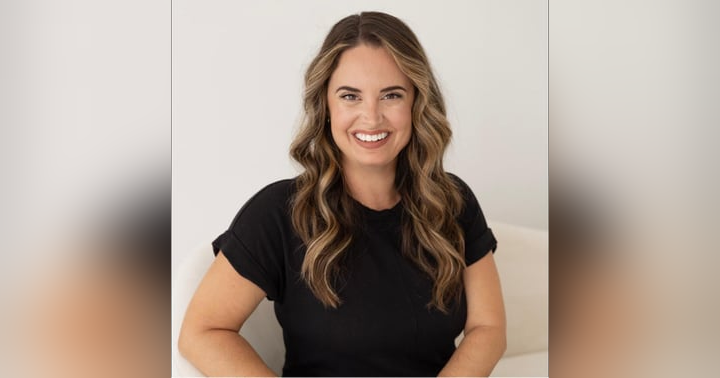
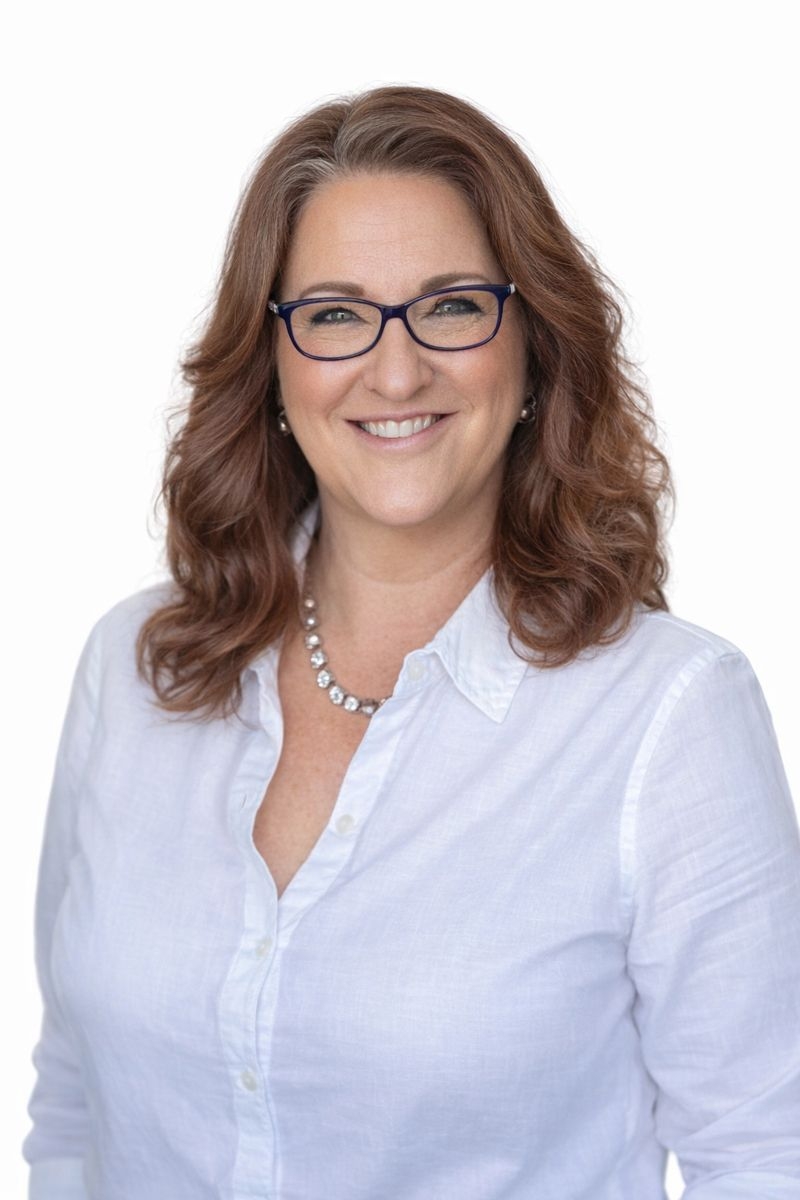
Jannah Jordan. A Florida native and UNF graduate with a Degree in Business Administration and Marketing, who stepped away from the corporate world in 2015 to start her Real Estate journey. With over $100 million in Real Estate volume, Jannah has become one of Jacksonville’s top Realtors, earning recognition from prestigious sources like Jacksonville Business Journal, RealTrends, and Jacksonville Real Producers Magazine!
In additional to her traditional business, she also is a successful Acquisitions Agent, advising some of the largest local and national investors.
Now, as the founding partner of the Flight Group, Jannah's expertise continues to shine as we make waves as the top listing group at Keller Williams with a team of eight.
[00:00:00 - 00:10:59] Breaking Out of the Real Estate Box
- Jannah's diverse background in marketing and real estate investment
- The importance of stepping out of one's comfort zone to find success
- Embracing a "burn the ships" mentality and committing fully to a chosen path
[00:11:00 - 00:22:59] Leveraging Marketing Expertise in Real Estate
- How Jannah's marketing experience has influenced her approach to real estate
- Tailoring marketing strategies to specific properties and target audiences
- The value of establishing strong relationships and trust with clients
[00:23:00 - 00:33:59] Building a Thriving Real Estate Team
- The Flight Group's structure and support for its agents
- Implementing accountability measures and goal-setting for team success
- Fostering a collaborative environment and providing comprehensive training
[00:34:00 - 00:45:59] Navigating the World of Real Estate Investment
- Jannah's experience as a senior acquisition agent for a top investment firm
- The three key components of a successful real estate investment deal
- Adapting investment strategies to the current market conditions
[00:46:00 - 01:34:00] Finding Solutions and Seizing Opportunities
- Helping agents and clients find creative solutions for unique property situations
- Building a diverse network of investors, lenders, and industry professionals
- Encouraging agents to embrace a solutions-oriented mindset and collaborate with others
Quotes:
"The sooner that you can break out of that box, the sooner you're going to be successful." - Janna Jordan
"It's doing the things that other people don't want to do, and that's what makes us successful." - Janna Jordan
Connect with Jannah:
Website: https://flightgroupre.com/
Instagram: https://www.instagram.com/flightgroupre
If you want to build your business and become more discoverable online, Streamlined Media has you covered. Check out how they can help you build an evergreen revenue generator all powered by content creation!
SUBSCRIBE & LEAVE A 5-STAR REVIEW as we discuss real estate excellence with the best of the best.
Are you ready to take your real estate game to the next level? Look no further than Real Estate Excellence - the ultimate podcast for real estate professionals. From top agents and loan officers, to expert home inspectors and more, we bring you the best of the best in the industry. Tune in and gain valuable insights, tips, and tricks from industry leaders as they share their own trials and triumphs. Whether you're a seasoned pro or just starting out, a homebuyer or seller, or simply interested in the real estate industry, Real Estate Excellence has something for you. Join us and discover how to become a true expert in the field.
The content in these videos and posts are for informational and educational purposes only. The information contained in the posted content represents the views and opinions of the original creators and does not necessarily represent the views or opinions of Townebank Mortgage NMLS: #512138.
Podcast Intro 0:44
Welcome to Real Estate Excellence, making lasting connections to the best of the best in today's industry, elite. We'll help you expand your circle of influence by introducing you to the leaders in the real estate industry, whether it's top agents who execute at a high level every day, or the many support services working behind the scenes, we'll share their stories, ideologies and the inner workings of how they run a truly successful business, and show you how to add their tools to your belt now please welcome the host with the most Tracy Hayes, Hey,
Tracy Hayes 1:15
welcome back to The Real Estate excellence podcast. I have one of the top agents, the one I have before us who has a diverse background in real estate. This is more than just buying a single family primary residence. She's an extensive marketing background before entering the real estate profession, her real estate career led to her to be a senior acquisition agent with a top real estate investment firm here in Jacksonville, Florida. This has given her experience of buying property, flipping property, holding property, renting property. Let's welcome the pilot, the captain, the owner of the flight group with Keller Williams, Atlantic partners, Jana Jordan to the show.
Jannah Jordan 1:52
I like that. That was my best entry so far. I bring you around. I
Tracy Hayes 1:56
wrote that yesterday, actually, and I actually caught myself. I should have read, reread the first two sentences there, but I kind of screwed up. But welcome to the show. Thank you. And I'm really looking forward to a great conversation, because, as we were just talking pre show, you know, agents that are coming onto your team, you know, we think the average agent is primarily just focused on that prime, you know, single family home. I mean, there's agents out there, when they get someone who wants to look at a condo, start to get condo, start to get nervous, let alone have someone call them and say, Hey, I'm looking to invest. I want to buy rental property. I want to buy an Airbnb, or, you know, even someone who wants to invest and they want to flip and your experiences there, and how to do how that process works is, I think everyone would love to invest in real estate. Everyone would love to flip homes. As I see on HGTV. They think this is great glamorous life. But there's you got to get with someone who's experienced, unless you want to blow a lot of money
Jannah Jordan 2:48
up very little, little glamor in the investor, I will say you can't. You can get there. You know,
Tracy Hayes 2:57
ice, ice, Baby, what's he has his show,
Jannah Jordan 3:00
vanilla spine and flipping houses in St Augustine, is he? Yeah? Oh, you know, it's
Tracy Hayes 3:04
like this one. I remember someone saying that not too long ago, yeah. But obviously, some of the stuff he's done, I mean, he looks for some of these larger homes, obviously, he's got the investors, his own money and and cannot, and he wants, yeah, and he wants to put the glam on it, right? I mean, that's his, that's, that's a style which creates a show. Yeah, exactly, yeah. As I kick off every show, where are you from?
Jannah Jordan 3:27
I'm actually born in Jacksonville, Florida. Could you believe it? Baptist downtown. Where'd you go to high school? I actually we moved to Tampa when I was about three or four. Okay, so I went to I grew up in Tampa, and then so I went to a school called Berkeley prep in Tampa, and then came up here for college, for to go to UNF so at this point, my dad always tells me, You have lived in Jacksonville longer than you ever lived in Tampa. So this is my home
Tracy Hayes 4:02
when you went to UNF 1819, 20 years old, what was your I mean, what was your vision for a career?
Jannah Jordan 4:09
To be honest, ever since I was I used to say it in high school too, that I wanted, I wanted to be in real estate. I didn't really know what that meant. I just knew that I had a couple friends whose families were in real estate. I liked their lifestyle. I liked what they did. You know, we talked about it was something that was familiar to me. I always liked it. I was intrigued by it. But that being said, I kind of went to college because I was told I had to go to college. And so I did. I did it unwillingly, and kind of dragged my feet through it, and then at the end of it, you know, going to my dad was always the person who would tell me, you know, I went to him for advice, and he was very Adam. He's very old school, you know, I had a bunch of I did insurance sales during college. I always had a bunch of different jobs. Always had, like, two or three jobs at a time, right? While I was working my way through college, I always worked in a restaurant. I worked for an insurance company. I worked for an asset management company, work for a marketing firm, so I kind of always had all those different backgrounds, and I had sales experience too. And the first people who call you when you graduate college are who
Tracy Hayes 5:13
people credit card companies,
Jannah Jordan 5:16
but they are always, it's always a commission based job, right? So it's the life insurance salesman, it's the it's the recruiters for realtors. It's just commission based, because they know they can get these young kids excited about, like, what your potential income could be. Do you want to sit in a cube where you're going to make at the time minimum, you know, or making $35,000 a year and 45 would be great. And that's starting out, and you're gonna sit in a cube until you move to your next cube, and you're gonna work nine to five and you're gonna have benefits. What a great dream that is, right? To my father, that was a great dream. Yeah, benefits, I don't have to pay for you anymore. You got a steady salary. You're just, just steady, right? And I was like, okay, like, I guess I'll do that. You know, even recruiting companies call you too, because you can work your way up there to make commission stuff like that. So that was kind of, I wanted to be in that commission job, but my dad steered me elsewhere. So that's kind of where I
Tracy Hayes 6:15
went to that. Well, that's interesting. So your dad was, yeah, like, yeah, get the solid job, get the payroll, w2 but where did you get the sense of, obviously, the Commission base could take you further. I mean, what was there just seeing other families and the real estate agents and understanding how they were making their money?
Jannah Jordan 6:34
Yeah, I think I just, and to be honest, I never really had a full understanding of it. Or, how do you make money, or how does that work for you. But I knew just my personality too. I'm not somebody who's going to sit in one position or like, I'm this one I do and then I'm going to get promoted to manager, and then I'm going to get promoted to this. It's just not I was somebody who always kind of, like, I said, had a bunch of different jobs, and if an opportunity arose, I was took it. So my friends always joke with me, like, I swear you always are doing something completely different. I one time I met a friend who on I was looking for a rental in college, and it was a Craigslist ad, and the person, it was a realtor who came and showed me the property on the beach, and she said she was just doing the rentals for a property management company. And I was talking to her, and we became friends, and and she was like, oh, like, I've been looking. She was just telling me, I've been looking for somebody to watch my daughter. And I was like, I'll watch your daughter. And that's and she was like, Oh, yeah. And I also have, I also, I do this on the side for a real real estate company and a friend of mine, but I also sell insurance, and we're looking for somebody to for kind of administrative role, but like, would work into sales. And I was like, well, I could do that.
Tracy Hayes 7:44
Well, it's funny. It's funny. You bringing this up because I got contacted last night by one of my alumni brothers just totally out of the blue text me, and it was just, and he's got this young lady that he's trying to help get started type of thing. And he was me knowing I'm in the real estate business that have the podcast, and I talk to a lot of the agents about how she could enter, and I said, well, we'd want to try to find a an agent who may be wanting, needs somebody to do some new the assistant type of stuff, because I don't, you know he's going to get more of what her skill level is. So I can, hopefully, you know, someone will talk to her. But I'm seeing a lot of these young you have a lot of young people on your team that, you know, it's kind of amazing. I mean, looking back, I wish I was mentored at 2223 years old, to get into real estate in you know how it's, you know, changed their their career. And those opportunities are there if you can meet up with the right person who you know is willing to maybe pay some sort of minimum wage as they mentor up and then grow in within the team or within the company?
Jannah Jordan 8:44
Well, I think it's the a lot of people are scared. I would think the biggest thing is fear, right? The unknown. If the only people who are going to be successful in that type of environment are people who aren't afraid. Aren't afraid to take a risk, aren't afraid to spend some money, to make some money spent, or do something for free, you know, do something for free for do something for nothing to make you know, what is that going to end up? Where is that going to propel you, right? You know? I mean, that's a huge, huge opportunity, and a lot of people don't see that. Anyone who joins our team, and the first thing they look at and the first thing the question they ask is, what are the splits? I say, we're not a good fit for you, right? Because we're not, that's not we're about, I mean, the what we provide until, like, like, to your point, to be mentored and to know what we our knowledge of the industry your first year, like, in real estate, would be tremendous, especially at that younger age, too. Everybody asked me, like, what's your biggest regret, of if you had a regret, like in business, right? Would you wish you would have done something different? I always say my regret is that I didn't do this sooner, right? Because if I knew what I knew now, when I was 20 years old, I'd have a totally different life, not that my life. I mean, my life is great. Like my husband and I were talking the other day, and he was like, you know, we're almost 40 years old.
Jannah Jordan 10:00
Old, like, who cares? You know, all nothing you could change.
Jannah Jordan 10:05
There he was talking thinking about things. He was like, it kind of took us a while to kind of figure it out, you know, right? If we knew, if we were in our 20s, what in the world, we could have been to the moon by now, right, right? And that's at this stage in my life, I don't really want to go to the moon. I'm very happy where I am, but to be that young and to have that much knowledge, and it would be tremendous.
Tracy Hayes 10:26
Well, I mean, looking when looking back and I mean, obviously I said, you have some young people on your team, sub 25 years old. I mean, if you're going to get into the real estate business and not or any 100% commission, it might be now, because the only person you got to feed is yourself. If you can survive off ramen noodles for a little while, you might actually go somewhere.
Jannah Jordan 10:48
I that's what I The other thing too. I mean, when I started real estate, my husband was in Japan. He was working six, eight weeks on a ship. I was in Jacksonville with a six month old baby. I didn't have any family here. I didn't have any friends who had kids yet for I wasn't even working. I was a stay at home mom at the time, I kind of quit everything. I was like, I gotta just, what do you do? I didn't, never had a kid before. I was like, I'm figuring
Tracy Hayes 11:10
this out. He's not in town, so, yeah, there's no double coverage.
Jannah Jordan 11:14
Yeah. I mean, that was hard, and I find I was like, I don't care what I'm gonna do, I'll figure it out. You always figure it out. And that's what people don't understand, is there's always where there's a will, there's ways, you know, I mean,
Tracy Hayes 11:27
go to go off your figure it out. I mean, in your so you you different things, you fall following. You're just looking at your LinkedIn and not knowing the details in between. Hopefully you can give me the, you know, what's in between the slices of bread here is, you got involved in, ran into people, met people, and one thing led to another in your career.
Jannah Jordan 11:47
So far, so far, I'm very much always been that person who very easily makes relationships, makes friends, talks to somebody that sounds interesting. Well, can I like find out? Tell me more about it. And so, and then I learn about it, you know. And I think a lot of people, it's very hard to ask those questions, too. I think it's very hard for people to talk about money. I mean, I'll be the first person who was like, what do people make a job like that? You know, what like in the real estate industry, you become comfortable talking about people's finances, people's lives, people's livelihood. How did they do that? When did it do it? How did long did it take you to get there? You know? And I think what it's it's very beneficial when you're starting out, to be able to just jump right, like, yeah, yeah. I want to learn more about that. I want to learn more about that. How do I get into that? And then once I've reached a certain point, it was like, Okay, now I got to set some goals, yeah, which I've established. Hey, real estate's me. I'm not going anywhere else. I always had a plan B, right? Like, oh well, if this happens, I'll just do this. No big deal. I'm very like, free spirited in that way. However, once you get to a point, you got to say you got
Tracy Hayes 12:53
him screw your now it's time to screw down and start making some that's
Speaker 1 12:57
what my husband always says he's when he quit being a Merchant Marine. He was a merchant marine for 10 years. He devoted his life to getting there. And you know, when he came home after I was two years of having a kid at home, he just one day said, I'm not leaving again. And a lot of people after they would get those opportunities, if you would, you literally spent 15 years of your life getting these licenses and working your ass off to be the chief mate of your ship, or whatever it is, captain, and to say, I'm just going to figure out something else completely. I'm not even going to keep my licenses, he always says, burn the ships. Don't have a plan B, and that's ever since then, I've said, burn the ships, because if you don't have a plan B or a fallback plan, and failure is not an option. So if failure is not an option, you have to succeed. Trying
Tracy Hayes 13:49
to remember who, I don't know if I saw it in a real somewhere, was, yeah, I mean, don't, don't, don't have that easy plan B, where it's like, really, you're after Plan B, and not even really after Plan A, Plan A is a dream, and you're not really for because you're always like, well, I'll just go over here and do this. I think people do need to have the confidence of, if they have any sort of talents that you know, like I said, they can burn the ships, there is something else to do. I'm sure your husband, you know, he didn't. He realized the skills he learned in the Merchant Marine. I mean, we live in a seaport here. There's many things he can do here locally without
Jannah Jordan 14:28
full story on that. Is he started a contracting company, and he's a general contractor
Tracy Hayes 14:32
now, yeah. So now he's Yeah. Now he's hammering nails versus Yeah, exactly. You spent some good time in doing different marketing positions based on your on your LinkedIn, how, what are some things that you picked up there, that you've brought over and kind of, you know, not necessarily took it directly from here to there, but just just taking that experience, because I think it's, you know, a lot of agents had previous careers, and. And some of them really good corporate America, really stringent, like, you know, suit and tie type of, you know, atmosphere, IBM type careers. And then they jump in the real estate. And it's because of that structure. They went, Well, what did you take from the marketing and the different things that you were doing there to what you're doing
Jannah Jordan 15:15
now? So with me for marketing, I was always positioned in, I guess it was kind of all compassing. So it would be, for instance, I did marketing for a law firm, right? So the law firm specifically would have, so say that had 60 different agents, or 60 different lawyers, attorneys, and they had, they did 15 different practices. Well, I as a marketing person, you know, there's, you have to figure out for each one of those different practices, what's the best type of marketing for them, right? So I'd have to find out who's their target audience, who are the businesses they're trying to go after. Okay, well, you have that target audience and the business they're trying to go after. So how do you get their attention, right? So it's more based off of really learning people and knowing who your audiences are. So, for instance, to translate that to real estate you are, say you're selling, you know, $300,000 house in a suburb towards the beach, knowing who you're selling that product to is very important when you are trying to sell it really because you know who to market to how to market to them, and how you're going to get the best results. So also, the other side of it is learning your seller, right? What type of person are they? What do they need from you? And the same thing if you were representing an attorney, okay, well, they work a certain way, right? I'm I'm marketing for an individual, I'm also marketing for a firm, so they have to fit within these buckets, right, right? So do they fit within my business plan? Do I fit within their business plan? And just generally, how do we make that work together? So I think that was my biggest kind of
Tracy Hayes 16:54
well, so let's, let's, let's drill it down a little bit, and what you maybe you're teaching your younger agents there to go out on a listing appointment and how to get across to that seller. This is how I'm going to market your home. How do you approach
Jannah Jordan 17:09
that? So it's, it's going to be different by every single home and every single person, right? So I think, what, I think, the biggest thing, is establishing that relationship with the individual. Once I tell I mean, this is just sales in general. Is your goal is to make
Tracy Hayes 17:24
these people like you, trust right? Trust that you're
Jannah Jordan 17:27
going to do, and trust you and really like you and know that you're knowledgeable in the industry, right? If you can, can, like, you know, convey those three things to them, there should be no reason why you shouldn't get the business. So for us, that's what we focus on. And I really hope you know that we instill based on all of our sales training and stuff, that they can really learn the person and find out what their needs are, and then be able to put that into a plan of action. So that's kind of what we do differently versus just this is what we do on every single listing. It's going to be tailored to every
Tracy Hayes 17:58
single part. So I'm going to drill you down like a real interview question, because you've been doing this long enough you you have a story, and I want that story to get across. What is a client watching right now? Or maybe an agent looking for someone for some mentorship, that sort of thing. Tell us a story about maybe some something you did some unique marketing on a listing.
Jannah Jordan 18:18
Okay, okay, let's think, man, there's so many. Yeah, Mercedes, you and Sammy. How Sammy got the buyer? Oh, well, I'm trying to think there's been so many. Honestly,
Tracy Hayes 18:34
you mentioned run across some unique homes too, and based on this unique home, you had to do some creative marketing.
Jannah Jordan 18:43
Yeah, yeah. So it's not just going to be as simple for every property where you just, you know, put it on social media, and you do an open house, and that's it, right, with our agents. And, you know, I don't think there's one specific instance that I if I come up with one, if I think of one, I'll let you know. So for the background too, is our business is based off of huge volume. So for instance, right now, I have 32 listings on my own. Our team probably has, I think, 46 altogether, with a couple of agents that we have. So it's huge volume. It's sell them as quick as you can. Turn and burn. Let's go. And then we also trickle in a lot of traditional like friends and family who we have these higher end homes where you do have to put a little bit more marketing effort into and you do have to do more hand holding and things like that, which we're very happy to do. But as far as the I'm trying to think
Tracy Hayes 19:36
of, well, I'll actually you work with flight builders, so when you approach that versus an existing home, you know, how are you marketing different? What is your strategies there? What's, what have you been successful
Jannah Jordan 19:49
at? So it's very different when, if you're going to be doing a new construction property, for instance, if I'm doing a flight builders home, which they're going to be start coming through the pipeline soon, where they're in, you know, certain. Demographic of areas. So I'm going to narrow down when I look at it. We do I work off of data and statistics. So I'm the first person that's going to go to the numbers. What are the numbers tell me? Because numbers don't lie. So the first thing is, how long are they going to sit on the market for? Are you comfortable with how long this is going to sit on the market for if you price it here or price it here? So we're looking at all of that, and then also, how many properties are going to be available at that time? Are we going to have competition? Are we not going to have competition? Are we going to be the best thing on the market? Or do we have to say, Okay, how are we going to, you know, make up for that not being the best product on the market? The other thing is financing, right? So partnering is always been a little bit difficult in my personal experience, because buyers typically come to you with their pre approval already. They're set on working with their bank. I bank with Navy Federal my entire life. Always go back now, okay, I'll deal with it if I have to the other side is, if we're working with flight builders, there would be a partnership involved where we know that, you know, it's going to be a probably a little bit of a lower income property or household. So how do we provide them with the best opportunity for them to purchase this property? We want to make sure that we eliminate any negatives, right? So if they so, if there's already known obstacles, any obstacles? Yeah? So that's what, yeah, any obstacles we're saying. No, we have a solution to that. It's basically coming up with a solution for every problem. And with that being said, there are a lot of very good lenders out there that are offering, you know, grants, all kinds of different, you know, opportunities for them to get free money, right? You know, why would you not buy this house? If we can finance it for you, we can, you know, make it an amount of money out of pocket, if any, and really partner with those people. Do you
Tracy Hayes 21:42
when you're looking from a marketing side, like I said, you know, looking at the demographics of the area, I mean, because I think like kind attracts like kind, you're you're generally a neighborhood you could probably look across, and everyone's making a range of income, because the price points of the homes are similar. And, you know, just everyone's lifestyle because they're similar. They, you know, do certain things or whatever. So when you you know some of these properties, these more of a, I guess we'll call them starter homes, you know, type of things in that area, when you actually do your marketing, physical marketing, out to reach out to potential buyers. What are some of the avenues that you use, whether it's one of these starter homes or you've got a $800 million home at Jack's beach or something?
Speaker 1 22:32
So regardless, we have our team is very much grinder mentality. We are boots on the ground. We will do I have never met a house that didn't I didn't benefit, especially in the market that we're in right now. Doing open houses people, for some reason, I don't know what it is, they have been more reluctant recently, and this is just based off of this firsthand experience. Is they're reluctant to schedule a showing, but they will go to an open house all day long. I've had people who I've had I have one particular property, even
Tracy Hayes 23:03
with representation, or even
Jannah Jordan 23:04
with representation, I don't understand it. It doesn't make any sense to me, but it was I had one particular property. I've had no showings on it. Every open house we have, it gets 1215, people through it. No idea why this is
Tracy Hayes 23:19
happening. But is that a now? Is that at every price point, are you finding, not
Jannah Jordan 23:23
at every price point, but I am finding that a lot more people are more comfortable just casually. Because I think it might just be this particular environment that we're in, in real estate, I think that people are a little bit hesitant, especially in the price range that we dabble in with the majority of our business. Interest rates are very high. It is harder for them to afford these homes. So I think a lot of them are like, I don't know if I'm really looking, but I will go looking at open house. And if I love it, if they love it, they're in love with it, right? It doesn't matter what it costs. They're going to want it. They're going to have to have it, right? 2024 you need to have things. You need to have them right away. That's just
Tracy Hayes 23:58
kind of as you go up in the scale, at least from what I've seen, and you can correct me if I'm wrong. If the house is priced right, it's in, you know, the right community, and so forth. It's lot of times it's sold before the Saturday open house already. It's already got
Jannah Jordan 24:12
offers. Oh yeah, we have. We always market accordingly. So we try and ramp up our marketing. So we'll do like, some sort of coming soon. We'll always get really good photos, really good videos. We do social media ads. We also on our website. We have landing pages for every single one of our properties, so we try to boost those as well. The other thing is, our agents will go and door knock the neighborhood. We've had tremendous success with this too, not only for selling the properties, but also for getting additional leads. It might be old school, but it works,
Tracy Hayes 24:43
so let's dig in it. So you're list, you're going you have a listing coming soon, and they're out knocking on the doors a few days in advance of the listing going live. They're saying, Hey, I just want to let you know we're going to be listing this house. Maybe we're going to have an open house on Saturday, or whatever. How are you getting some business from that? How does that conversation go?
Jannah Jordan 25:05
So we just had an opportunity the other day too, where actually Mercedes on our team was door knocking before one of her open houses. It was listing coming soon. I think she wasn't going to put it up until Friday. Do an open house on Saturday, she door knocked before that, a lady said, Oh my gosh, I remember I kept your card from last year. Let's go to lunch next week. I still haven't sold my property. I would love to meet with you. This is a listing. It's going to be going awesome. So people say it's, it's putting in the work that nobody else wants to do, and what we do, like I said in the beginning, we were talking earlier, there's not much, not much glamor over here. Whether we make, we do make it look, you know, easy, but there is a lot of work. And if you put in the work, especially in the beginning, the you know, the success will come, but it's doing the things that other people don't want to do, and that's what makes us successful.
Tracy Hayes 25:50
What we're gonna step back a little bit, because I know we dug, I just went off on some of the things you said and want to dig deeper on. But what was the what was going on that you made the move from working the mark the marketing and working for corporate America, working for those companies, to finally say, enough's enough. I'm going into real estate.
Jannah Jordan 26:08
So to be honest, I pulled the plug not knowing what I was going to do. But it was more a matter of lifestyle, because when my husband,
Tracy Hayes 26:15
we're going to jump and see if the parachute opens. Yes, I always said, I want to get
Jannah Jordan 26:20
my real estate license. And I was like, I want to get it, and I'm not somebody who can just go online and do something. I have to. I want to physically sit in a building. I was the person who had to go to Watson and sit in the Seven Day Course, or whatever, from eight to five and freeze my butt off in the little conference room and write down, take notes. And that's the way that I learn I'm very you know, I have to be hands on. And, you know, I'm not, if I'm on a computer, I'm not digesting so but it was lifestyle, because I was working downtown every day. I live at the beach, and it was my husband was only home for two months at a time, and when he was home, he's off, right? So I had a little bit of FOMO there too. You
Speaker 2 26:58
know, he's home, he's having fun. You're getting up and rolling out at 730 no and
Jannah Jordan 27:01
having to drive. And I wasn't enjoying it, you know? I was not happy. I didn't, you know, it wasn't fulfilling me. What am I doing next? Right? So I kind of just felt stuck. I wanted to kind of just jump into something else. And when I mentioned it to my husband at the time, actually, we weren't even married at the time. Actually, it was my boyfriend. Well, just, he's like, just quit. And I was like, okay, that's enticing, right? You know, he's like, figure it out later. Who cares? You know? I was like, that is exactly. That's all I needed. Was like, somebody just to say, Who cares, you know? Like, you can figure it out. It's not, you know, it's not the end of the
Tracy Hayes 27:39
world. Exactly. Exactly it's so it is refreshing. I try to be that way to my wife. You want to do I said, you're smart enough, you've you've shown you survived. I mean, I, you know, we all get kicked in the face, pushed down enough times, and it's all about getting back up. And that gives you the confidence to say, You know what? This, I don't like working here. And you're, you're young enough to make a change, you know, you did, you have just a one child at that time, or no at that time. So that even makes it even easier.
Jannah Jordan 28:09
That was the thing. We didn't have kids. We, you know, we owned a home. We had, you know, we had, we didn't. There was nothing that we, like, needed, or that we would, you know, do without if, you know I didn't have the job at the time. So, right,
Tracy Hayes 28:22
all right. So one thing I always like to dig in, because I always think my listeners out there, whether it's a new agent or there's an agent, is maybe hit a lid. Maybe they're you. Because I think brokerages, they'll all tell you they're going there because the education is great and they have the technology. Well, let me tell you that that's everybody. They're all going to tell you that you get there, things change, man, you know, leadership changes. Leadership dolls out. They, you know, are excited, maybe at the time when you're coming on, but also in a couple years go by and they're not excited anymore, maybe even whatever is going on in their lives, right? So we make changes. So you mentioned you went to Watson and you So you started your your career there, but looking back and looking at your your new agents, what do you think is an important thing as someone looking to get in this business? You know, how much does being with the right brokerage? And it may be the right brokerage at that day and time for a couple years, you may have to eventually change brokerages because your business has changed. How important is that role that you know those people that are at that brokerage you know you know, whether it's a mentor or their leadership or just someone who you could rely on. When you you know, had a question, you ran across something you didn't know about. But how important is choosing the brokerage that you're where you're with? It
Jannah Jordan 29:39
really depends where you want to go with your business. I think, I think brokerage is not as important as a mentor is, like you said, or, you know, obviously a lot of people get their license and they just say, oh, like, here, got my license. Now what? Yeah, they have no idea. And I can't, I don't know of a brokerage that will hand, you know. They'll hold your hand through that entire process. Yes, Keller Williams has tremendous training. They do offer classes and things like that. But if you you're going to have to be the one to shows up, and you're going to be the one that's going to have to go to them and ask all these questions and sit there and, you know, I don't know anyone at any brokerage who's going to be available to you the way that you probably needed to be if you're just starting out. I think that regardless of the brokerage you're at, I think you should always have a mentor. I don't care if they're at your brokerage or at another brokerage, or even if it's a business, it's just business in general, or where you want to go be with a bunch of different people. I don't think you have to have that decision made up either, but just to get your brain acclimated to learning and seeing what kind of opportunities are there for you and which one you fit best with. So I think mentors are just tremendous. Like I said, I to my personal opinion. I don't think that there's one specific brokerage for anyone. It's just because you can mold how real estate this is. The other part too, is, we talked about it earlier, is everybody, when they first get their license, they're in this box, right? They're in this box. This is all I know. This is residential real estate. I'm going to show these houses. They're going to be beautiful. It's going to be httv, right? And the first the sooner that you can break out of that box, the sooner you're going to be successful, because real estate, I don't think, is one box. It's all and you have to be able to kind of break the mold, to be able to say, you know, there's not one solution for anyone, and that's the agent who's going to win, is the one who can offer multiple solutions. And But back to the team thing, and the brokerage is, I will say that, you know, Keller Williams specifically likes, I'm not that. I'm not that knowledgeable about a bunch of different brokerages. I would love to say that I worked at Watson for a little bit. It was at the end of my street. I was like, I had a friend, two friends, that were like, We want you to be our agent when you get your license. I said, Okay, how do I do How fast can I set up? So I turned into Watson, and I had a great I worked in Jan shields office, so I got a lot of education there. And the broker, I believe her name was Anne, she was really great. I was I would be in her office every single day. How do I run this comp? What do you think this house is worth? Can I go here? What do you think I'm going? I'm not gonna all these for sale by owner. I mean, I did what they train you in, because I didn't know any better. I didn't have any experience, or anyone telling me what to do, I would call, and I called every single sale by owner. I would door knock them. I expired listings and friends and family. And my first year in the business, I probably did more business than most just at the timing too. That time, all my friends were buying houses or selling houses that they were now buying with their new fiance. Or, you know, they own two homes together, and now they wanted me to sell both of them so they can buy one house together. I'm like, this is tremendous. Three transactions.
Tracy Hayes 32:48
Rates were low, and, you know, it was great.
Jannah Jordan 32:51
But I will say, being specific to our team is for all I can say for Keller Williams is Keller Williams will put you through a program. Right when they call it, I believe it's Ignite. They have another, other opportunities where they put you through, you know, contract class. You go over leads. You go over how to cultivate leads, you go over how to do open houses, and it's a month long everyday, course, you know. And I think it's great. Some people can sit through there and do it. Other people need to be more hands on where they're going to need they're not going to in. I think the best training is doing. And then they're also not going to hold your hand once you get out of there, right? Like we've given you all the tools. We're here for you, but our if you call them every single day, they're not going to be available every single day, all the time. I don't care who you are, because you're busy, you've got 100 agents that you're a broker to, or more or more, and so either you have a specific mentor within the the brokerage that you're at, or you join a team.
Tracy Hayes 33:48
So let's, let's talk about that a little bit, because it sounds like you were very what you described it. You were dependent on the broker. That was the point person looking back. Or if you were, you know, educating a girlfriend who may not be local, you know, because obviously you'd want to recommend yourself to mentor them. But what? What would you say? Hey, you need to look for these things, you know, whether it's, you know, calling on some of these agents. Because I think a lot of these people do end up going, hey, where their girlfriend went? Or, like, well, Watson was down the street. So you falling? You got fortunate enough that you had the Go, get in this, to go out and find out how it's done, where some people are bashful in the sense, because they don't know what really to ask, and so they don't ask, and then they they're out of the business in two years. So if you were coaching someone today, or what would be the, you know, the perfect ideal situation for a new agent coming in. What are some of the things they need to think about, you know, and and find in beyond the broker, you know, looking at other agents and being involved in there,
Jannah Jordan 34:51
I think you always need what, and this should be in any business opportunity, is you need to find out what your goal is for it. I. Right? So, your first, okay, my first year I got my real estate license. Well, what do you want to do with it? Want to be a realtor? Okay? Well, what you know, Is it money driven. Do you want to make X amount of money? And that's why you became a realtor? Do you are doing it for your flexibility? Because I guarantee you're gonna be working 24/7, you know, it's like, I thought it was a joke. It was like, you know, like, what? I got tricked into this. I quit my 95 to work 24/7 Do
Tracy Hayes 35:24
you think we go 24/7 because there's a there's a there's no cap,
Jannah Jordan 35:28
there's no cap, so we just keep going. Yeah, right. Like, I don't want to miss out on this opportunity. But you can peep. The other misconception is that you don't have to work 24/7 like you. If you set expectations, you the first person that you need to set expectations with is yourself, and then once you set expectations for yourself, you need to set expectations with your clients. So if somebody sends me an offer at 10 o'clock at night, a one won't respond. But if I do happen to be awake, I said, you're welcome to send me an email and I'll respond to you during normal business hours, because you're interrupting in my personal life, you have to have a balance over it the beginning. It's very, very hard, because you don't want to miss out on that opportunity. Oh my gosh, the client, so I gotta go right now. Yeah, it's like, Well, do you you know? Because if you you know, if they can tell that you appreciate your time and you value your time and your money and your energy and your life, they're also gonna appreciate that and hopefully have that mutual understanding
Tracy Hayes 36:22
that's interesting, like, like, they send you the offer. I think people a lot of lot of times, they don't read into when someone sends you an offer 10 o'clock, they're just getting it off their to do list. They got the offer to doing it so they can go to sleep. They don't really expect you to respond.
Jannah Jordan 36:37
Oh, what? They text you right away and say, Can you please respond?
Tracy Hayes 36:40
Okay, well, that's different. That's different if I you know, it's funny how text messages through your urgency is calling you like, hey, oh my god, this is what's happening. I need an urgent response. I'm talking to you. Text message to me is not, I mean, shouldn't be, although we all have the tech we want to respond right away to our text message, right?
Jannah Jordan 37:02
Yeah, I think we just need to, kind of like email. I tried, I tried to train people when they're working with me. And I said expectations. I say, if there's agents on the other side, I'm like, hey, the best form of communication in which I will say there was, I think DJ and Lindsay Does this. But a certain type of transaction to their transaction coordinators kind of handle their business for them, is they will say in their opening email, what is the best form of communication that I can get in touch with you? As I always say email, because I'm like, I'm here, right? I'm not on my phone. I'm not, you know, but my email will be there when I get there, and that's going to be the best way you're going to have my fullest attention versus I'm driving around. I'm doing podcasts. I'm going to houses. I'm training. I'm doing sales training on my team. I'm doing one on ones with my agents. I'm doing leadership training. I'm got a son. I'm picking up from school. If you email me, I will respond. You will never have a response more than by the end of the day.
Tracy Hayes 37:49
You should put that thing like, when you call the set an appointment the doctor's office, if this is emergency, dial 911,
Jannah Jordan 37:56
seriously, my friends tell me that all the time. Sometimes it's like, they'll call you four or five times in a row, and they're like, the log books code isn't working. I'm like, Okay, well, that's the there's nothing I can physically do to be there. I can't, like, poof, I'm at the house with a hammer. Like, I don't know how to help you. I apologize, right? Also called. There's a million people you could call. You call the office. You can go showing time. You just so I feel like, and that's just the nature of the beast, is people. It's the same thing. People are anxious. They want, I got to get in. I got my client in. They they're not going to work with me if I don't do this, which I think everyone could do a better job of setting those expectations, no doubt, because it's just, it's, we've gotten in a world where it's just this whirlwind, and people really need to,
Tracy Hayes 38:36
well, there's, there's, well, couple things, time blocking, right? Setting the expectations. I mean, you know, that's probably, it's like an endless, you know, thing that you're trying to perfect in the business. I'm trying to think what the third one was. I lost track because I was trying to put those three in the order. But it's constantly something that we're in this business, that we're trying to constantly perfect and never, never quite gets there. There's only probably a few people that might have made it out the other side that has this, or they have that assistant that what everything goes through. You know that they're getting it and then filtering it to them, and now they they're answering what they need to answer, and not all the other junk that we
Jannah Jordan 39:15
get. They probably could use one of those. Yeah, well, I
Tracy Hayes 39:19
know it was so the one of the one of the challenges that I think every agent has as they go through the progression and get better and better, whether it's in their first year, year and a half, two years or three years into it, eventually they reach that lid where they're they can only do so much as a single person, you know, again, whatever other things They got going on their lives. How how do you I don't know if you've had any your young agents like, meet this. You probably met this. What is your what should be the first thing they should be doing? What should they be looking to do? If you're kind of like, fill your full and you're having to almost turn away business, what you don't want to do, what would be some of the first steps that you'd walk. Through is, you know, someone sat down and had coffee with you say, What should I do? And I'm turning away business because it's just me.
Jannah Jordan 40:07
I think the easiest thing to do is find an agent to refer it to. I always tell my agents like, obviously, we have a team now. But in the past, when I had single agents and other agents that I mentored and friends, I would say, What do you care you literally, you don't have the time to deal with them, but you're going to get 25 35% you just give it to this other agent for doing nothing, and you can check up on the process with them. You can be as involved or as less involved as you want. Referrals are a great opportunity where you don't because hiring is hard. Hiring is tough. You have to find somebody that is going to mesh with you. You have to train them how you want to do business, and then you have to make sure that continually manage them, to make sure that they are doing what you want them to do, and treating your clients the way you want to treat them. Otherwise, you could just refer it to somebody and make money off of it. I mean, referral source is a great opportunity. People, I think, don't use it as much because they're missing out on that opportunity. And I think it's the same thing with that mindset. When people come to us and say, Oh, what are your splits? Sorry, your mindset somewhere else. Oh, well, I'm going to miss out on X amount of money. Well, you would have missed out on all of the money, right? You know, would you rather make $2,000 or zero? Right? No, exactly. It's that easy. And to me, I would always just say, whatever the easiest route is for you also keep your sanity. You know you're giving you'll be doing your clients a disservice if you're going to continue to take on this business and not being able to perform at the level that they need you to perform.
Tracy Hayes 41:32
When you talk about hiring, tell us about flight group, what you what's your support there from the non agents? Yep,
Jannah Jordan 41:41
yeah. So as far as there's a couple different that's kind of a loaded question. But as far as support that we have on our team, now, we have a full time marketing person, Elena. She's here. She comes with us everywhere. So she's with us full time support for our team as a whole, but also for the individual agents. So if the individual agents want to do their own branding or their own, you know, specific, you know, whatever email to their sphere or buyer's presentations they want to target it they want to do specific to their specific listings. She's here to help. She also promotes us doing PR as well, setting up things like this, different events. So we have Elena. We also have a full time transaction coordinator that helps us with all of our transactions. We have Keller Williams, which is a tremendous support as well, handling all the finance side, making sure we get paid, making sure all of our compliance is good, right on top of it. And then the rest are agents. We are in the process of hiring a VA too, so there'll be kind of a full time VA for us to do handle any administrative opportunities that you know may come along. I know we need it. We've got a lot going on that right now. It's mainly me handling the majority of the operations too. We have some of the best systems. We've done a lot of research on what CRMs are going to be the best to promote us to the next level. We have one of the best websites that cultivates leads. We also are always looking for additional referral opportunities, and then we also do different type of ad campaigns as well. So we have digital marketing on top of that, so we kind of got the whole package there, as far as to be able to support the agents, and then additional support with that our leadership also offers we do to keep us really structured and together as a team. We do 9am calls every single morning. You can zoom in, or they'll go from the office. So everybody tells us what their top three things that they need to get done that day. So you're holding some accountability. Oh, we have tremendous accountability, which it seems at first. I used to fight it myself. I was never I was like, I can never do this. But now it's become structured. It's this accountability that it's not scary. It actually is like, Okay, I gotta, you know, if you're a single agent by yourself, you could literally just dawdle around until 10 o'clock and drink your coffee, but you could have already done so many things by 10 o'clock, right? If you had somebody saying, Hey, what are you doing today? And they're like, oh my gosh, I could have already done that. Done that. So our calls in the morning are really important. And then there's a lot of times where we can answer those problems for anyone, or if they're having any issues, we can solve them for them right then, hey, I got to call this guy. Oh, I heard talked to him yesterday. He wants this from you. Can you go ahead and send it to him? You know, so really easy to solve those right away. And first thing in the morning I also have one on ones with the agents. So once a week, I have meet for 1530 minutes with each agent, and we go over anything that they're working on, they're struggling with, anything that I can help with, anything new marketing ideas that they want to come up with, and if we can implement them, we will right. And then we also meet on a monthly basis where they have outlined their entire quarter, their entire year, sometimes 510, 15 years down the line, whatever they're comfortable with. We have what we call alignments, where we meet with our agents once a month to say, Hey, are we meeting our goals? And they're not necessarily. There are team goals. We do make goals every quarter that we call our rocks, and we check in on them once a week with the whole team. And everybody has to go in and be held accountable, and everyone says, Oh, you didn't do, you didn't do what you said. And we're not, you know, you're not off the team. You're not, you know, but we will help you. Why didn't you meet those goals? You know? Can we help you meet those goals? And they're, they're personal and they're business related, so we want to make sure that you are aligned, essentially, with all of those things. So we do have an extra level of accountability. But I think a lot of people, they're hesitant about it. I could tell you right now, like, I have ADD 100% but I hate I'm like, I don't want structure, but I thrive off of structure. Right now, it's the same thing with a kid who they will have to go to bed at a certain time. They should eat at a certain time. They should do this at a certain time, because that makes their life easier, right? So that doesn't go away.
Tracy Hayes 45:51
Because if you were given that list at nine o'clock in the morning, hey, this is what you need to do today, you'd be like, Oh, okay, you know, start. You know, which ones can I knock out? And in a few minutes, which one's going to take me an hour and you're gone?
Jannah Jordan 46:03
Yep, yeah. So those are just some of the things we do. We also try and do like a monthly outing together. You know, what was it? April March, we went to TBC together. We always do like a dinner or a celebration or something to do. And I think a lot of people, they when they join a brokerage too, they think they're joining a team, because it's in human nature to want to be part of something, right? They want people want to be something greater than themselves, greater than themselves, but they also want to be just like That's why people have friends, right? They want to be around people. It's just that's human nature. So when you join a brokerage, I think that people think that's just what, that's what's going to happen, right for you. And I got to tell you, when I go to Keller Williams, there's like four people in that office. So if you think you're going to the office to mingle and be around other people, that's probably not going to be the case, right? Unless you do join an office where there are a lot more people there, but most people are out in the field. The agents who are most successful are the ones that are out getting business and generating business and meeting with new clients and doing things like that. So they shouldn't really be in the office all the time, right? Unless they're making calls or doing admin follow ups or doing trainings. It's another thing too. Is we do weekly sales trainings too. If you're making calls, you have a certain number that have calls that you should meet based to meet your goals, not to meet the team's goals. Hey, I need you to make X amount of calls, and you're required to do it. You said you wanted to make X amount of money, and we broke that down for you based off of how many calls you should make, how many open houses you should have, how many appointments you should go on. And we have those measurables to back it up, to be able to tell you and provide to you that information
Tracy Hayes 47:41
in the loan world, you know, we have, obviously, a loan officer. Some people have assistance. Some people have really good processors. And then obviously, you know, underwriting is, you know, you know, they're doing what they're doing. They're making sure that after processor and the loan originator gets everything together. But there's, there's a your process, my attitude is, you know, as a real estate agent, we should be out there, you know, getting the business. We originally take the loan. We structured a loan. We have, you know, we're educated in what loan type should work. And, you know, we put it down. And generally underwriters is make sure all the documents are there. Well, going through the processor first, a good processor is going to chase down all those little you know things, things that are needed, that you know are required by compliance, right, all those you know, make sure all the right pay stubs are there dated certain way, and that sort of thing, and you're in your on your team. So how are you structuring that that agent who is acquiring the deal? Do you have a structure like, hey, at this point you now need to hand it off. Because I know some of your other Keller Williams teams. I know they're very structured. And, yes, okay, at this point now the transaction coordinator takes over. Yeah, yeah. How does that work? If,
Jannah Jordan 48:54
like, so I don't necessarily believe that. I don't think that a transaction coordinator should take over a whole transaction ever. I think that the agent is always needed. If you can just hand over everything to a transaction coordinator, why do we need you? Also, it's very you
Tracy Hayes 49:07
got to go out and acquire the client. That's why the transaction coordinator is in the cube, right?
Jannah Jordan 49:13
And we do have a lot of that support. And the majority you do have to have a lot of communication to that transaction coordinator too, because a lot of, I mean specific, it depends on the client too. I think it's very I don't think it's a one size fit all at this point you go and you hand it off to your TC, because I've got a lot of clients who they only want to work with me. They're not going to work with a TC, right? Documentation, anything like that. Paperwork, all of that's taken care of, for sure. But do you need to know how to do it. Yes, you do. Because I always would review any TCS work, because it's just they're human right. So our agents, like, for instance, I have a very new agent. She got her license in January. She came on our team. I personally trained her on every single Tracy, every single I had her go to contract classes. On top of it, I don't know everything you know. I want her to see what other people. Are doing as well, but she knows those contracts inside and out. She knows how to talk to people. She knows what the amendments need to say. She knows everything to be able to convey that to the transaction coordinator. I have worked with so many agents who they have no idea what that contract says, because they were told at this day in the game, I just hand it off to my TC and I don't have to do
Tracy Hayes 50:20
it your episode 191, if 180 have been real estate agents, every one of them says, Yeah, you need, you need to continue to take the contract class. Take it from different people, because everyone has their their different area that they think is important in that contract because of their experiences. And yeah. I mean, if there's any one class you want to continue to go to not to say, oh, yeah, I took that three years ago. I'm done with it. I can't have to
Jannah Jordan 50:41
continue to do it, because it changes all the time. I even came across something that I didn't, you know, know, not too long ago. And that also keeps you in tune with the negotiation too. If you don't know that, on X day, that's when you get their binder, the other agent doesn't know it. That's not on you. That's on them, you know. And not that I'm in a business of taking people's money, but I am in the business of making people damn sure what they said they're gonna do they're gonna do, right, you know. And and to have my agents back and say, no that, and this is the same thing that our brokers do, too. I think back to the brokerage thing too. I think having a very good broker is a game changer, too. Who that's the majority of the person, people that I work with, specifically, anytime I've been at a brokerage, is being able to pick up the phone, and I've referred other agents, hey, talk to your broker about that. Because I, you know, I know what my broker is going to say, and I know what I know, but they might say something different, you know. And if you don't have a broker that you can call, which a lot of people don't, unfortunately, it's just a different ballgame.
Tracy Hayes 51:41
Yeah, yeah. You have to have, have to have people, since Elena's left us, we can talk about her. You have, I mean,
Jannah Jordan 51:49
she has, if she really watches,
Tracy Hayes 51:50
she hopefully she's what she tuned in, she's on, she's tuned in Lyra, she listens later. But you have someone dedicated to marketing, which you, I think, marketing, and you have the background in it. Marketing, to me is, is, is using a lot of creativity, and it's changing all the time, depending on the market. I mean, just you think about, you know, over the last 10 years, in the sense of social media, and how's that, how's that playing? And, you know, I know people ask all the time, are you getting business off social media? And Josh Rogers said it so perfectly. He says, If you don't think you're getting business, off social media and you don't know, can't measure it or don't see it, and you then stop doing social media and see what happens, you know, so you obviously see it in importance. I imagine there's probably many other teams the same size as yours, probably even some bigger that haven't actually made the investment in a marketing person. So what do you have Elena doing to support the team? What is, what is some base, core requirements that she's having that you know, she does every day, every week, every month,
Jannah Jordan 52:55
she has to. We have a social media calendar, so she every month, she comes up with that. So we have X amount of posts that go live on every certain, you know, certain days within the week. We also have so she's in charge of all of our social media platforms. So we have Instagram, LinkedIn, Facebook. She also manages our website, so any changes that need to be made, or anything like that. She manages that. She also does all of our ads, so she does anything that anytime we have a new listing, she can promote that for us. She also designs all of our she handles all of our photo shoots. She designs any kind of marketing material that we want to do, emailers, email campaigns, gosh, what else? PR stuff. I mean, all of that takes time, right? You're busy doing your business. You shouldn't be the one fiddling with Canva and going on, oh, I didn't post today. Or I need to post today, unless you really like it. And I have some people who they're much better. I mean, our team specifically is not very good at that organic stuff or, like, hey, walk in this house and and I don't know what's better or worse, but
Tracy Hayes 53:57
do you find agents can almost get caught up in doing because, like I said, you can't measure, it's not like, Hey, I posted this ad in a Sunday paper and I got a bunch of calls on it, or, Hey, I did this open house on Saturday. X amount of people showed up. You're doing these things for you know, the only thing you can say is, this is a long term play.
Jannah Jordan 54:18
I think it's a very much of a more ongoing, ongoing. Hey, we see you everywhere, you know? So when that does come, the time for them to sell or buy, they're going to think of you, because you're the people that they see everywhere, right? And I just think that marketing takes so much time and effort and and to make it to the whole branding and designing and making sure that it's on the right platform, and is the platform being seen, and those ever changing things like we talked about. I mean, Instagram alone, oh, now it's a different size, so now your image looks weird, right? I don't have time to mess with that. What am I? I would sit there for hours and try and mess with it, and I wouldn't know
Tracy Hayes 54:52
what to do. Well, if you were talking with a perspective, maybe someone an experienced agent, you know you're trying to recruit them onto the team. Because I. Imagine they've gone, they're spending probably way too much time on, like you said, learning how Canva works, right? You know, there's new editing software. All this other stuff is changing all the time, and then you got to learn how to use, you know, their thing. And you type that, how do you explain how you're going to take that off their plate?
Jannah Jordan 55:20
So in the very beginning we have, there's a consultation once you reach so we have a program that we've put together that's specifically to our team and what we expect of the agents in the first 90 days. So you have to hit X amount of measurables. There's all kinds of courses to go to, there's trainings that we want to attend. There's trainings we want to do with you personally. Part of that is meeting with Elena, and Elena is going over what your goals are for marketing too, and if you don't know, she'll help you. So we have kind of a new agent package that we provide everyone. The simple stuff, like, you'll get new headshots, you'll get new business cards, you'll get X amount of posts that's saying, you know, welcome announcing myself being in real estate. And however you want to do that, if you want to create a newsletter world
Tracy Hayes 56:01
creative? She can, well, that's someone who's never done it before, so they don't know how much time this takes. Yeah, yeah, that sounds all, you know. Great. You know, corporate America is going to pretty much do that type of thing. But that experience, you know, I assume you, I don't know, maybe, are you really focused on, on more of the newer agents and and grow them the flight group way. Or are you, because we talked about a little bit before the show about recruit, are you looking for some experience agents and may already have some business to they want to that? Want to grow pros and cons, go to the
Jannah Jordan 56:34
next, right? Yes, I would love to have somebody who is ready to grow to the next level and join our team. That wouldn't be, you know, I don't have to go over every single contract, but at the same time, you know, I do want them to. We do have a certain way that we would like our business to do. So are they going to be willing to mold into how we work? And I think that's a different type, that's a certain type of personality, and I think that there's going to be plenty of opportunity for those type of people to join too. It's just, are they open to it? You know? I mean, we're not. We're not our way or the highway. We would love to learn from people too. I don't think there is one, one set way, but we do have certain structure that we will do. But also, back to the marketing thing for them, if they already have, you know, their brand and stuff, it's aligning it with ours, and Elena can help us do that. So we do have, I mean, we have, I'm very specific with our marketing. I want it to look a certain way. I want their certain fonts or certain colors or certain logos, right? There's certain voice that we, you know, present when we are presenting, and I want them to be very in tune with that too. Well.
Tracy Hayes 57:36
It goes back. We were talking a little bit of finding the right brokerage, and that's great. Finding the right team lead. Where do you want your business to grow? Right where? I mean, if you you know, if you are into because obviously your background and investing and flipping homes and so forth, which we haven't gotten into yet, but if that's the area that you're interested in, and have that interest, you know is, what's flight group doing? Going take you to another there might be a total another group that's doing something totally different that you know, again, talking to these other people and how they're doing their real estate business is where, you know, to educate that agent that's out there right now who whether it's new or just solo, on their own, if you want to grow your business and surround yourself by people doing the business the way, at least you think you want to do your business. I think everyone kind of, you know times, over time changes. You know where they're at. How important is actually, you know, to sit down with you. Is this the way flight group does? Is that? Do you see yourself fitting into it, or maybe going over to Christina Welch's team, or CC Underwood's team, or how they do business? And maybe that's more your fit. You know how important is to find out actually what fits your personality or just your mindset on how business should be done? Yeah, I
Jannah Jordan 58:47
mean, that's really important for us. I think I can kind of answer that by what our hiring process is. Our hiring process is pretty in depth first. I mean, most the time, we have people who reach out to us. All the time, the first thing we do is we send them a personality survey, and we have certain criteria that we are looking for in specific agents and their personality based, you know, there's categories. It's not a DISC profile. It's not it's kind of similar, but it will tell you spot on, based off of their answers, no right or wrong answer, what category and what type of person they are, how they react to such stress, how they react to do they want to be somebody who has to do one task at a time, and they are not easily distracted, you know? Or are they very easily distracted and they can't multitask, or they get really angry really easily. They don't take, you know, criticism, very well, or they have to be my way or the highway type people, and they're categorized in all these different profiles, and we're educated on all those different profiles as to who we want on our team if they don't meet within, you know, X amount of categories, we know they're not going
Tracy Hayes 59:48
to be. Where did you start? Where did you start? Where did you pick that up? Because I think everyone's like, Okay, well, that's, that's important, but why? And then so I have, you know, I my mind. I want to hear. You know, somewhere along the line you found out this was important, whether it's because you brought someone in the team who was a bad apple. And obviously, I know, you know, well, the hill firm bliss team with their wine right here, you know how they're very picky who they bring in because they don't want that bad apple in the bucket. And did you pick that up because of some trial and error. Or did you just, you know, listening, going to conferences, trainings or whatever, said, Hey, yeah, I need to do this, because this is the way some of these top people are doing it. I agree with them,
Jannah Jordan 1:00:30
yeah. So I actually take full, I mean, full credit is given to Yellow Bird and Pat Flynn over there, he kind of implemented that. And we are still, since we are still in partnership with them at flight builders, we have access to that information. So we, not only do we have our, you know, the flight Group at Keller Williams, we also have access to everything. Flight builders has access for their company. So they're generous enough to provide us with that education and help us with, you know, trainings and the general, the leadership part of it. And also, you know, with those personality profiles and stuff like that, and hiring processes, because we, you know, I will say, back at Yellow Bird, we did have, we, we grew so quickly that there were, you know, yeah, not always. The best apples were there, you know, right? And if we do it right from the beginning, probably not. And then there's also the influence of, well, they're friends with someone, or, well, they've done this much business. Or, will they will? You know, I can tell you right now, I'm not always somebody who would be like the surveys that end all be all, unless it's somebody who is just like off the rocker personalities. That survey tells me that
Tracy Hayes 1:01:36
they don't match up at all. Like,
Jannah Jordan 1:01:39
I'm not going to even go like, for instance, my personality is not probably, I probably would have never gotten hired in the position that I'm in for, you know, if I would have done that from Get, get, go, I'm not somebody. So my, my personality profile burst based off of the survey company that we use is called a rainmaker. The Rainmaker cannot be controlled. So me joining a team is not ideal, because I'm going to do things the way that I want to do it. Rules are not really, you know, something that I care about too much. I will figure it out, just more, you know, but the other side of
Tracy Hayes 1:02:13
it, rules are just guidelines,
Jannah Jordan 1:02:16
which is kind of how I've always lived my life. I think, is also important in certain especially in, you know, being an entrepreneurship opportunity and commission base, is you have to be able to break the mold and go against the rules sometimes to find solutions that are going to work for you and your business, right? Yes, we do have to come back down and follow the rules, and there are, that's why we're part of a brokerage, right? The brokerage comes down. You got to do this. Okay? I'll do it. It's fine, or I'll hire somebody else to do it for me. You know that's knowing what your strengths and weaknesses are, I think, is the biggest thing when you are doing those surveys. I very much know what my strengths are, and I very much know what my weaknesses are. Being able to establish those for your agents too is really important, because you can help them. Okay, well, let me know, do we need to hire another agent to to help you break come up to where you need to be, or do we need to hire more support? Happy to do it, but you have to communicate to me, Hey, I'm drowning. Hey, I need more help. Hey, you know, I can personally help you, but I can also hire somebody to help you, and I'm happy to do it, right? If the need
Tracy Hayes 1:03:15
is, well, I mean, just so many people like say, obviously hiring is expense, right? You know, you're right. They're gonna obviously asking, they're getting a little less commission. And how many people, I said, What's the saying? They'll, they'll, you know, to give up a few dollars here to make 10s of more dollars over there. Some people are like, don't quite get that? Yeah, you know, do I know is, do you want the whole grape or, you know, half the watermelon? You know? I mean, like that. Some people just don't quite grasp it that, hey, you know, I'm really not good at marketing. Let Elena do that. She takes that off my plate. Now also, now, how many hours of the day has just been opened up another month, and that sort of thing for me to actually go home, or go to my kids thing and and now I'm happier, and now I do better business because I'm happier, or I can go work out. I don't feel like workouts taking up my time. I can actually go work out, and now I feel good, and I do better business, because I'm coming across with a, you know, so, some great business. We've spent a lot of time on business that anyone looking to grow a team hire people and that sort of thing. They need to listen. Let's flip into the, really the which I think is always a great topic, because so many people want to do it, but the markets, have changed a little bit, you know, the 10 years you've been, you know, with Yellow Bird and so forth. Tell us, I mean, how, how the, how you got involved with them. And then what are some of the great things that that you, you know, obviously learned in that experience, especially during the peak times and and working and obviously becoming their acquisition was manager, was that what it was, the senior acquisition we did, senior acquisition, something senior acquisition, and leadership, what that actually meant, and then obviously, how you're taking it, you know, to your business, and training your agents now that are coming in on this part of the business that a lot of people don't
Jannah Jordan 1:04:57
actually get into. So I'll kind of backtrack. To the beginning. Is same thing that I said earlier. When you get your license, you're in a box. This is what I know so I'm going to do. And I never knew anything about investing. I didn't know I thought he TV too, right? This is what I'm gonna do. This is residential. That's it. I had I made some changes. Obviously, we talked about I had a son, my husband changed his career. We kind of flipped things around. I wanted a new start. Anytime I do a fresh, new thing, I know a lot of people do this. They get a haircut, they have to buy a new wardrobe or something. I want to build a house like I needed to rip off the band aid to something else. I switched brokerages at that time. That's when I switched to go to Keller Williams, and I joined a team because I just had been out for a little while. I stayed home for a year with my son. I wasn't working, and I was like, I want to get back into this, I have to get back into this. And I joined a team. And when I joined that team, they kind of introduced me to the investing world, and part of that was meeting Pat and Kyle during that time. And they had just started, they were just getting ready to start Yellow Bird. Pat had just started working with Kyle, and he had just started investing. And so all of us were kind of new. Kyle wasn't new to this world, but the rest of us were. So I was learning more about it, and I was like, Okay, well, also people kept saying at the time, the industry is going to change, or we're going to have a crash, or it's going to happen. So in my mind, I'm thinking, personally, for me, the other part is, I'm home, single mom, basically at the time, you know, my husband's not home a lot. I have to work X amount of hours. I can't be out showing houses all the time. I can't be doing open houses every weekend. What can I do where I am secure enough, where I have the same clients, and I can work in an office, essentially. But I also have that flexibility, a little pipeline of business, line of business, that will always be there, even if the market tanks like it was supposed to six years ago. Here we are, you know, so I will always have that business. And guess what, working with investors, if they're selling, they're selling when it's good, they're buying when it's bad. So that was my mindset, is. I'm gonna, you know, always have a position where, if I position myself with these people, I'm going to have opportunity no matter what I do. And that was what my mindset was. And so I was able, I left the team to go work directly with yellow bird, because they wanted somebody that was going to be, which is, most investors, do they want somebody that's going to be their agent, right? They want to have that exclusive opportunity where they have them full time and all of their attention, because they're going to get better service that way, versus a lot of agents work with a bunch of different people. Yeah, yeah. So I thought it was a tremendous opportunity. Yellow Bird. They didn't even have a name yet. We can't, you know, the name started that they're flowing in, and there they are, like, oh, start selling our houses. I was like, okay, I can do that. And then it started becoming, oh, we'll sell the houses for all of our people we join venture with. Oh, well, we did a loan for this guy. Can you sell his house? Oh, well, my sister wants me and, you know. And then it just snowballs and snowballs and snowballs. And at one point, I'm a single agent, essentially, with 56 listings, you know, and I'm managing it because I'm a crazy person. Somehow, I don't know that's crazy, so it just snowballed. But I've always, I've maintained those relationships, and as they've come I'm very realistic with people, too. I used to be the point where I said I can't do, you know, if it was business, friends or family, I refer them to somebody else. And that was where I kind of started out with that was, hey, I want to retain this money, but at the same time, I don't have, you know, I'm devoted to, this is my number one client. I'm not gonna, you know, ruffle their feathers at all, so they give it to other people. And I was always fine with that, because you can only do so much as a human, yeah. So that's kind of where I started. And then yellow bird, and it was just literally in the beginning. It was me, Pat and Kyle. We had a marketing person, we had a couple we had, like, an accountant and a transaction coordinator, and we had a couple other people in the office as well. Then when we moved and started expanding and wanting to grow it that, you know, I kind of just went along for the ride. All right, well, let's keep going. What else is next? And then we had an end up having an acquisition team, and that was more important, because that's where the business came from, right?
Tracy Hayes 1:09:08
So acquisition someone out there searching for the opportunity.
Jannah Jordan 1:09:12
So it used to be Pat Hayes was the one who was he did all of the acquisitions. Kyle did all of the acquisitions. Kyle did the foreclosures, or however they came about it, Pat would send out the marketing, and he would go on meet all the appointments. And it was just, that was it. I sold the properties, you know. So it was just circulating. And then when they wanted to grow, and they saw an opportunity to create this, you know, mega investment company, we had to hire more people. And that was another thing that, you know, we learned from from different education and stuff, as you can do everything on your own. So we kept, we continued to hire people and have systematic processes for that, and grow as we did, and they became, I mean, I've
Tracy Hayes 1:09:52
heard some numbers of the number of properties that they had at any one time, because some of they held some of them. I mean, it's not, not like they were flipping all these properties. They. Some of the property management side, did you just outsource
Jannah Jordan 1:10:03
that? So that was a separate company. So they did own a separate company for that as well. So it was a property management company that was involved. And then, as they sold off those properties, that property management company went, all
Tracy Hayes 1:10:16
right, so you have, you were, I mean, at a, I guess, almost like a fire hose of experience coming at you, inquiring, working with investors. You know, you're fixing up these homes, some of them you're holding, some of them you're selling, you know, depending on, you know, obviously the market material. So now things have changed a little bit, but because of that experience, how are you? You're still doing a little bit of that yourself, like you said, I think you said something about we were joking before you went out and bought a house that you want to flip. How important is it? Because I think everyone wants to do it, but to get with someone that's done it before can save you a lot of headaches, and if you may, make a little bit more money on that first flip. But you probably won't do a second because of the headaches of all the things in the stress of doing it, to get with someone like yourself and do a few and, you know, maybe become one of those. Maybe you just like to be the sideline person, or maybe you like to be the person that finds the property, or, you know, wants to invest in it, because you have the importance, because I imagine you have multiple contacts, including your husband, as a contractor, to get these projects done. So there's
Jannah Jordan 1:11:29
three parts to every deal, especially in investing, you have finding the deal, financing the deal, and then the renovation. So I to do all three. Is very hard. To do all three well is even harder. You have to really work with somebody who has done it before, because it's going to take all of your time, if you've never done it before, all of your time. And the other part too is, if you want to be you know, we've gone through phases with me and my husband too, where it's like, I've wanted to do one and then he didn't want to do one because his business is too important, or my business too important at the time, it's got to be your main focus, right? Because he, you know, I have, oh, well, you could you just have option. You can just get a house from anyone right here in it, you know, I'm like, it's still going to take effort on my part to call people like, rock the houses, run the numbers. I mean, sometimes, especially in the market right now, I know Cooper on our team. He does a lot of the acquisitions and wholesales and stuff, and he's underwriting, you know, 50 houses before he might get one that's maybe decent, yeah. And I think a lot of people look at the numbers wrong up front too. I'm very conservative when I run my numbers, but I've run them so many times that I could, literally, I could tell you, generally speaking, you know, this is what I think it'll sell for. This is what it's going to cost you to hold it your whole they always, people always mess up on their holding costs. That's what gets them the majority of it the time, I will say. And then this is how much it's going to cost in renovation. It's, oh, there's no way it's going to cost me. I'm like, it will absolutely cost you every penny of this, if not more, because you're going to have screw ups too, and if you come under, great, yeah, great. So you got to have a big buffer. Don't short change yourself. What is it worth your time, right? So let's evaluate that too. I know some people I say they're like, find me a deal. I'm like, Okay, well, what? What is a deal to, you know, some people like, average deals right now are like, $25,000 $30,000 back to how it was in normal time, you know, during like, you know, the last couple years when the market was just crazy. You could do anything, throw it up there, and it would sell. And not even necessarily a good product. Your average deal was making 50, $80,000 I mean, that was just killing right, you know? And you barely had to do any work because there was no inventory. There's no competition, right? We're not in that market anymore. So if it's worth it to you, where you can scale it, or 25, $30,000 is great to you, or it's side money, or something like that, that's great. But that's something that I need to know going into it. I can't just say, find me a deal, right? You know, but those three things, you are better off a lot of times handing it over to somebody else who's already done it, unless you are committed to that being your main objective, right? You know, time
Tracy Hayes 1:14:14
wise, when you, when you look at it, probably say, Yeah, we probably this market. We don't want to hold it. We're going to flip it. We can, you know, 25 30,000 net profits, what we're what we figure we're going to make your conservative maybe, if everything comes in perfectly in the stars line up, maybe you make 40,000 you know, a type of thing. What kind of time frame do you like? Do are you thinking about on some of these properties too, and engaging knowing the holding cost?
Jannah Jordan 1:14:40
Yeah. So it depends on the how large the renovation is and how quick you have people lined up to do it too. I mean, I have people who get caught up with permits, and then they get caught up, you know, they just have a new permitting system downtown, and a lot of people got caught up in that,
Tracy Hayes 1:14:54
and that's experience knowing how that works, and someone doing it for the first time will not know that. Yep, yeah.
Jannah Jordan 1:15:00
Yeah, so also what needs to be permitted, what doesn't need to be permitted, what is going to come up on an home inspection. If you're planning on selling a home on the residential market, you has to be at certain standards, which a lot of people don't know that. You know this isn't insurable. I got a roof denied the other day that was six years old. Insurance won't cover it six year old roof because there wasn't a permit on it when it was originally, which is way past. How they prove it was six years. Well, had six years useful life.
Tracy Hayes 1:15:31
Okay. Oh, okay, okay, yeah, I
Jannah Jordan 1:15:33
said a six years useful I for me, we don't have any permanent we have no permanent on the original, you know, date that it was installed. Uninsured, we'll have to replace it like it's in great shape right now, in a normal world, that doesn't make any sense, but now we're $15,000 and it's the only way. It doesn't matter if it's FHA, conventional VA, because it's not a it's not a lending thing, it's an insurance
Tracy Hayes 1:15:56
thing. Well, which causes a lending
Jannah Jordan 1:15:58
thing, but it's not a specific to right? The other thing is, like, electric panels and certain type of electrical things. And knowing, you know, you've got inspectors out here. You know, some inspectors are really good. Some inspectors are just doing what they got to do, but saying that it has cloth wiring. Well, it didn't really have cloth wiring. It had like, Romex sheathing on it, which then you have to get an electrician to write a letter and his insurance company going to take it. I don't know. Maybe we need new insurance company. The list goes on, really, of all these things that they have to be at a certain standard in order to put it on the market. And are you willing to put it there? And you have to evaluate that from the
Tracy Hayes 1:16:31
get go. And there's no textbook on this, no and it changes all the time. It changes all time. But the fact that you took it in at a high volume, and we're doing it daily. You these things are coming up all the time. So all those things you just mentioned were all problems at different flips that you were doing, and you didn't make as much. And you're telling the investor, yeah, we're gonna make we're gonna make $30,000 Oh no, we got to replace the roof. You're gonna make 15
Jannah Jordan 1:16:56
Yep, yeah, it's timing too. That there's no never a good opportunity. People call me all the time and say, Hey, can you give me run numbers on a new construction property in wherever, on this lot? And I'm like, Well, right now, it would sell at this but is it going to take it eight months to build that house? And eight months, I have no idea what the market's going to be doing. The interest rates are so volatile right now, I possibly know what's going on in eight months. Yeah, the world shut down at one point in time, you know, out of nowhere? Yeah, no one predicted that, right? So there's just a lot of things that are very much out in the open that you gotta I'm always very transparent that I do not have the answer to everything, but I will tell you what I do know. You know? What I do know is these, these things that we can fix from the get go and in giving those ranges too.
Tracy Hayes 1:17:42
So I imagine, because of your experience, and everyone knows, you know, I'm sure everyone at Keller Williams and land partners has been probably, you probably do trainings on this all the time. What are the type you what are the type of questions you get from the agent who's just, really, just doing the single family residential home? I will say, we'll just call them, the average agent that's out there, the stereotypical agent that's out there, the questions you're getting. And then, how can they team up, leverage your experience to help them, help you, type thing, or you help them, help you. Yeah. So the majority of
Jannah Jordan 1:18:17
agents, when they come across a distressed property of any kind. They either say, I can't help you, or they put it on the market as is, and they just throw it up there at a number that their client wants them to and they have no knowledge of it, and they don't care. So which is fine. However, we also have other opportunities for them, and a lot of people think that it's competition. It's not competition, because you will get paid off of it, right? So any if anyone ever brings me a deal, or anyone on my team and says not even a deal to me or not bringing it to me, it's bringing giving an option to your client and having a different solution to them. So if they say, Hey, call us and say, you know, I have this property, which other teams do all the time. Cc'am calls me all the time, hey, I got a guy who he really needs X amount of money. Has to move out by the x of you know, next date. Do you know anyone that we can sell this to? And I'm happy, even if I don't make any money, I can get them in touch with them to be able to help, or we can work out a way where we can buy it directly from them, too. And the agents are kind they're very skeptical about that, because they think they're giving away business, right? But you're not giving away business. You're offering this tremendous opportunity to a client where you're still going to get paid. So you say, hey, you know, if you guys can buy it, you know, what numbers can we work out you're the one with the listing agreement with them, right? So the seller is still going to either the seller can pay you directly, or we can factor that into our cost of the purchase price, right? So if you say, hey, well, I want to make X percent off of it, and I still want to close this deal, but we can do that for you. We're going to pay you a commission on it, or the other opportunity is to pay a net profit. So once the property sells, we'll pay you a percentage of the profit that we made on it. But people are very skeptical of that because they were done it before, and a lot most agents are more real time. They want to get paid right away when closing happens. Right, which is an option, right? I don't ever say, you know, a lot of people go with the marketing pitch, like a lot of investors will say, Oh, well, we'll give you, we'll give you the listing if you give us a deal, or we'll give you this, if you give us this. And I just think, there's not a one size fits all opportunity, or we'll pay you 3% every time. It's like, it's not reality, right? It's not a one size fits all box. It's they want this, you want that. Let's come together and come up with a solution, and
Tracy Hayes 1:20:25
otherwise that probably, is probably
Jannah Jordan 1:20:27
gonna sit there for a while, sit there for a while, right? And like and it's a lot of people, because they, they're, they're working with an agent that they trust a friend or family member or something like that, and they don't want to they're skeptical of coming out to some WE BUY HOUSES person, so if you guys can, you know, facilitate that relationship, I don't think we don't come off as a we buy houses people over a real estate team, you know, and we have the connections to be able to supply that either somebody on our team would buy it directly, or we do have larger partnerships where they're going to
Tracy Hayes 1:20:57
buy it also, do we buy houses? People are going to are doing the same evaluation you're doing, right?
Jannah Jordan 1:21:01
They're doing the same evaluation. But I think that sometimes it just comes off as a little bit more of a negative, a little bit more standoffish, just because of how it was blasted and how they've sometimes not everyone. I think there's some tremendous acquisition companies out there right now that do really right by their clients, but there are a lot of people out there that give that industry a bad name. It's not pretty, it's not a pretty business to be in, but it can be very lucrative, and it can be very helpful to a lot of people. I don't necessarily think that, you know, some people would say, Oh, you're taking advantage of people. It's like those people needed an opportunity. They needed some way out of the situation that they were in, and they very much were ready, willing and able to provide, you know, those solutions or accept it, you know,
Tracy Hayes 1:21:46
I just, I'm just thinking of an agent listening out there. Well, you know, this house could sell for 200,000 I get 3% of that, so that's 6000 or I call them and they're going to come in, but they're only going to pay me three. Well, that three is today, yeah, the 6000 is a, maybe, who knows? And with a house that, from what I understand, a lot of agents are saying, a lot of people want turnkey houses right now. They're not into the fixer uppers,
Jannah Jordan 1:22:12
yep. And I also think it's a it's agents are very selfish. Sometimes with they are focused on their commission, their commission only, which that is your livelihood, that is how you make money. I completely understand that, and I respect that. However, if your goal at the end of this is, I'm only going to do this for 3% 6% whatever it is, and I won't touch it. If I don't, you shouldn't be working with that specific client, because you're doing them a disservice. Yeah, because they could have had an easy solution where you maybe took two and a half percent, which is still good, and you literally had to make one phone call for them, and that was the solution that they needed, not necessarily putting you out. They're not doing it for you, doing it for them.
Tracy Hayes 1:22:55
And this is and this is because it's a unique situation. You got a house that needs work. Most people are not going to buy it, and anyone who is going to buy it wants a deal, just like you guys are looking for a deal fixer upper. You guys just know the numbers like that, and this transaction can be done in 30 days versus, who knows, open ended
Jannah Jordan 1:23:14
stressors or probate or things like that. I mean, they're going to lose their house because you advise them that you should put it on the market and hold strong. Now, they lost their house like they lost their home, right? They listened to you. And there are people who do that, and they're going to blindly listen to whatever people tell them. And that's can be fortunate and
Tracy Hayes 1:23:35
unfortunate. I call it stepping over a quarter to pick up a nickel.
Jannah Jordan 1:23:38
Yeah, it's just, it's a wacky world out there, and but I just feel like it's always finding a solution. And you should your have your clients, you know, at the front of forefront of your
Tracy Hayes 1:23:50
you know, that might, I'm gonna write that down there might be the title over there, finding a solution. Because I think what that really comes down to, and it's why I admire you want to have Mercedes on and having you most real estate agents, like I said, they're in that box. And you use that example several times today, they are in that box, and they don't know who to ask to get out of that. They hear things out there. And here today, I've got you in front of me with this vast experience of dealing with these types of situations at a high volume, you know, we didn't even talk about, you know, I think right now we got a lot of investors who are looking at, you know, investment property to hold and rent and, yeah, interest rates are high right now. You may not actually have a an income from that property, but in your experience, right now, would you invest in a property that maybe has a, just a net neutral, you know, just covering your cost right now, figuring that, you know whether it's a year from now, two years now, the rates will drop. You can refi or whatever, but just the fact that they're gaining equity, and then over time, the value of the home is only going to increment. The demand is so high and it's not going away. I mean, what is your advice on that situation? Somebody? Because I think a lot of people will all want investment property. I want to make $500 a month. Off it. Those opportunities aren't quite out there.
Jannah Jordan 1:25:02
They're not quite out there. I mean, if that's your goal, to make $500 a month off of it, probably not for you, yeah. Or you have to find that. You have to put in the work to do it. You're gonna have to buy something that's got walls right, put everything else in it, but you got to have the capital to do it right. And you're not necessarily going to get it from a bank, because not going to make sense. Which is another thing that people always have, the misconception there is money out there. People are willing to give you money. They are. It's crazy, and it doesn't necessarily have to be in a conventional way. There's a lot of private lenders out there, your uncle, your dad, your friend, your you know, business colleague, they've got money sitting somewhere that they want to invest, and why would they not help you out or want to invest with you? That's always your first, first question, and you shouldn't be scared to ask, because people who do have that money sitting around, they want somebody to come with to them with an idea of what to do with it, right? I got people who call me all the time. They're like, Hey, you got a new business idea for me, because I got a lot of money.
Tracy Hayes 1:26:00
I got some business ideas with you.
Jannah Jordan 1:26:05
I'm like, I mean, I wish that I had these tremendous business ideas for you. I do not have them. Keep that money around. I might need it
Tracy Hayes 1:26:12
sometime, but you have but that's thing you over this time you've met these people that have this kind of money, and these agents have to realize you have those connections, and that's what makes you great and makes you valuable, is they have, they find this house. You have people that obviously, everyone's gonna do the numbers. It's not just like, Oh, you have the house. Here's a check. No, they're gonna, okay, yeah, that's gonna work. And you're the person who actually puts that together in a short period of time, and then it presents it to that investor, says, Hey, this looks like a good house, and we could turn it, and this is what you could possibly make on it. Okay, here's the check, and that's done within probably a few days in the perfect one, these agents need to know that you are one of these people out there that has those
Jannah Jordan 1:26:51
connections. I think that's the biggest thing. Is just knowing is, is having the connections. That's the only way that you will grow to the next level to be able to do what you want to do. That's what real estate is, all together, yes, is having connections and relationships with people. That's all it is.
Tracy Hayes 1:27:04
Whether that's the next referral, yep, or, like I said, the hard money lender out there, investors looking to turn properties, you know, that type of thing, having those, it's all about networking, right?
Jannah Jordan 1:27:15
I would love to, like, we've always tried to capitalize on, not capitalize, but work with other agents. And it's a very I almost feel like it's like barrier of entry for other agents to work with other agents, because there's, I don't want to say close minded, I just don't think they're educated enough to or open to the idea of it's not a competition. There's so much business out there. Mercedes and I were just talking about that on the call. We were on a call in my hair that was pouring down rain, and I was like, Oh, my God, I got this right late. And she was like, I am meeting with this new investor. And I mean, it's just coming, and it's coming because of the relationships that we've made and the willingness to be open to doing different things. And some of them are referrals. They're referrals from other agents. You know? Well,
Tracy Hayes 1:27:58
the bottom line is, it's not every deal. These are unique situations, and you have a unique tool, your network and so forth, that when you have this unique situations, like, I can't sell this on the normal process, let me call Jana and see what her team can do. See some investors are so I can help my client. That's the whole point. Yeah, it's
Jannah Jordan 1:28:18
to help your client. And that's what people really need to hone in on, yep,
Tracy Hayes 1:28:23
something's better than nothing. I said it's better to have half the watermelon than the whole grape, type of thing. Anything you'd like to add? I don't think so. I think there's some really, I mean, I Well, I know you have a reputation that in respect, that from a lot of people, there's some good information, especially, you know, especially some of these agents are that are looking at how they're running their teams. I think that's a you know, type of thing. We just so you give them a little bit of information there. And obviously, we talked this last 20 minutes or so about your resources, and to know that, you know, in the short period of time, not short, period of time, but you have made a lot of connections that, you know, agents that are out there and you run a problem that the message is say, Hey, I got this situation. You know, who could help me, whether that's you personally, or someone that you know, because you just been in front of a lot of people in a very short period of time, relatively, Yep, yeah.
Jannah Jordan 1:29:19
So I think, I mean, that's, you know, for example, too. I mean, we had a new age in our came on our team in January. She just got her license, literally, January 3, I think. And so now we're in the beginning of April, mid April at this point, but she's had six properties under
Tracy Hayes 1:29:38
contract. Wow, already in the first quarter. In the first quarter, excellent.
Jannah Jordan 1:29:41
So, which is just a tremendous opportunity, and all of those came directly from the team so, or either directly from the team or directly from the team's training to allow her to be able to develop that because she had no experience. She's also does. She's not from Jacksonville. This is tougher. Yeah, she is nothing to do with. With, you know, her, friends, family, anything like that. So that was, that was a huge testament to what we can provide 100% on our
Tracy Hayes 1:30:09
team. Yeah, because you're you, I think most people say, Well, you know, you join a team like said that the splits are less because you you have to understand the value they're bringing to you. You maybe, you know, over time you graduate, and then you start doing your own business, which I imagine you might I don't know, you pay something different, if it's their if their mom calls them directly, that's paid differently than you know, the other business you're getting, because you personally, leading a team, can only handle so much business. As you said, a human can only do so much that there's this spillover and that that's going to get you the notches on your belt, you know, and say, eventually agents outgrow and want to, or want to just change their business, just want to do it on their own, or whatever. And that happens, but a new agent to come in is going to get the reps like you got, and I would
Jannah Jordan 1:30:53
love. I mean, if that's what somebody wants to do, their ultimate goal is to be a single agent by themselves and start their own team happy to help them get there. That's fine. But when you're on the team, we can, if that's your goal, we can propel you to do that. I
Tracy Hayes 1:31:04
think, like anything in life, things, things change. They because they only know what's in the box. They come in, in the box, and also and go, Oh my God. And you're and you're definitely have a team that can expand their horizons of what's in in real estate. So
Jannah Jordan 1:31:17
everybody, we just want to be really diverse and be able to find a solution, like I've said a bunch of times, I know, but that's, you know, everyone on the team is able to provide a, you know, a solution to our clients. But not only they're all trained on being able is this going to be something that we can purchase for cash? Is it something we should list, you know, on the market, or is this something we even have relationships with, like, for instance, open door, we have relationship with open door, where we have a direct connection. We're one of their preferred agents. So we can call them and say, Hey, I got a deal. What are the criteria would this meet for you? It might be a better fit, you know. So we're not, we're always looking for an opportunity to work with somebody. When the majority of people are saying, I would never work with them, I don't like the way they do this, you know. I mean, if there's an opportunity for us to help them, we will.
Tracy Hayes 1:32:03
If you want to do deals, you need to be with Jana, because she's doing deals. I appreciate you coming on. Yeah, thank you. Thank you.
Podcast Intro 1:32:14
This may be it for today's episode of Real Estate excellence, but we both know your pursuit of excellence doesn't stop here, to connect with the best of the best and really take your skills to the next level. Join our community by visiting Tracy Hayes podcast.com where you'll meet more like minded individuals looking to expand their inner circle and their personal experience that's available at Tracy Hayes podcast.com you
Commercial 1:32:46
fall is all about cozy comforts, but when you're prioritizing your health, it's easy to feel like you're missing out with Hero bread. You can enjoy all your fall favorites because they're made with Hero bread, sliced bread, loaves, tortillas, bagels, dinner rolls and more. Try their all new hero noodles with 12 grams of protein and just 80 calories. You won't believe herobreds options have zero to five grams net carbs and are high fiber from the taste and texture. They've even got small batch drops of indulgent favorites like the popular hero croissant. And right now, Hero bread is offering 10% off your order. Go to hero.co and use code fall 25 at checkout. That's fall 25 at H, E, R, o.co, all figures are per serving of hero bread contains two to 18 grams of fat per serving. See the product nutrition panels on hero.co for more information.

Realtor and Co-Founder of the Flight Group
Meet the force behind the Flight Group, Jannah Jordan. A Florida native and UNF graduate with a Degree in Business Administration and Marketing, who stepped away from the corporate world in 2015 to start her Real Estate journey.
With over $100 million in Real Estate volume, Jannah has become one of Jacksonville’s top Realtors, earning recognition from prestigious sources like Jacksonville Business Journal, RealTrends, and Jacksonville Real Producers Magazine!
In additional to her traditional business, she also is a successful Acquisitions Agent, advising some of the largest local and national investors.
Now, as the founding partner of the Flight Group, Jannah's expertise continues to shine as we make waves as the top listing group at Keller Williams with a team of eight.