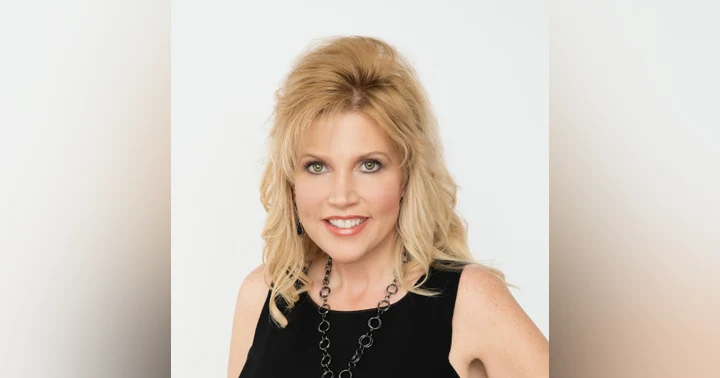
Lisa Sweat: Sweat Makes Dreams Happen
Transitioning from a 9-5 in corporate America to being a real estate agent with financial freedom sounds like a dream come true, but it’s much easier said than done. This is exactly what Lisa Sweat achieved, Although her job as an office manager was...

 Apple Podcasts
 Spotify
 Overcast
 Castro
 PocketCasts
 RSS Feed
 Transitioning from a 9-5 in corporate America to being a real estate agent with financial freedom sounds like a dream come true, but it’s much easier said than done. This is exactly what Lisa Sweat achieved, Although her job as an office manager was successful, it did not satisfy her, and that drove her to pursue and attain a successful career as a realtor.
Lisa Sweat was born in Clay County and found her first office job at 19 years old, working for a reputed bank. Although she made herself a successful career by going from a sales representative to an office manager in multiple industries in corporate America, her desire for independence drew her to the real estate business, where she started as a transaction coordinator and grew to become a widely successful realtor.
Join us to listen to this amazing success story, and learn the secrets to transitioning from a stable job to achieving the dream of financial independence in real estate.
[00:00 - 07:44] Lisa Sweat of Florida Homes Realty Shares Her Success Story
• Lisa is a superstar real estate agent with over 40+ transactions in 2022.
• Lisa's slogan is "Sweat Makes Dreams Happen."
• Lisa grew up in Clay County, Florida, with a single mom who was an entrepreneur.
• Lisa started her career working in customer service at a reputable bank, where she received extensive training and learned many valuable skills.
[07:45 - 15:09] Community Service and Office Management
• Community service was mandatory for job retention at the bank where Lisa first worked.
• Corporate training at Lisa’s first jobs was highly structured and invested in employees.
• Sales goals were a big part of banking jobs, which could be stressful but prepared Lisa for high-pressure work.
• Lisa worked as an office manager for companies in multiple industries, including a taser-selling company and an electrical contractor.
[15:09 - 22:17] From Banking and Office Management to Real Estate
• Lisa transitioned from banking to real estate because changes in her employer’s work culture due to mergers made her want to work for herself.
• She says having reserves in the bank is important for new agents because the first sale is always hard to get.
• The skills learned by Lisa in her corporate jobs gave her an advantage when entering the real estate industry.
[22:17 - 28:55] Lisa’s Success Story as a Real Estate Transaction Coordinator
• Being a transaction coordinator or assistant is a good entry point for new agents in real estate.
• Confidence and attitude are key factors in succeeding as an agent.
• Selecting the right brokerage that fits your mindset and ideology is crucial for success.
• Having a supportive staff is important for agents to succeed.
[28:55 - 36:03] Finding Success in a Rural Market
• New agents need to be self-starters and not depend on others for leads
• Lisa’s first transactions came from open houses and land sales.
• She went after the niche of selling raw land because other agents didn't want to deal with it.
• Selling raw land requires educating buyers on the development process, and this can be a lengthy endeavor.
[36:03 - 43:02] The Realities of Building a Home: Time and Money Constraints
• Building a home is costly and time-consuming.
• Many first-time homebuyers lack knowledge about home systems.
• Mentorship and peer support are important for new real estate agents.
• Collaborative agents are willing to help and answer questions.
• Listening to motivational podcasts can help start the day.
[43:02 - 50:42] Tips on Structuring One’s Schedule for Success
• Time blocking is important for structuring one’s day and prepping one’s week.
• You need to follow up with past clients and new leads regularly.
• Personal tasks need to be built into one’s calendar for flexibility.
• Listings are like traps that attract potential buyers.
• Regular contact with past clients is important as life changes frequently.
[50:42 - 57:59] Focusing on One’s Neighborhood and Treating Other Agents with Respect
• Lisa does door-knocking and stands outside to attract potential clients.
• She focuses on her own neighborhood and nearby areas where she knows the market well.
• She uses a sign in her yard to advertise herself as a realtor and notary, which has attracted attention.
• She charges for her notary services and also performs weddings.
• She believes in treating other agents with respect and reciprocity for a successful transaction.
[57:59 - 01:04:49] Common Friction Points in Home Buying and Selling
• Lack of transparency and communication can cause friction among real estate agents.
• It’s important for agents to do their due diligence to make the process as smooth as possible.
• The real estate industry slowdown is leading to agents seeking other jobs.
• Agents need to find creative ways to sell homes to succeed.
[01:04:49 - 01:11:54] The Importance of Pricing and Staging in Real Estate Sales
• Staging and decluttering a home is crucial for selling, as is setting the correct price.
• Consistent marketing through creative methods such as postcards can be great for farming neighborhoods.
• Constant education to keep up with changing market trends is important.
• Networking with other agents can lead to valuable connections and friendships.
[01:11:54 - 01:18:49] The Importance of Communication and Collaboration
• Importance of networking and referrals in real estate.
• Treating others right and working together to close deals is essential for agents to succeed.
• Setting expectations with buyers regarding home inspections and potential issues is important.
[01:18:49 - 01:25:40] Home Inspections and Affordable Housing in Rural Areas
• Savvy investors are buying up rural properties for future appreciation, though it’s important to have a proper home inspection in older rural homes.
• Covid has led to increased demand for homes in rural areas.
• Expressways and infrastructure improvements are making rural areas more accessible.
Quotes:
"Dress for the position you aspire to." - Lisa Sweat
"You cannot know something unless you experience it. You cannot sell a product unless you know what it does." - Lisa Sweat
"I can teach you how to do anything and sell anything, but I cannot teach you attitude and you cannot sell anything if you don’t have the right attitude.” - Lisa Sweat
"You have to be a self-starter. You can't depend on somebody to give you something. It's not going to work. You gotta do it yourself." - Lisa Sweat
To keep up with Lisa Sweat’s upcoming projects and career milestones, contact her and make her a part of your business network, make sure to follow her on social media and visit her business website.
Lisa Sweat’s business website: https://www.lisasweatyourfhrm.com/
Facebook: https://www.facebook.com/Lisa.Sweat.Realtor/
LinkedIn: https://www.linkedin.com/in/lisa-sweat-bb8b736/
If you want to build your business and become more discoverable online, Streamlined Media has you covered. Check out how they can help you build an evergreen revenue generator all
powered by content creation!
SUBSCRIBE & LEAVE A 5-STAR REVIEW as we discuss real estate excellence with the best of the best.
Are you ready to take your real estate game to the next level? Look no further than Real Estate Excellence - the ultimate podcast for real estate professionals. From top agents and loan officers, to expert home inspectors and more, we bring you the best of the best in the industry. Tune in and gain valuable insights, tips, and tricks from industry leaders as they share their own trials and triumphs. Whether you're a seasoned pro or just starting out, a homebuyer or seller, or simply interested in the real estate industry, Real Estate Excellence has something for you. Join us and discover how to become a true expert in the field.
The content in these videos and posts are for informational and educational purposes only. The information contained in the posted content represents the views and opinions of the original creators and does not necessarily represent the views or opinions of Townebank Mortgage NMLS: #512138.
Tracy Hayes 1:04
this is your host. Tracy Hayes, today's guest is another superstar real estate agent, as she is nearing her fifth year anniversary, if I saw that correctly, on LinkedIn, as a native northeast Floridian in 2022 she had over 40 plus transactions. She is trending that already for 23 her slogan is, sweat makes dreams happen. Let's welcome Lisa sweat of Florida, Homes Realty to the show.
LIsa Sweat 1:30
Thank you, Tracy. I'm so glad to be here.
Tracy Hayes 1:34
Well, you know, I'm let's see has, as has happened a lot of times. It's the first time I've actually met you face to face, yeah, and we're going to interact. So our conversation is very real, nothing besides our little pre show conversation, as we always have. And you know, one of the things I reason why I started the podcast was to get to meet great people. And so I'm really happy you're here
LIsa Sweat 1:55
today. Well, I'm happy to be here.
Tracy Hayes 1:56
Excellent, excellent. So as I start every show, get a little background on you. Okay, we know you grew up in Northeast Florida, but I mean, like, where, what high school did you go? To tell us a little
LIsa Sweat 2:06
about Well, I was born in the Bold New City of the South Jacksonville, Florida, right here, so I haven't ventured out too far. And when I was about two years old, my parents got divorced, and when they got divorced, my mom was a single mom, and she got tired of always being separated from me and my brother, so she decided to buy a business out in Clay County. And it was way out in the boonies. Back then, it was on State Road, 224, and when she bought this, everybody was like, What are you thinking about? There's nothing out there, and she opened up a daycare business. And so when she moved it, when she moved us out there, she was only licensed for like, 35 children, which is a lot. Well, yeah, back then, I mean, this was in 79 so, you know, I mean, we're talking weight, yeah. And it wasn't a dirt road back then, it was on a paved road. But later, like seven years later, St Johns River Community College, they came in there, and they built their satellite office there. So it became college drive, which became a busy road in Orange Park, awesome. And so she grew her business from 35 children to 75 children. And then with the last edition, she grew it to 150 children. So yeah, I grew up in Clay County. Yeah, there no, not clay. I went to Middleburg. I didn't go to clay. My daughter went to clay, and she told me, she said, You got to switch over. And I said, No, I'm a middleburgh Bronco. And she's like, No, you got to be a Blue Devil. So, yeah, well, it's,
Tracy Hayes 3:43
I officiate college. I was doing college, but I toficiate the high school. I just do that now on Friday nights. And I always, I love Middleburg high.
LIsa Sweat 3:52
Yeah, don't you love it with the little cowbells we ring and the Pony Express?
Tracy Hayes 3:57
Great, great atmosphere there our Friday night football game, the fields. Field has always kept it's been, it's been a few years since I've been out there, but I just, I do enjoy going to Middleburg for that atmosphere.
LIsa Sweat 4:08
Oh, yeah. Well, the Blue Devils is great too, because, you know, they have the little pitchforks, and they do, and, like I said, I had to kind of convert over when she went there. So, so, yeah, I didn't bring her up too far, you know, I'm right here.
Tracy Hayes 4:22
So, so you grew up with a mom who was an entrepreneur, entrepreneur, right? And so, you know, as you're going to Middleburg high, I mean, what kind of things were you thinking about, what kind of aspirations as a young person that you thought you would take your career? Jevon, well,
LIsa Sweat 4:37
growing up with a strong, domineering mother like I had, you know, we had to work. She was starting a small business, and so it was embedded in us. You get up and you work. We worked all the time, even on the weekends we were working, doing something I did not want to follow in her aspirations of childcare, the children I babysitting, kids. But to the I was like, I don't want this full time. So I went to work. Right after I got out of high school, I took, like, a year off, you know, trying to find myself, like most kids, don't know what you want to do. You know, at 18 years old, you're like, What do I do? And so I was just working at a grocery store, and I was going to college. I was going to St John's River Community College, and my girlfriend and I, we decided that we were going to get us a real job, is what we called it. And so we were going to go and apply. Barnett bank was having a job fair, and I had already applied for them twice before and didn't get hired, I guess because of my age. I don't know. I don't know why I didn't get hired, but I didn't. So we went to the job fair, and, you know, we didn't really take it serious. We're 19 year old girls. We're in there laughing and cutting up. You get that interviewer? No, I hope you get that interviewer. We were picking them all out. Well, little did I know I got the director of HR who interviewed me, and when he did, I told him, I said, I don't know why you didn't hire me. I've applied three times. I won an essay with y'all when I was in second grade, and I opened up my first savings account with y'all. I still have this savings account.
Tracy Hayes 6:14
Vanilla Gilchrist, yeah. And I'm like,
LIsa Sweat 6:17
I'm such a hard worker. What does it take to get on with y'all. He hired me on the spot. That's awesome. Yeah, sure did. And not just to be a teller. Like most young people, you know, fresh they start as a teller. He hired me for customer service. So when I got into customer service, they train their people. I mean, I had to go to class for three weeks. Went down to the Barnett tower. You know, the triangle, the big building? No, it's Bank of America now, yeah, yeah, but we call it the tower, and it was across the street. So we did training there for three weeks, classroom, formal training, and then we would have to go out in the branch and we would be mentored by somebody, right? So I really think that's what got me my start and taught me so much. I mean, I still say things that Barnett taught me. They were number one bank in Florida.
Tracy Hayes 7:12
They were just, that's always a question I always have, is what things and since you brought it up, yeah, you know, like said, you you use phrases or stuff that they gave you. Oh, my God. What are some of those ones that just a couple that
LIsa Sweat 7:23
they would always teach us dress to, dress for the position you aspire to. So I don't get this new I mean, I know people were casual at work and stuff, but I still dress,
Tracy Hayes 7:34
I dress like a podcaster. That's full time podcasting exactly my ultimate dream.
LIsa Sweat 7:40
Yeah, exactly. I mean, a lot of people wear shorts and, you know, comfortable. But to me, it was always dressed to the position you aspire to, the sunset policy, which was, if you got busy and you couldn't call somebody, you made sure you called them before the end of the night. It was just they trained their people so well. They were so into education and into investing in community service. We had to do community service. We didn't have a choice. If you want to keep your job there, you had to get back to the community.
Tracy Hayes 8:13
You know, if there's a handful of people that I've had on that have come through that corporate thing, yeah. Elaine Morgan, I was with Disney for a long time, for 10 years, 1011, 711, years or so. And you know, how important, especially, you know you're how old? 19 years.
LIsa Sweat 8:29
I was 19 years old. I wasn't even like so everybody that I worked with, like when we would go out after work, you know, they could get alcohol. I'm 19 year old kid. I couldn't drink alcohol. I remember being at the tower, and I got my first pay stub, and I opened it and it was $500 and I was like, Oh, I'm gonna be rich. You know, I was looking back. I'm like, geez, so innocent. I just didn't really know. But to me, that was like, it was like hitting the chat pot, you know, the
Tracy Hayes 9:02
time you spent there in the formal training and Disney and others that have come up through, you know, the corporate, corporate, yeah, which the corporate? The banks are very, for the most part, you know, very structured, especially when you're very strong in the branches.
LIsa Sweat 9:20
Very structured. I mean, we were taught like I said, they were not cheap. I still, to this day, think they were the best company ever because they invested back in their people, and they invested in technology. They always wanted us to have the best of everything. And it was just a great experience.
Tracy Hayes 9:38
It was great for me to start tobacco last
LIsa Sweat 9:40
Right, right? Exactly, exactly. So, you know, I mean, I was devastated when they merged and changed over and got bought out, like a lot of banks are going through right now. I mean, we're seeing that all over the place. All the little ones are getting gobbled up, and the big ones are coming in. And so as Barnett. Was wild Alpha Bank of America, right? And what would change to nations, nations? That's when I left. Yeah, I left because I had went out to have my first child. And when I came back, you know, they told me, nothing's changing, except for the colors and all. Oh, it had all changed. It was all different in there. And people were so mad because they were coming in there and they had mailed them, you know, they had changed their loan number, but they did not mail them new coupon books. So people were coming in to make their payments. Their payments weren't getting applied properly. So they were coming in and they were taking all their venom out on us. And, you know, we're, we're just employees, we're the small fish, you know, I didn't want the merger to happen either. I was happy with how it was, and that's what
Tracy Hayes 10:50
caused a little bit of turnover. Oh, a
LIsa Sweat 10:52
lot of people left. A lot of people left. You know, it was just a different culture, it was different mindset, everything was different. And so, you know, I was granted another opportunity with another bank at Compass, and so I switched over to compass, and went over there and was the teller Operations Coordinator, because Barnett had trained me to do both. I was a teller and I was customer service. I literally learned the whole city of Jacksonville, because back then, we didn't have GPS. No, we had a map. They gave us a map and said, Here, you know, because I was on a, what they called the elite team. So we would travel the whole city. We were kind of like support staff when somebody was out on vacation, or somebody was out training or doing something right. So we would just travel wherever we had to go, right? And it was a great experience for me. I learned the whole city of Jacksonville without the GPS, way before the GPS,
Tracy Hayes 11:50
all right, so if I'm reading your LinkedIn correctly, you spend you'll go right up to about 2018 doing some office management, yeah.
LIsa Sweat 11:59
So after so I worked at Compass. I was there six years also, and then I decided, I was like, I'm kind of tired of banking. You know, a lot of people don't realize that, but the banks, we had sales goals, big into sales, and people don't know that. People had no idea we would work all day, and then we would stay at night, and we would make calls at night, we had to call people. We were given so many checking accounts. We had to get how many savings accounts, loans, CDs, or whatever, everything. I mean, in every quarter it would start back over. And so with, you know, children and all, it got to be a lot. And I said, I just kind of want just an eight to five job. So that's when I went into office management, and I went to work at a company called DPG taser, which we sell the Taser guns law enforcement. Oh, okay, cool. Which was really cool, yeah, when my bosses hired me, you know, I had no idea what I was getting myself into, because I've never been around really guns and all this stuff, you know, tactical gear and all this things like that. And so they said, Well, you know, we can train we can train you on the product. We need someone that's good at customer service, yeah. And so they said, but you do have to be tased to work here. Yeah, right. I'm okay with it. I'm like, Okay, well, I'll try anything. One, okay, well, then they put me on the phone with all these cops that are calling in big macho people, you know, that got these big muscles and all, and they're telling me how painful this hazing thing is. And I'm like, Okay, I'm gonna reconsider this. I don't know about this anymore. I don't know if I can do this.
Tracy Hayes 13:47
So what were they? The police officers will call you in, or that, did they or something? They had some mixed accounts individuals. But also,
LIsa Sweat 13:56
probably no. We were law enforcement only. We were sole source distributor for Florida and Georgia. Okay, so the cops had to get their tasers through us, right? So they were calling all day long. I was taking calls from Florida, from Georgia police officers. You know, I learned all the counties in Florida and Georgia, all of them, and like I said, I was, I was fine with the tasing, until I got on the phone, and then I heard what they told me how bad it was, and my boss told me. He said, You cannot know what something is unless you experience it. You cannot sell a product unless you know what it does. And so finally, I psyched myself up, and I was it was my 32nd birthday, and I came in and I said, I'm gonna let y'all tase me today. And the guys got all excited, oh, we get to take her today, because I was afraid of what I would say. Or do, you know, a lot of people do some embarrassing things when they get tased. You had never watched the video. See the guy, don't taste me. Bro, I
Tracy Hayes 15:00
see, well, I seen guys get, I mean, I seen people like, get tased, but do, like, silly I'm thinking, like, maybe they lose body League.
LIsa Sweat 15:09
That's what I was afraid of happening to me. Because if it's gonna happen, it's gonna happen to me. And so for the 32nd birthday, I let them tase me, and they videoed it, and I didn't do anything embarrassing. I just said, turn it off. Turn it off. And that was it. Just drop. I mean, you lose all sense of your body, right? You know, it affects your muscle, your legs just go out, and you just drop, and you get up and you're like, wow, it can do that. I mean, you're just amazed, yeah, that it can do that to you, gives you a whole new respect for the product. All right?
Tracy Hayes 15:47
So you're, you're doing this. What leads you to sense real estate? What happens? Well, once again,
LIsa Sweat 15:53
another merger, another merger. Okay? And mergers are hard on employees. I mean, you got to learn a brand new system. You got to still deal with the clients when you're going through all this and driving. I didn't want to drive to Jacksonville every day like county girl. I don't mind going there to show property and do all that stuff, but I don't want it every
Tracy Hayes 16:19
day, right, well, it's different paycheck, I'm sure, too. Yeah, property. I mean,
LIsa Sweat 16:24
I like living in Clay County. I like that area, you know what I'm saying, and I didn't want to go over there every day. So I said, You know what? I'm tired of working for somebody and always going through these mergers and stuff. I'm gonna go work for myself and see what I can do with it. And plus, I've always been fascinated with real estate. I mean, when I worked at the bank, you know, I weighed on realtors, they'd come through the drive through and stuff, so I was always banking is very much like real estate. That's why, when I went to real estate school and I took my test, I didn't have any problems with it because of that background.
Tracy Hayes 17:00
Did you have a friend or anybody that that kind of gave you some insight or or tease you a little bit, or it was just, just a general interest in real estate.
LIsa Sweat 17:10
It was an interest in it, you know. And back then, you know, I would look online at property and stuff like that. And I think whenever I was, I remember, I was working at the bank, and I had, I had already bought two homes Watson. Watson was the big brokerage back in the day, you know, I had even talked to some of the realtors there about it, but I didn't have the money back then to do that and step away from a full time job, right? You know, for the commission, not knowing the not knowing I needed the regular paycheck, right? So, you know, my girls were older, so I was able to go and go to real estate school and and do what I wanted to do. Do that dream I wanted, right? I had been dreaming about doing, not
Tracy Hayes 17:56
worried getting home at three o'clock or, yeah, they got this talk about that, that transition you were, you know, you were doing the, you know, the eight to five job, nine to five job, in that same what you just said, the stress of, you know, you weren't in a position to do that when you talk. Because I imagine your approach, as every realtor is by different people of all different ages when they have that conversation with you, of thinking about making that leap, and obviously, I imagine the thought that you had as time as well might be months before I get paid again, absolutely that kind of, how do you, how do you approach that conversation? Or, what do you, what do you recommend when you're when someone comes up to you and says, Hey, I'm really thinking about real estate. You know, can you give me some advice? What do you
LIsa Sweat 18:44
Well, I would say you need to have money in the bank account, because you're not going to have a sale right away. I know when I first got started, it was hard, and I've lived in Clay County all my life. I mean, I have a big bunch of people that I know out there, right? And it was a real estate that's right. They knew me as Lisa the banker or Lisa the office manager. They did not know me as the realtor. So it takes a while for them to change their mindset that that's what I am. So I would say that you need to have at least, like, six months of reserves in the bank, you know, to fall back on, because there's no guarantees with it. And it took a while before I started making sales stuff and getting my name out there or what I was doing, and getting them to, you know, because you're new, sometimes they don't.
Tracy Hayes 19:36
They want to see, how are you, yeah, yeah. They want to see if you were
LIsa Sweat 19:40
going to stick with it, and also if you're knowledgeable enough to do it. Because, you know, all these TV shows and all make it look so easy and all, and it's not easy. It's hard work, right? You got to get out there and hustle.
Tracy Hayes 19:54
So I always like to spend a little segment on, you know, especially like that, the from just before. Or, you know, pretty much licensing to that in that first year. Because I think it's so important, because with the amount of real estate agents that fall out every, every, you know, they don't renew, 80% are pretty much gone before their first renewal. So that first, you know, 1213, months is really important. Or in this case, if you don't get a paycheck for six months, right? You're talking from licensing for in six. So it could be an eight month period there without anyone. Based on your LinkedIn, you went right to Florida homes. Is that where you actually started?
LIsa Sweat 20:30
I went to Florida homes when I first started. My realtor that had sold me my house. That's where she was from, and so she had recruited me to come over there. And I started over there. And then when I was there, I didn't know, you go and get your license, but they don't tell you what to do when after you get your license. And so I watched all of James's videos. I was sitting around watching video after video. I was going to his classes doing that, but I still didn't really know what to do. And I felt like kind of like a lost sheep out there, like, what do I go? What do I do? And so I joined this team. And when I joined the team, I was their transaction coordinator. Because of my administrative background, they hired me to do that, which probably was the best thing for me, looking back, because I learned how to run the whole transaction, and that put the system and everything, and paid every and I got paid, right? I got paid while I was doing that, and so it was good. I wouldn't go back to a team after that. I don't after I learned what went on, I felt like I had the knowledge to go out and be a solo agent. So I came back to Florida homes.
Tracy Hayes 21:42
Okay, so you left, you left Florida homes as a brokerage to go join this team, the team, but that helped you ramp now, because you, at this point, had, you even had your first sale while you working.
LIsa Sweat 21:51
I had my own first sale, and it was my own property. Okay, see, I own, I have my house, and then I had two acres to the side of me, and I sold it. And that was the only sale I ever had when I was with the broker, with with the team. But then when I came back to Florida homes, I was like, on fire. I mean, because I knew what to do.
Tracy Hayes 22:10
You now, got it? You actually saw people doing it. You knew I got they were doing Yeah? You're seeing these things go on. You're seeing the contracts. You're getting more comfortable. Yeah. Confidence level. I imagine Absolutely,
LIsa Sweat 22:23
absolutely, I knew exactly. Then, you know, I knew from start to finish what to do.
Tracy Hayes 22:30
So if for young people out there, and you can give me your insight, because obviously, Yo, you see it. I'm on the loan side. You're seeing it every day, right? I'm just talking to you guys from in one for our center. Oh, everyone's always looking there's always a position for a good transaction according yes or assistant, right? Like assistant is the other in the back office. So to say that a young really a young person. But in this case, you were in your 30s at this point when you did this transition.
LIsa Sweat 22:57
Oh, no no no, honey. I just turned 52 weeks ago. No, no,
Tracy Hayes 23:00
when you did that? When you okay? So, well, you're so you're in your 40s. I was in my 40s back five years. Yeah, so you spent some time as a transaction coordinator, which gave you a ramp up. So again, those listeners that are listening, or those who might be watching right now, you know another way to shorten that learning curve, because, like you said, I what your situation you were in, I think, is, you know you're you hung on there long enough or or door open, and you got the transaction coordinator, and that kept you in real estate where I think a lot of people would have been. I don't even know what to do next.
LIsa Sweat 23:35
I mean, you're right, they're out. You're right. Yeah, go back. That gave me the confidence, and I would shadow other agents on the team too, and watch what they were doing, listen to them talk. Listen to them,
Tracy Hayes 23:46
or even when you ask them, hey, what do we what should we do? Yeah, with this situation, you you talk through it, and now all sudden you're putting that as on your
LIsa Sweat 23:55
belt, exactly, yeah, exactly, yeah. It's really good for new agents. I mean, I recommend that for new agents to get started.
Tracy Hayes 24:03
And there's a lot of young people entering real estate, which you didn't see 20 or 30 years ago. We have a lot of recent college grads, or some people, again, didn't go to college, doesn't have any college degree, because it's not required. Go get a transaction coordinator focus if you got the customer service skills, which you had, and obviously experience, but a lot of these young people could, could really ramp up 1920, 21 and then become an agent, because now you've seen so much of the business. Because I think one thing that helps is understanding the business from, you know, a 30,000 foot level too.
LIsa Sweat 24:38
Oh yeah, yeah, absolutely, yeah. Well, being a transaction coordinator, I still get agents now that call me. They're calling me, and they're like, We don't know how to run the transaction. What do we do? And I say, Give it to me. I'll run it for you. And I still run it for them, because and I, I know a lot of people say that takes away from me being out producing. I love. Love paperwork. I love it. I love contracts. Anything to do with paperwork, right? All the little details. My dad was an accountant, so I am all into little numbers and doing little spreadsheets and all that stuff. My loan officer makes fun of me all the time. He says, You have a spreadsheet on everything. Yeah, and I'm like, I do. I keep a spreadsheet on everything
Tracy Hayes 25:21
more of a should, but a lot of us, I'm more of the visionary than the integrator, and I so, yeah, that's just, like, slows me down. What the spreadsheet I like to I'll start a spreadsheet. And, yeah, last like, a day or two,
LIsa Sweat 25:32
really, you can go in and filter it. And, I mean, it's just, it's so wonderful.
Tracy Hayes 25:38
I'll let it. I'll edit my videos. So, all right, so, so give us, just everyone a little bit time for it. So you walk into Florida homes, you realize this is not like, what do I do next? How long is it before you're, you're, you're picked up by this team, and you jump over there just a few months?
LIsa Sweat 25:56
Or, I was with Florida homes, I want to sit or I would think the first time, like, four months, maybe four or five months. Wait a minute. Wait a minute. October. I'm terrible with time now. October two, I came back in June. So whatever that is, six that's 10 months. 10 months. I was on the team.
Tracy Hayes 26:16
Okay, so, but you were, you were floored home just for a few months.
LIsa Sweat 26:18
Four months, right? That's right, in less than a
Tracy Hayes 26:21
year, yeah, you felt confident to go and get out on your own again, yeah?
LIsa Sweat 26:25
And, like I said, I already had the skills I had learned at the bank, right? They had already taught us sales. I mean, we had embedded in us, you know, build rapport, build trust, ask open end questions, follow up all the stuff. I mean, we, yeah, I closed loans there for them. I mean, did everything so I already had the skills. I just needed the confidence in being a real estate agent, just a different market.
Tracy Hayes 26:52
Well, how you take those skills and apply it now, absolutely similar skills, just similar skills, little different industry, and use how you can apply those things.
LIsa Sweat 27:00
That's right, right, just like my one boss told me, you know, I can teach you how to do anything, can't teach attitude, but I can teach you how to do any, sell any product, but you got to have the right attitude.
Tracy Hayes 27:13
What I find really interesting about your story is, I think a lot of people these days you see in the loan officer world, because it's kind of structured the same way. They want to be a loan officer, because they see the money, but really, they don't really want to interact with the real estate agent, right? They don't have a lot of confidence because they haven't written a loan yet. So they don't have that sort of confidence going on. And they find themselves, after a brief period of time, that, Oh, I'm not really good at, but they are good at putting, you know, they did take the training, and they are good at inputting and picking up and following up and having conversation. You know that those conversations to step back and be, you know, we call them loan assistance, transaction coordinator and assistant on the real estate agent side that, you know, you took a little bit of what most people will consider, oh, you're not an agent. You step back to a transaction coordinator. Like, that's below you, but that actually, that step back accelerated you five steps forward, right?
LIsa Sweat 28:12
Absolutely, well, like, I think what I did was wonderful for me. It gave me what I needed, you know, but I did always just want to be an agent. I just didn't have the confidence yet to write that, and I didn't know, I didn't have the knowledge to do it really, right?
Tracy Hayes 28:27
You had to go take that training again. Yeah, exactly on real estate, because you took the customer service training now, you had training on how to how to do the but, and not to get on Florida homes. But I think it's very important people select their brokerages for different reasons. Right? In this case, you actually stepped away from Florida homes to come back to what you originally want to do, which was, would be that solo agent and to go up. But how important these agents today, and we see them moving around and so forth, they do that. They they need to find that brokerage that that fits their their mindset, their attitude, their ideology of how they want to run their business, absolutely.
LIsa Sweat 29:05
Yeah, absolutely. And you have to have a support staff, like I can call Florida homes and you know, they're always there for me. Anytime I call. We have the broker hotline. They're there to answer the questions. I had an incident right after I got my license, got in trouble with something, something I shouldn't have gotten myself into, but I can't ever. I can't sit by and let somebody being taken advantage of that's just me. I'm a caring, loving person, and James came to my rescue. And he goes, I know your heart was in the right place, and we're going to get you out of this right. And he was with me all at Christmas time. Went down there. We had to write this thing. I had got trouble with Fred. Wow. It was an investor trying to take advantage of a old man. And that's one thing you don't touch with. You know? You don't mess. The old people and take advantage of them. And so James went, and it was, like I said, Christmas time. I went down there for two weeks at Christmas time, he helped me write the rebuttal to get me out of trouble with Freck, and we submitted it. And no problem at all. No problem because, like I said, my heart was in the right place, right? But a lot of new agents don't know what they don't know, you know exactly. And like I said, All I saw was an old man taken being taken advantage of. And here comes protective mom. I'm going to take care of, you know. And he was a neighbor, too.
Tracy Hayes 30:34
So in the importance to, you know, talking, you know, you said you watched Hayes show. I mean, when she was young first go. She still is young. When she first got started, she was shadowing another broker. And you, you know, if you could maybe even tell a story, if you've got one off top of your head. You know, when you were as a transaction coordinator, you mentioned you did some shadowing, yeah, of some, some of the agents. What are some of the things that that you kind of, you picked up on, or were like, an aha moment for you. When you're, you're watching the agent, oh, wow, that's a really great way you show a house or whatever. Do you have anything you can remember that you pulled in that?
LIsa Sweat 31:12
Well, I mean, I remember us putting out a lot of signs. I mean, at the when I was on the team, we had to put out like 25 signs. I don't do that now as a solo age, too many signs to put up and pick up. Plus, with all the people driving crazy on the road, I'm afraid I'm gonna get hit. Yeah. But then another thing we did was, you know, we would door knock. We did that. I had to do it if my open house was on a Saturday, and we had to do it on a Friday, or maybe on a Thursday, we would go and we would door knock the neighbors and stuff, and give them a little card, you know, telling them we're having an open house and to come over to the open house.
Tracy Hayes 31:50
So I learned license. Yeah, you went and sat some open houses on the weekends. Yeah? Well, I
LIsa Sweat 31:56
was still trying to become an agent. I was just their transaction coordinator, but I was still also an agent. I just wasn't doing any transactions, you know. And, you know, it was a team thing, and they were buying Zillow leads, and they were giving them to the people that were already producing, but they weren't giving them to the new agents. So we weren't getting any leads, right? So I realized, that's when I realized you have to be a self starter. You can't depend on somebody to give you something. It's not gonna work. You gotta. You gotta do it yourself.
Tracy Hayes 32:31
Well, let's talk about the self starting. Since you brought that you being, you know, native to the area, like you said you knew a lot of people growing up through school and mom and that sort of thing, right? What are some of those initial things that you did to reach out to your circle of influence to say, Hey, I'm a real estate agent.
LIsa Sweat 32:51
Well, my first transactions weren't really anybody that I knew. It was from open houses. My first three deals I got was from open houses. I was there every Saturday, doing open house every Saturday,
Tracy Hayes 33:06
just a team, or James, or, you know, like, I mean, help you guide you. Like, say, okay, hey, you know, you're coming into the office here, and we got this, you know, you got all the, I'm sure, a spreadsheet of every single person, or we can, you know, you can pull the stuff now off your cell phone. Of every person you have in your cell phone, the 1000s of people as we well, we
LIsa Sweat 33:25
have them sign in. I have them sign in on my tablet, and it goes directly to my CRM, and it's so I want to, I
Tracy Hayes 33:34
want to kind of dig in. What did you or eventually do? Because some, there are some agents that told you they they regret that the first thing they didn't do was try to start working on their sphere of influence. What are some of the things that that you did to start working into that?
LIsa Sweat 33:51
Well, that was when I came to the team. That was the first thing we had to do. Is we had to download our sphere into the CRM and send them all letters and let them and emails and let them know what we were doing. But like I said, I didn't get my first business from that. Yeah, what I did get, and this is so funny, because, like, nobody wants to mess with it. My first transactions was from land, because so many agents don't want to deal with land because the price point is not that great. And I'm in a rural area, so I get a lot of people that they just want to buy raw land, either hold on to it, put cows on it, put horses on it, build on it eventually. And so I went after that Nick, because no other agent wanted it right. And I got one investor. She was my first client, actually one of my first ones. She told me, she goes, I call all the agents, and nobody will call me back. And I'm like, Well, honey, I hate to tell you this, you know, but it's because it's land. They don't want to deal with it, you know, because of the price point not being that big. And I said, but I'm a hungry agent, I'll do it. And so she gave me all of her listings. And. A lot of those, I converted after the people realized what they had to do to develop raw land, that's another thing my
Tracy Hayes 35:08
husband's and held on to it for a little bit and just sold it off, right, right?
LIsa Sweat 35:13
That's what the investor would do. But I would get a buyer that way. I would show them the land, and then when I would educate them on what you got to do to develop that land. They wouldn't even want to do that anymore. They want to go buy a house, because that's not for everybody. You've got to have the right timeframe, you know. I mean, you can't be in a hurry.
Tracy Hayes 35:33
And then the, you know, they go buy these track builds, because all that permitting and all that other stuff is already done well, yeah. And then the rural, rural areas that you're talking about, some of them don't have, obviously, the public utilities, oh, they don't have any of that. Get your own, well,
LIsa Sweat 35:50
power pole, all that, pay impact fees, all of that stuff. And like I was saying, my husband's an underground utility worker. He works for Clay County utility authority, and we have an excavation company on the side too. So he I take him with me to all the raw land, and he can talk to the people about the clearing, the cost to clear the land, the cost to put in the power pole, the cost to put in the well, the septic, all of that stuff, right? And once they hear the expense of it. I mean, a lot of people are, oh, I want to build. I want custom build. Well, then when they realize the cost, they don't want any board,
Tracy Hayes 36:28
yeah, the cost, and then the process, process,
LIsa Sweat 36:34
yeah, exactly. I mean, you really have to have at least, I would say, a year, you know, to just sit there and wait, because, like, my first deal I was telling you about, that was my own, that was raw land. And when I asked the neighbor that built her mansion next to my house, my little house, would you do it again? She's like, Oh, I don't know if I would do this again, right? Because it was such a process. Do you think the the
Tracy Hayes 37:00
initial interest is, you know, because maybe the lot only cost 10 or $15,000
LIsa Sweat 37:05
huh? Not in Clay County, five.
Tracy Hayes 37:10
Well, five, when you first started, you first started, but, yeah, but that, that's their initial thing, or $50,000 just for the lot, right? So, like, Oh, that's a low right price point. They're not engaging and Okay, now you got to build a house on top. You got to clear it. You got to clear it first going over to a builder who's selling you an end house when it's finished, right? And because they had to go, they went through all those things. Plus they, in most cases the builders are bringing in, obviously, the public utilities. So that's value to the home. And you know, in his track bills, which says, You, I want to say, save you as a homeowner, as I'm sure you've seen, there's, we have a lot of young people getting into a home. They only know how a hot water heater works, yeah? Own how a well works, yeah.
LIsa Sweat 37:55
I had a new one that just bought, and they called me and they said their AC didn't work. And I was like, What do you mean? Your AC doesn't work. That's a brand new unit. It's not working. They didn't go to the panel, the panel box and turn on the AC. Yeah. So so many people, you know, they're first time home buyers, just don't know, right, right? And so, like I said, it's everybody's dream to build their own home and design it and all. But it gets a lot different when you talk about time and money, money, time and money. Time and money, exactly, that's right.
Tracy Hayes 38:33
We gestured on it early or and I mentioned the show a question I always ask. You've been doing this five years, you've had a good number of transactions. Now you're you're trending up. These new agents are talking to just to kind of summarize what we say. Then we'll move on to some marketing questions. Someone who, who is thinking about getting into real estate, becoming a real estate agent, what are two or three things that you think it's vital for them to know or they should do. And I say do, because I think they don't sit down with enough. They should sit down with more of them, with just one other real estate agent. They really need to sit down absolutely the perspectives. What are a couple of things that you think is vital? Think they need
LIsa Sweat 39:21
to get a good mentorship going on with somebody like I have a girlfriend that her and I got our license about the same time. I was October, she was April. We're we call ourselves partners, even though we're not. We're both solo agents, but we bounce ideas off of each other, and we have that. I mean, she called me on the way coming here we have that where we just connect and we can talk about things. You know, if we're having a difficult transaction, we don't know what to do. We bounce ideas off of each other, and we motivate each other. And I think that's a lot of it too, because real estate can be depressing sometimes. I mean. It's not like what you see on TV all these people making millions of dollars. I mean, you have some bad days, like when I came in and brought you the little balloon, and you said, how was your open house this weekend? And I was like, Oh, it wasn't very good. Yeah, you know, I didn't have the turnout that I wanted. And but then you get depressed about some things, and I was depressed when I came home because I didn't have a good open house. I go to my mailbox. There's somebody out there looking at my sign. I have a sign in my yard that says that I'm Lake asbury's realtor and notary. Somebody was looking at my sign and got me a new buyer out of it, awesome. Yeah, stop. Talk to them. I was like, Can I help you? And they're like, Is your house for sale? I said, No, I'm just letting everybody know I'm a realtor. Yeah, and come to find out, the guy works with my husband too, and they're like, well, we want to, we want to buy a house. So yeah, that's how it happens. You know, just one thing leads to another, and you have days where you get depressed, but then things, because
Tracy Hayes 40:57
you have two or three things go bad, and then, oh, man, exactly, until all of a sudden you get that person that causes that I want to buy a house, yeah?
LIsa Sweat 41:07
I mean, he's got one to sell, he's got one to buy. And I'm like, wow, I had a bad day. And then I come back in and my husband's like, you changed your attitude all of a sudden, like, guess who I'm in the yard, right? Exactly, you know. And it can happen like that. So I encourage somebody to, whoever get is getting into it, to get a good mentorship, you know, get around a good group of people that encourage you and build you up. Because it can be depressing
Tracy Hayes 41:33
now you so this is one of the talking with Shira Cavanaugh. She is in more into the brick and mortar building, right? You're with Florida homes, which is more of a virtual they do other offices, right? Not as it's not as active
LIsa Sweat 41:49
as, right? We all work from home, yeah, the most part. But we can go in the office, yeah?
Tracy Hayes 41:53
So, you know, someone getting in, like, here you had this individual who started about same time. So when you use the term mentor with this person, like, they're more like
LIsa Sweat 42:03
a peer, appear, cheerlead,
Tracy Hayes 42:05
going through the same things you are. So you're sharing stories, and hopefully your inspiration coming home was upset and Nelson, boom, you got turned around. Yeah, within a few minutes, that quick, that encourages them to say, Okay, I need to go go out tomorrow morning. Yeah, again and do it again, exactly, but for a new agent coming in to find that that slightly more experienced agent, that true mentor that you were referring to, yeah, because I really think that is important too, yes, because you really need that person can answer some of these crazy stuff questions, right, and actually wants to answer those questions help you answer those questions for you. Because there, obviously, there's some people don't want to be, not only bothered by you, exactly, but there's others. I find a lot of the top agents are collaborative. They want to pour into
LIsa Sweat 42:53
people, right? Yeah. And then also, when I got started, there was a coach that was coming on every morning, Cheyenne Lake, I was listening to her podcast every morning. She started at six, which was way too early, but anyways, I would get up to listen to it, and it would start the day, right? You know, it motivates you to get started. It motivates you to do certain actions. You need that to push you. Because when you're self employed, you can lay in bed if you want to, but you're not going to get a paycheck, right? You know? You got to get out there and do it.
Tracy Hayes 43:27
Hey, folks, this episode was produced by streamline media, the number one media company for helping brands generate content that converts. I knew I wanted to start a podcast to reach more people and bring value to the world, but I did not have the time or the knowledge. Streamline media became my secret weapon to building my show. They handle all my back end work, production and strategies to keep my show going strong. If you're in the real estate business and looking to make content that generates more leads and brings in more revenue, check out the streamline media link in the show notes and discover how partnering up can supercharge your path to real estate excellence well. So since you, you just brought that up, let's go right into that. Your your day now, you've, you've been doing this almost five years. You come up a couple months, you'll be five years into this. How has you were transaction coordinator. You're watching how these other agents are doing it, of course, as a transaction coordinator. Imagine you're probably in, you know, you're logged in or in the office at nine o'clock, and because you're doing those administrative tasks now, you go out on your own, yes, how are you structuring your day now? Or if you could expand even, how do you start prepping your week?
LIsa Sweat 44:44
Well, I time block, you know, I have a time system and put it on my calendar where I'm going to be, what I'm going to be doing, constantly checking that calendar, constantly checking to see who I need to be, calling back. How do.
Tracy Hayes 45:00
Details, yeah. I mean, are you blocking? Hey, I'm going to make some calls, or say I'm going to make calls to this person, this person, this person, between nine and 10 or whatever.
LIsa Sweat 45:10
Yeah, normally it's, you know, I try to follow up with clients that have already used me in the past. I'll start with them, and then new leads that are coming in, but I don't stop on the weekends. I mean, if I get leads that come in on the weekend, I'm working them on the weekend. You know, that's when we show the most of our property is on the weekends and stuff. So I just stay really busy. And then last year was so crazy, you know, we were running around with buyers, and we would no more get back and writing an offer on a property, and there's 50 other offers in there at the same time, and we were competing against all that, which was really tough, because I'm like, I just got home, and I'm writing the offer, and you've already got all these other offers. So it's changed
Tracy Hayes 45:56
in the time blocking area and doing this, because I keep, kind of reiterating to my my wife, who's with Florida homes as well, oh, she is okay, good. That's so you got to take some time. You know, there's certain things as a person you need to take care of. Or, you know, we've got a soon to be 10 year old and a 13 year old. And I tell us, okay, if that needs to be done and you need to be there, and you want to be there, then you have to just put it on your schedule. And you once, if someone calls the day before and says, Hey, I want to do something at three o'clock, you just gotta say, Hey, I got another appointment at that time. Yeah, can we do it after, or do it earlier, or whatever it might be. But how important is you gotta You can't just be sitting there waiting for the phone to ring, right? No. You can't have to go get your your chores done and that sort of thing. Do you build some of your personal stuff in to that time block so you're getting that done at the same time, so at the end of the day, you're not going or go weeks without going, oh, you know, I've, I've been wanting to do this, or I needed to get this done, but I've been so busy for the last couple weeks, you just keep pushing it off. Do you build your personal stuff into your calendar?
LIsa Sweat 47:04
Yeah, I do. I mean, I had the luxury now of doing that, because, you know, I've worked in corporate America forever, to where I never had that before, to where I was always working for somebody. So now, you know, if my dad's elderly, my mom's elderly, and so I have to take care of them and do things for them, and I have that flexibility now to where I can do that, but then I'll stay on the computer late at night looking up property for somebody Saturday with this gentleman, honey. I was that was so happy about that wonderful. Yeah, yeah. Like I say you have those down moments, but then you have the up moments too. So that's the good thing about real estate, you know,
Tracy Hayes 47:46
yeah, well, you're taking the time. Dad's got an appointment. You need to get them there, whatever. You're blocking that off and instruction, and you're at the end of the day. You, you know, a lot of times we don't have enough like to schedule is nine to five, right? I mean, exactly. You schedule at nine to 12 or one o'clock, and then it's the afternoon. You have that flex to, you know, pick up that guy who called at 10 o'clock in the morning, say, I want to go look at properties. Now you've done your chores. Now it's one o'clock. I've got the afternoon. I'm in there looking for properties for this gentleman, you're not stopping what you're doing and getting distracted and time you know, time blocking is what the other terminology, but yeah, how everyone actually defines that as, I'm sure, is a little bit different. One of the great things I've, I've found, and obviously, again, you know, talking or watching other podcasts and other, you know, people in all different industries, finding your your niche, what? What you enjoy doing? You mentioned door knocking. I don't know if you enjoyed the door knocking or not.
LIsa Sweat 48:48
Well, door knocking. A lot of people have big dogs, and so the big dogs would come to the door, and I would see these teeth. And so I was, Oh, my goodness. I don't know about this.
Tracy Hayes 49:00
So what, what is your what did you find, or what have you discovered in almost five years of doing this is kind of like your sweet spot of marketing, what something you like to do and obviously, which obviously produces for you.
LIsa Sweat 49:15
Since I'm a child from the 70s, I'm not real techie. I will tell you that I'm not real good on the I mean, I'm good at doing the transaction stuff, but like the social media stuff, because I was always taught don't put your business on the streets. So I don't really think that's my strong area. I think my strong area is this, one on one with people and building rapport with people. And that's what I my best strength
Tracy Hayes 49:42
is, okay, someone dig a one step deeper than how do you create those situations then for yourself?
LIsa Sweat 49:50
Well, a lot of my business is now getting to be because I have been in it for five years. It's the snowball effect. It's the Warren Buffett snowball effect. Now you. Know you got people referring you business. They see my sign and they'll call me. Listings is wonderful to have, because neighbors call you. It just I always works.
Tracy Hayes 50:13
Listings are like, going out and setting a bunch of traps, yeah, and then sitting back and waiting see what comes into them. So whether it's a buyer who's not represented, right? Not like you know, might not be interested in that house, but now you have them to go look at others, right? So you, so what I'm gathering is you do? You do regular you're doing regular calls or some sort of contact with every past client, whether you did a deal with them or not. Because you don't know when someone's life changes, right? Life changes all the time. Type of thing, are you doing anything, you know, when you do an open house, are, you know, are you, you know, taking what the the team that you worked at, you know, are you knocking so many doors to the left and right? What are some of those things that you do to leverage an open house to get the most out of it.
LIsa Sweat 51:01
Yeah, I still do the door knocking. Or if nobody's showing up, I'll just go stand outside, you know? And when people are going by, wave to them, and they'll normally stop and talk to you. I mean, they're gonna look at walking their dog or walking the dog, yeah, the one I'm doing now, the 55 plus community, those people are real tight knit. You know? They love that stuff. When somebody knew was the day I was putting my sign out, three people came over there. I was just outside putting out. Yeah, right, when I'm putting it out, they run up to you. They're like little magnets, and want to know what's going on. You know? Why is she moving? How much she want for the house, that kind of stuff. So, yeah, that's how I'm getting most of my people now is just from my previous listings and previous customers.
Tracy Hayes 51:47
You You mentioned the neighborhood you lived in, and you have your side.
LIsa Sweat 51:51
I have my side. Now, was it that ingenious? I said. I said, Sorry, Jacksonville people, but I was tired of them using Jacksonville realtors, because real estate is so that area, you really have to know your market. And so I said, I gotta let these people out here know that I'm a realtor. What I do? So I put that sign out there, but it looks like a real estate sign. It doesn't say for sale, it just says Lake Asbury realtor on it, and notary, because I'm a notary also, and so many people have called about that sign. I had one lady arguing with me, telling me that it was false advertisement that I was going to sell my house. And I said, Honey, it don't say for sale anywhere on that side. And I had another agent. She reached out to me and she thought it was for sale, and she said, Lisa, are you selling your house? And I'm like, No, ma'am. I don't want to ever say the word never, because I would never say never. But I love my home. I don't want to move and so it's gotten a lot of attention that way.
Tracy Hayes 52:55
Give me your your thought, your ideology on the community, because I truly believe there are, and there are some agents who are really working a community. They're doing, you know, monthly marketing report, a market report, or whatever type of thing you've got your sign yard. Yes, I do be known as the realtor in that neighborhood, and
LIsa Sweat 53:19
I'm the notary. I notarized for all of them in there, right? They all come to me, and I can't tell you, do you charge them? Oh yeah, I charge them for my notary, and I've do weddings now too. Oh yeah, that just started, like last year, because I had went and did some notary work for a lady. Maybe it's two years ago. Like I said, I'm terrible with time. And she called me, she goes, we liked you so much. Can you come over and marry us? And I was like, I haven't done that before, but okay, sure, I'll try it. And so now I've and I've gotten business that way too. People will call me afterwards about that.
Tracy Hayes 53:53
Well, I know some some agents have the attitude they need a greater geographic area, yeah, which Northeast Florida is, is pretty big. You start going all the way up to Fernandina, right to, you know, I think, you know, you start to push into Palm Coast, right? That's a huge and then, you know, west area, out to Stark, really, from that standpoint.
LIsa Sweat 54:12
And I've sold out in stark too. I go out there. But as we
Tracy Hayes 54:16
mentioned pre show, I noticed a lot of your sales in certain, you know, a certain zip, yeah, how, how important is it? Or unless, say, how important is. But how has it changed your business to kind of like, really focus in on your own personal neighborhood? But I imagine, you know, you, you've probably got some other neighboring neighborhoods too, that you're actually working, that you don't actually have to go too far and do pretty good within a short radius of your own home.
LIsa Sweat 54:46
Yeah, I try to keep it like I say to Clay County, because I know that area, like, really know that area since I've been there since 17. And then, of course, I'll go to Duvall. I go to Stark and Putnam County. I have. Learned. This is one of the things new Realtors should learn. If you got to go too far, refer it out. Don't do it. I mean, you're doing your client an injustice. You don't know that area. Like I think I went down one time to Ormond Beach. I don't know Ormond Beach. You know, that was too far for me to go. I spent more gas and headache going down there. It wasn't even worth it for me. So I've learned the ones that are like that, I just refer them it don't even take them anymore, right? I'd rather there's enough business where I'm at to stay where I'm at,
Tracy Hayes 55:35
and hopefully you'll get it reciprocated. I mean, yeah, okay, you might have made a few extra dollars if you actually did the entire transaction, but the energy of you being away from your home turf, right exactly, probably cost you a sale. And then hopefully that Ormond Beach person thinks of you when someone they exactly,
LIsa Sweat 55:55
yeah, exactly. And to get on that sub subject is, you know, agents treating each other right and reciprocating and all and, you know, we were taught at Barnett, your customer is not just your customer in front of you. It's your external customers. It's your employees you work with. Yes, so always be nice to the other agent. Because I'm gonna say that is just to me a no brainer. I mean, I don't ever want another agent to say I did a transaction with Lisa, and she was terrible. You know, I always try to treat everybody like I would want to be treated.
Tracy Hayes 56:31
Patty Ketchum. I consider her Mrs. Real Estate. I love me some patty. She said I was going back into her video, and that's like, a year and a half old now, but I was going back and, you know, cutting some reels out. And the one I caught was her, is she talks about she had neglected to go to her board early in her career. And it wasn't until she was, like, eight or nine years, 10 years into her real estate career, someone reached, actually reached out, because she was doing trainings and said, Hey, you want to get more involved. She regrets not getting more involved, because she says at the end, if you go on my YouTube shorts thing, the end of her reel, it's not the buyers and sellers that'll make you break your business, it's the other real estate agents.
LIsa Sweat 57:11
Absolutely, yeah, absolutely. And I saw that a lot last year, when you know the sellers were in control. When they had the market the listing agents were I felt taken advantage of the buyer's agents, and I just never want to be like that. You know, I wanted to be a good transaction for us, and both of us to walk away happy, because our end goal is to get the people to get the seller sold and the buyer in their new home. Tell me this is a
Tracy Hayes 57:41
question I've been asking here recently, because I'm just going through and researching real estate, you know, videos in the short form, videos and so forth. Give us an example of a, you know, one of those situations when you have a realtor on the other side. Because I don't think a lot of times, obviously a buyer seller listening, or maybe someone who's just a real estate agent with a doesn't even realize they're even doing this. Well, what is, you know, a situation where you don't have to mention names? Obviously, we had, we had can't, because all everyone's had it, we had that difficult agent on the other side, yeah, and they're not, like, okay, we're just trying to get the clothes. Your buyers trying, that's right, you're trying to buy and I'm trying to sell. It's so simple. What are some things that they're that you think they're doing, or what do you think their attitude is that causes them some friction?
LIsa Sweat 58:35
One of the worst transactions I ever had, I won't say the name like you said. I'll be good for once, I don't I had the buyer and the listing agent didn't do their homework. You know, they listed the home. They didn't do their homework on it. They didn't know anything about the house they had put on there that it was on septic. It wasn't on septic, it was on city water. So the home inspector shows up and I told him, you know, well, you know, he I said it's on septic. And he says, I don't think so. And I said, Well, they've got it listed that it is. And so then I told you, my husband works for the county, so I called and gave him the address, and he's like, it's not on ours. And so I'm walking around trying to figure out where the septic is. He couldn't figure out where the septic was. And then come to find out it was on town of Orange Park, which is only like two blocks. So that's why it didn't show up on Clay County utilities, because it was just that two blocks, that small, little area. But they didn't do their homework. And then when you call them and you talk to them about it. They don't want to be bothered with it. When I would ask something about we didn't get closed on time. We didn't close that Friday. We it was pushed to Monday because of the lender. You know, not everything goes like it's supposed to.
Tracy Hayes 59:55
Stuff happens. Stuff doesn't happen. Yeah, right. You haven't done this long enough. Exactly.
LIsa Sweat 1:00:00
Did. And so he had already come to town from New Jersey, and so all he had asked was, since it wasn't going to close to Monday, could he go over and work in the backyard and clean, clean the backyard and get it ready for him to move in, which I thought was a simple request, because even if the deal falls through the the seller's got a clean backyard, I didn't see anything really wrong?
Tracy Hayes 1:00:20
No, you and I don't, but lawyers do
LIsa Sweat 1:00:23
right, right, exactly. I mean, I didn't see anything wrong with it. And so they told me that the seller had said, Absolutely not. Well, I get to closing, and I asked the seller about it. They're like, he could have come over here and cleaned the backyard. We didn't care. They never even asked us. And I'm like, Why did they just ask him that I don't understand, why not being transparent, not
Tracy Hayes 1:00:47
or to just, I could see an agent? No, I don't. I'm not gonna advise my clients to do it because of the liability. The liability, right? Okay, there's an answer. There you go. Got an answer, and that's why, just to say, to say that you actually the seller said no and lie about it.
LIsa Sweat 1:01:02
That's what I'm saying. I don't understand that. I really don't understand that at all. Just blows my mind.
Tracy Hayes 1:01:08
I have found because, you know, actually, I get texts all the time because I was with a bank at one time down and and spend a lot more time down in St Augustine, you know, doing condos and the due diligence. Like you said that that that person didn't do the due diligence on the listing they had, right? I see it very consistently, and I tell agents all the time, if you're looking to buy a condo, don't trust that that agent did their due diligence. You know, is that place in under a lawsuit or not? That should be the first question. First question, exactly, and a lot of times they just list the house. They don't even know. They haven't even checked into the condo association to make sure it's financially in good shape, stuff that's going to blow up alone. Oh, yeah,
LIsa Sweat 1:01:50
absolutely, because you need all that for lending purposes. Yeah, right. But a lot of them, they, they don't do that. They'll just, you know, put it on the market, not do any of the well, that was really last year, like I said, it's changed this year, because they're realizing they need the buyers. Now they need the buyer's agents.
Tracy Hayes 1:02:08
Have you started to see a little bit of thing out of some of the we were talking about as the year started to go around, and then interest rates went up, obviously you talked about mortgage loan officers, real falling out, getting out of the industry. Have you started to see some of that yet yourself, as some agents just you don't see them.
LIsa Sweat 1:02:27
Yeah, I've talked to a couple of the girls that I know, and they said that they're getting regular jobs. You know, they're having to go and get jobs supplement their income, because real estate has slowed down well, so
Tracy Hayes 1:02:40
to get your, typically, to get a listing, you kind of want to have a reputation, right. There is marketing involved, and you actually have to, you know, unless a truly a friend is calling you, but Joni has so many friends are selling their house and in one time. And you know, when you start competing, that's when your experience comes in. That's where your customer service comes in. Now you actually have to sell. Now you actually have to go in and do some
LIsa Sweat 1:03:06
absolutely, absolutely, right? We're getting back to how it was when I first started, five years ago, where you actually had to work to sell the home. You know, last year and year before, was all just put the sign out there and it would sell itself, but now we're having to get back to creative ways to sell it,
Tracy Hayes 1:03:24
talking about your listing and so forth. In all the great agents talk about, even when it's hot, like last, you know, before the interest rate started going up, really, you go back in even 21 we didn't have to really do a lot. You know, the house sold over the weekend type of thing, but it's your brand. When you're listing that house, even though, you know it's going to sell, you know, in over the weekend, and you're going to have multiple offers, because it's just a great house and great location prices, right? And that sort of thing. What are some things that are staples to leases listing that you're going to go out, and no matter whether that house might sell in 24 hours or take 24 days, right? What are some things that you're going to do no matter what? Because it's you when you're in your brand on the front of that
LIsa Sweat 1:04:12
house, absolutely. Well, I always get professional pictures. I do like chimps on that. You know, I see some of these agents go around with their cell phone and take pictures. And I'm like, that's an injustice to the seller. And like you said to my brand, I mean, they're paying me for a service, and I want a premium service, so the professional pictures, I have it set up real pretty, and I always go and put, like, a little bucket with all these little giveaways and stuff in it, water, and I don't know, little treats and stuff, you know, advertise the house. And, of course, my key chains out there, my pens are out there, the forms for people to fill out when they're walking around the house, telling me what they think of the house, you know, because I want their feedback as a feedback to get the feedback that's for. Right, yeah,
Tracy Hayes 1:05:00
if you want to own a certain area or subdivision, some of those comments they're making about that house might be something you might do differently at the next house you list in that neighborhood, absolutely, maybe the price is too high. I mean, obviously that's probably
LIsa Sweat 1:05:13
something, yeah, that's always, you know, normally you get that somebody's gonna say that, right? Somebody's always gonna say that. You know, a lot of my houses all go in and I'm, you can tell I'm kind of, like, into the dazzled stuff. So I'll go in and put in my little plug ins and make it smell fresh and all that. And then I've had some people say it's all those smells in here. What are you masking? And I'm like, masking anything, and just want it to smell clean, you know, fresh and all.
Tracy Hayes 1:05:42
How important are you finding you? I think everyone agrees houses that are priced correctly will sell within a couple of days. Right now not priced correctly. It's probably the ones that have been sitting for two or three weeks and haven't sold in 30 days. Type of thing. What are you What is your attitude when you're going there, talking to staging, how important is to
LIsa Sweat 1:06:05
declutter a home? Oh, absolutely, absolutely.
Tracy Hayes 1:06:09
You know, the house is a great house. Yeah, great location. Get that few extra dollars so maybe they're not negotiating with you,
LIsa Sweat 1:06:16
right, right? Yeah, you have to declutter. I mean, because if the the people come in and they see all that stuff. They want to see their stuff, you know, they want to imagine themselves living there, not who's living there now. So less is always best.
Tracy Hayes 1:06:33
How many? I think marketing, all this kind of stuff we talked about, is all marketing. When you you list the house, you're marketing your marketing yourself and so forth. If Is there anything you've done in five years, which I imagine there's, if there's not, there's got to be more than one. So this is an easy question. What is something that you did that you're like, Yeah, I tried that. I would never do that again. Oh, goodness.
LIsa Sweat 1:07:02
I'm trying to think on a listing or just anything, anything.
Tracy Hayes 1:07:07
What kind of marketing campaign did you send postcards out? And like that didn't Well,
LIsa Sweat 1:07:12
I've been told about postcards. I don't send out a lot of postcards. I was told when I was on the team that you have to do it consistently to anything out of it. So, like, I have done the just sold or just listed postcards before, but I have never done it consistently. So that's what I was told, that you have to do it, like, all the time, over and over. Like, if you get one area that you're farming, you've got to do it consistently. Yeah, you can't just do you can't just do it.
Tracy Hayes 1:07:43
The ones you made me think of Patty again in the story, she tells about her mom getting the card in the neighborhood, you know, whatever, quarterly or what, for years. Uh huh. And Patty talks about she so her father had passed away, and mom calls her over. And of course, Patty's been in real estate for whatever amount of years. Her husband's an appraiser, and her mom goes, Hey, yo, when, when it's, you know the time I want you to call the real estate agent that's in your father's desk. And literally, she pulled out a stack of the postcards, yeah. And her mom perceived this person to be the expert for that area, even though Patty only lived five minutes away, right? But that neighborhood was that real estate agent and her mom, yeah, she was that strong because she obviously this person consistently, exactly.
LIsa Sweat 1:08:32
That's it, consistently you've gotta, you gotta have consistency in it. So that's why I haven't really done the postcards that much, because I'm kind of all over the place to be honest with you. You know,
Tracy Hayes 1:08:43
well, you are busy doing what you're doing, and that's, that's you found an issue if you're trying to find something right now, postcarding your neighborhood consistently once a month or once a quarter. I don't think anyone throws away, or they, at least they stop and look, yo, I used to get them in our neighborhood. I don't. We don't have anybody for actually farming my neighborhood right now, that consistent postcard said, Hey, these homes sold in the last right and right for this price point, everybody will stop and they want to
LIsa Sweat 1:09:13
see what they want to see. Yeah, yeah, yeah. Well, I had just went to the MMT class that was presented at nefar, and the lady there that presented it, she lives in the Orange Park Country Club, and she forms that area, and showed us, like, how to pull all that information and get up all that data. I thought that's great, you know, I need to start doing that. So I'm always my mind's always thinking about all these things I need to be doing.
Tracy Hayes 1:09:38
I have, I have a vision. I have a video. I really, actually wanted to do it here when I first got here, because we have some smaller rooms. Actually just paint the wall green. Get that Chrome green, yeah. And actually set it up so agents could just pop in do their market report. You could put, you could put this, you know, the signing of the neighbor, whatever you want to put on that green screen behind them. Uh huh, pictures and let them do their market report 510 minutes. Boom. You got your video once a month and go on because, you know, there are some agents doing it and they're having good success, but it's one of those things you have to commit to that you're consistently. You don't do it two months in a row and go, Oh, I haven't got a
LIsa Sweat 1:10:17
deal yet. That's right, yeah, yeah. You have to be consistent with anything. Well, you mentioned
Tracy Hayes 1:10:22
nefar, so one of the, one of my final questions here, education, yes, how important is it to regularly? And even you know, especially if you're scheduling, whether you're scheduling it weekly or monthly, to attend some sort of training, whether it's being put on by a lender or nefar or a title company, how important it is to go to those things?
LIsa Sweat 1:10:45
Oh, absolutely. You have to go to them. You have to stay abreast what's going on with the current stuff. I mean, everything changes. I mean, we had to read the Who Moved My Cheese. You know, it's, it's constantly changing. Real estate is changing so much. I think about when I bought my first home in the 90s, you know, used to you call the realtor, and the realtor had to show up and let you in, and you didn't know what the house looked like till you got in. Now, you go on Zillow and you look at the pictures before you get there and decide if you want to go right. So it just it changes. So it's even changed the five years I've been in, you know, so you have to stay updated and current with things.
Tracy Hayes 1:11:26
Would you agree with it? I feel a lot of agents neglect the actual, okay, there's, there's the actual education piece of it, but the fact that you're in the room with other real estate agents that you may not know yet, and that you take some time where it's, you know, a break or whatever, to actually introduce yourselves, because you don't know who's going to be on the other side of that next transaction.
LIsa Sweat 1:11:48
That's right. Well, I've met a lot of people that I still talk with that way. One of the ladies, when I went to GRI her and I formed a friendship, and she had just moved here from North Carolina, and she's a broker down here, and she was new to the area. So it's so important to network and get to know other people when you go to this because, you know, I always say, I might not be the smartest one in the room, but I can learn from somebody and take away something from it, right,
Tracy Hayes 1:12:15
even just to, you know, especially if you know someone's, you know, working in the same area, or you get a listing, maybe in an area that they're busy in, or maybe in their subdivision that potentially starting to call you to do it, be able to call that person and say, Hey, do you have some people on your short list that are looking in there? Because that's the area they work in, right? And it just starts, I think, the power of the fact that you thought of them, and you make the phone call and you say, I know you work that subdivision. You know my What's your area? My wife's working one now, and my sister in law's selling her mother in law's house, and so obviously my wife's listing it, that when it's ready, the first thing she can do is make those phone calls to those people she knows that works that subdivision, absolutely. Said, Hey, you got people on your short list that you know we're looking for that
LIsa Sweat 1:13:05
absolutely, one of the ladies that I met from going to the NE far, she got out of the business and went to work for a builder, so she couldn't do general practice anymore, and so she called me, she had somebody that was looking to sell in Clay County, and she said, I know that's your area. And she referred it over to me, damn. So like I said, it's it's always just treating others, and that's what I don't understand about some of the transactions we do, the animosity, the back and forth. And it doesn't have to be like
Tracy Hayes 1:13:37
I this person has said this, I apologize. I trying to remember who said exactly. And they might not have been the only person that said it, but to remember, Oh, I know, I think it was Susan Hansen might have said this with eagles world reality. So understand, you're actually working together. You have a buyer, they have a seller, or vice versa, and your goal is to get to that closing. Yeah, so it's not that they're not going to buy and they're not going to sell. It's like, okay, how we need to work this. So everybody comes together and and we get to the closing table. Maybe they didn't get as much as they wanted. Maybe they didn't they paid a little bit more than they wanted to. But bottom line is, after they sign that document and they get their check and they get their keys. They don't care.
LIsa Sweat 1:14:22
They don't care Exactly, yeah, and it's so much easier to try to work through a problem than kill the deal. That's the way I look at it. I always try to work to save that deal instead of just kill it. And some of them will get mad and because of the agent thing going on, and they just want to kill it. No, you know if that's the if that's what the buyer wanted, and then the seller's ready to sell.
Tracy Hayes 1:14:49
Let's work through how many buyers you have that aren't emotionally attached at this point. They're two weeks in this transaction. They've done told all their friends are buying this house. They are now want to be a. Up. You know, you're, you're actually the one influencing killing the deal,
LIsa Sweat 1:15:05
right, right? Yeah, yeah. I had one like that recently with the home inspection report. And, I mean, get, you know, get home inspection report all the time. It was nothing there that was really a deal killer. Shoot, if they went to my house, they're gonna pick something apart. That's their job is to find something wrong
Tracy Hayes 1:15:25
or just inform them of, hey, that's 10 years old. It might not only have a year left.
LIsa Sweat 1:15:29
Yeah. I mean, anything can happen. You know, I got, I have flip houses too, and I had bought a new microwave, and they delivered the microwave. I didn't test it. It's right out of the box. You know, you don't test something right out of the box. Home Inspector come it didn't work. And then they says, Well, you didn't call us back two weeks within when it was delivered. And I said, it's a flip house. I don't even live here to try it out, you know. So, I mean, it can be brand new and not work. That's just just products,
Tracy Hayes 1:16:01
yeah, just anything. And that's just, and it's a simple, all right, we'll just get you a new microwave. Well, they said, because it was two weeks, they wouldn't, oh, you're flipping. I'm talking about the seller or the buyer. Yeah, the buyer, oh, it doesn't, okay, well, just we get you a new one. Yeah, that's what we did exactly. New stove. Those are easy ones. It's easy fixes.
LIsa Sweat 1:16:19
Yeah, it's not worth killing a deal over that stuff. Let's just work together.
Tracy Hayes 1:16:23
How do how do you prep your you're working with a buyer, you know, you know you're gonna do these home inspections, right? And you and I know, because we've done enough, that stuff
LIsa Sweat 1:16:34
happens exactly what? How do you
Tracy Hayes 1:16:37
set expectations? What's a give me an example of the conversation you're having with that buyer when they're when they're going, whether it's something you do right at the beginning, when you make your relationship or like, Okay, we're going under contract. Now tell tell me about how you express the expectations prior.
LIsa Sweat 1:16:55
Well, right when I go under contract, I send them a congratulations email, and it breaks down the timeline of when everything's going to be done, you know, and lets them know. First they've got to make the binder. That's the first thing we got to do. Next thing is we got to do the home inspection. If they want to do the home inspection, it, you don't have to do it, but we highly recommend it. And then, of course, you know where I'm at. Most people are on septics, wells, all those are more inspections stuff, and that's if they want to do that. And first time high home buyers, I let them know now you're going to get a 77 page report that's going to tell you everything that's wrong with the house and the home inspectors opinion. And it can be a crack in concrete. We're in Florida, concrete cracks. All of it does over time. It's not even to me worth mentioning, but,
Tracy Hayes 1:17:45
like you said, foundation of the sag,
LIsa Sweat 1:17:47
right, right, right. But they have to do it. And I get it. They have to do it to protect themselves, you know, because somebody sued somebody or whatever. But just, let's talk about it. After you get it, don't freak out. It's gonna be fine. Let's talk about it. And then, of course, I want to point out to them if I find major stuff, you know, like, if the roof, you can't get insurance on the roof. Now, that's a major problem. Yep, you know, the panel box, can't get insurance on it. That's a problem. But the little stuff, if they still like the house, let's move forward with it. We can work through all this other stuff.
Tracy Hayes 1:18:22
You're we're coming, I believe, you know, with the new expressway going in, going right above me, going all the way out to Stark is not going to be a big deal. And there's a lot of homes out there that are post World War Two cinder block homes. And so we got, and then on top of that, you've got, you know, the second part, the question, you got these older homes. But then obviously, we know we already have developers who have already purchased land out there, right? And it's coming, because obviously the new bridge isn't going to be supposed to be done till 29 according
LIsa Sweat 1:18:59
to the website, 2029 right?
Tracy Hayes 1:19:01
So you we're going to have this just a shift in this drive to the west, or it's the given the obviously south to Palatka as well, yeah, from that standpoint. But you know when, when someone's going in there, they're looking at it, whether it's since that's 19 5060, home, that probably, Someone's probably lived in there for 30 or 40 years, yeah, or since it was was originally built, and they're taking to buying even new construction. Absolutely the importance of going in and and having that inspection report to get Austin gray put out this great video of this million dollar brand new home, and what he was showing that 1960 home is much better built. Yeah, absolutely right, as I'm sure you've experienced too out there some of these homes, yeah, they need to be replumbed. They need to be rewired, right? Yeah.
LIsa Sweat 1:19:52
Well, that's how this one I was talking to you about, it was a 1955 home. You're not going to get a brand new home. You. In that price point that she was looking at. This is an older home, but it's been there for 68 years. It hasn't went anywhere. It's in good shape, right? You know, maybe the plumbing needs to be updated. Is that going to be next year? Five years, 10 years? I don't know what it's going to be, but that's home ownership. There's going to be stuff that comes up, and lot of things with, you know, the millennials, I hate to pick on them, but they want to move into a house in it to be perfect to start with, I've owned four homes, and none of them are perfect to start with. Even a brand new house I bought, there's always stuff you're going to want to do to it and things you're going to want to do to make it yourself. You know, the main thing is, pick the location that you want, you know that you can live with and the layout that you like, but the inside stuff you can then alter.
Tracy Hayes 1:20:53
Are you finding that some of this more, some savvy investors are starting to, you know when you're when some of these homes that you're are selling on the outskirts, if you want to call it that, in the more rural areas, they're getting a little more savvy. Or you got that manufactured home that's sitting on 10 acres, investors are going out and grabbing those up, knowing that in five to 10 years, the price at home is definitely going to appreciate just the fact that highway is now
LIsa Sweat 1:21:21
going to be, Oh yeah, absolutely right, yeah, because it's just going to keep booming out there. I mean, Clay County Schools are number four. So people are wanting to move to Clay County. You know, it's a bedroom community at Jacksonville. They don't want all the traffic. They think they don't want all the traffic, but we got traffic in Clay County too. If you've ever been down Blanding or 17, it's, yeah, bumper to bumper, yeah. But, you know, I think especially with covid, people wanted to be further out, more in the country, not so on top of one another. That's when we notice a lot more
Tracy Hayes 1:21:56
well, in the fact, yeah, I mean the fact that, I mean, the internet can get there, yeah. There isn't such a demand to be consistently in the office, although I do feel we have a nation we've taken a step back because we allowed too many people to work from home that had no experience. They're being hired. They haven't met anyone at the office or the company they're working at. It's all been virtual, yeah, and now there are some, obviously, some skilled people, but for the most part, a good portion of the population actually needs to come into office a period, absolutely right?
LIsa Sweat 1:22:32
I believe that so much because, like, people did get spoiled. They don't want to go back to the office. They want to work from home. And some jobs you can't you still gotta show up. I mean, you gotta be there.
Tracy Hayes 1:22:43
Yeah, you might see somebody on a webinar. I mean, we do a lot of webinars. National Company, we have a lot of trains and so forth. You know you're seeing that person is, you know, they're they're doing the training. They're talking to whatever, 4050 people, whatever is on the call. There's no, you're not building that relationship. You don't have that sales manager that you could walk in and say, you know, because it's some crazy question. You're new to the company, and you don't, you know, how do we handle Who should I call to help me get this done? You know, type of thing? And we lose that. And then, so I think if you have those people, those millennials, you ask them, where the hot water heater is in the house. They like hot water heater. What's that? What is that look like? And so, let alone they're working from home, and they're, you're like, Oh, I got to solve a problem. Well, how long did they sit there and do nothing? Yeah, because they're sitting at home and nobody's, oh, looking over their shoulder, right? Yeah. But eventually, you know, how many hours went by before they actually solved the problem? I think there's a lot of that going on, but that's a lot of that going on. So I do, I do think it's worthwhile. But then again, the expressway is going in, and it's just going to make that transition that whether it's coming from Stark or coming from Palatka, you know, I think there's, there's a treasure step in Palatka. You're a fisherman. You want a little piece of your own America down there. Whether you just want to put a manufactured home on it, or buy a property has an older manufacturer, I don't want to get rid of it and eventually build something. You know, I have a
LIsa Sweat 1:24:09
lot of people that do that. They'll get older. Mobile homes. Go in there, gut them completely, clean them up, and then I'll go in. I'm like, is this the same place? Because it's amazing what they can do.
Tracy Hayes 1:24:21
You know, I have been in the mystery of why Hastings is not taken off now that the county is St John's County taking it over, I'm thinking, like, Okay, why hasn't the developers gone out there? I'm like, what you got? You got a nice highway going out there? You've got, you're on the river. I'm like, What a perfect place for another villages.
LIsa Sweat 1:24:41
Yeah, that was one of the first listings I ever got in real estate. It was one of my friends. She gave it to me. It was her dad. I drove down there. I was like, Oh, that's a long ways down here. But when I got down there, it was, it reminded me of, like, Middleburg and Keystone and stuff. You know, it was very rural, and. Secluded. It was nice. Yeah, yeah.
Tracy Hayes 1:25:02
For if you you build a 55 year old community. You were talking about 55 Yeah. I mean, yeah, the 55 year old communities out there with some golf courses and a grocery store, that's what all the, all the retirees, really, oh yeah,
LIsa Sweat 1:25:14
and that, that's hard as big up here, the 55 plus communities aren't as big. I've noticed in Jacksonville as they are down more in Central Florida and South Florida.
Tracy Hayes 1:25:24
Daytona has got a lot of that kind of situation where they built entire communities around a small golf course with with manufactured homes double watch, you know, they're nice and so forth, yeah, laid out beautifully, but inexpensive, you know, build which obviously affordable housing, obviously, you know, is a challenge.
LIsa Sweat 1:25:44
That is a challenge that's a whole nother podcast. Exactly.
Tracy Hayes 1:25:48
I'm gonna wrap this my last formal question here. Okay, what are the three most important things you've learned as an agent?
LIsa Sweat 1:25:56
I would say communication. You cannot over communicate. You always have to communicate with your buyer, your seller, whoever you're representing the title company, the agent on the other side. Just be a good communicator. You know, always talking, even if there's a problem, just bring it up. You know, don't hide it, because if you hide it, it's going to come out anyway. So just be you get paid as good as you do, because you solve problems, right, exactly, and they don't have to know, you know, when you're sweating it. You don't have to let them know, that part, but you do need to communicate with them, right? The other thing is, be coachable, you know, always be willing to learn from other people, because, like I told you before, I'm not the smartest one in the room, but I can always learn from somebody, right? And I don't want to appear that I'm the smartest, you know, because I want to always learn. If you're doing something successful, I want to learn from you. And the other thing would be commitment, commitment to the customer, be dedicated to your customer and and getting them to the finish line.
Tracy Hayes 1:27:00
I like the way earlier when you talked about the the vacant lots, you you that was one of your first deals. Yeah, I was talking with the girl the joy, and Laura from hover girls, and they got started doing rentals. And it's the same, same mindset. You're you're interacting with somebody. You're interacting with somebody, hopefully make might be a referral or a purchase later, or whatever, but you're actively talking about real estate, you're working with somebody. So sometimes you've got to take something, yeah, I'm only making a few 100 bucks on this 110 1000, $15,000 lot, but or $50,000 lot, even, you know it's 1500 bucks to you, or you got that rental deal and you just take that one you know thing, because you had to show them around a few places, but that person hopefully is going to turn in, or their friend might want to buy. I think a lot of agents neglect that especially well, I wouldn't say especially early on. Whether they're early on or even later, is if there's times where you got to grab whatever you can. You got to keep interacting. You do. You said, face to face, getting
LIsa Sweat 1:28:04
face to face to face. And I remember one time when I was at the bank, a girl went up and she did a demonstration for us. She went around the room. There was 30 people in the room, and she said, tell me how many accounts you have at the bank, whatever they are. They could be a checking savings, they could be an ATM, a check card, a credit card. How many do you have to each person out of 30 people? That was 550 she said, if you this is 550 transactions, right? So like being nice to you and treating you, right? I don't know who you know that you can refer me over to
Tracy Hayes 1:28:42
the new friend moves in the town and they like the bank local. Their bank's not here. It's not Bank of America or something. Yeah. I mean, you just don't
LIsa Sweat 1:28:49
know that's that's why it's always treat everybody with respect.
Tracy Hayes 1:28:53
And I've always come back to certain sales things a lot of times I've, you know, you know, if you're making cold calls, you to not approach that person as if you're trying to sell them. Absolutely, it's who that you want to know, who they know, right? Hey, I just want you. I know you're really popular person in neighborhood so forth. Who do you know that might want to Well, I want to sell my house that might actually end up that way. Turn around say, Well, I talked to Sally just this past weekend. They were talking about, listen, the house. You know, you might want to go call her, but don't, you know, kind of not that you're looking through them. It's just pretend it's not them, that you're trying to sell, you're trying to sell their friends. So they'll sell their friend off all the time. Yeah, all right. Is there anything that you that you want to add here to our conversation that maybe we didn't talk about to you know, is there certain things that you you specialize in, or you enjoy doing. I hate that. I don't like that question myself, because I don't think any lender should like, Yeah, I like to do this. And then people think they Well, they don't do that because he likes to. That's not true.
LIsa Sweat 1:29:53
Oh yeah, I was gonna say I really like to do everything. I really like to help seniors, though, that's where my passion is, because I was telling. You, my parents are aging, and so I've had to deal with a lot of stuff with them, right? You know, with getting them and nursing homes and taking care of their medical stuff and doctor's appointments and all that, and and downsizing the house and things like that. So it's a lot when then you go through a life change like that. So, but I like that area. I mean, I like all of it, but I really that's my that's my heart
Tracy Hayes 1:30:27
100% this is my informal question I ask the end of every show. Yes, is it more important who you know or what you know? And why that is tough?
LIsa Sweat 1:30:36
I would say it's probably more who you know, because I have been blessed with having people that have invested in me and helped me along the way. I can learn anything. I can go to Google. I can learn about anything. But it's to me, it's more who you know, or
Tracy Hayes 1:30:54
if you like, you like you're hungry, and you see this for you, you're at you're asking what they do a lot that they'll tell you what you need to learn, right? Yeah, or teach it to you, if you're teachable Exactly. I think there's one of the things I think most people, if not ever, there's nothing more they enjoy than to be able to get you, know, teach you something, and then you you take it and you are successful with it. I think there's nothing more enjoyable than being able to say, Yeah, I don't
LIsa Sweat 1:31:24
Yeah, and see, that's what I'm trying to do now, because I'm getting more comfortable with real estate and I've been in it a while, I'm trying to give back to other agents and teach them.
Tracy Hayes 1:31:32
100% Lisa, I appreciate you coming on. Thank you. I enjoyed it. It was a lot of fun. Your information will be in the show notes here. Your information will be in the show notes. Okay, this will see what's today, Monday. This will go out on Apple on Thursday. This video, obviously, that we did live, the edited video, will go on YouTube, you know, by Thursday as well. And you'll start seeing your reels on Instagram and YouTube shorts and stuff. So obviously I'll tag you on there so you know they're there. So that's awesome. I really enjoyed our conversation. I did, too.

Realtor
As a native Floridian and Clay County resident for over 40 years, Lisa brings her knowledge of Finance, Community, Business Management and Real Estate to every buyer and seller she has the honor of helping. Lisa grew up watching and learning from her mother how to establish a small business and communicate with customers to cultivate lifelong business relationships.
Lisa attended Florida State College of Jacksonville with an Associate in Arts with Honors Degree. Lisa also worked at two different local banks for over twelve years and held positions of Management and Sales. Each of these roles required the
highest amount of attention to detail and giving each customer 100% with every transaction!
Upon leaving the banking industry, Lisa was in Office Management
where she was responsible for accounts receivables and payables, payroll, sales tax reporting, payroll and human resources. All of these duties require deep problem solving and a skilled approach to getting the job done with strict deadlines.
Lisa is dedicated to customer service, helping and being a Real Estate professional expert to all her customers.