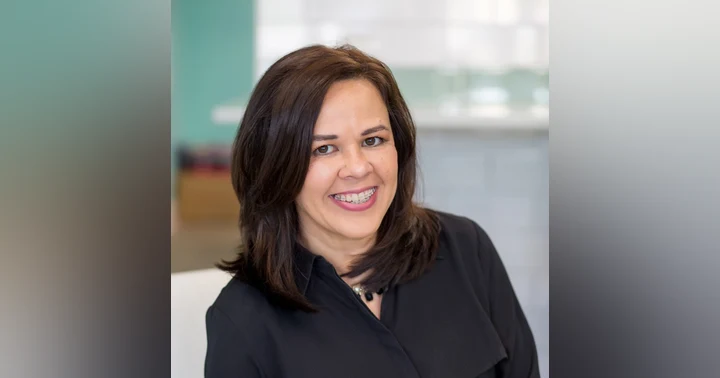
Susan Hanson: The Hanson Group
In this episode of Real Estate Excellence, you’ll discover the incredible career progression of Susan Hanson, from having been born in a Vietnamese middle-class family to becoming a successful real estate agent in North Dakota! Susan...

 Apple Podcasts
 Spotify
 Overcast
 Castro
 PocketCasts
 RSS Feed
 In this episode of Real Estate Excellence, you’ll discover the incredible career progression of Susan Hanson, from having been born in a Vietnamese middle-class family to becoming a successful real estate agent in North Dakota!
Susan explains her experiences in travel, mortgage, and insurance and how she turned that knowledge into success in the real estate industry. She also shares how she made it through tough the 2008 market crash and the mindset he adopted to succeed through it, keeping 7 of her 8 investment properties after nearly having lost all of them.
Join Tracy and Susan in this insightful conversation to learn valuable tips on what to look for when buying an investment property, managing maintenance, vetting tenants, and selecting the right tenants for your property.
Tune in now and learn how to succeed in the real estate industry from one of the best!
[00:00 - 07:40] From Vietnam to Real Estate: Susan Hanson's Incredible Career
• Susan Hanson is the leader of the newly formed Hanson Group.
• She spent over a decade in travel, mortgage, and insurance before becoming a real estate agent.
• She was born in Vietnam and moved to Minot, North Dakota, when she was 2.5 years old.
• Susan’s knowledge of mortgages and other real-estate adjacent businesses gave her an edge as she became a real estate agent, but she never stopped pursuing her education.
[07:40 - 14:15] Taking Advantage of Real Estate Investment Opportunities
• Susan worked as a mortgage banker for a brief stint.
• Susan had 8 homes before the 2008 market crash and managed to save seven of them.
• Her wits, resilience, and mindset carried her through that difficult and scary period.
• Real estate is not for the faint of heart but is a great investment.
[14:15 - 21:00] Tips for Finding the Right Tenant and Avoiding Deferred Maintenance
• Long-term investments are more beneficial than quick flips.
• Gather good maintenance people to maintain your properties and build relationships with them.
• Vet tenants carefully. Look for people who are proud and take care of themselves.
• Credit is not the most important factor when vetting tenants.
[21:00 - 27:52] Evolving From Mortgage Broker to Real Estate Agent
• Upswing in rental investment property can be beneficial if done in the right areas with the right people.
• Susan worked as a mortgage broker and a life insurance seller and advisor before becoming a real estate agent.
• She joined a small brokerage through a friend and started learning the business, as she was later approached by Eagles World Realty.
• Although her experience in mortgages gave her an edge, she still dedicated a lot of time to learning.
[27:52 - 35:17] The Importance of Mentors, Training, and Dedication in Real Estate
• Eagles world encouraged Susan to level up and create a team.
• Agents need to understand that they need to put in the hours to be successful.
• New agents should get a mentor or coach for their first several deals.
• Agents should constantly work on their education.
[35:17 - 42:16] The Benefits of Interacting on Social Media with Your Sphere
• Susan's niche in marketing is using her personal social media to celebrate wins and post things personally.
• Facebook is her primary social media platform.
• Interacting with your sphere on social media is important to stay top of mind.
• Commenting on posts, giving compliments, and encouraging conversation are key ways to use social media.
[42:16 - 48:51] Real Estate Agents Working Together for a Successful Transaction
• Every mistake is an opportunity and a reward; the market crash was an opportunity to gain knowledge and respect investments
• Susan talks about the biggest mistakes agent makes:
• Not dedicating enough time to education.
• Seeing other agents as competitors rather than collaborators.
[48:51 - 55:40] Tenacity and Honesty: The Keys to Success in Real Estate
• Tenacity, honesty, and integrity are the most important traits for an agent, according to Susan.
• This means being honest with clients, having a solid work ethic, and a strong mindset.
• When dealing with repair requests, it is important to take time to regroup and respond tactfully.
• When going through an inspection report, it is important to go line by line and address any concerns.
• Understand the buyer's needs and wants, but don't let them overlook any major problems.
[55:41 - 01:02:18] Developing a Process to Close Deals Effectively
• Prioritize concerns and understand the value of the deal.
• Relationships with customers and vendors are key.
• Have confidants on speed dial to answer questions.
• Processes are important for a successful team.
• Focus on safety and necessary repairs.
[01:02:18 - 08:42] Why Who You Know is More Important Than What You Know
• It is important to be around successful people as success will rub off on you
• Who you know is more important than what you know because people that you know will help you arrive at the answers when there are things that you don’t know.
• Networking is a huge part of succeeding in the real estate business.
• Working on your knowledge is another important part, and you can do so through sources like the Real Estate Excellence podcast.
Quotes:
"Investing in real estate is not for the faint of heart, but there is a lot of opportunity out there, and I truly believe that estate is one of the best investments you can possibly make." -Susan Hanson
"Patience pays off when you want to vet your tenants. You need to look for people who are confident and who know how to take care of themselves.” -Susan Hanson
"Real estate is a very difficult industry to be in. My biggest advice would be to really dig into how much you are willing to put of yourself into your business because we are all self-employed." -Susan Hanson
"If you work hard for the people around you and give everything to them, even without expecting a return, that will come back to you tenfold, in one way or the other.” -Susan Hanson
"Rising tide lifts all boats: that’s the attitude that every successful agent that I know has.” -Susan Hanson
Learn more about Susan Hanson’s business and make contact with her by visiting and following her social media and business website:
https://www.facebook.com/SusanHansonRealtor/
https://www.linkedin.com/in/susan-hanson/
https://www.eaglesworldrealty.com/agents/1194444/Susan+Hanson
If you want to build your business and become more discoverable online, Streamlined Media has you covered. Check out how they can help you build an evergreen revenue generator all
powered by content creation!
SUBSCRIBE & LEAVE A 5-STAR REVIEW as we discuss real estate excellence with the best of the best.
Are you ready to take your real estate game to the next level? Look no further than Real Estate Excellence - the ultimate podcast for real estate professionals. From top agents and loan officers, to expert home inspectors and more, we bring you the best of the best in the industry. Tune in and gain valuable insights, tips, and tricks from industry leaders as they share their own trials and triumphs. Whether you're a seasoned pro or just starting out, a homebuyer or seller, or simply interested in the real estate industry, Real Estate Excellence has something for you. Join us and discover how to become a true expert in the field.
The content in these videos and posts are for informational and educational purposes only. The information contained in the posted content represents the views and opinions of the original creators and does not necessarily represent the views or opinions of Townebank Mortgage NMLS: #512138.
Tracy Hayes 1:02
today, I have the leader of the newly formed Hanson group. After spending over a decade in travel, then mortgage and insurance, she finally made the move over to become a real estate agent 2019 we will dig deep into her career progression and see what she took from her previous life to real estate and has made her a success in such a short time. So let's welcome Susan Hansen with eagles world Realty to the show. Thank you, Tracy, thank you for having me. Thank you. I am so glad recommended that I look into you, because you go, you actually in in my technology looking at, I can look up real estate agents numbers as well as loan officers numbers. You You have a, I guess, more of your birth name, yes, you want to explain that to us?
Susan Hanson 1:45
Yes. Well, I was born in Vietnam, and my Vietnamese name is Lon, which is spelled L O, A N. So part of my career as a mortgage broker, it was a, it was a great promotional.
Tracy Hayes 1:59
I thought about that. I thought that same thought too. I was like, she used to do mortgages, and her first name was
Susan Hanson 2:04
loan, yeah, loan said, loan.
Tracy Hayes 2:07
Oh, that's great. She just, just chose Susan, because it was just a little more from Americanized way of
Susan Hanson 2:15
actually, my father used to call me Susie Q and so I just that stuck and coming to America and having to get used to the culture and everything, it was just easier to have an American name.
Tracy Hayes 2:27
Cool, cool. All right. Well, you, you just, you kind of let the cat out of the bag, so to speak. You were born in Vietnam. When did you come with the states?
Susan Hanson 2:35
We actually left Vietnam the fall of Saigon. My dad was in the Army Corps of Engineers there, and he was able to get us on a helicopter and get us out that day, and we moved to Minot, North Dakota. Interesting. So my mom, my poor mom, from Vietnam, tropical, hot rainforest to frozen tundra.
Tracy Hayes 2:58
Yeah, is that where your dad was from.
Susan Hanson 3:01
My dad was from Saskatchewan. Originally. His family was from Saskatchewan. They migrated to Minot, North Dakota.
Tracy Hayes 3:07
Interesting, interesting. And that day, I mean, I'm my previous life, I was an education major and social studies. With Social Studies, there's a lot in history, and I always remember spending a good bit of time, actually, in high school, I had a teacher who was dedicated studying the Vietnam War, that time period, like you're talking about, when the fall of Saigon is coming and they're pulling out and they're the ships are offshore, and they're literally dumping helicopters and planes into the water so they could take on more people to make room. It was, you know, I imagine, a very interesting time, if you could say, for lack of better words, for your for for your parents, coming out because you were born in Vietnam, yes. Okay, so how old are you at that time?
Susan Hanson 3:49
I was about two and a Okay, so is it just a baby, but, but I didn't realize. I didn't realize everything that my parents went through until much later in life, right? Yeah, right, yeah.
Tracy Hayes 3:59
So you grow up in the Dakota. How long you stay there?
Susan Hanson 4:04
I was about 11 years old when my mother decided that enough was enough, and she said, we're moving to Florida, and you don't have any say about it. So my dad brought us to Florida, and we settled in Ocala, actually, in 1983
Tracy Hayes 4:18
All right, now I did not see on your resume any college or anything listed. Did you go to any formal schooling after high school? Or would you
Susan Hanson 4:26
I did? I dabbled it a little bit in college. I went to FCC J for a little while, but I was not a great student. I guess I decided early on that, you know, I really wanted a career, so I went to a vocational school for travel at the time, travel was, you know, still heavy on the travel agents. Internet's not involved. Internet's not involved yet. So I went to a travel school here in Jacksonville, and graduated from that and went straight to work for a worldwide company, go, go worldwide vacations, which is a wholesale company, yeah. And. So I sold the travel agents.
Tracy Hayes 5:01
I am very familiar in it again, another previous life. I was, you know, did my year teaching my mom was a travel agent when I was growing up. She had a small travel agency. And so I know of Go, go from that, and then even when I did a little brief stint as working part time to supplement my income as a travel agent with Dillards at the time. Okay, yeah, go go was still there. And, yeah, you could go on, for those of you don't know that these GO, GO type companies that would put the packages together, and the travel agents could basically plug into those packages and sell those packages to the traveler, yeah. So you're, you were there for a good bit of time, 12 and a half years, what kind of, you know, corporate training they're due? Because I imagine a lot of your stuff is done over the phone, right? Everything was over the travel agents calling you, asking questions, how to deal with them. And then, of course, obviously you trying to encourage them, to encourage their buyer,
Susan Hanson 5:55
to buy packaging deals and things like that, yeah.
Tracy Hayes 5:59
What? What kind of training did they put you through? They have a corporate training program.
Susan Hanson 6:04
Yeah, they did. They would bring us up to New Jersey every once in a while and do some corporate training. But really it was just hands on. Mostly I started off doing the paperwork and just kind of learning the systems we worked on, American Airline systems called saber, and you go through and you learning all the little shorthand code to book airline, flights and hotels and things
Tracy Hayes 6:26
like that. I don't think people, if you've never been in the travel agency, I mean, when do you think they have probably got rid of those codes to where it was just click, click. Because I imagine today, if anyone's a travel agency, it's more like, more like they're online, but going in and saying, Yeah, I don't want to travel from here to there, and you're putting in the code and the slashes and the dashes and this and the periods, it was crazy.
Susan Hanson 6:49
Yeah, I think that some travel agents still use those codes. And for me, I had a very good mentor on travel who used to teach me a lot of tricks. So going through and doing, you know, segments, point by point and segments, things like that. So I used to be able to package some really good deals just, you know, searching out, if you remember, you know, the class of seat and all of that stuff pricing. We could go into a whole Well, I
Tracy Hayes 7:19
luckily, I luckily had a we'll get into mentoring in real estate, but I luckily had, you know, the mentor I had, which my mom had been in real estate, so I understood how it worked, but now as I was actually doing it, so I was lucky. I had someone who was just knew it like the back of her hand. And if I was working on Sunday, I'm the only one on coverage, and I could call them, and they could generally tell me exactly what to do, not log in and see my screen like they would do today. Actually go, oh, just do this, this and that, and it'll print off on the printer. Yeah, okay, all right, yeah, because it was interesting. But did you, I mean, did working with Go, go, did you were able to take advantage of some of the travel incentives? Because, oh yeah, you know, back during that time, they were a little more back in the
Susan Hanson 8:03
days, yeah, when used to get complimentary airline tickets and complimentary stays at different resorts, just to familiarize yourself with the properties and things like that. So we, we took advantage of that quite
Tracy Hayes 8:13
a bit. Yeah, that was, that was the real great benefit, being in being in travel and so forth. I brief time I was a St Lucia chamber commerce had a thing. It was, I don't, wasn't even a couple 100 bucks. They flew us down there. We spent four or five days touring all the hotels, eating on them and stuff,
Susan Hanson 8:33
wine and dine you. Yeah, all the way. Yeah. It was a great part of travel.
Tracy Hayes 8:37
Since we're on that subject, what was probably one of the most interesting places you went. Oh, goodness. Well, one that you would like to go back
Susan Hanson 8:45
to, what I'd like to go back to, would be Costa Rica. I went back in. I went to Costa Rica back in the 90s, and that was before it really developed, and a lot of things have changed there. So I really love to go back and, you know, see it before it really gets
Tracy Hayes 8:59
Costa Rica has become a real popular destination. Yeah. I mean, I I would definitely go there before I would go to Mexico right now, yeah, in my opinion, I think it's definitely come, know, a lot of friends and so forth, and, you know, just the different adventures, and we've gotten into diving and so forth. So I definitely would love to do that. Yeah. So you all right, so you're there for about 12 and a half years, but then you do a little brief stint as a mortgage banker. How did that come about?
Susan Hanson 9:25
So a friend of mine was a realtor, and she, you know, kind of smacked me in the back of the head and said, hey, you know, you need to go out and you need to buy something. You know, it's time. It's time. So, you know, I found myself a little condo, and, you know, worked with a mortgage broker, and I really liked the process. It was kind of the first little real estate buck that I, that I got. So the broker that I was working with, you know, she was wanting to bring someone else on, wanting to train somebody, and we just kind of hit it off. And so she was like, you know, what do you think about doing mortgages? And I said, you know, I I'm ready for a change. I think I'm. And try. So I dove into that pretty much head. First, of course, I came in late, and then 2006 so 2006 2007 I'm going. Going, going. I even actually had my own brokerage by that time, and the crash happened, yes, and that was that was very scary for me. It was something that, you know, during that time we were doing a lot of investments too. I had a lot of properties. Had eight, actually, so you had eight investment properties of your own at this time, yeah. So I started, you know, with my first condo, and then I just kind of started growing from there. And bought about eight properties, and then the market crashed. And when the market crashed, my whole world crashed, you know, my job went away. Everything in my pipeline. So I had a brokerage. I had about eight agents underneath me, brokers, loan officers, they all disappeared, and all of my pipeline disappeared. And so I kind of went into a tailspin, actually, and didn't know what to do, like a lot of people at the time, having that many properties, losing that much equity, losing all my income. It was a really tough time in my life. So a couple months into that, I, you know, my life partner, Devin he, you know, kind of pushed me to get up and, you know, face world again, because it took me a little while, yeah, but we, we basically, kind of just systematically worked through everything that we had. I was introduced to mortgage modification at that time, short sales, foreclosures, things like that, you know, we went to a bankruptcy attorney and talked to them. They said, you know, yeah, you can go bankruptcy, but you have to give up all your assets. And we were just not willing to do that. So we fought. We fought for several years. I think the last deal, the last casualty in that situation, was in 2013 so we modified, we settled, we did all kinds of things with the banks, and we were able to save seven of the homes. I did lose one to foreclosure. Wells Fargo was a, was a really tough cookie. They didn't want to work with me, so I lost one, but one out of eight, I feel like, you know, I won, and to this day, we still have six of those properties.
Tracy Hayes 12:00
Oh, great, great, yeah, yeah. That's an experience in itself. And in, you know, in talking about real estate in now you're, you are an agent, and you're talking to people who, I think, right now, if you want to buy, and if you're in a position to buy investment property, I think here in Northeast Florida, in my opinion, this is the time, and we have such a demand for good rental property. I mean, we demand for housing in general, but there are some people who are not in a position to buy. And if you're able to purchase an investment property, you should have a renter in there pretty quickly, absolutely at top dollar, right, and continuing to go up, because we're getting calls from the renters trying to get out of that situation so they could lock into, you know, a 30 year mortgage or something, because they're because their rents are going up again. It's just a supply and demand. How do you when you you know, now you you had that experience early now, when you're working with those customers, you know, knowing what you've gone through, you've had multiple investment properties for 15 years or so. I mean, does that give you the comments other agents, you know, pick your brain as well. I mean, so, you know, do you because I think a lot of agents, I'm asking this question, because a lot of agents, when someone says they want investment property, they kind of get a little
Susan Hanson 13:12
nervous, not sure what to do. Yeah, yeah. Well, I mean, you know, I don't sugarcoat anything. Investing in real estate is not for the faint of heart, but there is a lot of opportunity out there, and I truly believe in real estate is one of your best investments. You know, I've gone through working with financial advisors and looking at stock market things like that. I'm not a big fan of the stock stock market, but I do love real estate, you know, again, having going through the crash and having so many assets that were in trouble at the time, you know, coming fast forwarding. You know, 17 years later, we still have some of those assets, and they have been performing for us all this time. So I could have lost everything. In fact, I lost a lot of equity. However, I had these tangible assets that I were I was able to help people, put people into my homes and maintain the payments and maintain my my assets with still having income coming in right there.
Tracy Hayes 14:05
So they're, you're, they're paying the mortgage all this time. And now what those homes are valued. And now we had a, obviously some exaggerated pricing in 2006 but if you've had a home even since 2006 and overpaid it, you went negative, you know, probably well into the teens. But here recently, you're now, based on what you paid for it, have equity. But all that time, someone's been for 12, 1314, years now, someone's been paying
Susan Hanson 14:33
that mortgage. Somebody's been paying that mortgage. Yeah, so even if we were breaking even, I mean, we did go through some rough spells, obviously, you know, the oh eight all the way to 2010 but, you know, we felt like if, even if, we were breaking even on our mortgage payments and our maintenance payments, you know, we were winning because our mortgages get were getting paid down, and our equity was going back up. I think it took about 10 years to get back to where we were from, the crash, from, you know, absolute crash, to having build. Equity again, right?
Tracy Hayes 15:01
Do you feel, I think people are too short sighted on investment properties? Now, there's certain situations where it's like, hey and get a really good deal. I can go in there and renovate it and and flip it for quick cash. But if you're in in for the long game, you know, even right now, with the interest rates up, maybe you are paying a little bit higher, but I don't see housing because such a demand. Housing is not just going to, you know, collapse like it did in 2008 the demand's still too high, especially here, where we're at they but they don't. Not many see the longevity of it. And if you look back into those late you know, 2008 to 2010 What was your mindset? I mean, were you thinking long haul? Were you already thinking about today? Yes, and no.
Susan Hanson 15:49
I guess in the beginning it was, you know, we were thinking about mainly fixing and flipping. We had a couple properties that we did fix. We didn't get to the flip part, but we ended up holding the those properties for the long term, and today, I'm glad that we did. But you know, that's that's the one thing. And I tell my investors, you know, you really have to consider, like, your risk tolerance, and then also, what is the worst case scenario? So if you're buying a home to flip, you know, if you can't sell it, what can you do? And what you know you can rent it, and what can you rent it for? And is that going to cover your costs and even make you some positive cash flow? I think it's prudent to be careful. But I also think that the opportunities out there, and if you don't grab it, 10 years down the road, you're going to be looking at it and wondering why you didn't grab it.
Tracy Hayes 16:36
So for those listening out there, those who may be listening in the future. You know, advertise yourself a little bit, explain, explain your experience. Because, like I said, I mentioned earlier, a lot of agents, someone says they want to buy an investment property. They don't own an investment property themselves. They haven't really sold investment properties before. They're not sure how to do it, but where a client needs to look for someone like you, who not only has your own properties, you've been doing it for a while, and actually knows has a little nose to what's out there and what to actually look for to make a good investment property. Maybe I'm what's your expertise? Tell me how your experience is is a benefit for clients out there, explain to them why your experience makes you valuable, especially for an investment property buyer.
Susan Hanson 17:27
Well, I think because I have gone through so much, I mean, I have from the bottom to the top, to the bottom to the top. So I've been through it all. I've been through, you know, the insurance portions of it, the financial aspect of it, the gains, the losses, the mechanics of it all. I really have a well rounded view of real estate investment
Tracy Hayes 17:49
now, do you? So here's the we were talking about. You know, don't ask me what the interest rate is, or those those questions, right? Because there really no one else knows to ask. But generally, the first thing someone wants to do. Or the first thing their friends and family who don't own investment properties are saying, Oh, well, you're gonna get a call in the middle of night to go fix the toilet and all this other stuff, you know, the you know, which is part of owning any investment. So whether you have a management company or you selected to do it yourself. I mean, that's just owning an investment, right? That's, that's part of the cost, the fees you pay, so to speak, versus just putting in, say, in a 401, K, you're there's fees being taken off there. You don't even know they're going you were either who's getting them, or for what, at least an investment property, you know when to fix the toilet or replace the hot water heater or those types of things. So in your, in your experience, and you know, with, you know, six properties, as many as eight at one time. You know what has been your experience over the last you know 15 years in working with that many properties?
Susan Hanson 18:49
Well, I can tell you that in 17 years, I've been called in the middle of the night one time, and it was because a female tenant of ours who lived alone, there was a break. She called us in the middle of the night. We drove down there. The police came. We had to secure her door and set her up, you know, for the evening, but that's the only time I've been called in the middle of the night for things. Now, what I've learned throughout the years is you gather your people, right? So you have your good maintenance people, you have your AC people, your electricians, your plumbers, all of those things and those relationships are very important, not only in the real estate world, but as an investor that you know, you can call some, call somebody in there, they're there for you. We don't use a management company. And my partner manages all of our homes so, and he's pretty handy himself, so usually everything gets taken care of by him. But in the big picture, I mean the maintenance part of the house houses is really not that bad. You know, as long as you are on top of things, and you keep up your, you know, you don't let a lot of deferred maintenance happen.
Tracy Hayes 19:51
Well, that's a good point, the deferred maintenance. But even, would you say, based on your experience and those you've probably have had many different rent. In those units over the years, that if you're properly select the right renter, do the proper due diligence on them, a lot of the renters will just take care of some of the lot of the minor issues themselves.
Susan Hanson 20:13
Absolutely, absolutely, 100% it's very important that you you are able to select your your tenants properly. I mean, there are some cases where, you know, you might be a little bit desperate to get somebody in there, but really the Patience pays off. And you know, you really want to vet your people.
Tracy Hayes 20:31
Can you give us a tip or two on on some of the things that when you're vetting that you're looking for or found that, you know, the characteristics of this person similar to others, is successful, sure.
Susan Hanson 20:45
First, first off, you want to, I mean, appearance is everything, right? So you're looking at your the vehicles. Are they clean? You know, they take care of their own take care of their own things. I mean, really, if it's, it's pride in themselves. You want to see the pride in themselves first. We really are not credit heavy as far as renters, and that is something that I know you work with a lot in your business. You know where you have people that are challenged with credit it doesn't mean that they're bad people. It just means that something happened along the way that has stopped them from from moving forward. And so you know that credit worthiness is is important. However, sometimes it's just especially with renters, a lot of times they're renting because their credit isn't up to par, and they would want to buy, but they can't. So we don't really work look at credit. We will look at the credit report, but we allow them to explain the circumstances and then overall big picture, right? And we look at references and previous landlord referrals,
Tracy Hayes 21:44
yeah, yeah. I think it definitely makes life easier. It's not 100% but occasionally, things happen. But that's why the upswing in rental investment property can be so good, too. You just lessen your, lessen your blow by investing your investing your investment
Susan Hanson 22:01
in the right people, yeah. And sometimes, I mean, in my business too, you know, my I'm prepping my renters to buy exactly.
Tracy Hayes 22:08
I mean, how many of, how many have, over the years, have you been able to turn, obviously, some of them to to customers? Yes, and they probably become lifelong customers at that, if they obviously went to that. I think that's something that agents have brought up more recently. I know my wife, she she's done it very successfully to not shy away from taking on some of those rental clients, because you're just planting a future seed. Absolutely, you know for that, and if you're not taking rentals because, oh, I don't get I want to get paid whatever. Okay, well, maybe it pays for your gas that month, but you also now have a customer that has worked with you and hopefully appreciated you.
Susan Hanson 22:45
Yeah, and listen, I have been in that situation myself, you know, going through the crash, my credit went in the tank for years. And you know, thank God I had my home to live in, and I wasn't looking for a rental. But, you know, good people have problems, and stuff happens. Stuff happens.
Tracy Hayes 23:01
So, all right, so you go for mortgage broker. You did spend some time in insurance there. But what leads you, what ends up leading you to make the jump into the real estate agent sector? Of all the all these are, all these are support mechanisms of the business, right? You weren't a home inspector, though
Susan Hanson 23:26
I probably could, exactly No. So, okay, so just real quick, crash happened. I'm on the floor trying to pick myself up. I have a really good friend who owned a St John's insurance in Punta, vra. He, you know, reached out and gave me an olive branch and said, hey, you know, come, come work with me. I know you you need some help. You need, you know, consistent income, right? So I started working with him, and, you know, climbed my way up that little ladder too. We got my customer service license, and then my 220 insurance license for property and casualty. And he was a wonderful mentor to me. Still is today, but he helped me pull myself up, I guess. And I did that for several years. Was a Top Producing agent for him, and then I was recruited into life insurance sales. That was a mistake.
Tracy Hayes 24:13
We've all done that. Yeah. Not all did life insurance, but we've all made mistakes.
Susan Hanson 24:19
Now I believe in life insurance. I think everybody should have some sort of life insurance. There's all kinds of ways to utilize life insurance. I'm just going to say that right there, but I did not enjoy that job. Similar to real estate, you're prospecting a lot, but a lot of people don't want you to sell them life insurance. So that that didn't work out so well for me. But I was recruited by a financial advisor in Ponte Vedra, and he asked me if I would come in, look at his ours and build an insurance division within his, his advisory firm. And I did that, and we were successful for a few years, and he decided that he wanted to retire. And when he decided that he wanted to retire, you know, I had to really kind of think about what I was doing. And. It, and was I really happy in what I was doing, and did I want to still follow this path of, you know, life insurance, financial advising, you know, all of this time, I've continuously been in real estate in some facet or another, and I just decided, You know what, I'm going to go back into real estate. It's what I really love. I thought about going back to the loan officer realm, but you guys a lot of stress.
Tracy Hayes 25:24
So, you know, I real estate agent is not stressed
Susan Hanson 25:28
less, but I'll tell you, you know, you're good loan officers out there. They are working hard, and they are, you know, on on the wire for a lot of a lot of things being shot at them in every direction. But so, you know, I hadn't done the real estate agent sales, so I said, You know what? I'm just gonna get my real estate license and see how it goes.
Tracy Hayes 25:49
All right, so you, you're, you're, you work for a small brokerage at first, and this is a common I probably every single person I've had on. One of my biggest curiosities is what makes your choice to go there. And I asked the question premise, the question, everyone listens to my episodes, because I feel if there's a new agent out there listening, or someone who wants to become a real estate agent, or maybe an agent who's at a brokerage that isn't really adding value to them, that the next brokerage, they do a little more due diligence on, you know, who they're actually partnering up with. So you, you end up spending a few years there, obviously. But was that a selection where you actually studied, or you just, you know, you knew a friend, or, you know, because, obviously, being in insurance and previous in the mortgage, you were meeting real estate agents all the time. So what led you to your first brokerage. It was
Susan Hanson 26:42
a friend situation. She was doing really well, and I was following her on Facebook. And of course, we had met through the insurance world. She had a similar background to me a mortgage broker, so I knew her through the insurance and casualty insurance realm. And so, you know, I saw that she was doing really well, and it kind of inspired me. And it was kind of a knee jerk reaction to just, hey, you know, I'm gonna get my license, you know, let's meet up and talk. And we did. And to be honest, you know, I, in my mind, I wasn't thinking about interviewing all of these different companies. I just wanted to kind of hit the ground running, and I wanted to be kind of more of a free agent. I guess I didn't really understand the dynamics of brokerages and, you know, the types of training and the support that they offered. And I wasn't really sure what kind of support I needed as well. Yeah, because I had a lot of I have a lot of background that that helps me, you know, to where I'm not really reliant on a broker so much, right? So I reached out to her. We, we connected, and I joined her brokerage, and then I just kind of, you know, put my blinders on and put the feet to the pavement, and went a couple years with that. And, you know, you, you evolve, right? So things just happened. And we, we kind of evolved out of that. And I was approached by Eagles world Realty, which Ennis you've had Ennis on here? Yeah, she's wonderful broker, managing broker for Eagles world. And they just, you know, they offered us a little bit more.
Tracy Hayes 28:09
They wanted to just move just a little bit. I think it's this way come towards me, a little bit. Just there we go. Good, perfect. Now your center,
Susan Hanson 28:17
they, they encouraged me to create a team, and that's something I hadn't thought about, you know, I for the first three years of my career, I was running around crazy chicken with my head cut off, you know, trying to meet everybody all the time. Funny, I put almost 35,000 miles on my car, and, you know, and it was really tough. But Eagles world kind of encouraged me to do more, and that's what I really liked about them. They have, you know, a pretty robust training system. They're managing brokers. Are there all the time, and they encourage me to kind of level up.
Tracy Hayes 28:48
Yeah, yeah. Well, you said a few things there that are so that resonate with, I think, with every agent. It's out there, and if it's not, it's 99.9 of them not knowing what you needed. You know, when you first started, obviously, you had a lot of, you know, a decade roughly, of experience between mortgages and the insurance, of dealing with homeowners and understanding, understanding the real estate industry. You know, to some extent. And then obviously, you know your previous decade before that, with Go, go, and just understanding, you know, talking with people on the phone, you know, I think that's a trait I tell, I tell agents all the time, you know, because I put 12 plus years in the call center in my 17 and a half years, I know that if you're standing that you're in a house with a client In front of you, and they don't have financing, and you're trying, they're wanting to make an offer. You don't want to let them walk out the door and start thinking about it. You want to, you know, it's time to be a salesperson now you got to close, right? So take that phone, put them on with me. I will. I've took you, taking it live when I that was one of my strengths, when I was working as the builders lender with a large builder the size. Agents loved it, because they, obviously, they're trying to close with people right there in the office with them. And they would call and say, Hey, can you speak to so and so and and then how to, you know, articulate that? Because obviously they asked the general questions of, you know, you know, hey, what's the interest rate, what's the payment thinking that's, yeah, that's important. Those things are important. But ask those other questions, as you know, as a mortgage, we need to know a little bit more around that thing to make sure it's going to fit, you know, what are your other debts? You know, right? Yeah, you may think you want to make that payment, but you have to have that, that $800 car payment that you know, might affect you from being approved to make that payment right, and just being able to work on the fly, so to speak. And obviously, you coming into the industry, you you had more experience in the industry, from the insurance and mortgage part, where some of our whether was just doing some reels on Heather Perez, she came just out of college, so she's never even known to home at the time. You have other, you know, agents who are out there that were stay at home moms, you know. So they may be, you know, worth their spouse and bought a house, but they don't know anything about our industry. You came in with a little bit of knowledge, which obviously, obviously, think you attribute to your success today, and you're from the standpoint of confidence. Because when you go to those classes now, you're like, Yeah, I know that. I know that, putting it away, but, but the for, the for the standard tip someone coming into the industry knowing what you know and the time that you spend in mortgage and insurance and now in the real estate business, how, what are some of the things that they need to dig into themselves to learn you know, like you said, you didn't know what you needed to know, but now you hopefully do or somewhat what you need to know. What are some of the things they need to dig in themselves? And then what do they need to be asking that broker when they're interviewing the broker, see if it's a broker match?
Susan Hanson 31:48
Well, I think for new agents that first of all, it's a tough it's a tough world out there. So I mean, agents that have no experience in the industry at all. I mean, don't beat yourself up, because there's so much to learn, and there's so every deal is a different deal, and every day there's different challenges. You know, you have to be up for those things. And I think inner asking is, you know, am I ready to put what I need to put into this business to make it work? You know, there's a lot of people that are getting real estate license, and they're not really sure about how the industry works. And you know, it's, you have this complex like, it's, you know, Yo, you open doors and you close a deal, and you know, everybody else does the work for you. But it's not, it's a very difficult industry to be in. And I guess my, my biggest advice would be to really dig into how much you're willing to put of yourself into your business, because we are all self employed. You know, the other day I was thinking about, you know, people that are w2 employed, they go to, you know, 10, eight to five every day. You know, eight o'clock to 5pm every day. And I see a lot of new realtors that are coming in, and they, you know, it's, you're self employed, and you don't have boundaries that you know you would have to adhere to, and that's true, but if you're not putting in the hours, you're not going to get out of it. What? What you really need to get out of it to be successful? Nine to five job, you know, you work about 40 hours a week. I would say I probably work 70 to 80 hours a week, if not more, in because
Tracy Hayes 33:19
we we live what we do? You are, you're constantly thinking, you know, how am I better going to position that house? The market's changing. What am I do? I have that house priced right? You're, you're constantly, you know, searching if you got buyers, you know, in what their timeline is, and stressing that they don't just walk into a new construction home and buy it, then tell you later,
Susan Hanson 33:42
and all of those things you have to figure out as a new agent too, you don't know those things coming into the business. So I mean, I would suggest definitely get yourself a good mentor or a coach for your first several deals until you feel comfortable going out on your own. I think it's very important to do that and also find a brokerage that's willing to train and learn, read, read, read and learn, do, constantly, constantly, constantly, you know, take the all of the classes that are in MLS that they are ne far gives to us. It's important, even with the background that I have. I mean, the first year, I was constantly attending courses at ne far. I was constantly doing courses online. I paid for additional courses and I listened to podcasts, right?
Tracy Hayes 34:31
Hey, folks, this episode was produced by streamline media, the number one media company for helping brands generate content that converts I knew I wanted to start a podcast to reach more people and bring value to the world, but I did not have the time or the knowledge. Streamlined. Media became my secret weapon to building my show. They handle all my back end work, production and strategies to keep my show going strong. If you're in the real estate business and looking to make content that generates more leads and brings in more. Revenue. Check out the streamline media link in the show notes and discover how partnering up can supercharge your path to real estate excellence. You mentioned mentor, so it was interesting. You know, as I go through these videos later, and I'm even going back to stuff I did a year ago, and I'm cutting reels out, you know, of the agents and so forth. And one of them was talking about mentor and how important it is well, so I go across reference. It's like, what do I title this video? Because now you know you want it to be, you know, get the clicks on social media. And so I started searching on YouTube, and, you know, putting mentor, one of the most popular titles is, how do you find a mentor? That's your question.
Susan Hanson 35:49
I've been very fortunate in my life to have several mentors that have just come into my life, and I attach myself to them, right? So if I feel that they are giving me value, then I am. I'm all about that. So I haven't actively, you know, gone out myself and just seeked out somebody in particular to mentor me. But I have several mentors within my realm of of my sphere, you know,
Tracy Hayes 36:16
are they all other real estate agents or just other business people?
Susan Hanson 36:19
Business people, you know, my financial advisor, a you know, the my insurance buddy, and just people in my life that I have come across. I mean, even travel agents that I worked with 30 years ago, I'm still, you know, go to them and talk to them about things that you know relate to us. So as far as a mentor in when you're seeking out a mentor in real estate, I think that you know you really want to focus on where you want to be, what are you looking at for your future, and who aligns with that to you. You know, if you're looking to be an investor heavy realtor, then maybe you're looking for a mentor that is investor heavy. Or if you're looking to be a luxury realtor, you want somebody that's in the luxury realm. Just depends on what you see yourself doing in the next you know, six months, one year, two years, and try to align yourself with somebody that you see that is successful in those things where you want to be.
Tracy Hayes 37:12
So it's not necessarily just the best, best real estate agent in the office. That's not necessarily just because their number one doesn't make make them to be your best mentor. I don't necessarily you want to, you know, or do, yeah, do they have? Are they like minded? You know? Are they too structured for you? Or maybe being structured is what you need and that you want to be like them. So you want to, you know? How did they do it? You know, I think there's so many different ways, but I think whether it's a mentor. And then my next question going to you your years of your prospecting as a mortgage loan officer insurance, you were doing the same thing. You said you were top producer there and grew business, and now you're doing it on your own. What is Susan's niche in the marketing? What is it you like to do? And I asked this because it seems to be a very popular subject. I was, I was listening to Dustin Brome. He's a big exp agent. I'm going to have him on the show here in a few weeks. He was interviewing somebody finding, what is it? What is it that you're really you like to do, and obviously you're good at and now, obviously produces results. Are you constantly evolving that, what, what is your favorite way to market that actually seeing the greatest results?
Susan Hanson 38:25
I'm always working on myself. I mean, that's one of the biggest things. Prospecting is there's so many different ways to prospect, you know, social butterflies, you know, cold callers, you people that are driving for dollars, that kind of thing. For me, I really I I use a lot of my personal social media to kind of celebrate our wins, and really kind of post things personally, not not so much business wise. I, I get a lot of referrals, people that come back to me from years and years and years. Because some of my friends, you know, I've 3030, plus years, and we don't talk very often, but they see my post and they say, Hey, you know I remember Susan, when she was a travel agent. She worked really hard for me, and I know she'll do the same for you as a realtor. So I guess throughout my life, I've always for me is you give to get right. So you work really hard for people, you help people, even if you don't have a return for that. And I think that for me has come back to me tenfold, especially in the from the past, you know, and even now, if I'm prospecting, I'm cold calling, you know, even if the people on the other line, they need help, but they're not necessarily going to come to me for any service. You know, I share my knowledge, and I share things that may or may not, you know, be beneficial to to them. And, you know, I just try to help everybody that I I can help, regardless of the return to me. And I don't worry too much about it, right, right? I think it pays off dividends in the
Tracy Hayes 39:54
future, digging and digging a little bit of the I guess, is Facebook, your primary, your Instagram or. Both, or what are you? Where's your where's your social media.
Susan Hanson 40:02
Facebook is my primary. I am technically challenged. I do have an assistant that helps with, you know, our business posts and our business pages on Facebook, our business pages on Instagram, that kind of thing, just myself. I just post on Facebook and it transfers over to Instagram, and that's about the extent
Tracy Hayes 40:17
of mine, right? Okay, so, but interacting with your sphere of like you said, some of them been on there many years, and I had a agent on. We were talking about that, Oh, who is going to come to me? Because I've had so many on now I gotta, I gotta differentiate. But wasn't that long ago that she, oh, I know who was. I know because I was cutting her reels as well. You know, Sarah Schwartz. There it is. I knew as a Sarah, I couldn't get the Schwartz just wouldn't come out on me. Okay, but she was talking like she back in when she was in high school and lifeguarded at the amusement park that's going away adventure landing, and how one of her summer teammates, or whatever, just said, Hey, yeah, I'm looking to, you know, you know, buy a home or whatever. And she, she was talking about the social media. How important is it to to interact, though, not just if, because if you're not saying anything to them, and there's no real interaction, you're not socializing on social media, they may go away. You know, social Facebook knows who you're talking to, who you're commenting on, who you're liking, and so forth. So it keeps feeding you those people's posts. We all have hundreds of hundreds, if not 1000s of people in our in our like but we don't see everything they post, because they don't post that often enough, and when they did, we didn't, you know, maybe we didn't see it, so we didn't make a remark, right? But how important is to go through and and try to say something significant to stay top of mind in that social media, Facebook sphere,
Susan Hanson 41:44
it's very important, I think, going through your Facebook, you know, I mean, I don't stand stay on your Facebook, you know, eight hours a day, but if you're checking on your Facebook, two, three times a day, scrolling through and, you know, when you see something of interest, you you know, comment on it. No, give somebody a compliment and make their day. You know, those are some of the things that I do. You know, if I haven't seen anybody post in a while, and I see them post, you know, I will definitely comment and and, you know, tell them what I think about them and how you know what they mean to me. I also do some posts myself that, you know, encourage involvement and encourage conversation. I think it's really important.
Tracy Hayes 42:21
Well, I've noticed, well, LinkedIn is, was doing it for, you know, obviously still does it where someone's job anniversary or something, it'll actually preload, you know, congrats, or something, you know, a couple short little phrases in there saying something positive. I've noticed that. And I don't know how long it's been going on, it wasn't always but Facebook is doing something similar, giving you a half a dozen options of, hey, congratulations. That looks great. Or, hey, you know you're beautiful, whatever it might be, yeah. And they're loading that on there to get you to get you to interact yes to because most people are, we're lazy and we're like, we're looking at, oh, well, okay, we say in our mind, Oh, congratulations to them. Well, everyone else is saying it, so I don't need to say but now they pre loaded those things in there so that you're you could do that and add a little, you know, two or three words to it or something. But now you're starting to interact more. And that's what social media, I think Carl sono does with Streamlined podcasts. He said social media is for you to be social, yeah, and you want to interact, which then benefits, like you say when you put post something, you're now in front of them, and you're constantly reminding them that you're in real estate, yeah,
Susan Hanson 43:29
and you're that you're there and you're a friend. And you know, you see a lot of people on social media that struggle, and you know, you let them know that, you know, hey, I'm your friend. I'm here, and, you know, I can, I can help you with things I think is very, very important. And like you said, that almost a instant post. I mean, it takes a couple seconds to say congratulations to someone. And it means a lot to people. Otherwise they wouldn't be posting it, right? You know, yeah,
Tracy Hayes 43:52
100% they're, they're looking for a reaction, whatever it may be. We can get in the psychology of it, but we've been trained. But we, you know, we're happy about it, and we want to share that moment with everyone. You know, whether, whatever it is. I mean, there's psychological, psychological part of that. What's the biggest mistake you think you've made in real estate?
Susan Hanson 44:13
I'm gonna say this, but then I'm gonna say it's not a mistake, because a mistake is an optional reward. Everything happens for a reason in my world, I, you know, for a long time I said the biggest mistake I made was when the market crashed, I didn't push forward and continue going in a sense of buying more real estate, well, in the sense of sticking it out and, you know, trudging through the mud and staying as a mortgage broker, or, you know, changing, changing around that way, or going as a real estate agent, pivoting into some things that I could have pivoted into it during that time, but, but, you know, at the end of the day, I think that if I hadn't taken the path that I took, I would life would be very different right now for I think that I stabilized myself, and I was able to get a lot more knowledge and that to help me now that I'm I am a real. Agent. And then also, you know, personally, those things had to happen for us to understand and to respect our investments.
Tracy Hayes 45:09
Like you said, things happen for a reason. Yeah, I'm a big John Maxwell fan. I mean, he has, he has a path for us. And what's sometimes confusing are the, I guess, are the what I think the angels laugh at us from the standpoint of when there's certain doors put in front of us, which ones we choose, you know, and you know, whatever that you know. Again, what, what is the path? And you know, but different opportunities you were, you had a situation financially and so forth, so you had to make a move. So you chose that, instead of sticking with it, you know, which we were before the show. The average podcast is only four or five episodes. Why? Because people think it's something they want to do. They do it, but then they, you know, they got to have that long term vision into, you know, what do we tell our kids? What were we were told by our parents? Who were, you know, 20 and 30 years before us, all their experience, and we just had to tell them, Oh, they're just all, they don't know what they're talking about, right, right? I was actually go back to that one. So why I was I was mentioning earlier, I was searching for a good title for a the YouTube short on this agent who was talking about mentorship, one of the, one of the actual very popular reels that are, is on there in my niche of, you know, real estate agents talking about and giving out great information and so forth, is what working with other agents that are not as we don't have to mention any names, but if you were the, you know, the God of all real estate agents, what are some of the things that when working with some of the agents, and now With your experience, your investment experience, your insurance experience, mortgage experience, mortgage experience, and you're bringing to the table and you're producing that you you run into occasionally with that agent on the other side of this deal that you're like, I wish they did more something. Bring their game up.
Susan Hanson 46:55
Well, I love working with other agents. I mean that most of my experience with other agents has been great, you know, especially the agents that get it right. We are not against each other. We are a team, yep, you know, we are trying, you know, with our partners, everybody's holding hands, and we're trying to make it to the finish line. So that's, you know, that's really great to me. I love, I love working with
Tracy Hayes 47:18
there's that agents that have that ideology, that mindset, yes, yeah.
Susan Hanson 47:21
And even new agents that don't even know what they're you know, they don't know what they're doing, but they're embracing that. You know, we are here to make it to an end point, and we are all working together, not against each other, right? And that's one of the biggest things. I think working with agents that might be difficult is that some agents have this stigma that you're on one side and I'm on the other side, and you know, we're not friends, and that is, it's counterproductive to our our job. It's counterproductive to giving the buyers and the sellers a great experience. And you know, most of the things that happen to us throughout our you know, transaction process can be solved if everybody kind of puts their heads together new agents, what I really would love to see new agents do is read your contracts, read your contracts and understand your contracts. And there's a lot of education around the contracts. You can go to all around town. I mean, a lot of the brokerages put on classes. It's very important to at least try to understand so you're not misinterpreting some of the things of the contracts, because those are the things where I think most of our problems stem.
Tracy Hayes 48:26
You know, it's interesting you say it was, we have top producers, a lot of them that I've had on the show, numerous of them said you got to take that contract class from multiple different instructors, because all of them have their little area that they like, and they're going to highlight that, or maybe their stories to put with the contract to make, make it relevant. Why that part of the contract is important? So whenever there's a contract class, whether you know it's a formal one at nefar or one of the title companies is putting it on, you know, because they're all lawyers, and they want to, they want to talk contract, to go and sit in on that, and it just resonate. It resonates me through because last night, I was again, cutting some reels yesterday, and the agent was talking about scripts and how important it was. You know, she felt she learned early in a previous career using scripts and how she uses scripts today to, like, live the script, memorize it, do it enough times to where it's just natural, right? And it's, I think it's the same thing with the contract. You got to keep going to those educational classes, especially early, and double down on them, make that contract comfortable for you that you I think someone said one time it was a class that you could actually turn it and face the client and read it upside down, knowing exactly where it was in the contract of what you're talking about, right, right?
Susan Hanson 49:45
It's very important. And I see that a lot, that the newer agents aren't really focused on the contract. And that's, I mean, that's the biggest part of our job is to, you know, the contracts there to protect our buyers and the sellers, and we should, you know, seek to understand them. And if we. Don't understand them, then, you know, look to somebody who, who can help us,
Tracy Hayes 50:03
but we don't. Yeah, they don't have to be perfect, but constantly be bringing your level up on every deal and every opportunity you can absolutely, yeah, yeah. So I'm gonna dig in, because we look at the time and what questions I have left here of what which ones I want to dig into. What do you think are the key traits and qualities necessary to be successful in real
Susan Hanson 50:24
estate, honesty, integrity and tenacity,
Tracy Hayes 50:28
tenacity, I assume the other, the other two are, I think are obvious, honesty and, well, honesty, integrity. You're kind of, I don't know. You're kind of blending two in there. Is there a difference?
Susan Hanson 50:40
There is, I mean, you know, yeah. I mean, I'm, well, you have to integrity, you know, do what you say you're going to do, and be where you say you're going to be, in honesty. You know, I don't like to sugarcoat anything. I don't tell my customers that. You know, something's happening when it's not happening, those kinds of things. You know, if something comes up, if you're upfront and honest and you set expectations, your life will be much better, much easier.
Tracy Hayes 51:07
If someone comes to you and says, I got good news or bad news, I got good news and bad news, what do you what do you? Which one do you want first? What do you say? I want the bad news. Okay, good answer. You say, you said tenacity and I or recently, someone talking about grit, which, to me, I think, is, I'll make those words interchangeable, I think, but when you're in the way you do business, what's to express where your tenacity is? If someone doesn't even, you know, is listening to this, and doesn't know anything about real estate or a possible buyer or seller, and you say tenacity, they may be like, well, tenacity is you're just a real estate agent. Why do you need to have to ask?
Susan Hanson 51:42
Oh, you need to be. I mean, I always say, like, 95% of the time, the real the real estate agent, is the driver of the of the deal, because there are so many things that come up in transactions, and you have to be on the ball as far as solving problems, you know, structuring things, the way that you the way that you structure deals, and the way that you approach challenges. Because every single transaction has challenges. And if you are not a strong willed person, and you, you know, you can be taken advantage of, you can be confused a lot. You just need to, you know, push forward and make sure that you're working to make those solutions happen, and not just give up on, you know, the challenge. When the challenge comes up, you need to face it head on, and you need to push forward to make things happen.
Tracy Hayes 52:33
So I think you would agree that. So if you're a new agent, and you're in those first few deals, and obviously, I think, you know, obviously, some of the biggest challenges you can you can have lending go awry, but there's, you can't really control that part. But obviously, I would imagine most of your challenges come with, you know, I've post home, home inspection and dealing with, you know, repair requests and so forth. If you're a new agent, if I was a new agent, I'll say, if I'm a new agent in my first few deals. How important is to when you get that counter offer from whatever the buyer's agent coming to you and say, Hey, we got these repairs. How are we gonna deal? To not rush, take a few minutes, get with your mentor or a senior agent and say, What's the best way tactfully to handle this? Because I think you're right that, that you can only start creating more animosity when it could be over the stupidest repair possible, right? I'm sure you've experienced like, this is only a few 100 bucks. What do you know? Yeah, it's not gonna cause the house to fall into a hole or something, and to take the time and because nothing happens over let's say something's happened overnight and nothing happens like so fast these things take, whether it's 21 days and it's still plenty of time, or it takes 45 days to close the deal, for whatever's going on with the buyer and seller and when they're going to close to take, whether it's a few minutes or a Couple of hours to regroup and how you're going to respond properly or or make a phone call to that other agent. Can you give us examples? How do you handle some of those situations, which I imagine sometimes something comes across, and your blood starts to boil for a minute, and you you have to settle yourself down to make sure you're going to respond in a effective way. To go back to what you said earlier, that goal is to get to the finish line. Right? It's closing, right?
Susan Hanson 54:24
Yeah. So for an inspection situation, for instance, you know, if you get these inspections and the home inspectors, they will list every little thing, you know, little piece of peeling paint or, you know, the weather stripping is a little bit loose, you can overwhelm your customers by, you know, over dramatizing an inspection report. And typically, what I'll do is, you know, the customers will get the inspection report, I let them marinate on it for, you know, overnight, usually, unless we're in a hurry, and then I will go through it, line by line by line, and I will pick out, you know, what things. Seem important to me. And then, you know, if I have any kind of questions, I go to the inspector first and have them explain everything to me and and a lot of times, the inspectors will tell you, you know, it's not a very expensive fix, or, you know, it sounds worse than it is. And most of the time things sound worse than they are, right? So then I have knowledge going into the conversation that I'm gonna have with my customer. And then I always go through the inspections, line by line and make sure that everything that they are concerned about is addressed. And then we go back and we say, Okay, what's what's really important to us, you know? And, and you have to understand also their their needs and their wants, right? The the buyer has a tolerance level of this house, and they're wanting, they want this house, and, you know, but you don't want them also to overlook something that's very important, just because they are so interested in getting the house that they may overlook some major problem, get in the house later, and then have that problem come up. So you want to definitely gain your knowledge upfront, have the conversations with the customer, and then, you know, basically
Tracy Hayes 56:08
handle it professionally and go after the important things. Yeah, prioritize your concerns, yeah, weather stripping on the bottom door, really, I mean, right, you know, and understanding, I think it's great you know, I had, you know, Kurt Stein with a home scan on a few weeks ago, and we were talking about home inspections. And the top home inspectors that I've, I've spoken to, I mean, they know this situation, like this conversation you're having, they like to have themselves and say, Oh, these are just, you know, we had to mention the weather stripping. But these are dollar, couple dollars over here, right? This is, this is what we need to focus on, right? How, when you're on the buyer side and having the home inspection at what, at what point do you, you know, sometimes you tell your buyer, there's not enough on here to go back after it. This house is in good shape. I would move forward as is, versus some of them who, I think some agents to say they take that home inspection report and then they just list everything and try to get a few 100 more dollars. 100 more dollars out of the out of the buyer, right? It's kind of just wasting a lot of people's time, right?
Susan Hanson 57:07
That Well, again, that's a conversation like, I don't ever make those decisions for my customers. Then, you know, what's important to them is what's important to them, if they want to list it on the inspector the repair request, I will do that for them. I do, however, talk to them about, you know, what is the value? So it depends on how you've structured the deal, right? So if this seller is giving 1000s of dollars in closing cost assistance and 1000s of dollars off the purchase price of the home, you know, you don't want to nickel and dime them on weather stripping. You want to go, you know, because it's a respect thing, right? So, yes, we sat, we found these things wrong with the house, but in, you know, we're getting this out of this deal. And so, you know, we really only want to focus on the main things that are, you know, safety and, you know,
Tracy Hayes 57:52
necessary could be a catastrophic expense, exactly. Yeah, afterwards, that type of thing. Yeah. Touch a little bit. You mentioned earlier that you learned when, you, when your investment properties that you had, you and I, when I asked you getting called in the middle of the night that you had, you had your your your team, so to speak. You, you had some, some support vendors, maintenance guys, whatever that you built a relationship over time. You knew they were reliable. Type of thing. How important is it now, even as a real estate agent, when you're going into a home that may need a couple little things here and there, that you have those guys on those guys or girls on speed dial to whether get advice like, hey, what's it going to cost to replace this hot water heater? Or, you know, could this house get, you know, a tankless or whatever the question might be, but to have those confidants on on your team that you can rely on,
Susan Hanson 58:47
most important in our in our business as realtors, it is relationship driven, right? You've got relationships not only with your customers, but all your vendors, the people that you work with on day to day, day to day basis, and you have those people that you can call. I don't know how many times I've been in a house looking at something, and my customers have a question, and I can call somebody, and I can ask them right away, right there on the spot it it gives you confidence, because you're able to answer the questions that they're they're asking, which you may have no idea, but you know those people, so it looks good when you have those resources like on the spot, that you can just text
Tracy Hayes 59:23
or give them a quick call and get a quick response. Because how many times you're in a house, you got someone who's interested in it, they see some sort of issue. We don't know if it's big or small, what to so you want to call that that person, but you don't, you let them walk out, and the first thing they do is call the person who has no knowledge on the subject 100 their father in law or whatever, and, of course, tells them, oh, you know, the roof is going to cave in Exactly, exactly, right, yeah, and kills the deal, when, really it was a minor, you know, few 100 bucks, no big deal repair or something that consistently happens. You know, here in Florida, we have all these people from up north, those houses. Have different issues in the houses down here, absolutely all the time. Yep, all right, you, you're tell us about you've just formed the Hanson group, right? So what's where? And then, from what I could see on your LinkedIn, was it back in October, November timeframe, you've officially formed the group. So what makes up the group? You have a transaction coordinator and other agents. Where were you at with it today? And then where are you
Susan Hanson 1:00:25
going to take it? So when we, when we joined Eagles world, one of the mentee that I brought with me, a couple of mentees that I brought with me to Eagles world, I really wasn't thinking about starting a team, but Eagles world, the brokers there, encouraged me. And to be honest, I was needing the help, because I was, like I said, chicken with my head cut off. So right now, it's been a transitionary period. Really didn't know anything about setting up a team, didn't know how to structure a team, didn't know how to share the financials of a team, you know. So most of that last year period has kind of taught me a lot of lessons, but also helped us grow together as a team. And right now we're three agents and a part time assistant. One of my agents is pretty new. She's basically transaction coordinating her own deals right now, just because I feel like it's important to learn below that step and you know what's going on back there? Yep. So as we grow, you know, we'll, we'll kind of add on and grow to it. But it was a very an impromptu meeting of the minds to come together and do the team thing. So we've really been focusing on learning and then also prospecting.
Tracy Hayes 1:01:35
I had so Mike rollowitz was on, and I would, I would suggest, if you don't know Mike, he expressed that he actually started a team, sort of failed at it, and then went back and regrouped it. One of the things he mentioned, and I was listening to see if you'd say it, but he felt one of his challenges the the initial time he jumped in a little too early. He's only been in a few years in the business, a few years as well, comes from careers, is processes. Right now, I cannot define those processes. I'm not a real estate agent, but he felt we did not have our processes in place of how the team was going to function. I guess more or less is what he was talking about.
Susan Hanson 1:02:13
Yes, absolutely. So when I first, when we first came over, there was four of us, and then kind of was like, oh, let's start a team. And then, you know, we had new agents wanting to interview for the team. And you know, we interviewed a few people. Couple people fell out, you know, and then it was like, Okay, so the process, the process was failing. We didn't know what was going you know, I didn't know how to manage new people coming on. I didn't know what my role was as a team leader and what I was supposed to do, where I was supposed to put my focus. And so a few of those agents kind of fell out, and I thought, you know, at that time, it was good to just take a break and put put a hard break on things. The two agents that I have with me, they're very dedicated agents, and they're really kind of with me and not under me. So they're really kind of helping me grow this and until we get to a well oiled machine, as I say, processes, put our processes in place and understand everybody's roles and how we how we work those out, we we're not adding any other people to our team yet.
Tracy Hayes 1:03:17
Now, you know again, I'll go back. I talk about Christina Welch all the time because I've known her a long time and watched her team of and watched her team evolve. And there's, there's a lot of failing forward as any self employment person, is we all fail forward because we all have different traits than what we're good at, what we're not good at, what should I focus on? But one of the key things I think that makes her team hugely successful is over time. You know, over time she's kept some very core people, and so having a couple, like you said, a couple agents that know what they're doing, you know, you understand you can rely on them that they're taking, you know, that load off when you need them to do so, they're helping you train a new agent, if that's what you're doing. But having that core group that holds everything together, yeah.
Susan Hanson 1:03:59
And at the beginning, it was kind of like, you know, a free for all. And so now we've scaled back a little bit, and we're kind of more focused on, you know, oiling that machine. Now, I've worked with an agent with, I've worked with Christina Welch agents, and I must say, she's impressive.
Tracy Hayes 1:04:15
Yes, she did. She's, you know, I've, no, I moved in my neighborhood in 2009 I've known her since 2009 because she lives in my neighborhood, and I've watched her entire team grow from the start. I remember sitting in an office when she was with the other Keller Williams in town, and sitting in her conference room over there and there, I don't think there was four or five of them at the time, and there's a, you know, couple still there, and, you know, other people come and go. But now, now they're starting to stick. Yeah, there's more sticking. There's always. People are always moving in and out in this business. You know, is the grass greener over there? Or maybe they just get to a level, they just want to do things on their own or whatever. But, you know, obviously, you'll, you'll find out, obviously, retain. Retention is a big, one of the biggest challenges
Susan Hanson 1:04:55
I do. I look at all of those teams, and there's some very, very successful teams in. Jacksonville, very, very impressive, impressive agents. And I follow them, yeah, you know, yeah,
Tracy Hayes 1:05:06
there's no doubt they're, they're not that far away, and they have the collaboration attitude, like, like you do, we're in it, whereas a team, they would love for you to reach out and call them, any agent listening, if you have questions about building a team, or just questions about real estate, anyone has been on they're either out there, don't, don't feel bashful to call somebody, stop agents. They love to pour into you, if you're willing to, obviously, you know, listen to what they have to say and hopefully implement what they're saying, because it's worked for them, and hopefully will work for you from a time standpoint. We're running in here, so I just, do you have anything you want to say, anything we didn't cover? I don't know. I think.
Susan Hanson 1:05:39
No, I just, I really, I'm, I, I love what I do. I'm, I feel very fortunate to have the support and the backing behind me. I love my brokerage now, eagles, world Realty. They are very, very supportive. And you know that I'm, I'm just really enjoying digging in and meeting all of these new, you know, top producers, new agents, just the real estate world in general, I just, yeah, I love it.
Tracy Hayes 1:06:03
I found, when you really dig in there, there are a lot of great people out there. You know, I hear some horror stories, but for some reason, I don't meet those people. It's the circles I hang out and I don't know, but I find, you know, rising tide lifts all boats. And for the most part, lot of the great agents that are successful, they have that attitude. So if you're talking and interacting with them, which I think you talked about, a sphere of people around you, this is my last formal question. How important is it to have, whether it's your maintenance group or vendors on the speed dial, that's all part of your sphere, but that to be hanging around and interacting with people who are successful and where you want to be. How important is this be around successful people?
Susan Hanson 1:06:48
Oh, it's very important. I think you know, the more you are around successful people, their successes rub off on you. It's, it's, it's really empowering and uplifting to be around people that are living and breathing your dream and and they're, most of the time, they're willing to help you get there, you know. So it's just, it's great. And, you know, I have Realtors on my speed dial too, that are, you know, not in my brokerage, you know, I've reached out to different realtors, whether it may be, you know, hey, I've got, I've got referral exchange, you know, referral realtors in different parts of the state. And, you know, at Eagles world, we're pretty diverse and multinational, yes, companies. So you know, if you have customers that speak a language that you don't speak, those realtors are there to help you as well.
Tracy Hayes 1:07:33
And just about every language possible, I think, is in there, yeah,
Susan Hanson 1:07:38
yes, yes, European, Middle Eastern, Asian. It's, you know, it's, it's wonderful, really, yeah,
Tracy Hayes 1:07:44
yeah, it is an interesting group, for sure. All right, we're gonna just finish up with my last question I try to ask on every episode, occasionally I forget. But is it more important who you know or what you know, and why?
Susan Hanson 1:07:57
I think it is more important who you know, because if you don't know something, they probably know it. And if you know them, then you can probably get the answers.
Tracy Hayes 1:08:07
That's That's my train of thought. I've had different answers that I agree with that 100% for sure. I appreciate you coming on, Susan, and everyone getting to know you a little bit. And if you're still listening here at the end of the show, if you could my YouTube channel, you're going to see Susan up there, here, probably next week, when the videos come back. Last week's videos are up episodes Tuesdays and Thursdays, particularly is when the audio podcasts will go out. From that standpoint. And if you could tune in, please, if I'd love for everyone to subscribe to the YouTube channel, it is really growing very quickly, at a rapid pace, every reel that goes out is getting 1000s of views. It's kind of flattering from that standpoint, but it's it's not me, it's you guys, it's the real estate agents that are on there saying great things. But if you can subscribe and definitely from the audio podcast, whether it's Apple or Spotify or Google, wherever you listen to your your audio podcast, if you can leave a review for the show, I'd appreciate it. But all Susan's information is are going to mean the show notes she is on social media, Facebook is where she's at. Susan Hanson, it's S O n, H, A N, S O n, and you can find her on there, and then, like I said, if you're an agent listening, reach out and you'll say hi to her, and if you have any questions or want to share any experience or anything that may not have been inspirational here on the show. So appreciate you again. Thank you. Thank you for having