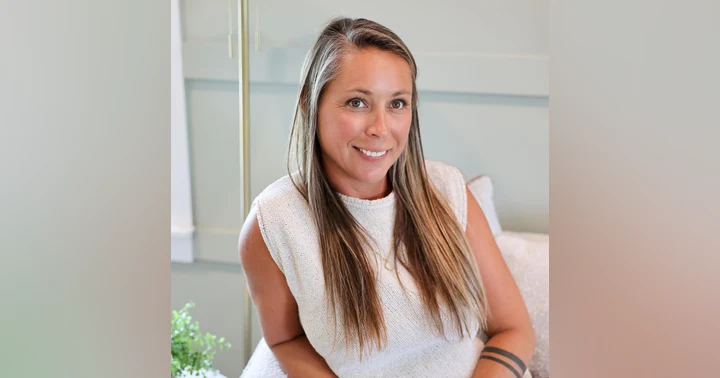
How Windy Keene Built a Real Estate Business on Integrity Over Transactions
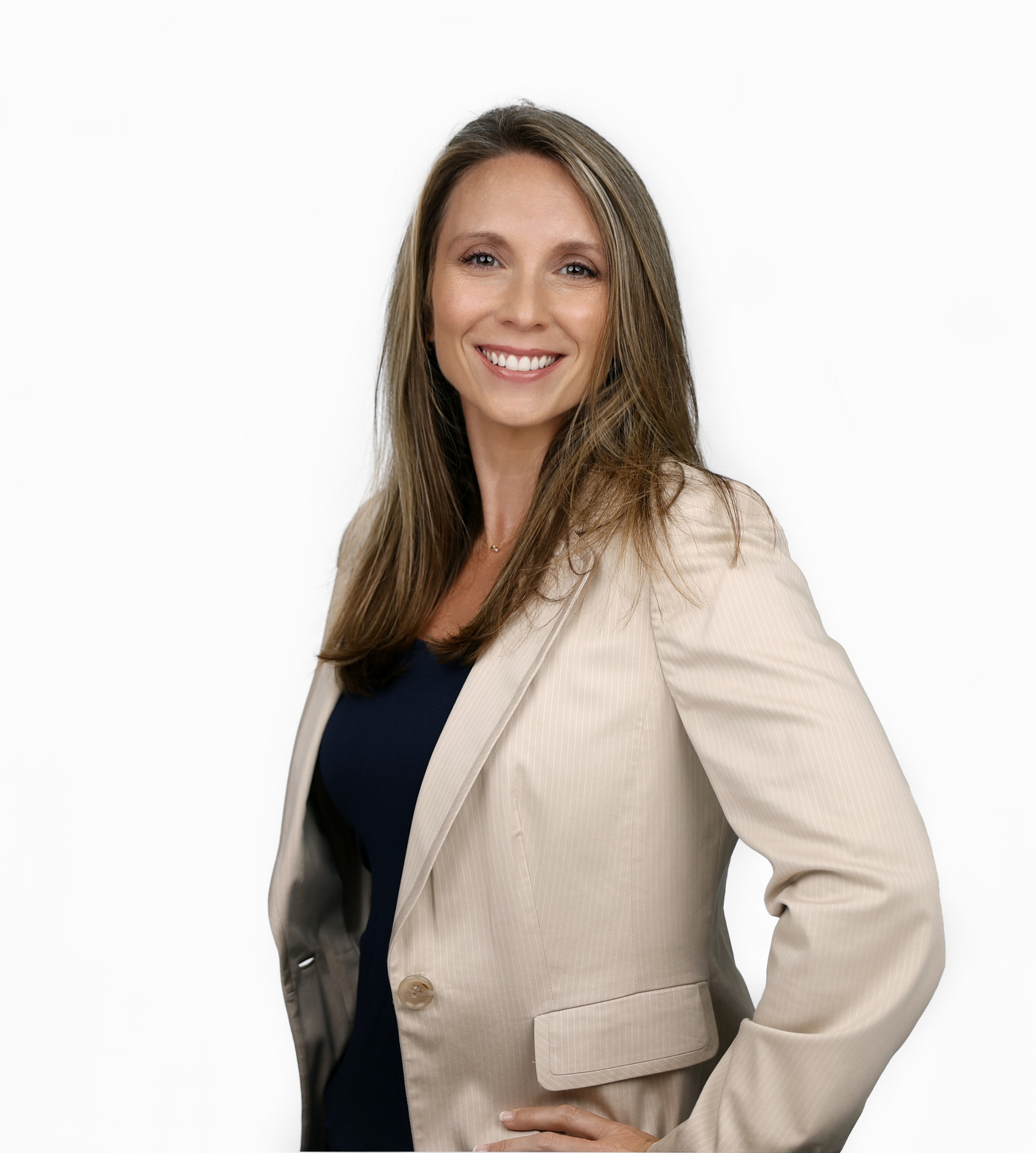

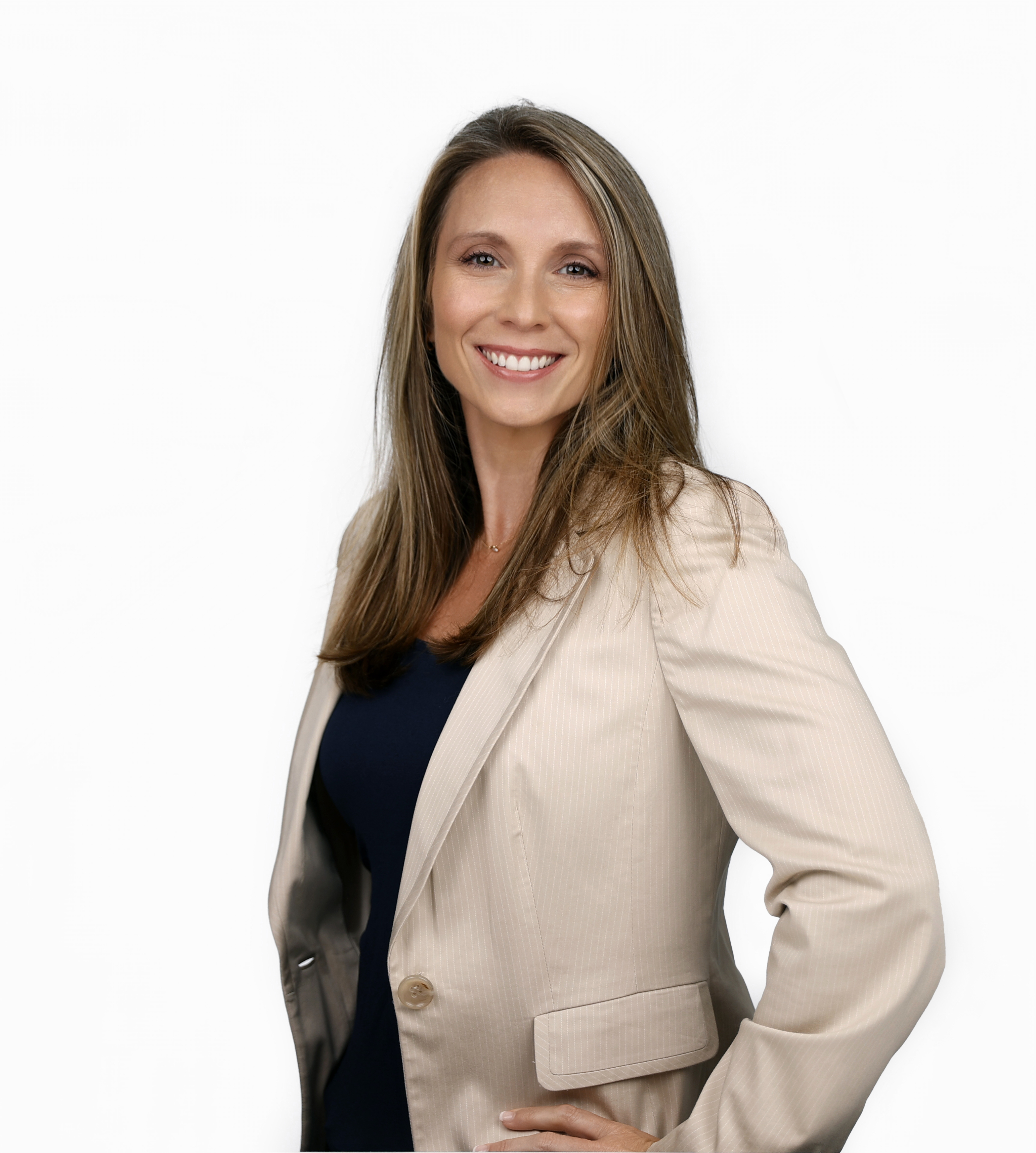
20 Years, Every Market Cycle: How Windy Keene Built a Real Estate Business on Integrity Over Transactions
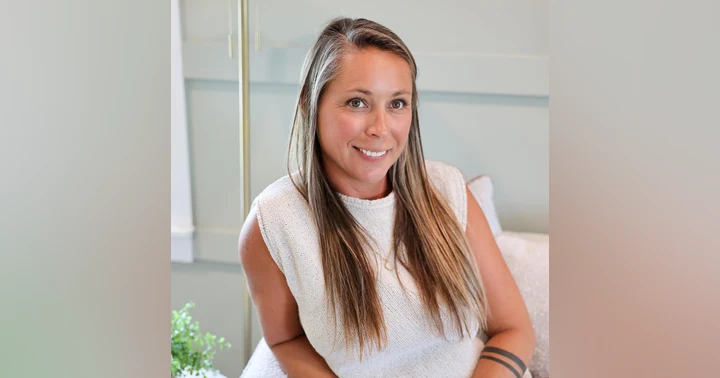
Most real estate agents who entered the market in 2005 did not survive what came next. The crash of 2007 through 2012 wiped out careers, shattered commission pipelines, and sent thousands of agents looking for the exits. Windy Keene, founder of Round Table Realty in St. Johns, Florida, was not one of them.
Nearly two decades later, Windy is still here — still serving families in northeast Florida, still navigating every twist the market throws, and still doing it with the kind of calm, data-driven honesty that her clients describe as rare. On a recent episode of the Real Estate Excellence Podcast, she sat down with host Tracy Hayes to reflect on what it actually takes to last in this business — and what separates the agents who do from the ones who don't.
Starting Young in a Wild Market
Windy did not set out to become a real estate agent. She earned an accounting degree from the University of Southern Mississippi, got married shortly after graduation, moved to Jacksonville for her husband's job, and went to work at a local accounting firm. The nine-to-five grind was not for her.
“I didn't like the nine to five of being in an office all day,” Windy recalled. “I needed more freedom.”
She transitioned by doing bookkeeping for a real estate office while studying for her license. By 2005, she was a licensed agent — and almost certainly the youngest person in her brokerage. She quickly learned to deflect questions about her age.
“I felt like I was always the youngest person that did anything, and I didn't want anybody to know how old I was,” she said. “People would ask and I would say, I'm old enough. Because that just made people think I was inexperienced.”
The market she entered was electric. Listings moved fast. Buyers walked in off the street. It felt effortless — but Windy now understands that what looked like ease was actually an education.
“I learned how to work,” she explained. “I think that was what was so important about that time.”
The Crash, Short Sales, and the Staying Power It Takes
When the market shifted — and it shifted hard — many of Windy's peers left the industry entirely. She stayed. She adapted. She spent months working single short-sale transactions, learning the language of bank negotiations and distressed property law alongside local attorneys who were developing the same expertise in real time.
That period, she said, is precisely what gives experienced agents their edge.
“There's always a place to do work,” Windy said. “It doesn't really matter what the market is. Everybody always needs to buy and sell homes. Sometimes it's at a different pace, but we're always still working.”
What separates the agents who survive from those who quit, she believes, is a fundamental misunderstanding about the nature of the work itself. The transactions are not the hard part. The consistency of showing up, prospecting, maintaining relationships, and managing the emotional weight of someone else's biggest financial decision — that is the hard part.
“I think everybody thinks that this is easy. And I think if you have somebody that gets in on like a fast-paced market and they're like, oh yeah, this is easy, and then it kind of shifts a little bit, they're like, oh wait, this is hard. Because it is hard. And I would say even when you're really busy, it's hard — because you're dealing with people and their most important financial decision.”
The Business Model That Has Stood the Test of Time
Windy's approach to generating business is deceptively simple: stay genuinely connected to the people she has already served. Not through automated drip campaigns or generic check-in calls, but through real relationships that extend well beyond the closing table.
“The majority of my business is going to come from either a repeat past client or just a referral from those clients,” she said. “So really for me, it's staying in relationship with all those people that I currently work with — and those being real relationships, not just like, oh yeah, we closed the deal, I'm done with you.”
That philosophy extends to a quarterly touchpoint strategy she executes with the help of Round Table Realty's in-house marketing director. Every three months, Windy sends something creative and personal to her past client list — items designed to be genuinely enjoyable to receive, not just another piece of agent advertising. The content changes every quarter, planned a full year in advance.
It is a system built on the same principle that has guided her entire career: people first, transactions second.
What Windy Would Tell Herself on Day One
When asked what advice she would give to the version of herself who walked into real estate 21 years ago, Windy's answer was immediate.
“I would say work with integrity,” she said. “It's always about putting the work in. You have to just take that next step. You have to do that extra layer of work and take care of the people that are in your circle.”
That integrity, she explained, is not just an abstract value — it shows up in the practical moments of every transaction. When sellers receive an offer they want to dismiss without responding, Windy encourages them to slow down. When repair requests feel insulting, she coaches her clients toward rational responses rather than emotional ones.
“Let's take a deep breath and let's just get numbers and find out what all these things cost,” she described telling her sellers. “Then we can respond with integrity. When you speak to people in a rational way and help them think through things rationally with such a big emotional financial decision, they appreciate that.”
Her personal rule: if something makes her feel emotional or reactive, she shelves it. She sleeps on it. She comes back to it in the morning.
“Usually when I look at it the next morning, it doesn't make me mad at all,” Windy said. “I'm able to actually process it differently and respond better.”
The Quiet Seasons Are Part of It Too
One of the more candid moments in the conversation came when Windy reflected on the feast-and-famine rhythm that defines commission-based work. In March of this year, she closed seven transactions — representing both sides on one of them. The following month, she had one closing.
Rather than treating that contrast as a crisis, Windy has learned to view the slower seasons as something intentional — a chance to serve in other ways, to take a breath, to invest in the people around her who need something other than a real estate transaction.
“There's busy seasons and there's quiet seasons,” she said. “When I have quiet seasons, that means I have time to serve in other ways. Maybe I need to go paddleboarding today. Maybe I need to have lunch with a young mom and encourage her. That's what I'm called to do right now.”
The financial system that supports this mindset is equally practical. Windy keeps six months of operating expenses in her business account at all times, pays herself a salary-equivalent amount every quarter, and sends anything above that reserve directly into retirement savings.
“I could go six months without doing anything at all and I'm still going to get paid just like I normally get paid,” she said. “That's been my system.”
The Reflection That Keeps Her Going
Twenty years into a career that has spanned multiple market crashes, a global pandemic, industry-wide regulatory upheaval, and the rise of iBuyers and AI-powered tools, Windy shows no signs of stepping back. The reason, she says, has never changed.
“This has never been about transactions,” she said. “I serve people. I want to hear what their dreams are, what their needs are, and really help them realize that. And I get to do that in this job.”
For anyone considering whether a career in real estate is worth the uncertainty, or wondering how to outlast the inevitable hard stretches, Windy's two-decade track record offers a clear answer: build it on relationships, lead with integrity, and understand that the market will always change — but people will always need someone they trust to guide them through it.
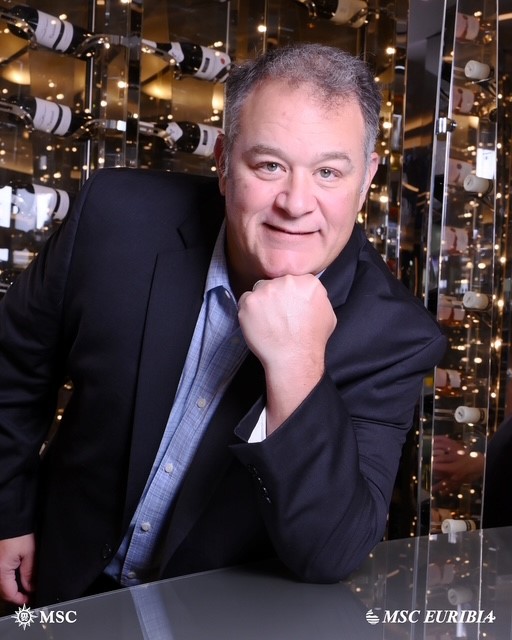
Host of Real Estate Excellence | Mortgage Loan Officer NMLS #23368
Tracy Hayes is the host of Real Estate Excellence, a podcast dedicated to bringing you real conversations with top-performing real estate professionals across Florida and beyond.
A mortgage loan officer with nearly two decades of industry experience (NMLS #23368), Tracy brings a unique perspective to every interview — combining deep lending expertise with a genuine passion for the people and stories that shape the real estate industry.
Based in Northeast Florida, Tracy has spent years building relationships with the agents, brokers, team leaders, lenders, and coaches who are setting the standard in today's market. Real Estate Excellence is his platform for sharing their unfiltered insights with agents and real estate professionals who want to grow, lead, and succeed.
St. Augustine Real Estate Market Reality Check: What Buyers and Sellers Are Getting Wrong Right Now