Why Listings Sit, Buyers Hesitate, and Top Agents Still Win | Alexis Gamel Ep 317
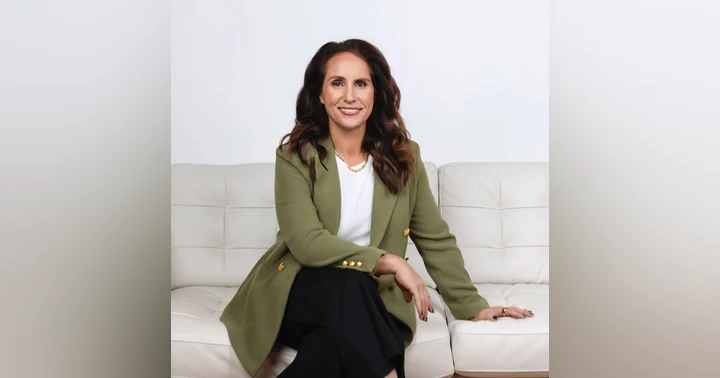
In Episode 317 of the Real Estate Excellence Podcast, Tracy Hayes sits down with Jacksonville native and Christie’s International Real Estate First Coast agent Alexis Gamel for a straight-talking conversation about today’s Northeast Florida real estate market.
Alexis brings a unique perspective shaped by experience in development, land sales, residential real estate, and a lifetime around construction through her father, a longtime custom home builder. She explains how that background helps her buyers evaluate new construction and resale homes, understand inspection reports, and look beyond finishes to what really matters.
Tracy and Alexis break down the Jacksonville Beaches market, why coastal properties command a premium, and why Alexis believes the market is normalizing, not crashing. They discuss the disconnect between buyer and seller expectations and why pricing a home correctly from day one is critical.
They also get into mortgage rates, seller concessions and rate buydowns, Florida homeowners insurance, new construction vs. resale, first-time buyer costs, investment properties, and equestrian real estate.
For real estate agents, Alexis shares valuable lessons about choosing the right brokerage, building a trusted vendor network, managing the challenges of being self-employed, and why collaboration and support can matter more than commission split.
Most importantly, Alexis explains why she loves real estate: building relationships and helping people navigate one of the biggest and most personal investments of their lives.
A strong episode for buyers, sellers, investors, and real estate professionals across Jacksonville, the Beaches, Ponte Vedra, and St. Johns County.

 Apple Podcasts
 Spotify
 Overcast
 Castro
 PocketCasts
 RSS Feed
 If buyers finally have more leverage again, are they prepared to use it wisely or are they still waiting for a crash that may never come?
In this episode of the Real Estate Excellence Podcast, Tracy Hayes sits down with Alexis Gamel. Alexis is a Northeast Florida real estate agent with deep roots in development, construction, residential strategy, and beach market expertise. In this conversation, she shares how her background in land sales, custom homes, and family life shaped the way she now helps buyers and sellers make smarter decisions.
The episode explores pricing strategy, the difference between a normalizing market and a distressed one, how to think about new construction versus resale, and why experience matters so much in negotiation, inspections, and market positioning. Alexis also talks about the power of relationships, office culture, investor trends, equestrian properties, and the kind of service that builds long term trust.
If this episode helped you see the market more clearly, subscribe to the show, share it with a buyer seller or agent who needs it, and connect with Alexis Gamel for guidance in Northeast Florida.
Highlights
00:00 - 15:00 Alexis Gamel’s real estate roots
- Development background and horse farm beginnings
- How 2008 changed her path
- Returning to work after raising her kids
- Why construction knowledge helps buyers and sellers
- How early experience built confidence
15:00 - 30:00 Finding the right brokerage fit
- Why commercial real estate was not the right fit
- Her move into residential sales
- The value of team support early on
- Why culture matters more than commission split
- How office collaboration helps agents grow
30:00 - 37:29 New construction versus beach resale
- How buyers weigh location and condition
- Why new does not always mean better
- Why beach property carries a premium
- Why this market is normalizing not crashing
- What today’s buyers expect from older homes
37:29 - 49:30 Saving a deal under pressure
- Preparing a dated home for market
- How an open house produced the buyer
- The neighbor landscaping issue before closing
- Keeping both sides calm through the chaos
- What the deal taught her about problem solving
49:30 - 01:06:00 Pricing a home to win
- Why the first two weeks matter most
- The risk of pricing too high
- How buyers react to price drops
- Why higher rates can create buying opportunity
- How proper positioning protects value
01:06:00 - 01:21:46 Relationships over transactions
- Why service matters more than the sale
- What has changed for Airbnb investors
- Long term upside in downtown Jacksonville
- What makes equestrian property unique
- Why trust is the best part of real estate
Quotes:
“You can’t just put a sign in the yard anymore. You really have to do a lot behind the scenes and get things ready to position them correctly.” – Alexis Gamel
“Those first two weeks on the market are critical. It’s when you get the most traction, when you get the most views, when you get most activity, when you get the most feet through the door.” – Alexis Gamel
“I don’t think we’re ever gonna see a two, three, or a four again in my lifetime. That was an anomaly.” – Alexis Gamel
“It’s more about the relationship over the transaction.” – Alexis Gamel
To contact Alexis Gamel, learn more about her business, and make her a part of your network, make sure to follow her Website, X, Instagram, Facebook, and YouTube.
Connect with Alexis Gamel!
Website: https://alexisgamel.cirefc.com/
Instagram: https://www.instagram.com/lexgam81
Facebook: https://www.facebook.com/alexis.g.newman
YouTube: https://www.youtube.com/@alexisgamel3057
Connect with me!
Website:
Website:
SUBSCRIBE & LEAVE A 5-STAR REVIEW as we discuss real estate excellence with the best of the best.
#RealEstateExcellence #AlexisGamel #RealEstateExcellence #FloridaRealEstate #JacksonvilleRealEstate #NortheastFlorida #BeachMarket #HomeSellingTips #HomeBuyingTips #PricingStrategy #NewConstruction #ResaleHomes #BuyerLeverage #SellerStrategy #RealEstateAgent #LuxuryRealEstate #EquestrianProperty #InvestmentProperty #AirbnbInvesting #JacksonvilleBeaches #MarketNormalization
Are you ready to take your real estate game to the next level? Look no further than Real Estate Excellence - the ultimate podcast for real estate professionals. From top agents and loan officers, to expert home inspectors and more, we bring you the best of the best in the industry. Tune in and gain valuable insights, tips, and tricks from industry leaders as they share their own trials and triumphs. Whether you're a seasoned pro or just starting out, a homebuyer or seller, or simply interested in the real estate industry, Real Estate Excellence has something for you. Join us and discover how to become a true expert in the field.
The content in these videos and posts are for informational and educational purposes only. The information contained in the posted content represents the views and opinions of the original creators and does not necessarily represent the views or opinions of Townebank Mortgage NMLS: #512138.
Tracy Hayes 0:01
321, Hey, welcome back to The Real Estate excellence podcast today. We're talking about what buyers and sellers in Northeast Florida need to understand right now, from pricing strategy and market timing to why the beaches market is so often misunderstood. We're getting into how to prepare and position a home to outperform what first time. And I'm terrible this morning. I apologize for that. I have this what first time in movement up buyers are getting in wrong and why the market is normalizing, not crashing. If you want straight talk on Jacksonville, Duval St John's and the beaches, from someone who brings both construction insight and real strategic depth. You're going to get a lot of this one perhaps help me welcome Alexis gamble to the show. Hi. How are you welcome? Yes, glad you can make it down. I you know you're reading your bio, and of course, you got your LinkedIn updated, which looks great. I checked that this morning. I really want to dig in, because I think you know these, these questions that we, obviously, we talked about and prepared for today and talk about these are things everyone's looking for online. They were in a we're in a little market. I think it's almost like a slight pause right now, because those rates jumped to half a percent. For those who are listening, we were in the March 31 so this, you might be listening to this two years from now, but this is the time period, and our rates just jumped about a half a percent after we were really getting excited because they were going down. We started to see 5% on stuff. So we've kind of gotten a pause, but I think it's now real estate agents
Alexis Gamel 1:44
need to go to work. Yeah, for sure. I mean, it's definitely you can't just put a sign in the yard anymore. You know, you really have to do a lot behind the scenes and get things ready to position them correctly if you want them to sell 100%
Tracy Hayes 1:58
having the right real estate agent if you're on the listing side for pricing strategy, you know, what are you know, what are you going to offer? Because obviously, we talk about construction, there's a lot of, obviously offers from the builders too. But Alexis, start us off a little bit. Tell us what young Alexis, you're, you know, 1819, 20 years old. What did you actually envision yourself doing? Oh, God,
Alexis Gamel 2:21
I don't well at 18. So when I growing up, I rode horses. I've ridden horses my entire life, and I rode at Kern and Hodges farm, so I became close with her and George, and ended up working at their development company, Hodges Boulevard development group, through college, and then after college for about 10 years. So we built and developed Glen Kern and sold off a lot of their commercial properties to slaymans at that time, honestly, so I've got a pretty strong background from the development side and the land sale side. So I think I thought I would always kind of sit in that realm in some way. And then 2008 came. Obviously, everything shifted hugely. I had my first child. I was married, and I really didn't have to work anymore. So I retired, is what I did.
Tracy Hayes 3:22
You retired raising a child. That's, I don't know if that's retirement. That's just, that's just a different, another, another type of job.
Alexis Gamel 3:31
So at any rate, you know, I mean, it was a good time to step away. Obviously, things were chaotic. So, you know, fast forward Colt was, that was 2009 and then I had two more, over 2011 and 2013 and so after the youngest, it was like, Okay, well, it's time to get back to work. So it sort of made sense to step back into real estate. I was never licensed previously because I worked for the developer, so I didn't have to be, but I got my license. Were you in the
Tracy Hayes 4:08
sales side or what were
Alexis Gamel 4:10
you doing? I worked out of the real estate office, which was Glenn Kern and Realty, that was where we all worked out. But I worked closely under our broker. We had developer lot sales. We had spec homes that were part of, like the Glen Kern and like builder program, and then we had the land deal. So really, just facilitating all of that stuff. We did a lot of HOA work back and it was just kind of like a very high level umbrella for right,
Tracy Hayes 4:45
like I just said, you're on that, on that particular topic going into today, when you're you know, you've met many different clients now, buying and selling homes. What did that give you that that experience that you had there prior? To, you know, 2008 and working in that atmosphere, in 2008 when everything was, well, no, I mean just, I mean to lean back on your experience and when you're talking with buyers and sellers today, because obviously, confidence is one of the your biggest challenge, especially new real estate agents have, and we have a lot of young, really good young real estate agents in our business are 25 years old, and confidence is obviously one of their well, they got confidence pretty quickly, wherever they got it from. Did you feel a lot of confidence because, because of the background, because of some of the, obviously the language, this how things are working?
Alexis Gamel 5:36
Sure. Yeah. I mean, I think it definitely helped me a lot because, I mean, I would go through and process all of the contracts. So that was two different versions. Obviously it was like the standard home sale contract or our developer contract for lots. So just like being very familiar with terms and the way the timelines were run and inspection periods, and that's still very different from, like, the land sale perspective, to a home but, but, yeah, just having that background to fall back on. And, you know, things change and over the years and whatnot, but they don't really change that much, right?
Tracy Hayes 6:15
Well, you kind of have an understanding of what's going on behind the scenes. How did we get to this point? You know, when you're finished with, when you're looking at a completed home, versus, obviously, when you're developing to get to that pre house stage, I guess, if you're called that, right, yeah, you kind of knew what was going
Unknown Speaker 6:30
on, yeah, for sure. And I mean,
Tracy Hayes 6:32
obviously, who were the players?
Alexis Gamel 6:35
And, you know, my dad is, is a home builder, and has been for over 40 years. So just even growing up around that side of construction as well, just seeing homes from the ground up. Or, you know, he was always doing something to our home. Or, you know, it was always, always around a construction site. I mean, one summer, I like cleaned homes for him. So it just, I've been involved in the industry in some
Tracy Hayes 7:00
aspect for to highlight how important, because you do mention that in your bio, I understood why you were interesting in the bio, but the, you know, obviously, typically, you know, someone may not, you know, it's just looking at your eyes, okay, yeah, her father was in in new home construction. Not everybody was fortunate enough to work with their father says, you and I have, what does, what experience, how? Tell us. Tell us how you bring that and growing up and knowing your dad's in the business, because, obviously, we do sell a lot of new construction here in Northeast Florida, especially in now in Nassau and St John's. Since, you know, there's still some spots in Duval where people are building, but that's a big part of our customer base right now. Is that new construction? What? What does that experience? How are you bringing that
Alexis Gamel 7:48
to your customers? Well, you know, you just have a really good understanding of what goes into putting a house together. From the ground up, you can just kind of walk in see things that are flags or maybe not. And new doesn't always mean better, right? You know, some of the new builders are great. Some are building to a price point, which is fine, you know, there's an outlet for all of that, but just kind of looking at things and going, Oh, well, maybe this needs to be looked at a little bit harder. And so from the new construction standpoint, just knowing when we need to dig in a little bit and kind of push to have things done correctly, where they might have cut a corner or something like that. But even on the resale side, you know, you're, you're walking through older homes, and sometimes you you see things that people will have a panic attack over, and you're like, Oh, that's not a huge deal. Like, all you need to do is XYZ, or you walk into maybe a fix and flip. That's super pretty, but you can tell that there's going to be problems underneath it, you know, it's like, oh, they put granite countertops on it, but the plumbing is still awful. Or, you know, well, with that
Tracy Hayes 8:59
construction mindset, because I think there's, there's a lot of, well, there's only one address, there's only one house at that address. And people may like the address, like the pool in the back, but there's just some things they need to do with the house. Is, Have you, have you been able to take that with with some of your your buyers, and say, Hey, I realize this doesn't have or this needs this, but we can get that done. Yeah, because I think renovating from a lending side of my side, the renovation loan is a underutilized tool, and I've actually
Alexis Gamel 9:31
not done a renovation loan per se, but, but truly, yes, as far as walking in and seeing like a bigger vision of what you can do, what you can change, you can open up a kitchen, you can tear down a wall, and having the resources to fall back on, to even maybe get somebody to come over to the house with us before we write an offer, or in the inspection period, or something like that, to say, okay, like, what can we really do here? Give us a price? Like, so they have a much better understanding. Of what they're getting into that helps us structure an offer better from day one, instead of, you know, getting maybe through spending 800 to $1,000 on an inspection to find out things are not really, you know, great or things that or
Tracy Hayes 10:18
will need significant
Alexis Gamel 10:22
you know, or even in the repair period, you know, you get the inspection report and the inspection or the inspectors are doing their job, because we're paying them to find things that are wrong with the house, right? So they're going to find things that are wrong with the house. But being able to look at that report and be like, okay, you know, this isn't something that you need to be worried about, or this is something that you need to be worried about, or, you know, this is going to maybe cost you this down the road, or it's going to maybe be fine for a few years, or what.
Tracy Hayes 10:53
So you, you've, you've been in the industry construction for pretty much your whole life. You know, from that standpoint, an agent that might be listening right now, who doesn't have that, that background experience, I'm sure you've dealt with them on the other side of some of these transactions, where there is an inspection report and you're looking at it, and you're knowing just by reading it, this is minor, you know, where they're they're getting blown up. What? What would, what would you recommend? Or, how do you, how do you a handle that situation, because of your knowledge base? But also, if you could finish and just tell us, the second part is, how can an agent who may not have that experience try to go out and grab some of that experience, if we're not going to have, obviously, your life experience, but at least get up to speed a little bit to feel a little more comfortable in handling those you know,
Alexis Gamel 11:44
it's really just having good, a good network to fall back on, too. Because, I mean, I certainly don't know everything, but I have, you know, a plumber, an electrician, like a wgo guy, I have a great slab guy. So if something is like, a red flag in an inspection report, and I don't like, I'm like, going, I don't know what this means. You know, having somebody that does have the knowledge to fall back on, because, I mean, none of us know it, all right, but having people in place that do that you can rely on that are trustworthy. And, I mean, you learn something from every deal, and every deal is a little bit different. So you know, there's always going to be room to improve. There's always going to be room to learn something. And I mean to me, I think that's really the biggest thing, whatever you do, is not ever thinking, you know it all, and just being willing to learn
Tracy Hayes 12:39
in because I've had some of these inspectors on and they are not general contractors. A lot of them are actually hired because they're just good people persons, because that's one of the challenges in that, in the relationship with real estate agents and their buyer that they're representing and going out and doing that inspection. So to be able to take that report, send it over to that plumber or whatever. Hey, what's it going to cost? Real Cost? Because obviously the inspector is kind of like an insurance agent. They just kind of get this blanket number
Speaker 1 13:13
out there, right? And again, they're doing their job like we're paying them to find stuff that's wrong with the house. So they're going to find stuff, you know, and in a lot of cases, it's minor or it's just cosmetic and but it's being able to tell the difference between what is cosmetic and what's going to maybe cause a major problem down the road. And, you know, some things are alarming on paper, but then, when you really dissect it, it's, it's not necessarily, well, I
Tracy Hayes 13:44
just want just the importance of what you said is, is having those people on speed dial that you can send over that report and say, give me verbal ammunition so I can go back to my customer, or give me verbal ammunition because we need To go renegotiate. Because this is, this looks bigger than Sure.
Alexis Gamel 14:04
Come over and take a look at it and give me a quote of what it's going to cost to fix it. And I mean, obviously I have a lot of those relationships because of my history, but, you know, getting in, like the networking groups and things like that, I think are great outlets to be able to pick up those resources as well. All right, so
Tracy Hayes 14:24
change direction. Here, go back. So youngest one is off to school, yeah. So you said you're going to go back to
Alexis Gamel 14:32
work, back to work. And so naturally I thought, well, you know, my history is in a lot of development, so I'm going to go into commercial real estate and do land sales, which I did not super successfully. Land deals take a really long time, so it's really, really hard to make money quickly,
Tracy Hayes 14:56
or at least in reasonable time.
Alexis Gamel 14:58
I mean, you know, a year. Sometimes longer you're doing due diligence, you're doing rezones. I mean, it's, they're just huge undertakings in some cases. So I did that for a little bit, and it it's a lot more structured than residential real estate, and that it's mostly business people. So it's like nine to five. And part of the reason I wanted to get back into real estate was the flexibility to be able to be at my kid's school if they had something, or go on a field trip, pick them up, take them to dance or baseball or whatever. So I just came to realize that with the place I was in life, it wasn't a great fit. So I transitioned into residential real estate, went to work with a friend at Red Zone, which actually Kyle Bosworth and Jason Babin were at at the time, realized relatively quickly that wasn't an excellent fit for me there, so just hung my license at a friend's real estate company, accessory companies, to figure out kind of what I wanted to do and where I wanted to go. So because I didn't really want to keep just hopping around, I really wanted to find a home, which is when I joined a team with England Volkers, which is what we were at the time. So I was with the team for about a year, and then went out on my own as a single agent, which I've been ever since,
Tracy Hayes 16:27
not to take and go just as we know, and I everyone knows that listen to the show regularly. Every brokerage runs their has a different culture, runs their business differently. Broker, maybe direct, more involved than others, whatever it may be. And I told you, appreciate this, because this is always a question, because I think everyone that's in getting ready to take their license right now really needs to be studying. Hopefully they're listening to this, Joe, because I talk about this for a few minutes, at least every time, and that's the choice of brokerage and how important it is, and could be the difference. I think it's, I think it's a big factor in why 80% never renew their license, and they might be out of the business in the first 90 days. Maybe they do last a year, but they never renew this by the second year, and that's where we know they fell out, right? But we can definitely look at the numbers and who's doing business, and we know, you know, 70% of the agents actually licensed are not doing any business. So there's some number. And I think one of the factors is that choice of of brokerage, I think whether it's you need motivation or just a culture being around, obviously, we know a Christie's in formerly Ingle Volkers, here First Coast. You're around a lot of great people there. So there's a different vibe, different energy type thing going on. What was it that you felt at the first brokerage that just wasn't clicking with you and your, I guess, your business style, what you
Alexis Gamel 17:57
it was just, it wasn't anything for the brokerage as a whole. I was on a team there as well, and it was just some sort of personal team dynamics, things I didn't feel that were being handled or run in a professional manner per se. You know, we didn't have a lot of support as far as like marketing. We had to do all of that on our own, which is fine, and that's a lot of people's platform, and the way their brokerage is run. It just, it just wasn't jiving with the way that I wanted to do business. And, you know, nothing necessarily bad. It just wasn't a good fit for me at where I was at the time.
Tracy Hayes 18:38
Well, there's, there's the value you're you know, I think one of the biggest mistakes someone can make is just make a decision of where they go based on their on their split. So you go to a team, because maybe there's leads being generated, or there's some value of being a conglomerate of people, right? And whatever that value perception isn't as the value you find out, the value is not there. You're obviously, you're looking somewhere. It's not what you expected it to be. You're at Christie's. We know, you know, obviously you guys got nice offices around town. They're nice angle Volkers office. Now the nice girl, Corey, runs a first class show there. From that standpoint, if you're talking to someone getting in the business, and they ask you about your money, because obviously, there's a lot of brokerages out there, just like, you know, whatever $500 transaction, whatever, some, or no, no fee, what do they call themselves, fat fee, or some, whatever it may be, Any of those small amounts, versus, obviously going to Christie's because, because, you know, you've been in the business long enough you could pretty much probably go anywhere and still be successful from that standpoint. But you stay with Christie's because obviously the value add, and you said, how would you how would you help someone making that. Decision getting into the business when they say, Oh, I can, I can keep all my commission, versus giving up some to get value.
Alexis Gamel 20:08
Well, you know, I started on a team there because we had minimums to be able to get into EV or now Christy's, and at the time, I wasn't at the minimum that I needed to be at to be a stand alone agent. So, you know, the team allowed me to enter what was a very quality, reputable brokerage from kind of early on as an agent, but the support of the team through just having somebody to fall back on. Hey, what should I do about this? Can you look over my contract? What you know, I have this situation. Just it was very collaborative, it was very supportive, and I think at that time of my career, was a great move and what I needed, and it set me up at a fantastic brokerage that I won't leave unless Corey kicks me out. So, you know, from that standpoint, it was a really good move for me and for a new agent, I do think they need to not and honestly, the commission split wasn't even a consideration for me. It was more about the support and the environment, and I knew the caliber of agents they have, and that's what I wanted to align myself with. So, you know, which from so like, what I would say for a new agent is find a place where you're going to be supported and not necessarily worry about, you know, hey, you're getting 5% more or whatever, because the grass isn't always greener. And, you know, obviously we're getting calls all the time for, oh, come here, come there. Your split is going to be this, your split is going to be that, whatever. And we get so much support from Corey. He's available, literally, 24/7 and from our admin, they are incredible. They handle all of our marketing. It's all branded. It's all uniform. It's all just flawless and lovely. And you know, so maybe I would get a better split somewhere, or maybe I wouldn't have this fee or that fee somewhere else, but I'm also going to be paying somebody to be doing all of this other stuff, or I'm going to be doing it myself, which I'm not a
Tracy Hayes 22:10
marketing performance just never gets done, and your business flat lines. Or maybe it's
Alexis Gamel 22:16
taking away from prospecting, or it's taking away from meeting with clients, or something else is going to fall Yeah. So, so, I mean, I to me, it's not always about, oh, I can, you know, get one more percent or five more percent or whatever. Here, it's just, it's the level of support that we have, and it's the level of agents that we're aligned with. It's super collaborative. You've just a wealth of knowledge of people that have been in the business for ages, and have pretty much seen it all and done it all, and they're always happy to help.
Tracy Hayes 22:45
Always talk about, just make a point to the listeners who may be out there, and whether they're thinking about, or maybe, you know, some of them did jump into some of these cloud brokerages, you know, called, and I know a lot of the cloud brokerages, they do like to try to form their own little groups to create this Claire, but to go to have the office environment, like you said, those other top people are in there walking by you, or, you know, you can pick up the phone and call them if they're not. But just to have that, what does that mean for you? I mean, you, one of the first things we talked about when you came in was the new office that that you got and and what that does for you, it's being
Alexis Gamel 23:24
in the office is invaluable. And actually, every year, I kind of start out with a resolution of, I'm going to get back to my office hours, because I have kids. The summer gets hectic. You're, you know, they think you're their chauffeur and just don't have to work or whatever. So it's like, I start out really strong, and then it kind of tapers off, and you go into the holidays. So every year I'm like, Okay, I'm getting back in the office for whether it's, you know, just a couple hours once a week or whatever, but the collaboration and the level of information and just the networking that you get in the office, just hearing about, oh, maybe somebody has this off market, or, you know, somebody's got this going on, or you hear about a situation, and just being around everybody and the energy and the information that you get, it's just not something that you get sitting at a coffee shop or sitting at home, and nothing against any of that. But it's just, I mean, I get energy from being in the office, and it really kind of sparks my business, too, by being there and feeding off of everyone else.
Tracy Hayes 24:29
And you come from a background, you've got a lot more experience within the industry than the average agent does, and you're still going in there to get more information. And I think that's where a lot of agents fall short. And maybe the different difference of some agents that you know, there's some people that are going to be successful, no matter what they do. They find it. They find it. There's others. Again, a high failure rate in the in this industry, the importance of going in there, here, you coming already. With a lot of you could just say, I don't need to go in the office. I know more than a lot of well, you know a lot of more over here, but they saw something over there that you don't know about. Well, yeah, and it's
Alexis Gamel 25:09
like, you know, again, maybe somebody has this weird thing going on with the deal that then I learn about, and can take that knowledge to something I've got going on, or maybe hasn't happened yet, but will down the road, or, you know, somebody's got this property coming that might work for one of my clients, and we can get a deal done off market before it even hits the market. Or, I mean, you just you never know what you're going to find out, and you can only find out if you're there.
Tracy Hayes 25:31
So Well, as I mentioned Jonathan lichte before the show, I his, he his quote that that sticks with me, your your network is your net worth and your internal agents, well, whether they're in the brokerage or not, but your network with other agents is part of your net worth.
Alexis Gamel 25:49
Oh, without a doubt. And just, you know, having people to fall back on, you know, I said about, like your vendors or whatever, but it's the same thing with agents, because there's always going to be something you don't know, and there's always going to be somebody that's had something similar, or that you can get, you know, advice in some way from. I mean, even my my aunt's been in the business for ages, and as a top producer, also with Christy cyan Goodwin, she had locally, yeah, yeah. She's out of our Atlantic Beach office too, and primarily does the beaches. She had a deal that had kind of a lot of repairs. It was an older home, and she called me, and she's like, Oh, I don't I just don't know what to do. It's driving me crazy. Blah, blah, blah. And she's like, I just usually, she's usually a very kind of luxury. And she goes, I just usually don't have houses that, like, have this many problems and this much work. And I said, Well, I do. So, you know, why don't you do XYZ? And she's like, okay, yeah. So I talked to her, like, a couple days after, I'm like, hey, whatever happened with that house off San Pablo? She's like, Oh, I did what you said, and they accepted it. It's like, great. So, I mean, she's way more experienced than me, and I rely on her for a ton, but, like, even something like that, like, I was able to help her because of, you know, things
Tracy Hayes 27:08
that I've done. Yeah, so you need, so you need someone to bounce it off. Like anything in life, you have an idea or vision or just, how do you? How do you, how do you do this, which to me now, whenever I do how do you do this, I'm either on YouTube or AI now. So for asking my kids, who should I ask to do this? Or if I ask this person, what questions should I ask them? Alright, so even with all your your your past experience, and the developer, your father's in construction, you have all that. What are some of the initial challenges you still had when you entered the I call it retail real estate and working with clients on a daily basis, one on one, whether it was personally or just, you know, from an education standpoint, what are some of the challenges that you had
Alexis Gamel 27:59
Well, anytime you work for yourself in any capacity, it's, you know, sort of defining office hours, or, you know, just you work from home, you know, I go into the office some or whatever. But essentially my office is wherever my phone or my laptop is. So kind of defining hours, creating boundaries, because you never actually leave work, you know, and you'll get calls or texts from people at all hours, and they expect you to respond, which is fine. I mean, it's a service industry. You have to respond if you want to keep having business. But it's like, so it's the structure of of like, When am I going to do this. And for me, part of the challenge even from like being at home, it's like, oh, I'm going to throw in a load of laundry, or I'm going to do this, and you end up multitasking, and then you have all of these things going, but nothing is actually totally completed. So that's another benefit of going into the office or just even leaving the house, is being able to not multitask and just really focus on what I need
Tracy Hayes 29:04
to get done. Time block. Or you did you get or try to least put the schedule down? Or a list maker.
Alexis Gamel 29:12
I do. I make lists, and I do try to block time, even if it's small windows, like 30 minute increments or whatever. And you know, my kids are still on the younger side, they're still in school. So, I mean, I'm still doing things with them, for them, and especially in the afternoons, driving them around. So I know my window of opportunity is pretty much from, you know, six or seven in the morning until about two 230 in the afternoon, when I have to start driving them. You know, I take a laptop. Sometimes I'm working in the car for two hours at a baseball practice or something like that. But there I do always have, like, some sort of plan of when things are going to get done. Well, I would
Tracy Hayes 29:50
imagine, you know, you're going to have to go to that baseball practice at three o'clock. You are you have to schedule or figure out how you're going to manage the rest. Of the day so you can get stuff done. Yeah, because what you can't
Alexis Gamel 30:03
do that, I live off of my calendar, and if it's not in my calendar, it's like 99% not going to happen. That's how like I do. I schedule literally everything.
Tracy Hayes 30:13
All right, let's, let's dive a little bit into the questions we created here to really get I think these questions really help the buyers and sellers out there get to know a little bit, but also the listeners who the real estate agents that are listening of your mindset, how you're tagging it, you're you're out to beaches, you're mixing you know, obviously whenever you use the word Beach, they're generally the word luxury is close by, because obviously the demand out there. And I think it's interesting, you did bring up, you know, some of these beach houses, they've been there for a while? Yeah, they were bought early because someone wanted to live on the beach, and they got there first. And they are 3040, 50 years old, if not older, and they need work. And then so they need an agent who's going to be able to facilitate that. Alright? So the question is, your dad was in a custom home builder. So you group around construction, when a buyer is deciding between resale and new construction, and that it says Jacksonville, but I think obviously we would probably say Northeast Florida. Sure, how does, how does the background change? In a way you guide them?
Alexis Gamel 31:20
Well, with new construction versus a resale, it really just kind of depends on the person and what their goals are. You know, everything has its pluses and minuses. With new construction, obviously everything is untouched, it's modern, it's brand new comes with a warranty. Sometimes the builders offering an incentive for a rate buy down or closing costs. There's also a timeline to consider. Has this house ready? Yeah, have they broken ground? Is it an inventory house that they're really trying to move quickly? Is it going to be ready in a couple months? You know? Does it align with their timeline? Where do they want to be, as far as location wise, because if they want to be at the beach, we don't really have a lot of new I mean, we have tear downs and rebuilds, but, like, if you're thinking of a new construction neighborhood, we don't really have that. So, you know, it really just depends on what their goals are. And then, obviously, new doesn't always mean better. You know, some builders with the price point, you get something great. And some you get some things that you think are a little concerning at times, but you know, if they want to be in a specific location, then a lot of times it is going to be a resale, you know. And with the resale, you've got a more established home, a more established community, more established landscaping. You also might have older systems. You also might have some updating that needs to be done, but you also might have a longer or a bigger upside long term because of the location. So it really just depends on the specific buyer and their needs, right?
Tracy Hayes 33:01
You the beach market. Yeah, I think, Well, right now, obviously the the articles that are out. So again, whenever you're listening, this is March of 2026. Are, what was the, what was the the percentage of sellers to buyers are out of whatever it's it's a widening gap. We are starting to see a lot more inventory, but it's the beach. Yeah, Are they over priced right now? What is it priced right for the for what traction you're, I guess they or attraction you're getting right now.
Alexis Gamel 33:40
So I feel this is a little bit of a two part question. For me, the beach in general carries a premium. There's only so much coastal inventory property east of the intercoastal. So if you want to be at the beach, you've got a very limited area of opportunity. So you're going to pay for that, you're going to pay a premium for that, just like in a community, if you're on a lake or you're on the golf course or whatever, you're going to pay a premium for that. Desirability as a blanket. Are the beaches over priced? No, are certain properties overpriced? Yes, you know, and I think in general, what we're seeing is things that are priced appropriately and marketed properly are moving and this kind of takes me to the second part of my answer, is that I still think there's a pretty big gap between the buyers and the sellers right now, right the sellers think that we're still, like, in this inflated covid market, and buyers think we're in 2008 2009 like, and everything is a distressed sale, yeah, and it's like, neither is true. We're really in a pretty normal, balanced market where, I mean, maybe the buyers have a little more power in some point with negotiation. Recommendations, but like this, person doesn't need to give you their house and their first born like they're not. They don't. It's not a distress sale. It's not a fire sale. So I mean, I think just trying to find the middle ground of people, being realistic on both sides is a huge part of it, and managing expectations is really big.
Tracy Hayes 35:21
So I'm not, I don't hang out at Jack I live in St John's County, and we bought a house. It was actually in 2009 it was actually a foreclosure. So the house was actually probably about six years old at the time. So when I go out to Jack's beach, you there's areas there where those homes were definitely, you know, late 50s, you know, the concrete block, single story. Some of them are probably two ones, if not three ones. Type homes. Are you finding buyers who still, they're they're more about the location than necessarily the house. In other words, they're willing to take a smaller house or house that doesn't have all the fancy bells and whistles because they are only a short walk or bike ride to the beach.
Alexis Gamel 36:11
It really just depends on the buyer. Right now, I feel like buyers are more particular and not wanting to do a lot of work. You know, when things were super crazy and we had no inventory, it was just like, yeah, sure, I'll take it and I'll do whatever I need to do once I have it. Now, they're a little more discerning, because they do have some other you know, they have there's options. We have some inventory. You don't have to see a house and write an offer in the driveway before you leave. You can see it. You can think about it. You can maybe see it again. So, and there are still a lot of those concrete block beach houses, you know, I think in a lot of cases, we're seeing them get bought and either torn down for, you know, a new build or change drastically. But as you are starting to see,
Tracy Hayes 37:04
you just even take that concrete block foundation, add a second story, that kind of stuff
Alexis Gamel 37:08
going on. Yeah, it just depends. In most cases, they're they're probably tearing them down, and they're like, land value only building a duplex or, you know, like townhouse type things. We're obviously seeing a lot of that still, but, um, but, but as a whole, the buyers, I feel like, are wanting something. I'm going to say, move in ready, not just meaning like you can move in and live in it, but like how they want it.
Tracy Hayes 37:38
I would imagine, is there still a market for those who want, who could take some of those older homes, maybe someone's been living it for 2530, years, and and go in and flip it and, you know, make a few dollars, but then also put a really good house back on the market? Still out there?
Alexis Gamel 37:54
I think it is. I think it's fewer and farther between, because a lot of it was bought up already. And it really just kind of depends on, on kind of your connections and who, who you know are the outlets you
Tracy Hayes 38:10
have essentially know that person who's, well, the estate is right, someone's passed away.
Alexis Gamel 38:17
You know, I don't think there's as much room as there used to be for that. But, I mean, obviously that will always be, yeah, there
Tracy Hayes 38:23
are, there is a lot. I think there's a lot of competition. I think it's a lot of competition Northeast Florida, just because the moving, grooving eggs go on and there is money here to do that. There definitely is. There definitely is, hopefully, I think you probably prepared for this one here. Tell me a recent deal, conversation or challenge has really stuck with you, and I think this is important as I construct my book grit, the real estate agents that refuse to quit, there's always some story that really sets you sideways, or maybe, you know, some agents probably you almost they wanted to quit because of something like give
Alexis Gamel 39:01
us give us a So, yeah, I had a wild one last year. I think it was in November. I had the buyer and seller. So the seller, it was a little bit of an emotional deal for her. It was her parents house. They had both passed away. She didn't live here. She was in the Northeast. So I was managing everything. We repainted it. We painted it was a knockout. He was a little bit, just a little bit dated. It just needed, like, a little bit of
Tracy Hayes 39:28
a fresh, original nakati home.
Alexis Gamel 39:30
It's a Coastal Oaks, yeah, on a lake. It's a great, great house. So we swapped out carpet. We just painted it was, like, all of those really warm cream tones from like the kind of early 2000s that everybody used to do. So we went in just kind of painted everything white, brightened it up, did some new carpet, staged it. And we're very strategic about when we put it on the market and how we wanted it to look. So I actually got the buyer through an open house. House. And it was a multiple offer situation, actually, which was very unique for when it was and there was tons of inventory in Coastal Oaks. So I really felt like I did a good job on that. The reason that these people won was because the other offer was for out of town buyers who hadn't actually seen the house yet, so their price was a little bit higher, if I remember correctly. But we felt like, what if they don't like it when they they get here and they back out and now, and you lost the original one, lost the original anyone bought something else. They were actually leaving the country and, like, a week for like 45 days, this huge overseas trip. So we're like, they're going to be gone, like we're not going to be able to get them back. They're going to be gone. They were very well qualified, all of the things, so we accepted that offer. It was a long it was a long closing. I think it was like a 60 day closing, maybe because they were going to come back country, yeah, so that's always a little nerve wracking. Just, I mean, not that we anything was going wrong, but you know, you're just kind of sitting there twiddling your thumbs and but it gave us time to de stage the house and all of that. So it was fine they get back in the country. We are doing the final walk through, literally the day before. So they got back, we had the walk through, and then I think closing was the next day, so we're doing the walk through. Everything's great. We walk outside, and it's properties on a lake, and there's all these huge like tree, shrub landscaping that are very mature, have been there for ages, and there's some of them that are just, like hacked, like, half of them cut off.
Tracy Hayes 41:48
They weren't when they originally saw the home, but somebody's done some work since then. Yeah, and it wasn't us, Oh, Jesus.
Alexis Gamel 41:55
And I know it wasn't us because the house is vacant. The sellers up in Connecticut. I didn't order any special landscape, and I hadn't done anything. So we're like, going, oh no. So it became very evident that the neighbor had done a lot of pruning. There was a huge pile of debris in his driveway and the these bushes that he had modified were blocking his line of view from his master bedroom to the lake,
Tracy Hayes 42:35
but on her property, but On Yes,
Alexis Gamel 42:39
so the buyer was very upset because it compromised a lot of their privacy. Yeah, and they were also very upset that their new neighbor had the audacity to come and modify property that wasn't theirs without even asking anybody. So everything started going sideways really quick. And I'm like, just grow back quickly. So it's like, I went and talked to the neighbor. He was kind of snarky about, like, well, you know, I mean maybe, and I'm like, Well, I mean, like, this is a really big deal. Like, they're gonna walk away from this, and they can, because the property isn't in the same condition as when they wrote the contract. And so my seller, I think, ended up talking to him, and kind of explained the magnitude of the situation like, you know, we need to, we need to fix this. So we got talked to the neighbor. Well, we got a quote of what it would cost to replace this very mature landscaping, which was like, something like eight grand. It was like,
Tracy Hayes 43:50
really, to bring in, bring in mature landscaping that wasn't hacked up, correct
Alexis Gamel 43:58
to, you know, replicate what was there, essentially. And so we ended up giving them a credit which satisfied, like the financial aspect of it, but there was still this uneasiness about they had this neighbor that had the audacity to come and modify the property. So we actually had a disclaimer or release. I'm not really sure what you want to call it, drafted up by the closing attorney, where the neighbor had to sign it and basically acknowledge that he wouldn't enter or alter the property without permission, right? So, and I mean, mind you, this is all happening in like 24 hours, because this is the afternoon of we're supposed to close. So they're literally sitting at the closing table at Landmark off of financial Parkway. I'm down in nakati, getting this guy to sign this thing with a neighbor witness and notarize. Thankfully, I was a notary, so that was like one less piece that we had to do, because that was at that point, a contingency of their closing that they weren't going to close without this guy acknowledging, basically what you know, that he wasn't gonna
Tracy Hayes 45:14
come and hack. Yeah. So who came up with the eight grand?
Alexis Gamel 45:20
Well, I kicked in some ultimately. And, you know, the seller, really, I don't know if she ever recouped it from the neighbor. I mean, really, she should have, but it was just like, we've got to hold this together. There's said putting it back on the market at this point isn't really, like, that's not a good option. No, it's gonna cost to care. What's it gonna cost you to carry it for another month or two?
Tracy Hayes 45:42
You know, you held it together. You got the party. You know, everyone has their little, you know, that little signing of the neighbor, I don't know what that ever would have meant to anyone, because I don't think the neighborhood done it. Someone was living there. I think he took advantage of the fact that the house has been empty. And he knew, you know, in they were selling it. So what do they care? You know, let me go hack the bush, not realizing, you know, they had taken notice. I could see that happen. That could happen to any buddy. But the important thing, the important, I think, of the story, is holding it together. And I'm sure one of the, one of the biggest, I won't say complaints or just little water cooler talk. When people come in and we're just talking shop, is dealing with some agents who go off the handle. I mean, they really either their ego, they get too personal. What were some of the things that you could from that story of the importance of keeping your cool and finding a
Alexis Gamel 46:38
way well? And I mean, I think that in so many scenarios, is kind of what, what you have to do. But it was just, I mean, I talked to Corey, my broker, I talked to, you know, other agents. And honestly, nobody had ever had something quite like that, kind of like piecing other pieces together. What do we do? You know, talking to the attorney going, you know, if they, if they back out, is this, you know, can they get their deposit back? Is this considered, like, you know, yeah, so, so it was a learning moment for me from that standpoint, and learning that, yes, they could, because the property as a whole wasn't in the same condition it was when they went to contracts. I would just like if there was a hole in the wall, or, you know, something like that, because you wouldn't necessarily think of landscaping as maybe, because it could grow back, or, you know, yeah, but, um, but they, you know, the attorney was pretty confident that they had, you know, they would have a case to get their their deposit back, and then it just, you know, with the seller, it just became a point of, look, we've been essentially off the market under contract for however long. I think it was around 60 days going. We're D staged, like, going back on the market isn't a good option for you. Are we going to get an offer this good again? How long are you going to have to carry it? Like, what's it going to cost you to carry it for another month or two? And, you know, is it more or less than you know, the benefits of just making it work greatly outweighed not, yeah, and, you know, and for me, I'm like, look like, I'll kick in. I forget what I kicked in, maybe a couple grand or something, because it's just like, you're, you're trying gone this far. Yeah, it's like everybody has some skin in the game, right?
Tracy Hayes 48:27
So, no, it's, it's, I there's a property in my in my neighborhood. You know, I had been on my CDD board for 11 years, so I know the importance of the tree lined streets. And I'm in a mature neighborhood, those trees overhang. It's a big part of why people buy in there. One of the homeowners decided he wanted to trim the tree himself, and he's not a tree trimmer, and he hacked that thing. I call it the sleepy, hollow tree, because that's what it looks like you're Yeah, the because he took big limbs and literally just cut him, not cut him off. He like, cut them in half, right? So, yeah, it's like a stump arm going out, yeah. So I'm wondering when he goes to sell one. That's going to be a challenge, because people will look at that tree and say, I don't want that tree in my front yard. I'm not buying that. So is he going to go to the CDD and now you have this mature tree that somehow survived this hacking. You know, now, are you going to have to replace it? This is just hire a tree trimmer. That's my advice.
Alexis Gamel 49:30
And I think this guy had actually hired a tree trimmer, but had, you know, given him
Tracy Hayes 49:37
specific advice that I need to see the water,
Alexis Gamel 49:42
you're not guaranteed a view across someone else's property. So
Tracy Hayes 49:48
pricing to win, walk us through how you price a home strategically, not just to list it, but to position it, and especially in this market right now, obviously we're we're seeing, we're. Which I hate to see, but I'll get alerts like, Hey, yo, price reduced. Like, nobody really wants to do that. How do you I assume you try to strategically go in there to avoid having to do that?
Alexis Gamel 50:12
Yeah, no, I really do and, and I think where you start is really, really important, because those first two weeks on the market are critical. It's when you get the most traction, when you get the most views, when you get the most activity, when you get the most feet through the door. So if you're priced wrong, it, it just slows all of that down. And you're not going to have showings because you're not, you know, in in the right price range. And so, you know, it's just, and it goes back to, I think, still, like the disconnect between buyers and sellers, because sellers are, you know, like, oh, well, let's just test the market. Let's test it and see what happens. And then we'll do a reduction. And of course, you can always do that, and everything does sell eventually. But, you know, you're when your listing is getting the most attention, that's really what you want to grab. So it's like you're not just, obviously, you are looking at the comps, but I don't think you're just looking at the comps. You're looking at this house in comparison to what else is on the market. You know, the age of the roof, like, I mean, I've got one now. It's got a new roof, new windows and a new AC, like, within two years, two years old. So it's like, from that standpoint, we're positioned a little better than some of the others in the neighborhood, but like pricing at market value, or in some instances, maybe even just a little bit below, to try to drive drive activity, maybe get multiple offers, but really capture the market and and activity and traction right when you come in, so you're positioned correctly, instead of reducing and then chasing the market later. And then everybody starts asking, oh, well, what's wrong with this house? It's still sitting there, you know, yeah, doing all these
Tracy Hayes 51:52
price production. I think of that recent, you know, if you saw that, there was Ryan Sirhan said that they had a buyer and seller on a $50 million property, and one asked the AI if they were, you know, priced it enough. Said, No, you should get more. And the one who was buying it said, No, you shouldn't offer as much. And then he had to bring it back in. And I guess he eventually got the deal. But the great thing about having an experienced real estate agent is the fact that when you especially right now, buyers are looking at how long you've been on the market, yeah, oh, he's been on the market, 6090, whatever it and they're like, Oh, he's been on the market long time. Well, not really, but you know, at least what they've seen in the last decade. Oh, that's, that's a long time on the market. We can offer them even lower. So if you doing that price reduction after 30 days now you're 4560 days out, they're going, Oh, they've been on the market 60 days. You've already reduced it once. Now they're even coming in lower,
Alexis Gamel 52:46
yeah, for sure. And then, you know, again, back to the disconnect between buyers and sellers. And a lot of buyers minds there's still that case of desperation or fire sale. So they're thinking, Oh, they've done two price drops. They've been on the market for 60 or 90 days, or whatever it is, they're really desperate. So yeah, then you start getting low ball offers and all of that stuff. Whereas, if you were positioned correctly from the get go, you you might have avoided
Tracy Hayes 53:12
all of that my phrase, and I learned this early days in mortgages, there are people willing to step over a quarter to pick up a nickel. And if they priced it right from the beginning, they would have gotten that versus now it's been out there. Now they're low balling you, and it's a race to the bottom.
Alexis Gamel 53:30
Yeah, yeah, yeah. And it's, you know, it's really still back to setting expectations like this might be what you want, but this is what you know, everything is showing us where you should be, so and into like, cherry picking comps, right? They'll be like, Oh, well, this one sold for this, and this one sold for this. And so, you know, that's where I should be. And it's like, well, but you can't ignore these other three here that sold for these numbers. So it's like, you have to look at it as a whole. You can't just pick the things that elevate your value. Also look at the ones that might like, you know, normalize it some, right?
Tracy Hayes 54:12
Well, that's that nickel. They think they can make that extra five or $10,000 and they end up losing 20. Yeah, yeah. When it all went in, smoke clears. I've been ever I've been putting out using my chat, GBT design abilities, and just, you know, posting different things. And this question here actually relates to something I post the other day. You know, rates are up. You know, like I said, really in the last three weeks, I've gone up like a half a percent, but I said it's now time to buy. Now the rates are up. Now is the time to buy. Because, would you agree? A lot of people have seen the rates go up and they were looking to buy now, like, Oh, I'm going to pull back. Now. I'm going to wait, yeah.
Alexis Gamel 54:51
So you know, and again, it depends on everybody's individual situation and what they're trying to accomplish, but the rates are. Little bit higher and and I'm going to saying that they're higher from what we're used to seeing recently. If you take, you know, if you look at history, they're not high at all. I mean, I think, you know, my parents, when they bought their house, it was something like 16% or something crazy.
Tracy Hayes 55:15
So, of course, there was a $50,000 house, but that's okay.
Alexis Gamel 55:18
They were probably making $15,000 a year. So it's all relative, but, but historically, we're not at a very high rate compared to where we've been. And I mean, it may not be a popular opinion, but I mean, I don't think we're ever going to see a two, three or four again in my lifetime. That was an anomaly. But, but we do have some inventory now, so you can take your time, you can make an informed decision. You have some options, and you also have negotiating power, which, if rates do, do dip down into five, I mean, I think we're going to see a flood of buyers back into the market, which is going to increase competition, maybe multiple offer situations. And just like normal supply and demand, it's going to drive prices right back up. So you know, right now, buyers do have some negotiating power. Maybe they can get a concession, maybe they can get some repairs, maybe they can get some money off the purchase price. I've actually had two deals close this year. Both had a 6% seller paid concession for the buyer that they use for rate buy down, and they're both
Tracy Hayes 56:26
paid all their closing costs and rate buy down
Alexis Gamel 56:29
low 5% Yeah. I mean, you can't beat that, yeah. So it's, I mean, there, there's definitely an opportunity to be had. So it's kind of like, Well, are you paying a little bit more now each month because of the rate, but you're getting a better purchase price. You might get a better rate, but have a higher purchase price or not as good terms. So, I mean, you know, the whole date, the rate, marry, the house, whatever. I don't really love that slogan.
Tracy Hayes 56:54
It's actually very true.
Alexis Gamel 56:57
If rates do come down enough, you know, you can always refinance,
Tracy Hayes 57:01
yeah, yeah. Well, that's the whole thing you because you and that's where you got to sit down with a good real estate agent, a good loan officer, because you, you really need to strategize in in the reality of the world, do I the rates are going down? Like you said, you might have multiple offers. You may end up paying 10, $20,000 or more taking on the price point of the home than you would if you went, right now, why a lot of buyers stepped out here? Because the last week says, Oh, let me hold off and wait for rates to come back down. Now you can negotiate, you know, get your costs of you. You get your cost paid. You know, turning on the that could be five or $10,000 typically, depending on what you're doing. You mean, maybe you get them to pay your that's cash out of your pocket, that you're keeping, that they're they're paying out of their proceeds in a relative thing of what you're actually going to put out over the next amount. If you start putting things over a timeline, okay, I pay a little bit higher interest rate, maybe, I think everyone would feel in 12 to 24 months, you know, the rates will come back down, even if they drop the half a percent, if you're borrowing five or $600,000 it's worth the refinance, because, you know, assuming you're to stay in the home, because you're going to save a couple $100 a month in the payment, and you'll get that money, money back, type of thing. So it's all that's where I think a lot of people, again, stepping over the quarter, pick up the nickel. Thing is, they're not really, actually thinking about it over time. And okay, I pay a higher price point, or by now, pay a higher payment, but I can negotiate a lower price or seller concessions, or a rate buy down repairs,
Alexis Gamel 58:35
you know? I mean, maybe it needs a new roof, so you get a new roof, or a concession for a new roof, or but, yeah. I mean, for us, that's when the lender was like, Yeah, well, they really need, like, the 6% concession for the right buy down. I was like, going, Oh, wow. That's a, you know, that's a lofty, wow. And we got it with two of them. I mean, so it's the opportunity is definitely out there right now. You know, sellers are, in some cases, motivated, I wouldn't say desperate, because I don't think that's the case at all. But, you know, they there. There's room for negotiation in a lot of cases.
Tracy Hayes 59:13
How important? Because I bet the person you had in you when you made the offer, you asked for these concessions. Because the the borrower buyer, visualize this buy down. So they are, you know, you got you you put together a strategy, you put together a game plan. You got the loan officer involved. Okay, if we buy this rate down, this is where they so they can buy more home right now, and obviously sit it out and wait, you know, the rates will come down and then, and and the thing people don't realize when you do the rate buy down, that money is actually just put in an escrow account. So if they do end up reading, you got a two, one buy down in 12 months in they actually go and refinance that money. That's for that second year that's put in escrow, you get that money back. That's your money. So that might help pay for offset the closing cost, or. Or whatever. So there's, there's a lot of things involved, but it takes sitting down with a good real estate agent and loan officers set that strategy together, obviously, to educate the buyer. Say, Hey, you know you can get that little bit more home because you want to live in that subdivision, or whatever it
Alexis Gamel 1:00:13
is, with that well. And in the one case, it really was, everybody was working together, from me to the loan officer to the listing agent to put together a deal that worked and structured it so it worked for everybody. We actually ended up paying a little over asking price to be able to get the concession that she needed to make all the numbers work. So, you know, again, it's just kind of everybody sitting down and going, how, like, the collaboration, yeah, how can we do this? Because it's, it's in the best interest of everybody. They wanted to sell, we wanted to buy, and we had, you know, a kind of specific scenario in that case that we needed to accomplish. And we were able to do it. It just, you know, you had to get a
Tracy Hayes 1:00:59
little creative. You mentioned a few moments ago, roofs, insurance. When do you start bringing that into the conversation of talking about insurance? Because it's a little different than what it was even, just, even in 2020 you know, I think about doing mortgages that time we really like, Hey, we're 10 days to closing. We need to get your insurance where. Yeah, no,
Alexis Gamel 1:01:23
it so I kind of, every buyer is a little different, but, you know, I'm more like, I like to back into the purchase price. So I want to get you with a lender, if you're not a cash buyer and go, it's not just like that. You can afford $500,000 on paper. You need to be comfortable with what that payment looks like before we go shop, because it's like, okay, you're qualified whatever. We go look at these houses, and then you get all your disclosures and start freaking out because you don't want that payment each month, right? So I like to back into the purchase price first, so we're not, you know, then, then you you back down to where they're comfortable, and nothing looks as good as it did. Well, you know, obviously So, but, but insurance is a big part of that equation, too. And, you know, in some cases now, like I said, we have some options, and we have a little more time to make an informed decision. So if it's something that maybe we're not 100% sure, if it's going to need flood insurance or whatever, you know, I'll run it through my insurance guy, and you know, he can't give me an exact price, because, you know, he doesn't have all the buyer's credit information, all of that yet, but he can give me a pretty good idea of what we're looking at, you know, based on, does it need flood insurance where, you know, where are we as far as homeowners insurance goes so we we have a good idea of where we are, and if we're not doing that prior to the offer, we're definitely doing that within the inspection period.
Tracy Hayes 1:02:50
When you flip it to the other side, because you're you're you're back, like you said, you're backing in. I like that. You're backing in to make sure that they're okay with the payment. Because we can improve people for, typically, for a lot more than what they're actually wanting that payment to be. So they can say, Oh, I'm approved for all this. They approve me for all this money. Well, do you want that payment? Well, oh, no, I don't want that payment. So I only want to spend this much. Okay, but on the selling side, when it comes to insurance, because these insurance companies now, I don't think people realize, the consumer doesn't, you, and I do, because we deal with it, they're pulling everything on that home. So if you got an existing home and there hasn't been a permit on the hot water heater in 15 years, the roof is 10 plus years old. There has to be some from a I would imagine a discussion, if you're listing the home with why say, Hey, these are things that they're going to say, your water heater is 15 years old any moment it could,
Alexis Gamel 1:03:45
you know, for sure. And like, really, like, the water heater is, I mean, it's, you know, 1800 bucks or whatever now, but, I mean, the roof is a big one. Roofs are really expensive, so we're ACS, but so you are having those conversations up front, like, Okay, well, your roof is 10 years old. They might be able to get it insured now, because we are seeing less of a gap between insurability and lose usable life with things like roofs and water heaters. That for a while, there it was, like 10 years on the dot,
Tracy Hayes 1:04:13
yeah, they got really restrictive, yeah.
Alexis Gamel 1:04:15
But, you know, that has opened up a little bit. But is the rate going to be higher because the roof is older. You know, they might ask for not a whole roof, but they might ask for a little bit of a concession for a roof down the road. Or, you know, maybe the AC is eight or nine years old, and so it just is going to your I like to kind of position it with the seller, like, just be prepared. We don't know what they're going to ask for, but don't be surprised if we get something like this, or you can always do a pre listing inspection, just to kind of know what their poke holes, what they're going to find. And then if there's some things that we can do proactively, we can go ahead and address them in some houses that make sense. And then some it doesn't, you know,
Tracy Hayes 1:05:02
I'm a pre listing. I was supporter of pre listing is, I think, if you give this buyers any opera now, especially back in 2020 when it was like they were making offer on this one, because they're satisfied. And also no home they really wanted, also, well, so they're gonna drop this one and run over there type of thing going on that you give them any sort of excuse on that, on that inspection to get out, though they'll jump out
Alexis Gamel 1:05:23
well and I mean, even too from a listing side, you know, maybe you had a buyer that did an inspection and we couldn't come to terms on repairs or whatever, for whatever reason. I mean, I feel like that's pretty rare, but, but then you do have a conversation, it's like, okay, well, now we know about these things, so I think we should fix XYZ. So the next person, because they're going to want to know why this contract fell through, right? It's obvious it fell through in the inspection period. So there's something, you know, but we can go, this is what they found, and this is what we did, and you know now that's been corrected. So you always want to try to be proactive instead of reactive, but at least if you have to be reactive, if you're put in a position for that, then you can, you can counterbalance it with some good news.
Tracy Hayes 1:06:13
Speak of sellers in this next question. Obviously there some people have, again, talking about the beach situation and in demand. There's only so many properties on the beach, but the seller can get a little term they use the myth that because they're at the beach, they're going to get a premium. It's not always true.
Alexis Gamel 1:06:36
No, it's not. I mean, you can't just have the right zip code, the property still has to be positioned correctly. And by that, I mean it again, there's still that gap between buyers and sellers, but the buyers do have more options. So does your house have an old roof? Has it been maintained properly? Is there deferred maintenance, you know, is there wood rot? Are you priced correctly? So all of those things come into play. You can't just put a price tag on it and think somebody is going to come just pay whatever you want, because they do have options. So, so pricing and positioning is still just as important at the beach as it is anywhere. I mean, you do get a premium because of the coastal location, but that doesn't just mean you can price willy nilly
Tracy Hayes 1:07:30
and somebody's gonna pay when I expect some crazy New Yorker to come down and just say, Oh, I like that. Here's cash. Yeah, yeah. Talk about Christy's International. How have you felt? I mean, you, I think the it's out there now from a brand standpoint, I think so, and I think some people would agree with me was obviously some people would disagree with me, but you are the brand. It's Alexis. You are who you are, your reputation, so forth and so on in the service you deliver, but you do attach to Christie's. We talked earlier, obviously, because the great support Corey does, but tell us what, what is from the Christie's international standpoint, and it's exposure from, is it making this? Are you guys seeing because Christie's wasn't here before, neither was Ingo and Volkers any flip. But is it giving you a little bit of an angle?
Alexis Gamel 1:08:27
It definitely has, and Christie's definitely has name recognition, even if it's not with real estate. Everybody knows about the Auction House, which we are, you know, attached to. But like, I always kind of say, like, luxury is a level of service, not a not a price point. So we're going to deliver this level of service for you, regardless of whether your house is $100,000 or $10 million it should be the same experience for everybody across the board, but, but we definitely are a luxury brand, and we're positioned that way. We have a presence in like 50 countries, hundreds of offices worldwide. So when we list a house, it's not you're not just putting it on MLS and hoping you know an agent or somebody sees it on Zillow or realtor.com it's getting dispersed to all of all of our partners worldwide. And I think that's especially important with with our luxury properties, because the buyer isn't necessarily going to be locally. It might be somebody that'd
Tracy Hayes 1:09:37
be interesting in a statistic of the, you know, price point we start to get into multi millions. Are they necessarily local movers?
Alexis Gamel 1:09:44
No, not always. I mean, in some cases, sure. But you know, I would say that. I would
Tracy Hayes 1:09:49
say that's a low percentage. I would say most of them would be, yeah, you've got people
Alexis Gamel 1:09:53
relocating, you know, you've got people retiring, you've got people looking to buy a vacation home. You've got people just. Looking to invest. I mean, real estate's a great investment, even if you're not living in it full time. So, you know, it's put in front of all of these essentially High Net Worth people that are potential buyers for, you know, for these properties. So they get it gets a lot more exposure. Obviously, our marketing team handles everything. Everything is very uniform. And, you know, they just do a really good job with our brand management. As far as that goes as well.
Tracy Hayes 1:10:30
Yeah, I'm going to take this question a little bit about First Time Home Buyers here, a little bit, and twist it from this demo, because I think we covered a lot of things, but go back to where you're backing into the price, and I think you would agree knowing, on my side, first time home buyers, especially, you know, if they're they, you know they, they've got money restrictions, down payment restrictions, or whatever, those things that we need to back in. What are you finding that a lot of first time home buyers need to know, because they really, you know, the other expenses of of buying a home. So a lot of times, aren't they aren't calculating in their understanding the HOA or those types of things.
Alexis Gamel 1:11:11
Yeah, I mean, there's, there's a lot to consider, besides just just the purchase price of the home at this point. I mean, obviously it's the principal and the interest. But you know, how much money do you have for a down payment? What is your insurance cost going to be? Is there an HOA? Is there a CDD? What are the property taxes? You know, essentially what that home is going to cost you to own each month, and not just what you can afford on paper, but what you're comfortable affording. Because, again, you know, like we talked about, you might get approved for this, but then you see that payment, and you're like, well, that's great, but I can't then afford the electricity. The utilities are another, you know, expense, lawn care, lawn maintenance, you know, if you have a pool, a pool service, so all of these things, and just really having a good grasp on what the house is going to cost. So you're setting them up for success and being able to stay in the house, not just, not just buy it. Like, you know, you don't want people to be house poor, and you don't want them. I mean, I don't ever want somebody to come back and be like, oh, you know, you sold us this house, and now, you know, we've got to sell it because we can't afford to stay here. You know, I just want them and then if, as long as they have that knowledge, obviously it's their decision how they proceed with that. But you want them to be fully informed and not feel like you know they were.
Tracy Hayes 1:12:33
Yeah, you may get that one sale, but that's in this business is to beat it long term, which you over at Christie's, you have some people been in the business long term, like Angela Walker. So in it, it's that customer is hopefully going to refer you to three, who knows how many more, over, over your career.
Alexis Gamel 1:12:50
To me, it's more about the relationship over the transaction and, and if the right move for these people and, and, I mean, not just to maintain the relationship, but honestly, if the right move for these people isn't to buy this house and it's to buy something less, or, you know, whatever makes sense for them, or maybe it's not to buy right now at all, you know, maybe they do need to rent for another year and get some things fixed, whether it's their credit or down payment or, you know, whatever you don't know, but it's more about the relationship and what's best for them, not just like a single transaction for me, and
Tracy Hayes 1:13:24
asking those little extra questions, strategizing with your, you know, insurance agent, with the loan officer, makes them feel either a they're making the right choice, then they can do it, or, like you said, maybe they need to rent it for another year. Maybe they need to get that raise, or maybe take on a second job and save whatever you know, whatever it might be you have on there. You you help some investors do and we in working at the beaches. I imagine you get a lot of people, they're looking for these air Airbnbs. You help them out. Tell us a
Alexis Gamel 1:13:59
little bit. I've got one guy specifically from California, and he solely does Airbnb and multifamily, really. So anything that's a triplex or or larger, he's interested in, yeah, and he's, I mean, he's got a pretty specific Buy Box, and he kind of knows what he wants and what will work for him and what won't work for him. So I, you know, something comes on that's interesting. I'll send it his way. I feel like the Airbnb market is a little bit on the downturn. I think it was something super cool that a bunch of people jumped into when it was hot, and now we've kind of seen it, maybe flat line, just a little bit. Some people are maybe trying to get out of it. So I don't think we're seeing quite as much investment in the Airbnb range or portion like we were and and truly, Jack's Beach was. Is the only beach that you could really do Airbnbs, because they're the only ones that had provisions for, not a restriction for one night rentals. Neptune Beach is, I think, a 30 day minimum. And Atlantic Beach, I think, is 90 days. And Atlantic Beach is actually so, so stringent. They have somebody on their city staff that monitors all the sites for the Airbnbs, because they just don't. They just don't. Yeah, yeah.
Tracy Hayes 1:15:25
Well, and that's how important it is if you are looking for to have a real estate agent. These things, if you're bringing a real estate from it could be on the other side of Jacksonville, they're not going to know these things. You're out there working it. And that's important, because St Augustine Beach is the same way. There's only so many permits given out for Airbnb. So you're looking for an Airbnb, you may bought a house. You think you can Airbnb, but no, you can't because you don't have permits. So, you know, I think there was this HGTV kind of persona about, hey, I'm going to buy this house, I'm going to get rich. And people have made good money Airbnb. But what I'm understanding is the the hot air bees, air bees, bees that really make the money. Obviously you have the beachfront homes are always going to be under me, because someone always went on vacation right on the beach. But the uniqueness, the creativity of it you've got, you want to, you want to take care of it, and sometimes it's probably difficult to do that from a distance. Yeah, no,
Alexis Gamel 1:16:21
it is. You've definitely got to have the right, like, management team in place. The guy from California, he kind of has it down to a science. He's got, he comes here frequently, but he's got, he's got a good team in place. And he does self manage at a high level, but, but, you know, he has people here
Tracy Hayes 1:16:41
that do it for the cleaning done.
Alexis Gamel 1:16:42
That's, I mean, the cleaning done. You know, things get broken. You know, are you going to allow pets? You're not going to allow pets. It just, there's a lot that goes into it. You know, we've got just to shift a little bit, you know, we've got that huge redevelopment going on downtown right now, that's going to really change the landscape of what things look like down there. So, I mean, I think there's a lot of opportunity in some of those areas within like, a five to 10 mile radius of what's going on, from the Pearl Street to UF going in at lavella.
Tracy Hayes 1:17:17
Kind of client Do you think just, you know, you know, just, do you visualize wanting to move that way? Because Jacksonville, for a lot of people, don't understand the community goes, Jacksonville is gonna say most everyone lives in what was we would consider the suburbs. No one really, but now they're and they have been trying this for as far back as anyone can remember. But now you actually got some money being poured in there, and actually, you know, building what would be somewhat affordable places down there and trying to drive that market. What kind of client buyer do you think would it's going to be most interested in that?
Alexis Gamel 1:17:54
You know, I think that's, that's an investor, and it's not necessarily a corporate investor. It might be somebody that has like, you know, five or 10 homes or whatever. To me, the strategy in that area is a buy and hold, not necessarily a fix and flip, because the property values aren't going to aren't going to rise overnight. They're going to rise in the next five to 10 years, but they're going to rise because, I mean, the vision down there is amazing. They already have a Publix that's slated to go in. UF is going to bring like, 10,000 people, between students, faculty and staff that are all going to need housing. So, I mean, I think if you're in a position to buy and hold the long term investment there, the gains that you're going to see are going to be, you know, significant, as opposed to, like, a quick fix and flip right now, yeah, you
Tracy Hayes 1:18:47
obviously, you have an equestrian background. I was one of the first things you mentioned. And one of these we did, one of the questions came up is equestrian property, yeah, you have an interest in that, yeah.
Alexis Gamel 1:18:58
So we actually just closed on one a couple weeks ago out at Jacksonville ranch club. So that was really fun. Anytime I got to get anybody set up with some land for their animals. I love that. But, um, but yeah, it just, I mean, I've written pretty much my entire life, so understanding what goes in, like to the barn, to the ring, to turn out the space you need, what you know actually functions, versus something that just looks beautiful, or sometimes two very different things. So, so yeah, I mean, I love a good a good acreage deal with a house in a barn, or somebody that wants to put up a barn, to have their horses in their backyard, or something,
Tracy Hayes 1:19:39
for some just so, for someone who might be out there, maybe they catch this part of the podcast, whatever. Maybe there's a vlog or or a reel we cut from about that. Why? What? What do you bring to the table, from the standpoint, because, like I said, that's a really you need to have an experienced agent in that area. Summarize.
Alexis Gamel 1:20:00
Really, you know the land, is it high and dry? Is it usable? Does it flood and get muddy when you know, when it rains? Obviously, zoning is important. Turnout. Do you have places to turn out, the out the horses? Is there a barn? Is it is it functional? Is it usable? Is it safe? Is there a place to ride? Is the footing Good? Are you going to have to build a ring that, you know might cost 50 to 100 grand and just the overall layout of the place? Is it functional? Because, you know, it might be beautiful, but from a day to day operational standpoint, doesn't work, depending on what that buyer ultimately plans to use, sure, yeah, and, you know, and it could range anywhere from somebody that wants to run a business or have a training facility or maybe board, to have just, you know, their their pets in their backyard. So there's, there's different needs for all of those. And just kind of having a clear understanding of what goes into every aspect of it really helps, right?
Tracy Hayes 1:21:07
We are seeing a in Well, this has been going on for a while, but obviously with the battles of, you know, Zillow and all these other things. But the I was talking to an agent the other day, and they felt that the clients are working with right now are really trying to, you know, the i buyers, the discount brokerages and so forth, and trying to drive down, how are you, how are you working with, are you experiencing some of that, I guess, first of all, and then, how Are you? How are you explaining your value.
Alexis Gamel 1:21:42
Well, yeah, I mean, I think there always has been, like, the flat fee agents. We're seeing some, some more of that now, since we had, like, all of the legal stuff, and I think there's some general misinformation out there about, you know, how we work, and all of that. But, you know, I mean, anybody can just put a house in MLS, right? But, and that's what, like, the flat fee is, and the seller is paying, I don't even know what they're paying, honestly, $500 or whatever they're paying. And if I have a buyer, whenever I see that, I'm like, Okay, well, I'm gonna have to do both sides of this deal, because there's not anybody on the other side, but the seller, right? And in most cases,
Tracy Hayes 1:22:24
a lot of times, those flat guys, that's all they're literally doing, is they're putting it up on the MLS or listing it. And that's it.
Alexis Gamel 1:22:31
That's it. That's it. You know, the seller has hired the photographer, and so is the house staged. Is it clean? Is it are the pictures good, you know, but you're usually submitting the contract to the flat fee guy, and then he's just putting it back on the seller. So I mean, nine times out of 10 you're negotiating directly with the seller. You're handling repairs with them. And I mean, so really, you end up facilitating both sides of the deal, which, you know, is fine, whatever, but from a listing standpoint, it's you get what you pay for. Are you priced properly? Are you positioned properly? Is your house staged? Is it decluttered? What do the pictures look like? You know, is somebody advocating for you? Are they negotiating the contract for you. Are they telling you what repairs you should or you know, maybe shouldn't have to do? You know, there's a lot more that goes into it,
Tracy Hayes 1:23:31
as if a seller uses one of these one percenters or whatever, flat fee type thing from a buyer. When you walk up there now you realize, okay, he's going cheap. He's using this, you know, WW, dot, you know, flat fee. Calm, sell. You it's the same thing as that house being on the market for a period of time. Oh, you've been on the market for 6090, days. You reduce the price twice. Oh, let me take you even lower, right? How low will you go? Yeah, you know type of thing. I would think that that's really the perception. And I think agents new ages, you realize that you want to, you want to come out cheap. Now, if you want to list with Christie's, you Christie's ain't putting it under their name, unless you know, they're either presenting it the right way, maybe they are presenting a house that needs to be totally redone, but they're going to present it that way. They're not going to hide anything from you, because that Tracy is represent reputations on the line, right? Yeah, yeah.
Alexis Gamel 1:24:32
And I think it goes back to, like, what you said, step over a quarter to save a knuckle. I mean, it really might end up costing you more in the long run, because maybe you could have got more money for the house, excuse me, maybe you're priced incorrectly. I mean, so it really might not save you money in the long run.
Tracy Hayes 1:24:50
Yeah, you, I mean, you think about what 2% on the sale? Because some maybe, you know, there's like, 1% one percenters, you know, hey, what would 2% do? Well, that 2% maybe you. You might have just lost it in the price, because the guy's going to come in lower knowing you're Hey, you're going cheap here. Where are you going? Cheap? Other places. Let me see how cheap I can get it from you. Yeah, you have,
Alexis Gamel 1:25:09
I mean, you really don't have anybody counseling you or guiding you, protecting you in negotiations, negotiating for you, telling you where you should begin, where you shouldn't. And I mean, are you even positioned correctly or priced correctly from the gecko. I mean, who? Who knows? Yeah, very possibly not so. I mean, I do think it's like, you know what spend a nickel to say whatever that saying is, but it, it's not always you know, you get what you pay for.
Tracy Hayes 1:25:35
All right? I'm gonna finish up before you lose
Alexis Gamel 1:25:36
your voice. I know, sorry about that. I don't know what's happening. Tell us why you love real estate? Oh, gosh, I love real estate. It's just it's so meaningful to be able to help people navigate such a personal part of their life. You know, a lot of times it's the biggest investment they'll ever make. Maybe it's an upsize, maybe it's a downsize, maybe it's a home that they're going to bring their new baby home to, and just being a part of you know that process with them, the trust that you build with them, the relationships that you hopefully make and keep for forever, it just, I feel like the majority of my clients either started out as friends or became friends in the process. And they're all people I keep in touch with on some level, even if it's not every day, it's just I don't it's hard to even put into words like how how special it is that somebody trusts you with with such a huge and impactful part of their life. Appreciate you coming on. Yeah, thank you for having me. Thank you. Bye.

Real Estate Advisor
Alexis Gamel is a Jacksonville native and the daughter of long time custom home builder, Frank Gamel. During her career, she has gained experience in both residential and commercial real estate. As a Member of NAR, her first priority is to thoroughly listen to her clients wants and needs to achieve the best possible outcome in every transaction.
Alexis strives to ensure that the buying or selling process is fun, easy, and stress-free. The majority of Alexis' free time is spent on a field cheering on her three kids or at the barn nurturing her love for all things four-legged. Alexis' knowledge of the area combined with her passion for success makes her an excellent choice for all of your Real Estate needs.