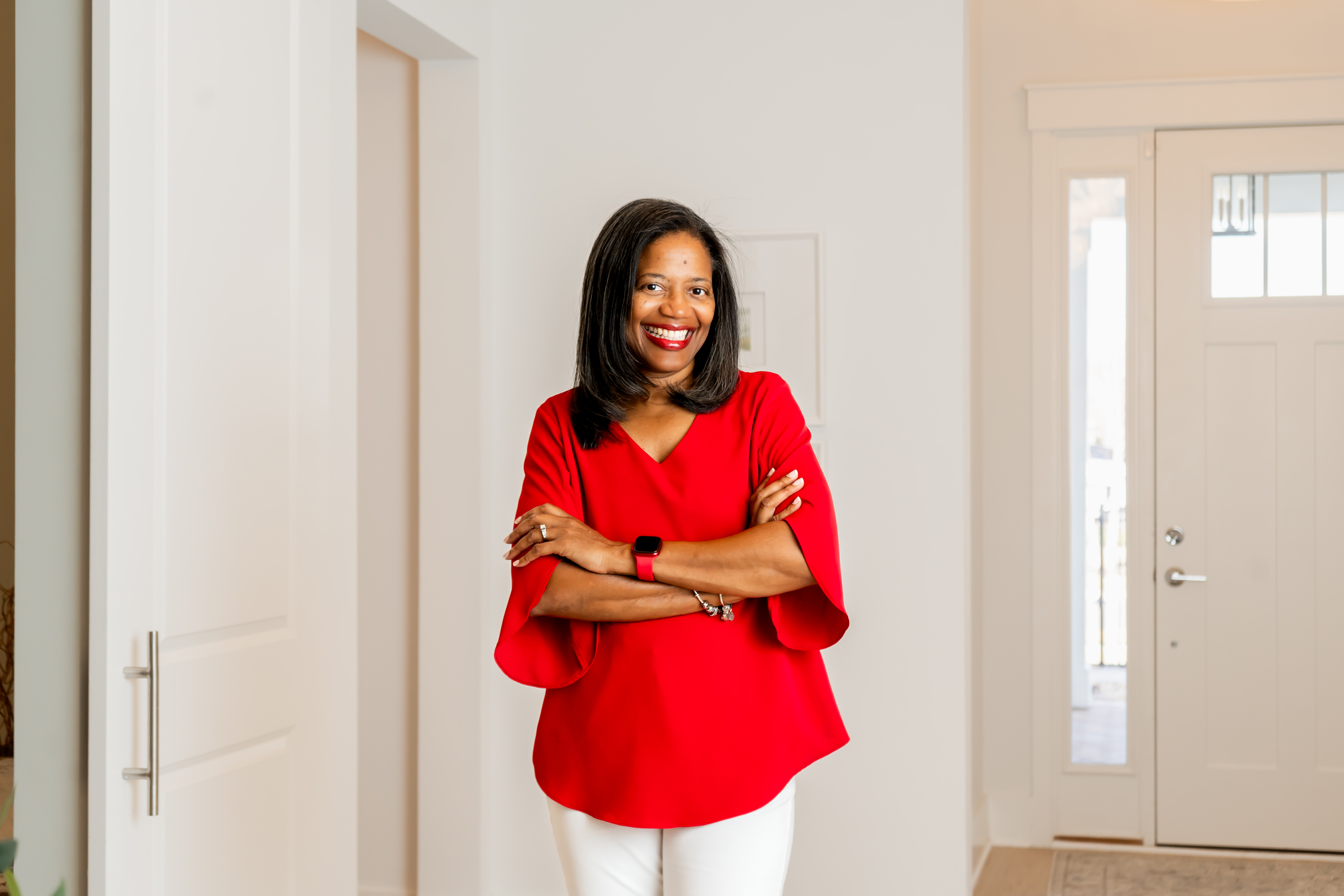
Why Real Estate Is Lonely, and What Traci Crawford Did About It: The Business Partner Model That Changed Everything
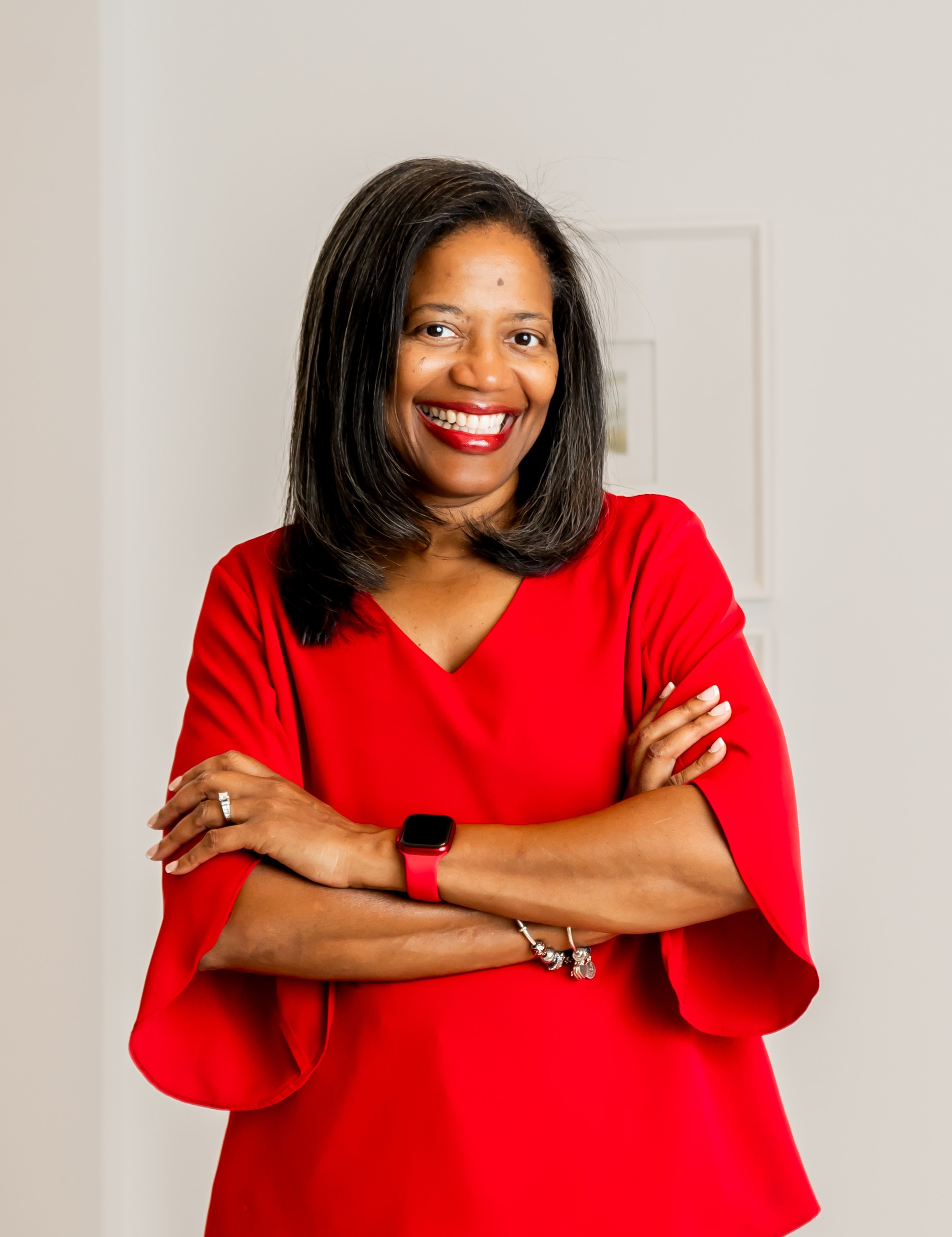

Why Real Estate Is Lonely, and What Traci Crawford Did About It: The Business Partner Model That Changed Everything
Real estate has a loneliness problem. It is an industry that celebrates independence, rewards individual production, and structures most of its financial incentives around solo performance. Agents work largely alone, carry their stress alone, troubleshoot their deals alone, and, when things go sideways — as they inevitably do — absorb the weight of it alone.
Traci Crawford knows this reality well. But she also found a way out of it — and the solution did not involve splitting commissions, forming a formal team, or changing brokerages. It involved building one of the most quietly effective business partnerships in Jacksonville real estate with another agent named Pamela, who joined Watson Realty within a month of Traci in late 2018.
“Real estate can be lonely,” Traci said. “It’s nice to know that there’s someone that’s in your corner, that’s rooting for you, that you know one hundred percent has your back.”
How the Partnership Was Born Without Anyone Planning It
Traci and Pamela met at the Watson Realty office in Nocatee during their first year in the business. Traci was recognized as Rising Star that year. Pamela earned Rookie of the Year. They were running their own independent practices, serving their own clients, and building their own books of business. But they were doing it together in a quieter sense — showing up for each other, consulting on deals, covering when needed, and being the first phone call when something complicated came up.
By the end of 2020, after both had moved to Engel & Völkers together, they decided to formalize what everyone around them had apparently already assumed was true.
“When we told everyone we were becoming a team, they were like, ‘We thought you were already a team.’ So it was news to everyone but us, I guess,” Traci recalled with a laugh.
Today, both operate as Global Real Estate Advisors with ONE Sotheby’s International Realty in Jacksonville. They both hold their broker’s licenses, earned within months of each other. And they continue to run what is, structurally, a highly unusual arrangement in an industry that tends to treat collaboration as either a formal split or an informal favor.
The Structure That Makes It Work
What Traci and Pamela have built is not a traditional team. There are no commission splits between the two of them. There are no designated roles where one handles buyers and the other handles listings. They are, by all measures, independent agents who happen to function as each other’s most trusted professional resource.
“We support each other,” Traci explained. “We call each other. She and I are the first person to call. If we can’t figure it out, then we reach out to the broker just to say, ‘Hey, what do you think about this?’ But generally, between our two collective heads, we come up with the answer.”
The coverage arrangement is informal and reciprocal. When Pamela was on vacation recently, she had a client closing on a home. She asked Traci to be present and help the client take possession. Traci did — and in doing so, naturally built her own relationship with those clients. When Traci needs the same, Pamela steps in. No invoice is sent. No tally is kept.
“This is a give-and-take relationship,” Traci said. “There are times when I need her, and she knows there are times she’s going to need me.”
The Blind Spot Problem That Every Agent Faces Alone
There is a concept in leadership development around blind spots — the areas where your own perspective is least reliable, often precisely because you are most emotionally invested. In real estate, those blind spots appear constantly: in pricing conversations where an agent has fallen in love with a listing, in negotiations where the stress of a deal has narrowed a professional’s options, in client interactions where the right move is not obvious from the inside.
What Traci and Pamela have built is, at its core, a mutual blind spot correction system.
“She and I see each other’s blind spots,” Traci said. “I may have my hair on fire about something. I can talk to her about it, and she’ll go, ‘Okay, I think you should do this, this, or this.’ Or I could be a little bit more assertive about something and say, ‘No, this is how I see it, and this is what you need to do.’ We do that for each other.”
The key to this dynamic is the separation between what clients see and what the two agents say to each other. With clients, both Traci and Pamela project the calm, composed confidence that comes from experience. With each other, they are allowed to be human.
“With our clients, we have to be confident, calm, composed,” Traci explained. “With each other, we can have our hair on fire. We can say, ‘Such and such happened. What do we do about it?’ Because we all have those moments. We’re all human, but our clients don’t need to see that. So we give each other that space to do that, and then we pull it together and support our clients.”
What This Model Requires to Actually Work
The partnership that Traci and Pamela have built is not replicable by simply finding another agent you like and agreeing to help each other out. It requires a specific kind of trust — one that is built through shared experience, mutual respect, and a genuine indifference to keeping score.
Traci uses a simple analogy to explain the philosophy: it is like two people who alternate picking up the check at lunch. One pays today. The other pays next time. Next time might be next week or three months from now, and the amounts may not be equal. None of that matters, because the relationship is not a transaction. It is a commitment.
“Whether it costs more or not, that’s not relevant,” she said. “Where your trust and relationship explodes at ten times, because she remembered that I bought lunch three months ago, and she’s going to get lunch today.”
This kind of professional generosity is rare in real estate precisely because the industry’s compensation structure makes every transaction feel zero-sum. The agents who can move beyond that mindset — who can genuinely invest in another professional’s success without requiring immediate reciprocal payment — tend to build the kind of businesses that compound over years rather than transact month to month.
The Confidence Layer: What a Business Partner Adds to Client Relationships
There is a secondary benefit to this partnership model that Traci identifies with particular clarity: it makes both agents more confident and more effective with their individual clients. Knowing that there is someone you can call at any hour, someone who will tell you the truth without flattery or fear, and someone who will step in seamlessly when life requires it — that knowledge changes how an agent shows up.
It is, in some ways, the civilian equivalent of the military camaraderie that Traci describes as one of the defining rewards of her thirty years in uniform.
“It was the camaraderie, the relationships, the coaching, the teaching, the mentoring — being able to give back,” she said of her military career. “Every minute.”
That same ethos now runs through her real estate partnership. The relationship with Pamela is not a business arrangement that happens to involve friendship. It is a friendship that happens to produce exceptional professional outcomes.
A Model Worth Considering for Agents at Every Stage
Traci’s story is particularly instructive for agents who are a few years into the business and beginning to feel the weight of operating entirely alone. The early years of real estate are often consumed by the urgency of building a pipeline, and the idea of investing time in a professional peer relationship can feel like a luxury. It is not. It is infrastructure.
The agents who build their practices on genuine mutual support — not transactional favors, not formal team splits, but authentic professional partnership — tend to be the ones still in the business a decade later. They have someone to call when a deal goes sideways at 9 p.m. They have someone to cover a closing when a family emergency arises. They have someone who knows their business well enough to step in without disrupting a client relationship.
“People want to be seen and heard. And that’s what Pamela and I have done for each other — and for our clients.” — Traci Crawford
The Bigger Picture
For Traci Crawford, the partnership with Pamela is one expression of a broader philosophy about what it means to serve people well. Whether she is guiding a military family through a sight-unseen purchase, navigating a challenging listing conversation with a seller who has priced too high, or simply being the calm voice on the other end of the phone for a client who is panicking about an inspection report — the through-line is the same.
“Real estate is more than just selling a house,” Traci said. “It’s a story for each family, and it’s creating new lifetime memories that will live on forever.”
Real estate does not have to be lonely. But building the kind of professional relationship that makes it otherwise requires something that no certification course or brokerage orientation can provide: the willingness to invest in another person’s success as generously as your own, without keeping score, and without knowing exactly when it will come back around. Traci Crawford found that person in Pamela. The question worth sitting with is whether you have found yours.
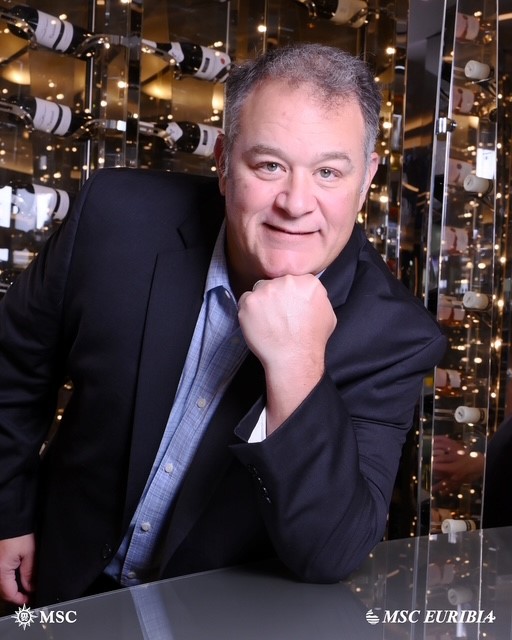
Host of Real Estate Excellence | Mortgage Loan Officer NMLS #23368
Tracy Hayes is the host of Real Estate Excellence, a podcast dedicated to bringing you real conversations with top-performing real estate professionals across Florida and beyond.
A mortgage loan officer with nearly two decades of industry experience (NMLS #23368), Tracy brings a unique perspective to every interview — combining deep lending expertise with a genuine passion for the people and stories that shape the real estate industry.
Based in Northeast Florida, Tracy has spent years building relationships with the agents, brokers, team leaders, lenders, and coaches who are setting the standard in today's market. Real Estate Excellence is his platform for sharing their unfiltered insights with agents and real estate professionals who want to grow, lead, and succeed.
How Next Level Agent Support Built a 100-Agent Client Base in 18 Months Without Spending a Dollar on Advertising