Building a Real Estate Team with Your Mother-in-Law: Holly Frandsen's Blueprint for a High-Trust Partnership
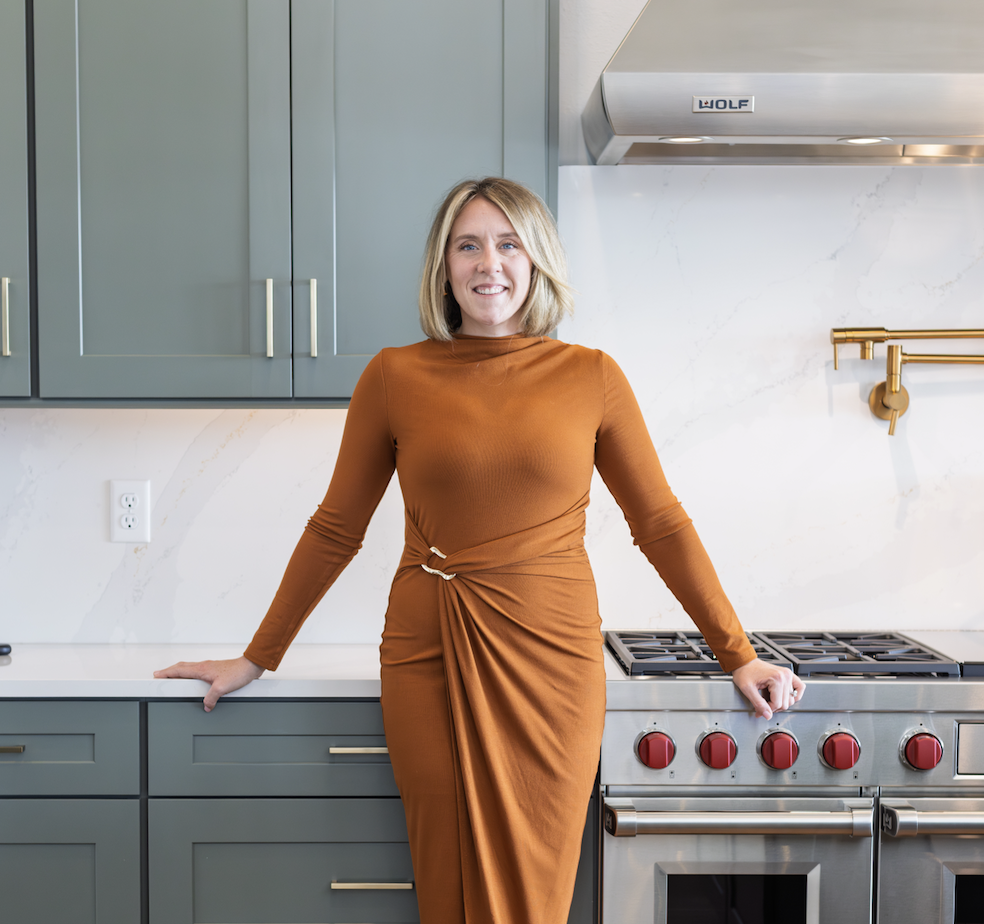
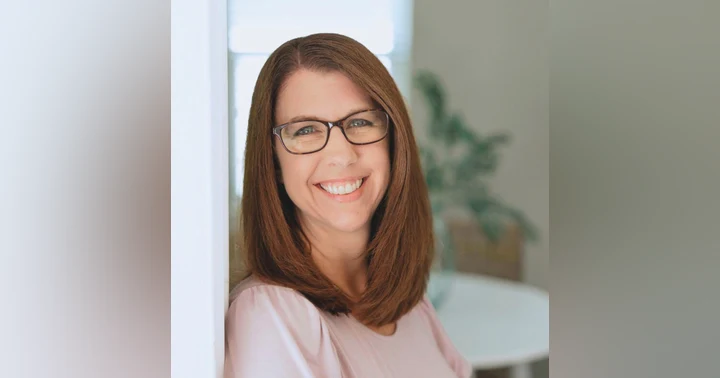
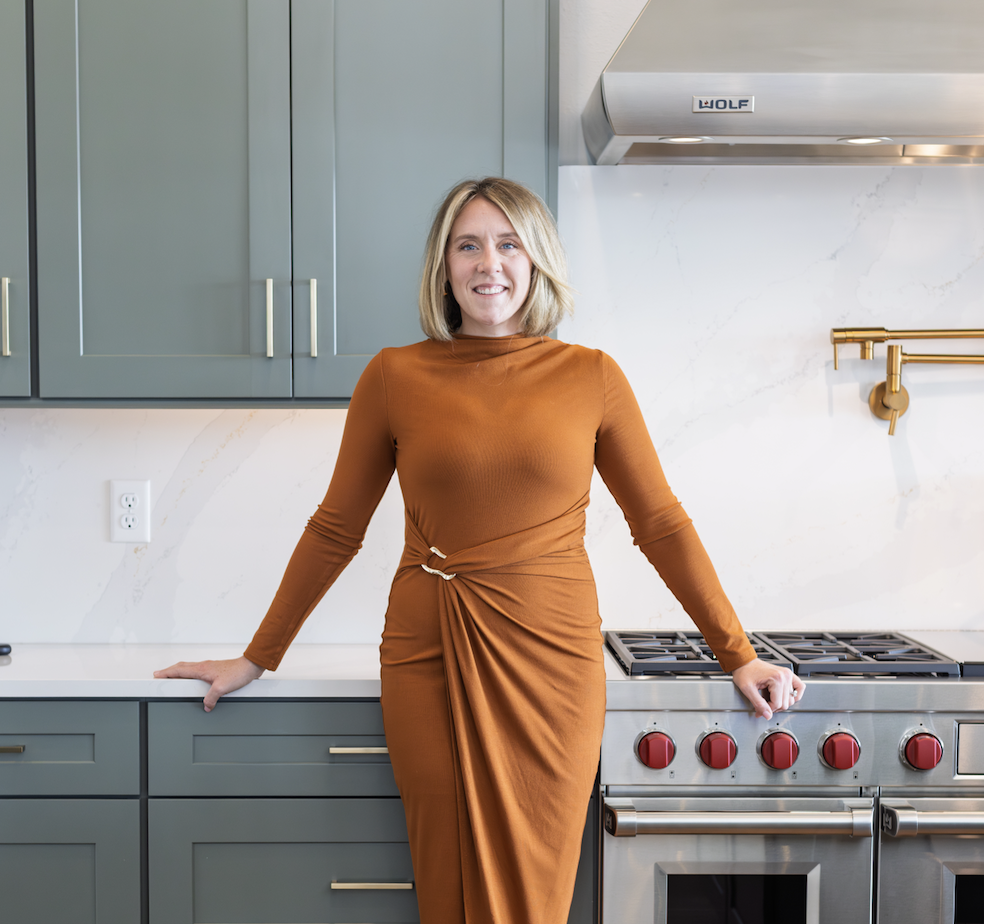
When Holly Frandsen decided to merge her marketing background with her mother-in-law Tracy's fifteen-plus years of real estate experience, the business case was clear. The personal dynamics were a different conversation entirely. Building a professional partnership with a family member — especially a mother-in-law — requires a level of trust, communication, and mutual respect that most business structures never have to account for. And yet, the Frandsen Team at Christie's International Real Estate First Coast has made it work, quietly building one of the most productive and referral-driven teams in the Jacksonville market.
In a candid interview on the Real Estate Excellence Podcast, Holly Frandsen opened up about what it actually takes to build a team that works — not just on paper, but in practice, deal after deal, listing after listing.
Why the Partnership Made Sense on Paper — and in Practice
The idea of merging forces came naturally from the complementary nature of what each woman brought to the table. Tracy had deep transactional knowledge, a detail-oriented approach honed over a decade and a half in the industry, and a well-established client base. Holly came from a professional marketing background, with experience in social media strategy, branding, and content creation that Tracy's business had not yet tapped into.
"With my marketing background and her experience and detail-oriented manner, it seemed like a perfect fit. A big thing with us is that we lean on each other for just about everything."
But identifying complementary skill sets is the easy part. The harder work is aligning on standards — the expectations that govern how each client is treated, how each listing is presented, and how each showing is conducted. For Holly and Tracy, that alignment was non-negotiable from the beginning.
"We've kept our team small for a reason, because we have the same expectations for our team, for our clients, that one another does. Whether it is with showings, with how we present at a listing presentation, we have those expectations. And I think that's very important because sometimes when you do get too big as a team, you can grow a little bit big for your britches. The quality's not necessarily there."
This philosophy — prioritizing quality over scale — is a deliberate choice that runs counter to the growth-at-all-costs mentality that dominates many real estate team conversations. For the Frandsen Team, six agents doing exceptional work is worth more than twenty agents doing inconsistent work.
Navigating the Family Layer
Business partnerships require trust. Family relationships require grace. A business partnership with a family member requires both simultaneously, with the added pressure that disagreements do not stay at the office. Holly is direct about this reality.
"It takes a strong relationship to go into business with family, but also with your mother-in-law. We joke that if we can be successful in real estate, imagine what we can do for you, because it takes a lot of trust. You have to learn each other on the business side as well as navigate the family side of things."
The fact that the relationship has remained strong — and that Holly describes herself as genuinely blessed to have Tracy as both a partner and a mother-in-law — speaks less to luck and more to intentional communication. Holly does not compartmentalize the professional and personal; she acknowledges they are intertwined and manages them accordingly.
For clients, the family dynamic actually becomes a selling point. When Holly reveals that she and her business partner are mother-in-law and daughter-in-law, the reaction is consistently one of surprise and then warmth. It signals something genuine — two people who could have kept their professional and personal lives separate but chose to build something together instead.
The Listing Appointment Model: Both Hands on Every Deal
One of the most distinctive elements of the Frandsen Team's approach is the commitment to showing up together — for everything. Both Holly and Tracy attend every listing appointment. Both show up to showings whenever possible. This is not accidental; it is a deliberate signal to every client that they are getting the full weight of two experienced professionals, not a team where one agent handles intake and another handles execution.
"We want every single listing to know that they get the best of both worlds. I talk a lot on marketing, and I have a big background in that, so it makes someone feel a lot more confident when they hear specific things from me in terms of the marketing world. And then Tracy has so much depth to her real estate business and background."
Holly acknowledges that, as a newer agent in years of formal licensure, there are moments when clients might initially underestimate her. The presence of Tracy — with her deep transactional track record — immediately shifts that dynamic. And Holly's marketing fluency, in turn, gives confidence to sellers who want to know their home will be aggressively and strategically promoted. The pairing is additive in both directions.
Within individual deals, roles shift fluidly based on strengths. Holly leads on marketing strategy, content creation, and social media. Tracy leads on contract detail, negotiation nuance, and the kind of institutional knowledge that only comes from hundreds of closed transactions. But neither operates in isolation. Every deal has both signatures on it, metaphorically speaking.
"Certain things, like when it comes to the marketing, I handle the majority of that. She handles a lot of the detail-oriented work. If things come up in the contract, she knows that contract through and through. But we work side by side on every deal."
What a Collegiate Athlete Brings to a Real Estate Team
Before Holly ever wrote a real estate contract, she was a scholarship soccer player at Flagler College in St. Augustine — a small, relationship-driven institution that she credits with shaping both her professional instincts and her approach to building trust with strangers. The competitive discipline of collegiate athletics did not leave when she graduated; it translated directly into how she approaches her business.
"The determination and the focus is a really big thing. But also — if something doesn't work, you try it again. You try something else. You find a solution. That came with sports. If something's not working and we're not winning, we gotta figure out how to win. You might have to regroup. You might have to reset."
This capacity to pivot under pressure has proved valuable in a market that has shifted significantly over the past several years. When a listing is not moving, Holly does not wait passively. She and Tracy convene with their accountability group, reassess the marketing approach, and try something different — whether that means a new mailer sequence, a different lead image on Zillow Showcase, or bringing a coffee truck to an open house to drive foot traffic.
"I joke that I'm determined to sell your house. If you choose me, we will sell your house."
The Accountability Group: Raising the Floor for Everyone
Beyond their internal team dynamic, Holly and Tracy have helped create something rarer in real estate: a genuine peer accountability structure at the office level. A group of six to seven agents from Christie's First Coast meets monthly to share strategies, teach one another, and hold each other to goals they announce publicly to the group.
The structure is deliberately manageable. Monthly — not weekly — because agents need space to run their businesses without being consumed by meetings. Each session begins with one agent teaching on their area of strength. Holly typically leads on social media and content strategy, walking colleagues through the mechanics of reels, captions, and lead capture. Then each participant announces three goals to the group. Those goals are recorded. At the next meeting, the group asks whether each person followed through.
"Usually the goals are kind of smaller, where it's like, send out mailers to your farming area, or really dive into your CRM system and make sure it's organized and detailed with tags. It doesn't have to be anything insane, but it's baby steps to get to a bigger goal."
The accountability is gentle but real. Nobody wants to walk into the next meeting having not done what they said they would do. That low-grade social pressure is, in Holly's experience, enough to move people from intention to action.
For agents building or joining teams, Holly's story offers a clear lesson: the best partnerships are not formed around similarity. They are formed around complementarity, shared standards, and the kind of mutual respect that holds when the market gets hard. Whether that partner is a colleague, a friend, or — in Holly's case — the woman who is both her mother-in-law and her most trusted business collaborator.
The Frandsen Team joke that if they can succeed in real estate together as mother-in-law and daughter-in-law, they can navigate anything for their clients. Based on their results, it is not just a joke. It is a proven track record.

Host of Real Estate Excellence | Mortgage Loan Officer NMLS #23368
Tracy Hayes is the host of Real Estate Excellence, a podcast dedicated to bringing you real conversations with top-performing real estate professionals across Florida and beyond.
A mortgage loan officer with nearly two decades of industry experience (NMLS #23368), Tracy brings a unique perspective to every interview — combining deep lending expertise with a genuine passion for the people and stories that shape the real estate industry.
Based in Northeast Florida, Tracy has spent years building relationships with the agents, brokers, team leaders, lenders, and coaches who are setting the standard in today's market. Real Estate Excellence is his platform for sharing their unfiltered insights with agents and real estate professionals who want to grow, lead, and succeed.
Florida HOA Compliance, AI Tools, and the Human Touch: How Transaction Coordinators Navigate the New Real Estate Landscape