
The Conversation is the Currency with ReadTomato's Jim Cronin on Getting Recommended by ChatGPT Ep 350
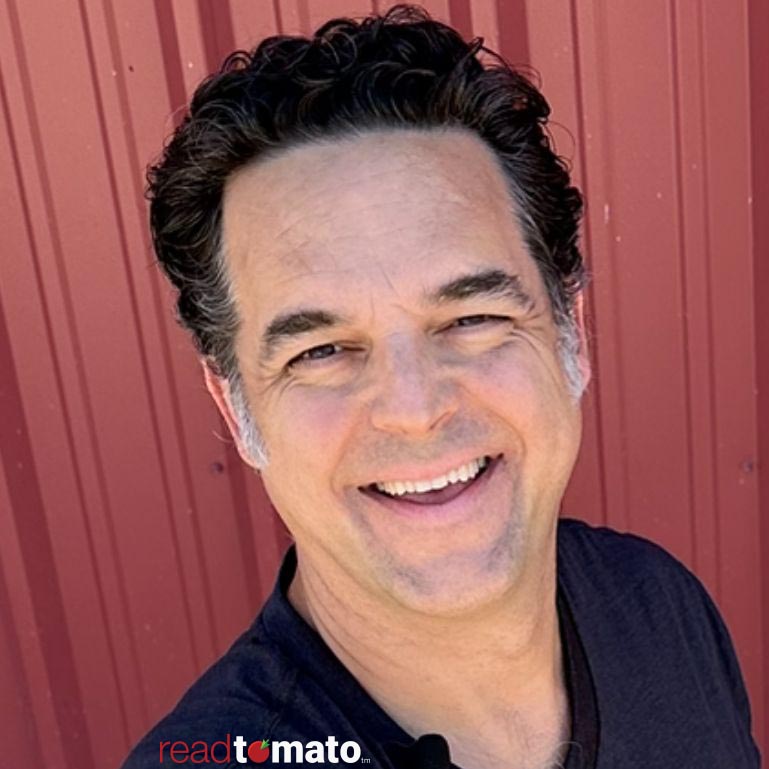
Jim Cronin, owner of ReadTomato, returns to the Real Estate Excellence Podcast to show agents how one conversation can become the content that gets them found on Google and recommended by AI tools like ChatGPT.
Jim walks Tracy Hayes through the Hot Take Engine: one hour-long interview a month becomes eight blog articles of 1,800 to 2,400 words, plus social posts for LinkedIn, Facebook and Instagram, all in the agent's own voice. He explains why generic AI content does not build authority, why detailed Google reviews matter more than five-star one-liners, and how ReadTomato builds buyer personas to test which local experts AI actually recommends. Jim also opens up about running much of his company on AI agents, the guardrails and checking agents that keep them from drifting, and why every client conversation should be recorded. If you want AI to name you as the expert in your market, start here.

 Apple Podcasts

 Spotify

 Overcast

 Castro

 PocketCasts

 RSS Feed
What if one conversation could transform your online presence and help potential clients discover you through AI?
In this episode of the Real Estate Excellence Podcast, Tracy Hayes sits down with Jim Cronin. Jim Cronin, founder of ReadTomato, joins Tracy Hayes to explain how artificial intelligence is transforming real estate marketing and online visibility. Jim shares how his Hot Take Engine turns a single one-hour expert interview into eight detailed blog articles, social media posts, short-form videos, and searchable content that reflects an agent's authentic voice. He explains why traditional SEO is no longer enough, how AI-powered search engines identify local experts, and why original insights, relevant content, and detailed client reviews are becoming increasingly important.
Jim also reveals how he uses AI agents to automate much of his business, improve content production, and build repeatable workflows without extensive coding knowledge. Tracy and Jim explore the importance of human oversight, AI guardrails, content longevity, and building a strong digital foundation that agents control. From turning podcast interviews into long-term marketing assets to measuring AI visibility and improving client engagement, this episode offers practical insights for real estate professionals looking to remain competitive as AI changes how consumers find trusted experts.
Discover how your expertise can become your most valuable marketing asset. Listen to the full episode and learn how to turn everyday conversations into content that continues working for your business long after the conversation ends.
HighlightsTop of FormBottom of Form
00:00 - 13:07 Creating Content That AI Can Find
- Repurposing YouTube videos into website content
- Turning interviews into blogs and social posts
- Understanding SEO and AI search optimization
- Why generic AI content fails to build authority
- Finding relevant topics through market research
13:07 - 22:25 Winning Visibility Through AI Search
- Lessons from client AI coffee chats
- How AI Overviews affect search traffic
- Opportunities for hyperlocal real estate experts
- How AI personalizes search recommendations
- Testing AI recommendations with buyer personas
22:25 - 34:02 Turning Expertise Into Marketing Assets
- Defining audiences and content goals
- Creating eight blogs from one interview
- Producing social posts, reels, and answer hubs
- Expanding reach through media and PR
Building websites and earning meaningful reviews
- 34:02 - 50:36 Building AI Agents That Work
- Managing daily operations with AI agents
- Automating repetitive business tasks
- Creating agents with simple instructions
- Connecting nine agents into one workflow
Preventing mistakes with human oversight and guardrails
- 50:36 - 1:12:33 Making Every Conversation Count
- Why blog content delivers lasting value
- Building authority through connected articles
- Understanding AI costs and efficiency
- Creating searchable hubs of expert answers
- Growing credibility through podcasts and PR
1:12:33 - 1:28:00 Measuring Results and Growing Authority
- Setting realistic AI visibility expectations
- Tracking visibility beyond lead generation
- Fixing website issues that limit performance
- Reviewing client results and monthly reports
- Using AI to improve sales and customer service
Quotes:
"Our job is to get in that conversation." – Jim Cronin
"You need to control your own place online, and that needs to be coupled with a Google Business Profile." – Jim Cronin
"You can't just hit the easy button and hope it all is just going to be right." – Jim Cronin
"The blog article pays dividends over and over and over again." – Jim Cronin
To contact Jim Cronin, learn more about his business, and make him a part of your network, make sure to follow his Website, X, Instagram, Facebook, and LinkedIn.
Connect with Jim Cronin!
Website: https://readtomato.com
Instagram: https://www.instagram.com/retomato/
Facebook: https://www.facebook.com/readtomato
LinkedIn: https://www.linkedin.com/in/jimcronin/
Connect with me!
Website: toprealtorjacksonville.com
Website: toprealtorstaugustine.com
SUBSCRIBE & LEAVE A 5-STAR REVIEW as we discuss real estate excellence with the best of the best.
#RealEstateExcellence #JimCronin #RealEstateTomato #HotTakeEngine #AIVisibility #AIOverviews #AIAgents #ChatGPT #ClaudeCode #RealEstateSEO #AnswerEngineOptimization #HyperlocalContent #ExpertInterviews #ContentRepurposing #GoogleBusinessProfile #ClientReviews #AIContentCreation #BlogArticles #AnswerHub #AIGuardrails #AIDrift
Are you ready to take your real estate game to the next level? Look no further than Real Estate Excellence - the ultimate podcast for real estate professionals. From top agents and loan officers, to expert home inspectors and more, we bring you the best of the best in the industry. Tune in and gain valuable insights, tips, and tricks from industry leaders as they share their own trials and triumphs. Whether you're a seasoned pro or just starting out, a homebuyer or seller, or simply interested in the real estate industry, Real Estate Excellence has something for you. Join us and discover how to become a true expert in the field.
The content in these videos and posts are for informational and educational purposes only. The information contained in the posted content represents the views and opinions of the original creators and does not necessarily represent the views or opinions of Townebank Mortgage NMLS: #512138.
[00:00:00] Jim Cronin: the thing that's gonna separate you from the AI is the authentic voice coming from an expert that has trustworthiness and some sort of accolade that can support the value of what they're delivering. So all these conversations that you're creating are absolutely content opportunities.
[00:00:51] Tracy Hayes: Hey, welcome back to the Real Estate Excellence Podcast. Most agents know they should be creating content, almost none of them have the time. So what if [00:01:00] one conversation could do a month's work of content and posting for your Facebook or Instagram and your website? Today's guest has spent years answering that question.
His company builds AI-ready content systems for services, business, real estate, home services, senior living, dentistry, and med spas. His hot take engine takes one expert interview and turns it into a month worth of blog and social content, all in the agent's own voice. He's been there, here before talking websites, blogging, and local directories.
A lot has changed since then. He now runs much of his business on AI agents, serving more than 200 clients, and a lot of the agents who have sat in the chair now work with him today. Today, we go deeper. How he runs the company on AI, what AI gets wrong, why your own voice still beats a prompt, and how one interview becomes an asset that keeps working long after it airs.
Here's the founder of ReadTomato, [00:02:00] Jim Cronin. Welcome.
[00:02:03] Jim Cronin: What's going on, Tracy?
[00:02:04] Tracy Hayes: Hey.
yeah, a lot has we've advanced a long way, and I, I'm really happy. It, it seems to be catching on, to the guests that we've had on and doing the introduction, showing the power, behind what you're doing.
And I've got another agent I wanna introduce you, 'cause the other day she was talking about... I know she had been to a conference, and they, they were talking about YouTube. And YouTube is great, but YouTube takes a lot more time, dedication, and let alone the money to video, you know, edit and so forth.
And I know that's probably one of your... O- one, one way your, some of y- some of your clients that you're talking to are looking at, should I do YouTube videos, or should I create the content and the blogs that you're doing?
[00:02:44] Jim Cronin: Exactly.
You know, actually, kind of a segue from that before I get back to that-
[00:02:49] Tracy Hayes: Mm-hmm
[00:02:49] Jim Cronin: is the audience that we've actually been really finding is a good fit for us are people who have created an enormous amount of content on YouTube, but have [00:03:00] never really amplified that in the written word, on their site for AI visibility. Because AI is looking at blog articles, pillar pages of your website, you know, your profiles, what other people are saying about you, et cetera, to decide whether they should be recommending you as an answer to the questions that your target audience is asking.
And if you're taking all this time to create all these great videos, and they could be five minutes long, 50 minutes long, you've taken all this forethought and production and time to really lay out some great answers, well, we can grab those transcripts now, similar to the way that we would have done a live interview, and then turn that into assets on the website quite easily.
It stays in your voice. It's still true to all the things that you were saying before. we can fact check it to bring it up to current if that's needed for any reason. So it's a great way to leverage things that you've already put a lot of work into and get a really running start, for creating great content that's gonna help you get [00:04:00] indexed better from an SEO and AEO perspective.
And then new videos that you're creating, we're just subscribed to your channel and we get notified immediately, and we do our thing right from there. So th- that actually eliminates the need for an interview if you are a heavy YouTube creator. Oh, that's interesting. But- Yeah. Yeah. Yeah. but you're absolutely right, you know, the YouTube work does take a lot of effort.
I mean, we all know everything from planning it all out, but setting up, you know, your environment, getting yourself presentable for your video, post-production, editing, you know, getting it up on YouTube, and all this stuff that- You gotta do to try to get that message out. And, if you're looking for an easy button, you know, we can help.
Oh, another thing too that we're doing for people who do YouTube videos, kind of as a side note, is we can actually audit your target audience's interests and what they're, asking about in ChatGPT, and what your competitors are talking about, and figure out where the holes are, might be in the [00:05:00] library of catalog- the library or catalog of content that you've already created, and provide you with suggestions as to what you should be creating content around, too.
There's a little side note for their YouTube thing. But, you know, all that work back to, like, creating a YouTube video, we could hit the easy button. We do the research for what we should be talking about. We interview you similar to you in a podcast style, but now we've got the transcript from that to create the content, and we're not so worried about your background and your appearance and you planning everything.
This is information that you should be able to rip off the top of your head and provide answers to. I mean, this is your wheelhouse. That's what we're gonna be talking about. Maybe you do a little prep for it just to make sure you got some stories aligned or some of your facts straight or, you know, pay a little bit of attention to some of the things that, would be giving forward advice on.
you know, how is a policy gonna affect the market, or how is the news affecting the market? And you get prepped a little bit, but the turnaround time would be literally just an hour of your [00:06:00] time to create so much great content for the month instead of how long it takes you to generate one of those YouTube videos.
[00:06:06] Tracy Hayes: Jim, s- really gumpify, really simplify for the listeners, because I-- obviously you and I know a lot of people have not caught on to this, of course you go on and, and you do get bombarded, at least I do, with commercials from Instagram, let alone emails or people who wanna do stuff for my show and all this other stuff.
But what it-- the AI and really when it gets down to basically... Now h- and, and you know, from what we originally spoke about, which I, I believe was, you know, hyperlocal, that's like an important term we wanna talk. You want someone in their own voice talking about hyperlocal, on the ground activities, subdivisions, whatever they're, they're doing to be that, that expert.
Has, as things started to expand a little bit as s- some of the hot points,like hyperlocal as far as content that you wanna be putting out there and, and things you wanna be talking about
[00:06:59] Jim Cronin: [00:07:00] So where we try to focus our content, source, like what do we wanna talk about? What are the things that are gonna be important to your audience?
that has to also take into consideration what does AI already know? What has it been trained on? Right. And what could it answer without you? And we need to stay ahead of that, and that's really where the opportunities lie. Because if AI can generate the answer, it's not going to cite somebody else who might have that answer on their website as the source of expertise for that
[00:07:36] Tracy Hayes: it's gonna save a little energy by not going out and finding it 'cause it already knows it.
[00:07:39] Jim Cronin: it.
It already knows it, right? Or it's founded in 10 different locations. Everyone kind of knows this already. I'm just gonna contextually summarize this for you and give you an answer and not need to quote anybody in particular for it. And there's another thing that people ar- aren't realizing is that if AI can create the content and you're [00:08:00] publishing that on your website thinking, "Oh, this is interesting content for my audience," you're not gonna get any extra visibility for that.
AI's not gonna cite you as the source of that expertise. They're, again, gonna skirt you because you didn't have an original thought in that publication. Yes, it's interesting information. Yes, it's been SEO'd. Yes, it has something to do with your market and would probably answer the questions of your audience, but it's not something that AI doesn't already know.
So it's not gonna give you any credit for that on your website. And so many people are paying for services, whether their web provider offers it or it's coming through something like Keeping Current Matters or whatever, where they feel like they're doing something for their website by adding all this content to the site that's been AI generated.
And in fact, it's separating them from being able to be visible. So we wanna
focus on-
[00:08:53] Tracy Hayes: Because it's AI slop, 'cause they're, they're just creating it from AI, AI. They're just going, "Hey, let's create this article for this [00:09:00] customer in Miami," and not, you know, without even talking to them and just creating this article about living on Miami Beach that is just AI just creating that.
[00:09:08] Jim Cronin: And it might be full of expertise. It might be true. It might be, really hyperlocal and good content. Those are all things that AI can do. But by taking that and just putting it on your website and clicking that easy button, for example, you're not giving yourself any visibility boosts for that.
Yes, it's good content, but is it gonna get you found? Absolutely not. And that's really where we try to live in our space in front of that. So we pay a lot of attention. Like, we have every, every month for a client, we're looking from the minute that first interview is done up until about nine days before the interview, what's going on in the market, where are the opportunities to be found, what's a visibility, option that we can take advantage of, what are their competitors talking about that's getting them, them some traffic, what does the news have to [00:10:00] say, what are the trends right now that people are discussing that AI doesn't necessarily have an answer and has to cite sources for.
That's where we're paying all this attention to, to build, a pool of potential topics to discuss. And then right up until the last minute before their interview, we boil that down To these are the 10 or 12 topics that we're gonna discuss in our call because we know these are gonna give us the best opportunity for visibility, as long as we're talking to an expert that has insight to provide that is valuable,
And that's
[00:10:31] Tracy Hayes: part of our- Can, can you give a, give, give us a, if, if you think off the top of your head, I'm gonna put you on the spot here, just a, like a couple of things that, maybe a client you worked with here today or just recently that, really sets those triggers off that you just mentioned.
You know, you did your nine-day research. what are some of the things you found and then you make sure that you talked about
[00:10:51] Jim Cronin: when- Yeah, it's,
it's like 21 days of research and then nine days before we stop doing the research 'cause we wanna put those topics in front of the client so that they [00:11:00] can review them and- Okay ... make decisions as to what they feel about those questions.
But examples might be, you know, the election. you know... Well, I guess it was elections. Yeah, the elections that we just had. It changed a lot of things for, a lot of the states, and there's gonna be new policies coming down the pike, that are gonna be rolled out coming in 2027, and how are some of those going to affect the market, for example, right?
Right. Or all of this talk about data centers now being sort of on the on the negative and people don't want this kind of stuff. So, how is that gonna perhaps affect the job markets and things like that in areas and people relocating to areas? So those are just perfect little examples of things in the news, that a agent who's been doing this for 20, 30 years and they've got a lot of insight as to how politics can affect the market, well, we might wanna discuss that.
And not necessarily discuss politics as much as the- Well- ... effect of politics
[00:11:56] Tracy Hayes: on the market
effect of politics.
Well, we, we had Amendment 3 here. Was that a big effect on property [00:12:00] taxes?
Yeah. so was the topic of discussion and now, now of course, after- Perfect example ... it, it got through and now all of a sudden all the politicians are talking about how, "Oh my God, we're gonna have to cut this and cut that." So now they're trying to do the scare tactic on us, but the people were a little smarter than that.
but the topic is going on right now, so it's, it's hot and everyone's still talking about it, even post-election.
[00:12:21] Jim Cronin: Yep. I mean, and, and all kinds of things change. There's a dip right now in all kinds of markets as we head into the holiday season.
So how does that affect, how a seller needs to, have an expectation of pricing their home when it comes to real estate, for example. Mm-hmm. Or a buyer might be able to find better opportunities right now that they wouldn't be able to find in, the summertime or springtime when things start to pick up again.
So we would discuss stuff that are timely based on the season, based on the news, based on politics, based on technological changes. You know, there's this whole PEST analysis we call political, economical, sociological, and technological, and how those stresses, cause people to behave differently and how that will [00:13:00] affect, you know, your target audience's behavior from buying and selling, investing, relocating, et ce- and all that stuff.
[00:13:07] Tracy Hayes: Yeah. last time y- you were on, we talked about coffee chats. what did they t- run, turn, end up turning into?
[00:13:14] Jim Cronin: So the coffee chat was originally meant to Really take the temperature of my client base's use of AI, understanding of how it will affect their business, and reveal to them that we're paying attention and we're on top of these things.
You know, this is a year ago or so when we s- when we were doing... Maybe even more, maybe a year and a half ago, we started doing these coffee chats. And it was really just to kinda take a survey of what is my client base. Realtors typically have been in business more than 10 years, all throughout the country, have their own website, understand the power of content marketing because they're our clients, understand SEO, understand blogging, and things like that.
and it really revealed to me that they knew of [00:14:00] it but weren't really leveraging any of it, because they didn't know where to start.
[00:14:04] Tracy Hayes: Yeah.
[00:14:04] Jim Cronin: And those coffee chats really solidified the game plan that we had, which was we wanted to help our clients create better content and more content for visibility.
We saw the release of the Google AI overviews about two years ago, and how much that was gonna start to chip away at SEO results, and the numbers are in. Right now, if your number one search result for something like homes in Jacksonville or whatever, or whatever the term might be, you're receiving 70% less traffic this year because of that placement than you were last year.
So AI use, chatbots, AI overviews, has absolutely t- eaten the lunch of standard SEO. Now, standard SEO is still important, because without it, your site isn't going to perform regardless of the kind of content that you [00:15:00] put on it. So we do need to still adhere to SEO standards, but the typical or traditional expectation is, "If I'm on page one, I'm gonna be getting some pretty solid traffic from that," no longer applies.
You're not seeing the traffic that you used to from clicking through by being a number one or two or three result for a particular keyword. The traffic is now coming from the chatbots, and we knew that, gosh, we better get ahead of this so that our clients are getting visibility that they deserve. I mean, our clients are...
been in business a while. They're experts. the target audience that's looking for an expert deserves to find these people, and they have all the foundational elements to make sure that they can be found, the experience, the expertise, the trustworthiness, the authority. We just need to make sure that they have some recent relevance to what people are asking about, which is back to the point of [00:16:00] how do we make sure that we're asking the right questions so that the answers that they're providing and the content that we're creating from it is going to gain them
visibility.
[00:16:09] Tracy Hayes: So-
can you say that, almost the David and Goliath thing, obviously with Google and everything, the Goliaths were owning that front page, right? Yeah. Obviously between advertising, paid advertising, which a lot of people go on Google, the first three, few things are obviously people who are paying to be there, and then, the rest of it.
But now with AI, even the David, real estate agent who just wants to talk about, you know, a few subdivisions and be a true expert on that, can really own that little, section of town if they want to, if they're providing the right content for AI to find it that it's for.
[00:16:47] Jim Cronin: When we started The Real Estate Tomato, which now has transformed into REED or Red Tomato, however you wanna pronounce it-
it was all about if you blog it, they will come. That was sort of the mantra [00:17:00] that we had. Mm-hmm. And that David could create great content around their niche, and they were the ones being found in the search results for it, regardless of all, you know, the big companies and the, you know, the realtor.coms and Zillows, and at the time Trulias and whatever that there was out there.
Now, and then that all kind of got eaten up a little bit for the, for like a decade there, and now with AI and, recommendation engines like ChatGPT, et cetera, they're going back to looking for who is the actual boots-on-the-ground expert for the niche questions that people are asking about. People don't search now with five keywords and then look through the 10 results.
There's so much more involved in how search, or in how a chat conversation gives you an answer. Your questions are longer. The history of your persona, you personally using chat for, say, two, three years, all of that history is [00:18:00] baked in how they consider an answer for you. So if they know things like, you're looking for a new job, or you've got two dogs and three kids and, you know, all this stuff that you've been talking about through ChatGPT looking for answers for your daily life, it takes that into consideration when it recommends things for you.
So the better that you can create content with your target persona in mind, the better you're going to align with that persona that's asking the question. It's not just a kind of a one-size-fits-all SEO anymore. All of that weighs on how the response is given by ChatGPT, coupled with the question, then they're trying to find the expert that's the best answer to the questions
that they're asking.
[00:18:43] Tracy Hayes: Am,
am I hearing you correctly? Your own personal, way your, your life and then your content is now being considered...
Am hearing you correctly?
[00:18:53] Jim Cronin: Yeah. Let me give you an example. So let's say I'm thinking of moving to Jacksonville as an option, right? And I say something like, "Hey, I'm [00:19:00] thinking of moving to Jacksonville, you know.
Could you find me a neighborhood that kinda suits, you know, my needs?" You don't have to give it all the background anymore. It's gonna know that you got a couple of dogs and a few kids, and your wife works from home, and, you know, you're gonna perhaps take that job in the
city or whatever.
[00:19:18] Tracy Hayes: Because of other, other things that you've been doing online. You- Exactly ... what you've been ordering, what you've been--
[00:19:23] Jim Cronin: all
this stuff, yeah.
Yeah. It knows you have two dogs because you've been looking up, you know, what's the best pet groomer or dewormer or whatever, right? Yeah. Yeah. Or whatever it might be. You know, it's got all of that in their head, so when it's recommending things to you, it's taking your history of conversation into consideration.
Now, that might not be true for all people who use ChatGPT. If you're using the free model, it doesn't keep as long of a history on you. Mm-hmm. but if you're paying for it, then they've got an enormous history on you because you're paying for it to understand you and your, repetitive behaviors and the things that you wanna build with it based on all that [00:20:00] you explain to it.
[00:20:01] Tracy Hayes: Wow, that-- so, that might be why my wife's been getting some leads on ChatGPT. I don't, I don't know, but she's clicking with the people moving here. That, It makes sense. it's just, it's out there, I think, for the average person. It m- the question that was coming to mind, when you're studying, you know, obviously what people are searching for, you must also be-- how are people actually asking the question?
Because I think the, the typical consumer isn't getting in-- like you and I ask it a question differently 'cause we use it all the time, so when we're asking, we- we're putting in some extra details to narrow down the answer to get as close to the, the best answer for our actual question. But not everyone's doing that.
Do you s-study kinda some of these, like, "Hey, I wanna move to Jacksonville," some of these general questions and how they're being routed to find, you know, solutions for that person who isn't so detailed on, on how they're asking
on the front end?
[00:20:54] Jim Cronin: Yeah, so we can't obviously access the chats of a target consumer [00:21:00] and figure out their behavior in that fashion.
But what we can do is build the persona and then use that information and ask questions from ChatGPT as that persona, right? And start to see how chat would generally answer some of that information. I can't narrow it down to two dogs and three kids and a wife working from home, et cetera, et cetera.
Right. And then all of that history as a, example of how we get answers, but I can build a persona of someone who is considering moving here with a family, et cetera, and seeing what communities it recommends. And then once it recommends a community, well, who's the best agent that could serve me to relocate to this area?
And then see who it recommends. So we have our, all of our clients, we build personas for the target audience, and then we run searches kind of as if we were that persona looking for how ChatGPT, for example,
is going to respond in those scenarios.[00:22:00]
[00:22:00] Tracy Hayes: Well, 'cause it, it generally makes a recommendation. It'll give an answer, but then ask you a question at the end.
"Hey, do you want me to do this? Do you want me to find a real estate agent for you?" I would imagine it asks
that question-
[00:22:08] Jim Cronin: Mm-hmm ... when you're looking at it.
And our job is to get in that conversation. Yeah. That's our whole goal. We call it AI visibility, but it's ultimately, how do you become part of the conversation your perso- your target, avatar is having with ChatGPT where you should be
a recommended service?
[00:22:25] Tracy Hayes: All right, so walk us through the Hot Take Engine as an agent sits down, now, and, and so the audience knows, obviously, my conversations with the real estate agents, we take the transcript from the podcast now and create great blogs from it. And some of the agents, well, many of the agents have been very impressed, and obviously have, signed up with Jim and are doing work with him.
But Jim has many more clients than that, than I've had on the show. He has clients all over the country. What is a typical, scenario looked at each month that you're working with them, as an agent sits down with you and,
and what happens?
[00:22:57] Jim Cronin: Well, we wanna be the easy button for them [00:23:00] because, they're busy people.
it's not something that they necessarily, are able to carve out a lot of time for, but we need to get results. So it all starts with an onboarding conversation, and the onboarding conversation is figuring out everything from, you know, their brand standards, what are their, wheelhouse topics, you know, what are the things they wanna start being found for, what are the...
what shouldn't we be discussing? Who else might we wanna have in the conversations if it's not just them? Maybe they have a partner or other people in the office that would be interesting to also have in there. And then who are some of their competitors that they feel that are doing well, that they'd like to supersede in the results?
And then we would dive into, most importantly, who's the target avatar that we're after? And it can be several. It doesn't have to be just one. But the better defined understanding of who it is that we're trying to jump in front of or, be part of the conversation with, the better results that we're gonna [00:24:00] get.
So we get all this information from an onboarding call, and then all of that, is used to establish the first set of questions that we're gonna ask, and those are typically kind of top of funnel. Those are kind of broader as we're trying to kind of get a feel for who the client is and who the target audience is that we're after.
And we start to ask questions just by having a one-hour interview, and it can be frank. You can do it on your phone. You can do it in your kitchen. You can do it wherever that you'd like, as long as I can get you talking, and you answering these questions and your undivided attention for one hour.
After that hour, about five business days later, we have created all of the content for your blogs, and it goes up into a dashboard so that you can go and see all of that content and easily edit it, and that is fully SEO'd. It's beautiful, and it's got great imagery, calls to action, outbound, inbound links.
It's all been fact-checked. it's just great. And the content [00:25:00] that you need to understand here is not AI-generated. We are not AI-generating the content at all. We're amplifying your voice and polishing it for presentation and for SEO. So it's typically 85% your voice Maybe it was cleaned up a little bit if you had a lot of uhs and ums or run-on sentences needed to be clipped or whatever.
But ultimately, it's you and your answers where we've just come in to make sure that the presentation of it is going to land and h- checks all the boxes that we need to check for visibility. So the content is not AI created. It's human created with polishing, and it'd be foolish for us not to. At that point, the client can come and review and edit anything that they like, and then with their approval, it would just schedule and publish on their website twice a week.
So maybe a Tuesday and a Friday or a Monday and a Thursday, whatever it is that they would like. And the content just automatically publishes based on their approval. And some clients just check approve right off the top because they've been with us for [00:26:00] so long. They just know that we're putting out great content, so it's okay.
And also, we create social media content from the same interview. So one interview, eight blog articles are typically 1,800 to 2,400 words long. And then you get social media content for LinkedIn, Facebook, and Instagram, and they're all different, and they're all tailored specifically for each of the channels.
Again, great imagery, nice blurbs, all the hashtags, calls to action, everything that you need to feel that it's a professional content. We are not your social media managers, so we don't publish that content. We are your content partners in that, where we build this dashboard where it's a one-click publish to your Facebook, Meta rather, and/or LinkedIn accounts.
On top of that, now we're doing reels. So we grab your voice, right out of the interview. So if you've said something really compelling, it was maybe a 20, 30-second clip, we can pull that up, clean it up again. It's your voice, and [00:27:00] then we build really cool graphical reels and/or video clips from the call itself or a mix of the two.
So you got these 20 to 45-second reels that are beautifully branded and ready to go for you as well And then on top of that, we build a question hub. So if you've been with us for at least six months, we have six months of transcripts and all the questions that you've answered from that, and we build on your website like a FAQ on steroids, where it is a full gallery that's searchable, sortable, fully indexable by the search engines, it's really great for SEO, of all the things that you've answered.
So it's all in this one kind of answer hub that we build. And then every month afterwards, that transcript from the new interview then gets run back through the answer hub to see if there's any, you know, duplicates or updates, and then we present those back to the client. Here's the new 12 or 15 or 20 [00:28:00] questions that you answered we're gonna add to your answer hub.
And with their approval, the new answers go onto their hub, so it's growing and growing
and growing. It's
the,
[00:28:06] Tracy Hayes: the
question- And finally- Okay, go final- go finally
One more thing Finally.
One more thing.
[00:28:11] Jim Cronin: We're about to launch it. I've just, I just put the finishing touches on the proof of concept today, where we are a PR firm now with that same content.
So we now reach out to media outlets, bloggers, podcasters, influencers, you know, whatever it might be, associations, business hubs, and say, "Look, we have this expert that's one of our clients that has this to say about what's interesting today, what matters now to the audience. Are any of these nuggets something that you would like to either quote or link back to or interview, our client for or what have you?"
So we're pushing for PR work as well from that one hour. So one hour gains you blog articles, social media reels, a
hub, and a PR [00:29:00] firm.
[00:29:00] Tracy Hayes: Well, I mean, you know, well, you and I have, have been talking and working together on different ideas for a while, and I'm always think of all the tangible benefits, and another opportunity, you know, maybe the local, TV station or whatever picks you up for some little quick, you know, sometimes it's only 15 or 20 seconds, but it's the PR.
But then if it's a, you know, maybe you get picked up by a podcast and there's a whole 'nother conversation that you're having, a whole 'nother transcript that can be developed, gets, can be put back into the Hot Take engine and creating more and more content. I'm just thinking here, and I, I hope there's some new agents listening.
Can you think of anything right now Where if you, if I was a new agent getting started right today, or maybe an agent who, who does have experience but really hasn't been doing anything,consistently online, their website's probably attached to the brokerage and is probably just a landing site really, you know, with a little bio on it, with nothing, where they can come and sign [00:30:00] up with, ReadTomato and within, you know, like you said, six months you're churning out these FAQs which really start to set the
world on fire, I would imagine?
[00:30:09] Jim Cronin: Yes. So what was the question exactly?
[00:30:11] Tracy Hayes: Like, what, what was- Just, well just can you think of anything else that could really make a dent, really put you out there faster than what you're doing w- with the Hot Take Engine and ReadTomato?
[00:30:23] Jim Cronin: Yeah, well, if you don't stick your flag in the sand and establish your business as something that is solidly online as yours, you're making a mistake.
So you're gonna need some kind of website that's got your brand tied to it. Who knows how long you'll be with the brokerage you're with. If you're relying on a page on their site and something happens, they sell, you decide to move or whatever it might be, you lose all of that visibility. You need to control your own place online, and that needs to be coupled with a Google Business Profile.
And as of [00:31:00] yesterday, ChatGPT actually just launched, I don't know what they call it, maybe ChatGPT, Business Profile or something like that. But you can also claim your business similarly on ChatGPT, which gets it into their index as a, officially verified business, which is important. And then the most important thing that you can do that I can't help you with, besides, you know, having a website and getting your profile online, is getting reviews.
Google reviews are gold, and those reviews can't just be, you know, "Tracy's awesome. He answered all my questions, was there for everything every step of the way. Five stars. I'd recommend him to everyone." That feels good, but that is a terrible review. You need a review that is a story, that your client who left it tells you what they were looking for, what their challenge was, how you came and understood it and offered solutions, what went down, how well it went, and then five stars.
And if they can drop keywords in there about the [00:32:00] communities that they were looking at together or the one that they decided on or services that you offered, you know, military relocation or whatever it might be, all of that helps. We need the reviews to be a reflection of your claims. So your website is your claim.
"I specialize in this. I have these communities that I'm, you know, an expert in. I offer these services. I've won these awards," et cetera. That's all a claim. When your audience is leaving reviews that support those claims, that is a huge win from what's called a trust signal, and it's one of the main things you need for AI visibility and SEO, is other people claiming that you're very good at what you claim to do.
That's the one thing that you've gotta put... if you're gonna do anything for 2027, is figure out, "How do I get 30 reviews on my profile that will clearly establish that I'm good at the things that I claim to do and I'm not
just a good person who answers the phone.
[00:32:57] Tracy Hayes: Right. But, what [00:33:00] I guess what I-- just to go back to that question, this is something that can move the needle fairly quickly, more so than
posting on Instagram.
[00:33:08] Jim Cronin: Yeah. The problem with posting on Instagram is, A, there's a lot of work involved typically to get something that's quite nice. You have to think of a good idea. Mm-hmm. And then it's on a platform that people are not using for research typically. They're just enjoying it for the moment. They're scrolling to the next one, and that visibility is gone.
It's not going to pay it itself back any longer. it just gets buried deeper and deeper and deeper. People who are using chatGPT, for example, are usually typically trying to learn something, resolve something, get better information about something, find a recommendation for something. It's not a scrolling experience to where Instagram, all that work and effort and stuff, it's a thumb swipe away, and they'll never see it again, and you're not gonna be relevant to, you know, the [00:34:00] audience beyond the next thing that
that they're interested in.
[00:34:02] Tracy Hayes: Right.
you've run a lot of ReadTomato on AI agents now. We were talking about the other day and you were giving me some coaching and I've created some great things, using AI agent, but what does that look like on a normal
day for you working with clients?
[00:34:16] Jim Cronin: So 90% of my day when I'm not on the phone is negotiating with my AI agents at this point.
I have a running tally of how many hours I have put into building what is basically a Claude code environment. and it's, 1,678 since February. So I have put in an enormous amount of time behind this, and the payoff is that I actually have a magic wand now. I can do anything that I can think of that- Do you have it there with you?
You, you showed me the magic wand. I have a- Yeah, I probably need to check it out. Yeah, I, I, it's real. I, I manifested it into a, a phone. And it blinks, so you know it's real, and it's got a disco ball that blinks on the end as well. Can you see it here? There we go. [00:35:00] So it's real though. I can wave this thing and do just about whatever I want.
I need to redesign a website. I can have it redesigned in hours as opposed to months. I need to run an SEO audit and get all of the items that are wrong on a website resolved for a new client, hours instead of months. I wanna build a reel that impresses a prospect on the spot. 10 minutes later, I have an incredible reel all branded with their voice, just gorgeous, ready to go as a gift to somebody right on a call while I'm talking to them.
Whatever it is that I wanna do and build, I'm just a couple of requests away, and I'm way past, at this point, all of the builds and the long conversations and all this. it knows me so well, I can just say, "I need to create an incredible reel that's gonna blow Tracy's mind today from today's call.
Go." And it knows what I want because I took the time to build the agent that builds the reels.
[00:35:59] Tracy Hayes: Yeah.
[00:35:59] Jim Cronin: And [00:36:00] now that functionality exists, and it works perfectly. All I worry about now is- Making it cooler, enhancing it, making it do different things. you know, offering it in a different format or, creating three reels at once.
One that's in this style, this style, and this style, and I can kinda choose what I want. So it's really neat once you get all these tools in place. You're no longer trapped in the pipeline build of it. You're literally just thinking about, how can I create things as quickly as possible, and how can I enhance them as well on top of it?
And it takes a lot of work, but once it's in, then... and people who are listening to this, you know, you don't have to put 1,600 hours in. This is what my business is built around. But you can take a dozen hours and really work on building a tool that will replace an enormous amount of manual effort that you have been doing, and you've got one feature now, this one tool that you can use, that all you're worried about is how to enhance it, not worrying about the many, many hours a month that [00:37:00] you used to spend trying to do that manually, 'cause it's gone.
It's just eliminated from your responsibilities
forever because the machine can do it now.
[00:37:07] Tracy Hayes: Yeah. I think that this, this next question we put in here, kinda brings us around to what you're talking about in, I think, the typical user. and I hate to use typical, but average versus, you know, you... The someone you walk on the street and you, you-- Some people, you mention AI, and they think you're talking about the devil or something.
I don't... You know, can't figure this out. Guess, you know, some bad publicity out there. the world's gonna be taken over, which I guess it could be. I don't know. You know, hopefully we have better, better people out there preventing that. But the difference between just asking ChatGPT a question and actually building an agent, and you've been deep in this.
I'm, I've been, you know, I, I'm gonna say I'm still playing with it, although I've, I think I've created some really cool things in, in developing it. But It's like having that, that all-knowing person that's like, "Hey, I got this thing I do every week of my business and, you know, how can [00:38:00] you help me just automate that to where I can just give you this, this, and that, and then you can do it?"
And it, r- really will walk you through it
in building these.
[00:38:08] Jim Cronin: Yeah.
It will. So, you know, the difference real quick is if you just hop on chatGPT and say, "Here's a spreadsheet of all my numbers, make it look beautiful, and, you know, give me some insights about it that I can send to my client," it'll do that.
It's like an agent in itself. But if you wanted to have a repeatable one where it's always using your branding and it always covers these 15 tasks every single time you run it, and I just need to just submit it to you and give you a single word command, like, you know, go spreadsheet or whatever it's gonna be.
Mm-hmm. It'll remember that command, know the entire list of things that you're expecting it to do, use all the assets that you want it to leverage, and then output it exactly like you're looking for every single time. And that's kind of going back to what I was saying. Once you have that pipeline in place where [00:39:00] I've given it all the steps that I need it to consider, all the assets that it needs to leverage, and my expectations of what should come out of it, and I've refined it from testing it a few times, okay, great, I got it where I want.
Now you can think beyond that. what else could I do with this? Could I now have you, as soon as I do it, email the client? Or could I have you, you know, compare it against the last ones that I've done and then build me a graph of how things have changed, and then keep that as part of the report? You know, you can constantly level up the skill itself because the agent isn't locked in time.
It's just waiting for you to tell it the next thing to do. And then building the agent's not that difficult. You can literally just say, "Hey, I wanna build an agent to do the following things. What are my steps to build this with you?" Yeah. And you need to come prepared as someone who's m- Knows what they want as an output and maybe even provide it with some of the steps that you go through to, establish it so that it makes logical sense to you how it built it and what the output is supposed to be.
It gets you to what you want faster. But [00:40:00] ultimately, there's no coding involved. It's literally... I mean, it's doing the coding, but it's literally you just kind of being the, the guide and
the expert that knows what you want on the other end and-
[00:40:12] Tracy Hayes: The visionary. I call it the visionary. You gotta have the, you have the vision.
Yeah. Tell it the vision, and then, I mean, even the devel- the vision develops over time 'cause you're go- you're talking to it and go, "Well, actually, yeah, I like that, but you know what? I just thought of something else. Can we make this, change the vision just a little bit and tweak it?"
'Cause I imagine you're still going back to the Hot Take engine and going, or, you know, like for instance, what was it last month, we talked about adding the agent's picture to the artwork that was going with the block, which is coming out great. And the a- it catches people's eye with a person in the picture, and of course, the agent sees themselves in the picture, then of course, they like it even that much
or their friends see it and they read the article.
[00:40:53] Jim Cronin: 100%. There's, and that's it. That's leveling up along the way.
[00:40:56] Tracy Hayes: Mm-hmm.
[00:40:56] Jim Cronin: The whole thing for me, back in February when I started all [00:41:00] this, I didn't know how to do any of this stuff. I'm a guy who sits behind a computer all day doing my job anyhow, but I had never got into the AI agents. They weren't quite ready yet for someone who was at my level to really explode with it.
But then it got there, and I started seeing the writing on the wall. I was following Twitter and Instagram and people talking about being able to build really cool things with very little technical knowledge. I'm a front of the house guy. I am definitely not the guy who runs all the PHP and Python code and all this stuff that I've- Mm-hmm
paid people over the years to do. I'm the front of the house, but I, I get it. So- I started the whole thing just by saying, "Here's the transcript from an interview that we did. Can you parse out all the nuggets out of this that would make for great blog content?" And I wanted to see if we can get eight of them out of this one-hour call.
And it did a great job. It said, "Okay, yeah, I was able to do that." So I had to build an agent that any time a new transcript lands in this folder on Google [00:42:00] Drive, I want you to grab it, and then pull out the nuggets, and then build the report for those nuggets, and that was step one. And it took me, I don't know, an hour to build the first one so that any time a transcript landed, in the end, I had these nuggets.
And then the next step was, okay, agent number two, take those nuggets and turn them into drafts for blog articles based on their voice amplified. I don't want AI written, all this stuff. You know, I had to give it all my guidelines of what I was expecting, because I had what we call SOP, standard operating procedure, for every step of the Hot Take engine.
We were doing it all manually for a year before I a- i- agenticized it or whatever.
[00:42:39] Tracy Hayes: Mm-hmm.
[00:42:40] Jim Cronin: And now, every single step, every single SOP was slowly built together so that it's now an, a series of, like, nine agents that first, as soon as the transcript lands, then it kicks off this whole chain of events that in the end, it ends up on the editing table for all the human editors to review, and then the client reviews, and then after [00:43:00] approval, an agent takes over and then publishes it to the website.
But again, each one of those steps needed to be built based on my vision of what I needed it to do, a clear SOP of how we were doing it as humans, and then it worked. And once I had the pipeline, the rest of the time I've just been spending ways to make it amazing, and better, and faster, and get better results, and
be a better customer experience and, you know, here we go All right.
[00:43:25] Tracy Hayes: Give it feedback. It, it, it wants your feedback and wants to know... I think you sum it up when we were talking the other day. I mean, just the, you need to know what you want. what is it that you want? Tell it what you want it to do. What is, what's the end product look like to you?
and it'll help you work there. And, and the term agents, and I think everyone listening right now, what Jim's talking about doing, and you may not wanna even deal with this. Obviously Jim provides a service that does all this stuff for you. He's doing all this. But there are some little things in your daily life that you can help doing, and I think some people, they hear it like the term agents, and I asked you the other day, what, what is, you know, [00:44:00] why would you have 10 agents?
what does the agent do? And you don't even, you don't need to know. You just, you need to have this conversation whether you're using Claude or chatGPT or, you know, hey, how many agents... Here's my vision. This is what I wanna do. How many agents should we have? And let it help you start to break that down and, and build that, you know, AI agent team to, to obviously what is the end product that you want.
What is it the end that you've
envisioned this creating?
[00:44:26] Jim Cronin: Yeah. just don't be afraid to ask it questions and have it guide you through, and
and take the wheel. It's amazing.
[00:44:31] Tracy Hayes: Yeah.
sometimes I have two going on at the same time. I'm asking
here and building over there.
You know?
[00:44:37] Jim Cronin: Yeah. Yeah. I,
I have typically 14. That's kind of my limit, and it's like multitasking master of I just have 14 lanes going at once. One is going through all of the, you know, looking at all of the, maybe issues or errors or items and things and helping me make sure that everything's polished.
I got another one that was a customer service inquiry that it's grinding through and [00:45:00] resolving. I got another one building a proposal over here. I got another one, you know, looking back at all the email conversations I've had with Tracy to boil it down to have a better podcast today. Yeah. Like, it's just every single day I got 14 windows open and I'm just running through, what AI can do for me to be able to accomplish
more in a day that's more impressive.
[00:45:20] Tracy Hayes: Yeah. well, we're all about AI, but AI is not always right. tell us about a time or tell us about some things that AI got something wrong, for one of your clients. How do you catch it? Cause I imagine you have some sort of, quality control, going on. Yep. You know, it misquotes somebody or spells
someone's name wrong or whatever it may be.
[00:45:39] Jim Cronin: Yeah. We've... Clearly we've had a number of, issues because, you know, it's kind of a reflection of what you put in sometimes. You know, the human kinda doesn't tell it what to do right, and you don't learn that there needs to be that guardrail until it spits it out wrong. one example was we had an article that went out in September, that just kept telling everybody that it was still 2025, not [00:46:00] 2026 on the article.
Mm-hmm. And, it got caught though. these are things that we have a human layer, actually two of them arguably. We have a three-stage editing process through three different human editors that look for different things. So one of them is looking for, you know, grammatical issues, one of them is looking for voice, one of them is looking for SEO, right?
And then any of the issues that they see come through the pipe on that, those are trained back into the earlier agents so that they now know to look for those things so they don't keep coming across wrong and have to get flagged by humans. So it's a self-healing or learning process. And then the last human layer is the client.
The client sees everything before it heads out into their website. Now, they don't read it all necessarily, but that is at least one opportunity for them to look at it as well. Right. we've had some other issues where, I think it was with you, every guest was labeled as a founder- Right ... in their bios, and, was not true.
And it just somehow got in there [00:47:00] that it wasn't, it wasn't the case and, you know, we clean it up and it doesn't happen again. Because once it learns, then you can not only change it as a guardrail, but then you can also build a checking system on it to say, "Hey, I wanna make sure you double-check all of this stuff as well."
So you got the prompt that learns with the guardrails, and then a checking agent that double-checks what it was supposed to do. 'Cause I find, and it's weird, but I do find that, AI can get kinda lazy in a weird way, and it's, it's referred to as drift, where if you didn't have guardrails on something and it kinda gets away with a mistake- It doesn't catch it itself, and then it just keeps kind of like leaning into that mistake along the way, and that's called drift.
It, like, it goes away from what your original intention was 'cause it kind of like you had, like, a leak in your rules or a leak in your act, your ask. Mm-hmm. So that's the one challenge with AI when you're building AI agents, and they're quite complex if you've got many tagged together, is [00:48:00] that have I built enough guardrails?
'Cause it doesn't know what it shouldn't or should or shouldn't do. You need to be keeping an eye
on that and-
[00:48:09] Tracy Hayes: give us an example of like a guardrail that, you know, a typical user, you know, if they're, were using AI or even some of the stuff that you're, you know, working on, what would you, what would you, what-- Give us an example a, what a guardrail would be.
[00:48:22] Jim Cronin: So a guardrail is, Okay, we have this client, his name is Kelly. AI thinks it's a she.
[00:48:29] Tracy Hayes: Yeah.
[00:48:29] Jim Cronin: All the time.
[00:48:30] Tracy Hayes: Yeah.
[00:48:30] Jim Cronin: All the time, right? And, I tell it, you know, I'll be like, "Hey, no, no, no, Kelly is a he," you know? And then I go back and I try to make sure that it's in his soul file, you know, 'cause we have our soul files we call it for every client, like, of kind of, like, their preferences and their brand standards and all these things, that, you know, Kelly is a he.
and every once in a while, somewhere one of the agents, right, drifts and logs Kelly as a she. and we catch it in the content, so you gotta go back and find where, which agent is it [00:49:00] that's not referencing the sole file. Sure, the sole file wrote the content great and it got it all through, but then agent six or whatever didn't understand that that guardrail needed to still be applied and flagged it as a she because Kelly is a female name in many cases.
Mm-hmm. So that's an example of a minor thing, but it's gonna upset the client if every time a post comes out it's she this and she that instead of he this and he that. Yeah. So... those are grammatical guardrails, but there's all kinds of them that, you know, you gotta be careful with, where you, you just gotta pay attention to the output.
You can't just hit the easy button and hope it all is just gonna be right, and that's why we have as many flags as we can, and we have drift checkers too. So we have drift agents that go through everything and look for any, like, where, hey, this article was written a little bit different than this one.
Why did the voice change in it? And then it tries to identify why did the drift happen, and then we build a guardrail to keep that from happening again. 'Cause if it gets away with it, it compounds,
and that's where drift comes in.
[00:49:56] Tracy Hayes: Yeah. Yeah. No, I, I've, well, we've experienced it when [00:50:00] just working with the agent set that we have, and obviously it's, well, it's a human who's not here, in front of you every day to see you. So it's working with something, and it's working through it so fast that, you know, those, that little he or she comes up, and, you know, if someone's not there to, to catch it and correct it g- a few times so that hopefully
it doesn't do it the fourth time, yeah,
[00:50:22] Jim Cronin: But if it gets away with it once, it's gonna get away with it twice, and that's where the drift comes in.
[00:50:26] Tracy Hayes: Yeah. '
[00:50:26] Jim Cronin: Cause then it, it forges a lane with that mistake And that's where you need to pay attention
because that drift will bite you.
[00:50:36] Tracy Hayes: I think this next question has a drift in it, just reading it, 'cause I can't-- you know, for the audience, obviously I had Jim.
I said, "What are some important topics we definitely need to get across to the audience?" And, and explaining, you know, this whole process, 'cause, you know, to go deeper than just me 'cause he-- this is his business. So he helped me create the question, but the, the question that came up through AI was one interview can feed a whole year of content.
[00:51:00] was that your term, or a whole month of content?
[00:51:02] Jim Cronin: No, well, the advertising is a month.
Arguably it could be a year if you stretch it. and the great thing about blogs, here I'm gonna spin the negative into a positive- ... is that unlike an Instagram post that is once swiped, it's gone forever- Mm-hmm ... from the audience that you're trying to reach, the blog article pays dividends over and over and over again.
We see articles that got very little traction out of the gate are now some of their most competitive placement articles a year later. It just so happened that it took a while before it really became a relevant and searched thing, and now it's really important and that blog continues to pay dividends because we published it a year ago.
So that's my spin on, on that drift.
[00:51:44] Tracy Hayes: Well, I, I think it brings- Yeah ... I think it brings up a very good point, though, because a lot of times when you're on the ground, obviously you have real-time information. It takes a while before those who are not on the ground where you're at before they start actually asking about that [00:52:00] because, you're seeing it, you're going on, you're talking about, "Hey, there's new restaurants going in.
There's subdivisions doing this and doing that," but no one's asking about that subdivision because it's so new and nobody even knows about it. But the immediate, you know, could be a year later, somebody asks you, says, "Hey, XYZ subdivision, what's going on there?" Boom, your blog all suddenly just lights up because it's got the, it's got
those terms in, in, real information in there.
[00:52:21] Jim Cronin: Y-
yeah, that is huge, especially in growing communities. That subdivision one where, I know Jacksonville has a lot of it, but we've got a handful of clients in the Vegas area, in that Summerlin area where there's constantly new developments being built out there.
These agents are like sharks on trying to get content out about what that, who that subdivision's gonna be for, when it's gonna be finished, who are the builders, what are the- Right ... model home types that are gonna go in there, you know, commutes and restaurants and services that are gonna be all around it.
And that's absolutely how you get in front of your competition when in a year when people are [00:53:00] starting to sniff around that new community that was, you know, kinda half built at this point. Right. You're gonna be seen as an expert that was way ahead of the game because you just did one in our, our interview talking about it.
[00:53:10] Tracy Hayes: Right.
what else can you build from what an agent already said out loud?
[00:53:16] Jim Cronin: I think we've got time for one more, don't we? What else can I build from what they already said out loud? Well, and I think that's kind of... So the interview, you know, it's not just that clip, you know, where we're just creating a blog article from it.
But it can satisfy all your social needs because it's your voice, your expertise, your insight, your wisdom, and that can be published into social, into reels, into frequently asked questions, and then, as I said, even at this point trying to get, from a
from a PR perspective, some inbound media interest in it as well.
[00:53:47] Tracy Hayes: let me twist that a little bit and go deeper. So, 'cause you know, I have not been using the social media, content that you provide, and on-- in this conversation, my head is starting to spin a little bit to have it go back [00:54:00] in, they talk about Gary Vee and these guys talk about, you know what I mean, their posts, some of them are posting hundreds of times a day, to, you know, I've seen some, people on, LinkedIn, like they're doing three and four posts a day.
You know, a few times I- I'll go in there a handful of times a day, and boom, there's another article or, or another post from them and, you know, coming up. and but the... what I'm thinking is, and correct me if I'm wrong, my initial thought is, you know, the post is not the full article, the full blog, but it's, it's gen- it's like a, it's generally some little s- It doesn't
snippets of it. But you're linking back, you're linking that one to that one, and all the back links that are going on from, you know, maybe you got someone on your Facebook page and they click on it, now they're linking over to your full blog over onto your website and that sort of thing. Is that kind of one of the, the,
the things that why you wanna be posting that material?
[00:54:47] Jim Cronin: Yeah, absolutely. So we wanna make sure that you are recognized as an expert within, like, a topic hub, if you will. So anytime we create content, before we publish it, we go and look [00:55:00] for all the opportunities that already exist on your website that could link back to this article, and then also this article, what could it link to that was already, published on the website?
And that's huge because you're training the search engines to recognize that not only have you looked at the subject from this angle, but you've also covered it from here, and here, and here, and here, and here. Mm-hmm. Really showing your expertise ar- around that topic. Similarly, with social media, if all your voice is sort of, like, in sync with the knowledge that you're pu- pushing out there, where my Facebook is claiming this piece of knowledge, my Instagram is claiming it, my LinkedIn is doing it, I got a YouTube clip on it.
All of that stuff pointing back really solidifies the strength of your, you know, your voice, your expertise, your experience,
your trustworthiness, et cetera.
[00:55:54] Tracy Hayes: now I got another, I got another bot to build. the Claude extension does [00:56:00] a lot, but I've learned with the Claude extension and then I'm starting to... and be honest with you, I'm, I'm doing this on, like, little to no budget. I mean, what I built the other day, 'cause I'm having the, basically these, these, uh, you know, quotes from past p-guests who've been on, 'cause I have all the transcripts in there.
Say, "Hey, give me a great quote from episode 160," and it'll, you know, I put their picture on there and it g-gives a standalone quote of them, and then post them up to pump them up a little bit. but, I used a free service to allow you to put 20 posts, free on Facebook, okay? So I didn't pay for that.
It's free. It's part of the free service. I've got basically, or chatGPT doing it. Yeah, I think it might be chatGPT 'cause I, I'm creating the, thing it's doing. Then I've got, you know, I'll have it literally go in and creates a bunch of stuff, and then just put it in Claude extension and onto my Facebook and say, "Hey, go ahead and post next week's material out."
And boom, it's doing that while I'm off on, onto something else. That only took... You know, what it would take me to do one post, I'm doing five posts or more. I could probably actually tell it to do a whole month long, on [00:57:00] there. And I think people, there are ways to do this without spending a lot of money on some of these,
connectors, right? Is that the term?
[00:57:06] Jim Cronin: Mm-hmm. Yeah.
I mean, it's amazing how cheap AI is if you understand how to use it.
All the hours that I've put in, I've also taught my team back in April, like, we even called the class, we still do it every week, Building a Magic Wand. That's the nickname for it. And we all meet on Wednesday mornings and talk about how we've used the magic wand that we all set up. I helped them set up their own in April, so my accounting team has a magic wand.
My marketing team has a magic wand. My development team has a magic wand. My SEO team has a magic wand. My editing team has a magic wand. So they all got their own ways to build, and it all comes together into, like, one big thing. The entire spend of everybody doing it since April, literally, I mean, I'm 90% of my day on it.
They're probably 60 to 75% of their day on it.[00:58:00]
See if
if you can guess how much it's cost us in,
[00:58:03] Tracy Hayes: I ...
[00:58:03] Jim Cronin: AI to do that. See if you can guess.
[00:58:06] Tracy Hayes: I
assume you're using the bigger package of Claude
on these. I am-
[00:58:09] Jim Cronin: Still, what do you think it's cost?
[00:58:12] Tracy Hayes: I mean, 500 bucks a month
[00:58:16] Jim Cronin: It's 10 grand total less, 9,000 something. I looked at it the other day when the accountant and I were checking it out.
Oh my goodness. Our total AI spend since February- Mm-hmm ... to now we're in November, is less than $10,000. That's one client over that period of time, you know, how much they would spend with us, for example.
[00:58:38] Tracy Hayes: Right.
[00:58:38] Jim Cronin: It's ridiculous how affordable AI is if you can leverage it properly. Buy the max packages if you need to.
That $200 a month or whatever is gonna be all you need. I spend only $200 a month for myself. The whole pipeline I think only costs us a couple of hundred dollars a month to run everything through it.
[00:58:58] Tracy Hayes: Yeah.
[00:58:58] Jim Cronin: And then every one of my [00:59:00] team members are either at the $50... I
mean, the $100 plan or the $200 plan, kind of depending on-
[00:59:05] Tracy Hayes: Yeah ...
[00:59:05] Jim Cronin: how heavy
[00:59:05] Tracy Hayes: they use it. 'Cause, 'cause they're in
it all day.
They're use... That's, that's their tool. That's their desktop really.
[00:59:09] Jim Cronin: Yep. That's their tool.
[00:59:11] Tracy Hayes: Yeah.
[00:59:11] Jim Cronin: But it's so cheap, it's unbelievable.
The greatest $10,000 I've ever spent, if you will.
[00:59:16] Tracy Hayes: Yeah. you built an answer guide out of a client's own interview answers. What is that and why does it matter when people or an AI ask about the local market? You talked about it a little bit, Mm-hmm
earlier about basically the FAQ section, and as this FAQ section is compounding every month that you're putting in there, you're adding new and new material. W- what is it about and how are you building it that it's becoming a hot source?
Obviously it's being referenced by
[00:59:44] Jim Cronin: Yeah. So it was inspired by, you know, when you Google something and then you get the people also asked-
[00:59:50] Tracy Hayes: Mm-hmm ...
[00:59:50] Jim Cronin: kind of things, and you see those other questions and things in there.
There's an enormous amount of traffic in there. Like, we can see it in Google Analytics, the reason that people came in from you.
[01:00:00] Was it a chatGPT search? Was it a Google link? Was it a keyword search? Was it a people also ask search? Was it a photo that they clicked through to your website? Like, you can see all of that. And I started thinking, "Gosh, if we can just own so many of those people also asked," because you're asking this one question and then there's all these related ones.
In our interviews, a client might answer one topic, but it's like so many questions get answered in that topic when they're discussing it, 'cause they're riffing, right? They're bringing all their knowledge about some topic. So they're answering a little bit here and a little bit there and a little bit there.
So the idea was how do we really maximize that one hour into a way to get them even more visibility beyond just a published blog article? Mm-hmm. And all of the answers are just, you know, simple three... one to three sentences inside these question hubs. Paul Delano from The Lake Life, I think his is, 68 or 70 questions [01:01:00] deep right now that are answered.
They're all, like I said, searchable
and sortable by keyword or by, by topic, by buyers, sellers, investing.
[01:01:07] Tracy Hayes: And, and let me just-- So someone might be thinking, go, "Oh my, he's got 60 FAQ questions on his website." And it's not because someone's on his website going down through his FAQ questions. Those are in there because someone's asking online through a, you know, an AI or a search engine that question, and he has 60, 70 questions on there, it's matching.
[01:01:27] Jim Cronin: So we're also doing it intelligently where we're trying to frame people also asked. So we might, we might not have asked them this question, but Google's saying, "People also ask this."
So we grab the what people also asked and then have that as the FAQ question
coupled with the answer they
gave while they were answering the greater topic itself.
topic
but does that make sense where- Totally makes sense and that, and well- ... like we're, we're formulating the questions to match what people ask, and
and the answers are pulled from the transcript because [01:02:00] they did answer it in some fashion.
[01:02:01] Tracy Hayes: Well, this leads to this question, which I totally believe in, and this supports what you're saying, and I think what everyone should be doing to create this, an FAQ with steroids.
Should agents be recording every client conversation,
every listing appointment, every coffee meeting?
[01:02:20] Jim Cronin: Well, you got consent laws on that.
But,
[01:02:23] Tracy Hayes: But,
[01:02:24] Jim Cronin: so the thing that's gonna separate you from the AI is the authentic voice coming from an expert that has trustworthiness and some sort of accolade that can support the value of what they're delivering. So all these conversations that you're creating are absolutely content opportunities.
And how this all kind of began was, hey, you're having these conversations with clients on the phone. You're writing these long emails. You're at the coffee shop, and you're explaining all of this stuff already, but you're not getting anywhere with that content outside of the one person who you communicated it to.
Let's get that [01:03:00] into a transcript and build you the content that gets you found for that exact same stuff. So it was inspired by what you're saying is, "Hey, wouldn't it be great if we could just record everything that we said and then turn that
into, you know, indexable content?" And that's kinda what we're trying to easy button it for people.
[01:03:13] Tracy Hayes: Well,
when we were just talking about, and, and the question I asked you earlier was, is there a way to find out, you know, what does, how does a typical person ask a question on ChatGPT that isn't like a, you know, deep into AI like you and I are? 'Cause we'll, we'll go a little deeper with our question and fine-tune it.
They'll just ask more general questions,
and therefore, how can we get them to where they need to be faster? Well, if you are sitting there talking to someone who's truly giving you an authentic question, and you're recording it and taking that transcript, their name is not relevant. They're, but they're, you're getting authentic questions and then putting that into your, content and so forth, the authentic question, and then the answer you gave, AI's going to find that.
what is a typical person? How do they ask that question? This is, [01:04:00] here I've got six different people asking that same question six different ways,
and now it starts to funnel those people to, funnel those, sources to you, right?
[01:04:08] Jim Cronin: Yeah. It's not a unique, quip, but the conversation is
the currency.
That's the currency.
[01:04:15] Tracy Hayes: I like that. The conversation is the currency. It might be the, a title for this, this,thing. A lot of this podcast. A lot of guests on this show have ended up working with you. What does a podcast app- appearance turn into business when an ad
doesn't?
[01:04:30] Jim Cronin: Why
does a
[01:04:31] Tracy Hayes: podcast
appearance turn into business when an ad doesn't?
[01:04:35] Jim Cronin: Why does podcast appearance tu-
Well- Oh, because it's a, it's a trust, it's a trust signal. It's a trustworthiness thing, right? If chatG- if you ask chatGPT who's the best agent to sell my home,in Baldwin Lake, Michigan or whatever, and they recommend it, we are so much more inclined to believe that that recommendation comes with the research that we didn't wanna take the time to have to do ourselves.
It's looking through Google reviews, it's looking [01:05:00] through content they've created, it's looking through back links, it's looking through the SEO value of their website and how long they've been in business, and how many homes they've sold in the neighborhood, et cetera, and then coughing up an answer. So the, what we're doing is we're trying to create as much content we can that, establishes that expertise and that accolade so that when a chatbot is recommending somebody, that is going to lead to business as opposed to an ad, you know, that's just trying to catch your attention.
You
You don't know whether you can trust what's behind that ad or not.
[01:05:32] Tracy Hayes: Right.
[01:05:32] Jim Cronin: It's just a claim.
[01:05:33] Tracy Hayes: Well, I think there's, there's certainly, you know, this-- something that my wife and I were using a, Oh, she, she'll probably listen to this and go, "Ah, she, I was using this mobile mechanic," and, that was referred to me.
I really didn't do the research, but she asked, "Well, what's the credibility?" So I went online, and you start asking and, you know, hopefully the ad may trigger you to go, "Hey, I saw Sally's ad. Let me ask AI some questions about Sally." Well, what does Sally have behind her ad, right? It's [01:06:00] gotta-- kind of the same thing with the, post.
they may see somebody, they may see an advertisement, someone gives them a card. The first thing they're gonna do typically is go to Google or AI and say, "Tell me about this person and why, w- should they be the real estate agent that I'm gonna use, or this service that I'm going to use?" And if they don't have the content behind there built up to, to give AI the, thing that says, "Yes, you should use Sally because she has sold-- been doing this for 20 years and she's sold, you know, x amount of homes and she works a lot in that area," whatever
may be.
You've gotta have that, that enriched, content behind it.
[01:06:33] Jim Cronin: You need to give the AIs meat on the bone. If they don't have any meat on the bone, then they're not gonna be able to give a answer that really you can trust and
feel that you've got what you need to know to be able to move forward with who it is that you're investing in.
with
[01:06:47] Tracy Hayes: You created this question, so I'm gonna ask you this one. if an agent wants to use podcasts for PR, theirs or someone else's,
just be a guest on someone else's show, what's the playbook?
[01:06:58] Jim Cronin: Well, I asked you [01:07:00] that one? I told you to ask me that one? I don't know. So if they wanna use- Maybe we need to rearrange the questions. I mean, maybe get- Yeah.
[01:07:04] Tracy Hayes: I thought
[01:07:05] Jim Cronin: I gave you the questions
if, if an agent wants to use a podcast for PR, what's the playbook? Okay. Yeah. Well, here's, here's what I, I mean, I can riff on that for sure. So- Mm-hmm ... I'm certainly under the impression that I need to be able to show what separates me from the pack. And yeah, some of that might be realtors or whoever liking to talk about how they got into real estate and why they do it and why they love it.
That's really a lot about their brand essence and their brand identity and things like that. I'm really wanting them to be found because they offer insight that no one else is finding elsewhere. What kind of expertise can you bring to the table that no one else is talking about? Not that no one else knows, but no one else has necessarily taken the time to create the content around.
Yeah. So use your opportunity, if you're going to be interviewed, [01:08:00] to talk about things that are matter most to your target audience in the current moment. Again, you gotta stay ahead of what AI has already been trained on. And that's, again, kind of back to where we try to find our questions in our interviews is if you're in one where they didn't do the kind of research we did to try to find out what's gonna be the best topics, you should know yourself going into this as an opportunity to talk about the things that matter to your audience today.
are the concerns they have or the hurdles that they've got, what's coming down the pike and could disrupt the market or en- enhance the market, whatever it might be. Talk about things that, are not currently published. That's what I would say. Don't worry about your history, your accolades and your past and why you do it it, and all those things.
Let's talk about what your target audience has concerns about today.
[01:08:50] Tracy Hayes: Well, I mean, I think I would, say to someone who, you know, if you're listening and you-- and, and 'cause I get, inquiries all the time about coming on the show. Not everybody's a match for what I'm trying [01:09:00] to, do here as far as, you know, talk real estate.
A lot of them are, ancillary services that just-- it's just not the rhythm of who I believe my audience is. And but if you're gonna be going on podcasts and so forth, ask them to get the raw materials because you've gotta get the raw material. It's not the podcast itself, although it's great, it's out there on YouTube, and sometimes if someone Googles you and if that person puts it on YouTube and does all the things they're supposed to do, it might pop up as one of the, the links for, you know, to talk about you.
But to, to get the raw materials, get that transcript, you know, obviously if you get the r- the, uh, video to create your own reels and so forth off of it, which I, I let my-- if they want, they wanna create their own reels and tag me in it, all the power to me. To me, it expands my, puts my link out there- Yeah
puts my show further out there, 'cause people are posting my clips in collaborating with me, wherever it may be. But if you're going to use that as a PR the thing I th- I think is, [01:10:00] is, you know, gathering that transcript. So again, you can turn it to someone like Jim and say, "Jim, I was on this podcast.
Here, take the transcript, see if we get, we can get some, you know, good material out of it." And I think, 'cause I think that is where it's at, what goes back to what you were talking about earlier. You know, some of those blogs, 'cause people are so h- you know, jumping right on some of this new information that no one's even asking about yet, and there might be six months or a year before everyone really asks about it, but you've already built that blog and probably three or four others in that year talking about that and its growth.
Now, all of a you look like the expert 'cause you got five blogs talking about whatever their question is
[01:10:37] Jim Cronin: Absolutely. And then once AI gets trained on you being the expert in that subject matter, like let's take the subdivision for example, when someone's looking for a recommendation, they've already trained on who's the expert in the area because you've taken the time to build content that is going to be mattering in the future to your audience.
Not, you know, 'cause it's, interesting to you now [01:11:00] because you're a realtor boots on the ground, right? You get it, you see what's going on here. But you create that content now, it
gets banked as you as the expert. When someone starts looking for one, there you go. You've already done the legwork to be seen as that.
You don't have to bother trying to play catch up. And you, and you might have talked about it three or four more times before anyone even asked about it. Yep. And, and then if you have, then we've got links all over the place that link to all the three or four different times that you've talked about it, which then re-solidify to
the search engines your, you know, the topic hub that you're an expert in.
[01:11:27] Tracy Hayes: I, I know on LinkedIn when I post, I post the blogs under my articles in LinkedIn. I have, I have Claude now go through the blog and find opportunities to create links to communities, to, you know, obviously people, other people who are on LinkedIn obviously is an easy one. You know, you can put @ their name and, you know, it links, uh...you add these links. When you're posting blogs on your, on someone's website, what are, what are ways that you can connect
others, to that as far as link? 'Cause you, you don't really link like that, do you? Or do you?
[01:11:59] Jim Cronin: Yeah. So one [01:12:00] of the check boxes from an SEO standpoint is an external link. so we see the article and we're looking for three, four opportunities to externally link to something to solidify the claim, you know, maybe there was a stat that was mentioned, or solidify the neighborhood, it links to the association for that community or whatever.
Right. So we're constantly looking for external links because SEO loves, websites that don't kinda, or articles that don't
kinda end there, that they offer some of the juice out to other sources.
[01:12:33] Tracy Hayes: All right. To build on our FAQ, section, what are you finding some of the agents, that you're doing an initial consultation with, what are some of their questions, concerns, or just really, you know, you realize they don't really have a true grasp of what you're doing and what actually going on around them as far as AI and AI searchability and f- you know, findability?
[01:12:58] Jim Cronin: So some of the [01:13:00] concerns that they've got are definitely how, you know, how quick is this gonna work? You know, how quickly am I gonna start to see results? And if you've ever spent money on SEO over the last 15 years, the month of waiting is the hardest because you don't know if you've just bought snake oil or if you're actually gonna end up getting some results.
And we, definitely still have to adhere to some of that. Well, there's a little bit of a waiting game. I mean, especially if you're new on the game, Google needs to warm up to the fact that you're starting to produce new content, and who are you, and, you know, what's your Google profile link to it, and do you have a social media account that also supports this?
So just by illustrating that here's the game plan, and here's us satisfying all the steps of that game plan along the way, and you're not just hoping that, you know, a one-hour interview suddenly gains you visibility. The way that we handle that is we explain this is the roadmap to success, and these are the ways that we're going to check all the [01:14:00] boxes along that roadmap to ensure that you're gonna be seen as best and quickly as possible.
Results can happen right away. We've had clients that generate leads literally within a week of the site going up, and I can't always explain why that happened. It may have been just a fluke that somebody searched something and that was the only best result for it, and there you were because you were just happened to be a great result for it.
To our other clients that we thought should have had results so much faster, you know, it took them three or four months before all of a sudden that little hockey stick kicks in where now the visibility's there. I can't tell you what Google's gonna do or any of these chatbots are going to do when it comes to how well they start to present you as an answer.
I just know that if you don't do these things, that you have zero shot at it. And we are doing our best to check every box along the way based on how we understand to position yourself as the voice
of expertise and reason for the answers to the questions that your clients are [01:15:00] asking.
[01:15:00] Tracy Hayes: Well, any of the agents that are listening, and obviously everyone's been on the show, you've, you just about talked to at least, you know, since we've been doing the Hot Take engine with them and, and doing that introduction, I mean, what ex- are you saying, hey, you really-- I mean, maybe you do see it in the first week, but you probably, you know, really wanna expectation is let's do it.
We need to do it for six months. are you giving them a number? What, what are you saying for
To get something, to see something, you should expect to do this for how long?
[01:15:31] Jim Cronin: Yeah. And, and we're selling AI visi- or visibility in general, you know? Mm-hmm. I, I'm not selling leads, right? Because, if they don't like your face or your brand or what you have to say for answers, they might not contact you, right? Right. Right. What can I do about that? So our goal is visibility, and we can track visibility very clearly.
We can see it through Google Analytics, Google Search Console, and other platforms that we use for AI visibility and things. So I'm always like, "Give it three months to start to really see it [01:16:00] track, and once you start to track, it's very rare that it will dip." Now, there's seasonal dips, obviously. People aren't interested in, you know, real estate around the holidays typically.
So interest and inquiries and things like that, that traffic is gonna be down. But if you look at that this year over last year's time when the holidays were around, your traffic should be up as long as you've been climbing along the way. But I typically say, "Listen, we'll monitor it every month.
You have it on your dashboard. but let's have a conversation about it three months in, and let's talk about what's working, what topics are the ones that are the hottest, which ones are really not catching any traction. We can decide if we wanna continue to talk about those things. But I'm your teammate here with all of this stuff.
I'm not just telling you to trust us and away it goes. I need to know, you know, how well are we doing? Are we asking the good questions? Do you feel that we're hitting your wheelhouse? Are you hearing these kinds of questions from your audience? Is there anything coming up that you know about that I don't that we should be asking you about?"
and, you know, we try to keep it as a, as a
[01:17:00] teammate- Mm-hmm ... situation so that we're in tune with building the content that's gonna get you found.
[01:17:05] Tracy Hayes: Have you had a customer who put forth, you know, the period of time that you suggested, or put forth a good period of time that they shoulda had results and just, it just went flat?
It just...
[01:17:17] Jim Cronin: Yeah. So in the beginning, For a lot of clients, not a lot, but like enough that it was noticeable, there was just no traction that we were expecting. And we went and, and realized that, you gotta clean up the engine, the car a little bit more in order for all this work we're doing to work.
Right. You know, they have anchors that are holding them back from really driving fast, and that's when we kind of changed a little bit of the, the service where if we're bringing on a client that has had a website for some time and hasn't had it modernized, whether it's for mobile or speed or SEO, [01:18:00] or they've got all
kinds of garbage articles on
there from like keeping
current matters that have up over years on their site, that we- Or, or the
one we had
the other
day where you said was a crime scene, we won't mention names.
Yeah. Like a crime scene in there. Like, right? Like sometimes what we say is, "Okay, let's,
let's hold off on a Hot Take interview for one month. We'll take the budget for the Hot Take interview, and let's go in, clean up the website. Let's do an interview with you about your business, about your communities, about your services, so I get some fresh content on the website based on truth."
You know, I'm not making it up. I'm not AI'ing any of this crap. I want to hear it out of your mouth. Yeah. Let's go look through a search engine audit, clean up all the little, oh, missing H1 tags and meta descriptions, and your images aren't optimized, and all the stuff that you can do to kind of like clean up the house a little bit.
Like let's get this- Yeah ... ......house working. 'Cause if I just start laying great content onto a terrible website, you're not gonna get anywhere with it. As good as that content is, you have all these anchors in the water that are keeping you from moving. Yeah. [01:19:00] So that was something that we realized, 'cause we were all gung ho.
This Hot Take engine thing is great. I mean, it was working for clients that we were doing it on. Our test, our original guinea pigs, it was flying for because they were with clients that we had been working with for years, right? So we had their sites in order. Then when we started bringing on strangers that we hadn't worked with yet, and we're doing the same thing
with the Hot
Take, we're expecting similar results, and we weren't getting them.
And it was because we needed to back the bus up. Let's change the tires. Let's check the oil. Let's get this thing rolling the way it's supposed to go. You know, let's show up to the dance made up if you're gonna get asked, you know? Let's, let's not forget that there's
some prep work
that needs to be done in order for us to make sure that the content that we create is gonna soar.
But yes, that was a lesson learned. and now we know that, you know? 'Cause we were just, we were banking our success on our own clients'
websites' performance, not on someone coming from us from rando web company-
and then showing up
[01:19:55] Tracy Hayes: you know, that goes back to the phrase, "You can put the lipstick on the pig," you know?
[01:19:58] Jim Cronin: The- Yep.
[01:19:59] Tracy Hayes: [01:20:00] Yeah. That's true. Yeah.
[01:20:00] Jim Cronin: Yeah. We were doing everything right-
[01:20:02] Tracy Hayes: Yeah ...
[01:20:02] Jim Cronin: but it wasn't getting us anywhere. And then-
[01:20:03] Tracy Hayes: Uh,
tell us, tell us a, a real... even somebody that had been working with you building web- 'cause listeners, Jim will, Jim will, He has a team that they'll help you build the right website, too.
If you're, you're really starting from zero, as an agent, you know, helping you find the right domain name and then building it so it this, everything, so you do have a smooth-running car, that he, than the analogy he's using. He, he has people to do that for you. So, but even whether this was someone that you've been working for years, but when, when you-- The Hot Take engine, you've gotten better and better now,
since it's been created, give us one of the, somebody that you just love bragging about the success they've been having.
[01:20:41] Jim Cronin: Yeah, so there's a number of them, but the one that I like to turn to because, it's a competitive market with only a few really good agents in the area, meaning, you know, it's not like a metropolitan area where you're gonna have dozens and dozens of really good competitive agents.
it's, the Lake Life in Southwest Michigan. So we had, [01:21:00] migrated an old site that he had from another company about eight years ago onto our platform, and then finally talked him into redesigning it about three years ago. And we redesigned the whole thing and launched the site, and it was great.
It was doing fine. It was a beautiful new site and everything. And then he was one of our first Hot Take Engine clients, 'cause we have a great rapport and I was like, "Oh, I got this idea. I wanna try it with you. You've..." And it was right around the time that everyone's SEO started to tank because of the AI visibility stuff.
And this guy now, I mean, you search, I can't remember what it is. It's like 33% of the market. I'll have to look it up. But 33% of searches through AI that have to do with his market, he is visible in, which is insane. Like 33% of the market, one in three is great, right? Mm-hmm. So all of these searches that are done around his area, and he...
Where everyone's losing 70% for... 'Cause he's still number one in the search results for lots of things, or at least, you know, page one, you know, for all kinds of different things. The traffic that [01:22:00] comes from those is like 70, 75% less than it, what it used to be. But overall, his website is up 155% traffic to his website, even though he's down 70% from the SEO traffic.
Right. So just a crazy great experience where he knows these lakes inside and out. He's been doing it for 20 years. He's like, has fun talking about it. He's kind of frank and, you know, pulls no punches when he talks. So his stuff is super authentic and super interesting, and AI has just e- embraced all of this work that we've done for him, and really shown him as the model of like, "You want some visibility, do what this guy did."
And it's great because his content is legit. There's no AI spin on any of it, and, he's seeing the
results like nobody... Give him a call. Yeah. Kyle Delano on the Lake Life.
[01:22:52] Tracy Hayes: Cause he's got, he's got a, a very hefty website. What i- what is, you know, from the standpoint he's got
all those lakes on there, 'cause [01:23:00] thelakelife.com been on there.
he's, I assume you're doing more than an hour a month with him?
[01:23:04] Jim Cronin: No. well actually, yeah. the hot take we do for him is just one hour a month.
[01:23:09] Tracy Hayes: Mm-hmm.
[01:23:10] Jim Cronin: But he also, has another service that we do, which is the market report, where he will send us, once a month the data. "Jim, right onto the MLS.
Here's the raw data. Check it out." And then we do, like, a 20-minute interview with him and talk to him about what does he see, what does the data tell him through his eyes, what should we be looking out for, what was the year over year, quarter over quarter, and what can we expect moving forward, and why is this, and why is that?
But it's a short interview. It's literally just about the data. And then we create a blog article every month
based on that conversation. Those articles get more traffic than anything else that we put on his website.
They are an absolute win.
[01:23:54] Tracy Hayes: So-
[01:23:55] Jim Cronin: It's hot take light. it's just a market report take, you know what I mean?
[01:23:58] Tracy Hayes: Right.
Right.
[01:23:59] Jim Cronin: [01:24:00] Yeah.
[01:24:00] Tracy Hayes: I wanna f- finish up here. I gotta... I'm actually four minutes over . I'm supposed to be on a 3:30 call Eastern Time. But anyway, readtomato, R-E-A-Dtomato.com for those out there. Jim's all over my stuff. If you go on any of my links, look at any of my articles, read tomato. So he's on LinkedIn.
You can find him. It's not difficult. Jim Cronin. and, or just contact me of the, all the things on my site. If you take what... You typically a 30-minute intro call, expl- you know, because you'll do some research on him before you get on the call, so you have some knowledge to share with him. So it's, he's, Jim's not coming in green like, "Who are you?
Tell me about you." He's already got some information on you and some ideas of what he can do. And in 30 minutes, hopefully you'll come up, come up with a plan. But, for those who are, are, do not have a YouTube channel with thousands of followers, and are not Instagram Reel, which I, I think the Instagram Reel people who are spending money on videographers should be spending on money on the Hot Take Engine and creating this content, 'cause that's, that's where people are looking for you [01:25:00] and finding to me, the high quality leads.
They see you on there. they're doing it because putting knowledge out, you're putting value out into the community, and they're seeing you as a, as a credible source.
[01:25:10] Jim Cronin: One hour a month, baby. That's all we ask. Yeah. And we turn it all
into everything
you'd ever want to be found
and to publish on the internet
without any effort on your part.
[01:25:19] Tracy Hayes: Anything you wanna conclude with, Jim?
[01:25:22] Jim Cronin: No, I just love talking to you, Tracy
[01:25:24] Tracy Hayes: I know. We could go on forever. I know. And, um,
[01:25:27] Jim Cronin: know, your clients can get- If these people heard all of our ideas and
[01:25:29] Tracy Hayes: visions that we have and talk about that they'd be... Yeah.
[01:25:32] Jim Cronin: Yeah. You know, just one thought.
You know, you were talking about wouldn't it be great to record every conversation and coffee call and all this stuff. Mm-hmm. That's what my company does. Like, any conversation I have with a client now, it's not on the phone. it's in a video chat like this. It's a transcript recording. So their whole customer service concern or new idea that they have or question that they asked, it's all transcribed.
It all just goes into our AI thing. It sorts out what's going on, gives me the response. I kind of look through it a little bit and [01:26:00] add some bonuses to it, and then send it back. It's insane. Plus my company, every meeting that we have, all the to-do items, all the things that we've
discussed that we're gonna try to do, our goals, all that stuff, it's all recorded, tracked, and managed, all in dashboards.
You know, if-
[01:26:15] Tracy Hayes: If you ever have sat and listened to someone else have a conversation, and then when they're done, and then review it with them, people forget things. They don't pick up on things that were hot to the other person that was important. So if you're recording the call, and they're asking... You might go on for half an hour having a call About anything. You will miss things, but if you turn around and you stick it into Claude or chatGPT, say, "Analyze this transcript," it'll be like that other person that listened to your call and say, "Well, these are the important points that, you know, Sally said on the call." And you might go, "Oh my goodness, I missed one in four.
I only remembered two and three and five." And it, it, it will make you a better customer service, and then obviously enhance [01:27:00] what you're, what you're doing and what you're delivering and, and able to actually kick a
summary back. "Hey, this is a summary of our call. Just wanted to kick it back to you just in case I missed anything."
And AI- We- ... will do that for you.
[01:27:10] Jim Cronin: We have it score our sales calls. We have it score our interviews. We have it score our customer service calls, and it checks on all these rubrics that it makes sure that it's following. And-
[01:27:21] Tracy Hayes: Mm-hmm ...
[01:27:21] Jim Cronin: like, you know, for a sales call, how was your rapport build? How was your, you know, offer, explanation?
How did you handle their objections? And all this kind of stuff. It's insane.
[01:27:30] Tracy Hayes: Yeah.
[01:27:30] Jim Cronin: It's all
just done automatically behind the scenes, and then we get the reports and discuss them and, you know, try to learn and, and grow from that.
[01:27:37] Tracy Hayes: It's a little easier, it's a little easier to get coached by AI than another human.
[01:27:41] Jim Cronin: Yeah.
[01:27:42] Tracy Hayes: Right? It is. You can keep that conversation between you and the AI, right?
[01:27:47] Jim Cronin: Yeah. Forget, yeah.
[01:27:47] Tracy Hayes: Yeah. Remove
[01:27:48] Jim Cronin: that one from your memory,
[01:27:49] Tracy Hayes: Jim. All right, Jim, I appreciate you.I'm gonna swing back here. Let me jump off here. I gotta jump on another call and, we'll talk soon.
[01:27:56] Jim Cronin: All right. Brilliant. All right, man. Thanks, bud.
Talk to you later. Appreciate the time.
[01:27:59] Tracy Hayes: All right, bye. [01:28:00]
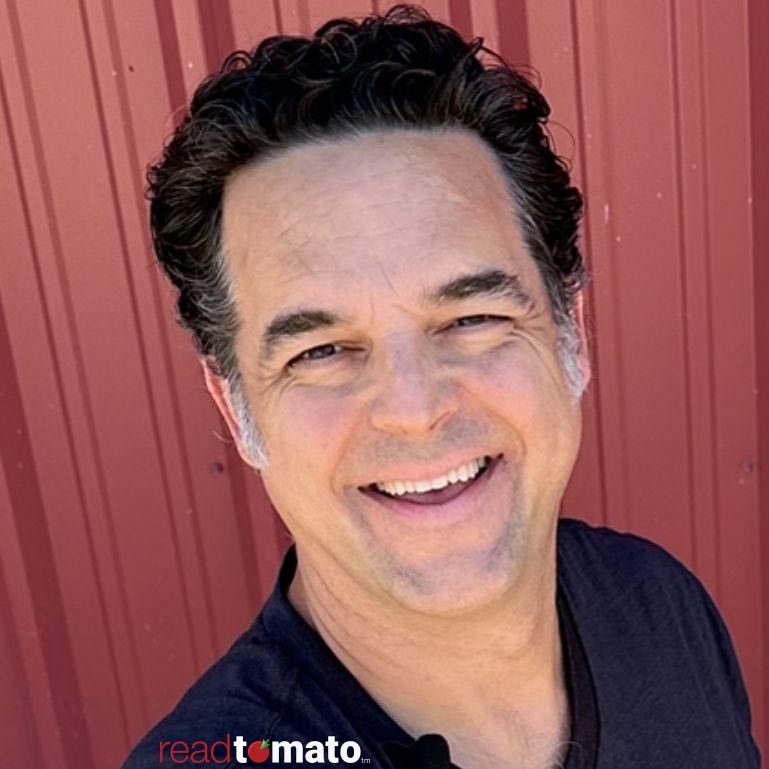
Founder
Jim Cronin has been helping real estate agents around the globe grow their businesses since 2001. In 2006, he founded Real Estate Tomato, one of the first content-driven marketing platforms for real estate professionals. In 2022, he launched ReadTomato, expanding that mission to deliver story-driven, search-smart content that performs - whether it's on Google, in AI search results, or in front of the right audience at the right time. Jim’s specialty is making brands both irresistible and impossible to ignore.