Florida Amendment 3 Explained: What Every Homeowner, Renter, and Voter Needs to Know Before November 3
On November 3, Florida voters will decide whether to pass Amendment 3, a constitutional measure that would dramatically expand the homestead exemption on non-school property taxes. The stakes are significant: if it clears the required 60 percent threshold, the exemption jumps from roughly $51,000 today to $150,000 in 2027 and then to $250,000 in 2028. School taxes remain completely untouched.
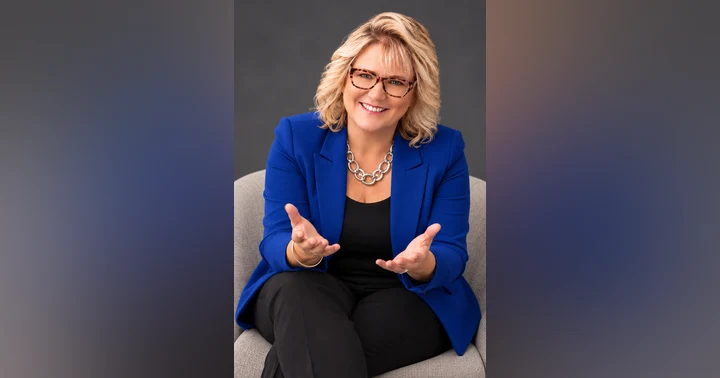
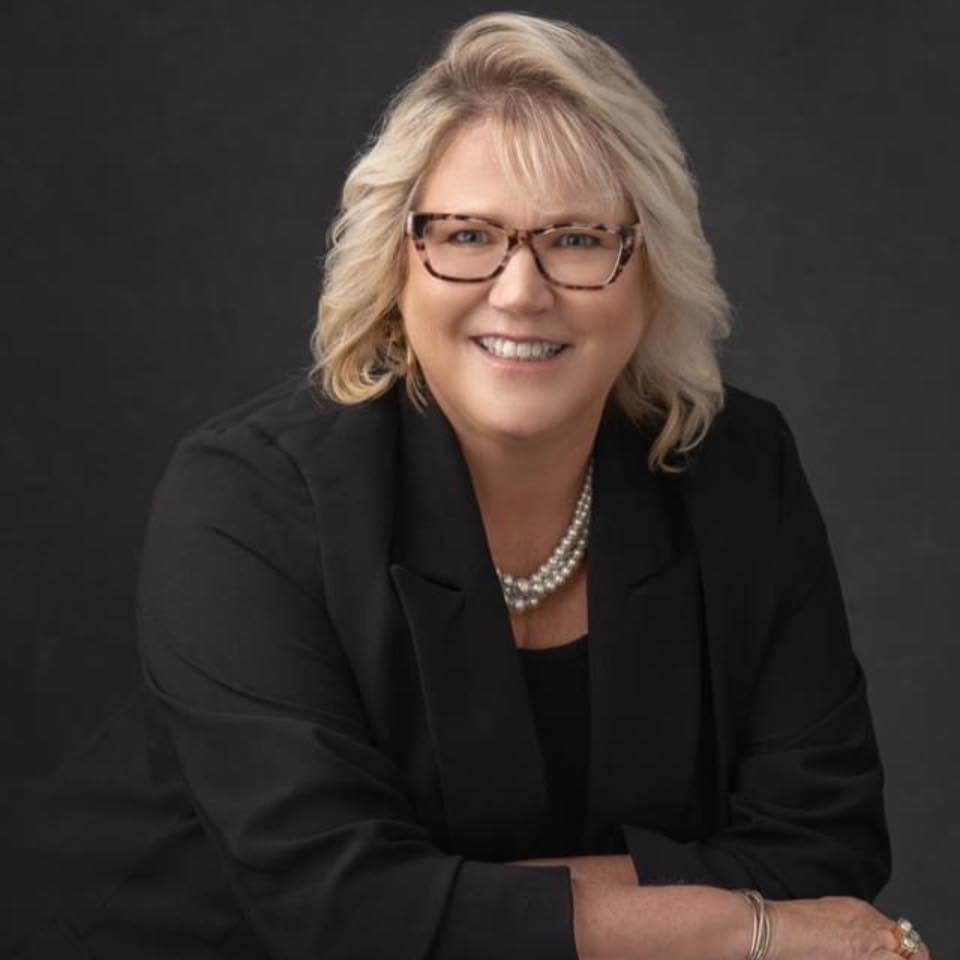
To break down what the amendment actually does, who it helps, and what critics are saying, the Real Estate Excellence Podcast turned to Cyndee Haydon, a broker associate with Future Home Realty and the current treasurer of Florida Realtors who serves on the organization's executive committee. The Florida Realtors board voted on August 23 to formally support Amendment 3 and has committed millions of dollars to the campaign.
Cyndee sat down with host Tracy Hayes to address the hard questions voters are still asking, and her answers offer some of the clearest guidance available in the closing weeks before election day.
The One-Sentence Case for Amendment 3
When asked to distill the amendment into a single sentence, Cyndee did not hesitate.
"It gives you tax relief, and it's the only thing you have control over that I know of. So it's not only a one-time savings, but it's ongoing."
That framing matters because property taxes often get lumped together with insurance rates and interest rates as costs that feel completely out of homeowners' hands. Cyndee pointed out that insurance reform has already produced results; Florida recorded its lowest rate increase in the country last year and is now seeing a slight decrease. Interest rates are set nationally. Property taxes, by contrast, are shaped directly by what voters decide at the ballot box.
The savings are real and measurable. Depending on a home's assessed value, the first year of the expanded exemption could mean roughly $700 in annual savings for many homeowners, with that figure climbing past $1,400 in year two as the exemption reaches the $250,000 level. Spread across twelve months, that translates to more than $100 per month in reduced housing costs.
How the Exemption Actually Works
Amendment 3 does not replace the existing Save Our Homes structure or eliminate portability. Cyndee was emphatic on this point because confusion around the mechanics is widespread.
"Amendment Three does nothing to what we do today. Your Save Our Homes cap is the same, your portability is the same, and it just adds to the current $51,000 exemption."
For homeowners who are already homesteaded, no action is required. The benefit applies automatically, just as the periodic cost-of-living adjustments to the current exemption have always worked. Property appraisers send annual notices confirming homestead status, and if nothing has changed, the updated exemption flows through without any paperwork from the homeowner.
The exemption grows with inflation over time through a CPI adjustment, meaning the relief does not erode in purchasing power the way a fixed-dollar exemption would.
The December 31 Deadline and Who Qualifies
One of the most important and least understood details of Amendment 3 is the qualifying date. Tracy Hayes raised the question of whether buyers need to close on a home before December 31, 2026, to benefit. Cyndee clarified that ownership is not the threshold.
"Everybody that lives here full time in Florida, they're going to have the same benefit. When a year from now, maybe it's two years, they buy a house, they'll automatically, if it's two years from now, when you're doing the mortgages, you know that tax is going to be $250,000 less part of the bill."
Florida renters who are full-time state residents as of December 31, 2026, lock in their eligibility for the full expanded exemption the moment they purchase a primary home. Someone who moves to Florida after that date begins with the standard exemption and reaches the full benefit after five years of permanent residency.
Cyndee noted that property appraisers will issue official guidance on what documentation confirms permanent residency status once the amendment passes. Driver's license, voter registration, and utility records have historically served as standard indicators, but formal guidance is forthcoming. She encouraged people planning to transition from part-time to full-time Florida residency to make sure all their documentation aligns before December 31.
What the Amendment Does Not Do
Misinformation is circulating in mailers, social media posts, and advertising. Cyndee walked through a rapid-fire true-or-false session that cuts through the noise.
Does it cut school taxes?
"Absolutely false. School taxes are not touched by Amendment 3," Cyndee said flatly.
Does it eliminate property taxes entirely?
"False. It does shield more of our home's value from those county and city taxes, but property taxes do not go away entirely."
Does it apply to second homes?
The larger $150,000 to $250,000 exemption applies only to a primary residence. However, non-homesteaded properties, including second homes and rental properties, do benefit from a separate provision that reduces the assessment cap from 10 percent to 5 percent annually, making costs more predictable for investors and landlords.
Does it force cuts to police and firefighters?
"False. There is nothing in the amendment that requires that. It actually directs in writing, when you read the amendment, that local property tax dollars must go to public safety first," Cyndee explained.
Does it need only a simple majority to pass?
"False. We need 60 percent, so every vote counts."
The Context Behind the Numbers
Cyndee grounded the amendment in a broader fiscal reality that many Floridians do not fully appreciate. Local government property tax revenues have nearly doubled over the past decade while families have absorbed 25 percent cost-of-living increases and significant wage stagnation. The gap between what residents are paying and what governments are collecting has grown dramatically, driven in large part by rising home values and the tax windfall that comes with every new sale and reassessment.
"We did have an increase to people moving to Florida, about 16 percent. We did have the cost of living inflation up about 25 percent. That doesn't account for the 100 percent increase that they've gotten."
She also pointed to a new state law that takes effect in 2027 requiring all local and county governments to produce line-item budgets identifying where they could cut 10 percent. The law does not mandate cuts, but it introduces a level of transparency that has been absent from a system where property tax revenues flow directly into government accounts without requiring itemized justification.
History Says the Sky Does Not Fall
The opposition's loudest argument is that expanding the exemption will devastate local services. Cyndee pointed to 2008 as the clearest rebuttal available.
"In 2008 when nobody asked permission, but we had a market crash that dropped about 40 percent or more in values. Nobody asked permission. It was the same year that the voters also increased the property tax exemption from 25 to 50,000, and we heard at that time many of the same concerns. And guess what? The police still showed up. The fire still showed up. The hospital still ran. We figured it out."
She did not dismiss the concerns of local governments. She acknowledged that some communities will face harder budget conversations than others, noting that Walton County has seen a 176 percent increase in property tax collections over the past decade while other counties have grown more modestly. But the variation in local circumstances does not change the case for statewide relief, especially when the Florida Taxation and Budget Reform Commission is already scheduled to conduct a comprehensive review of the state's entire tax structure in 2027.
For voters weighing this decision, Cyndee offered one clarifying question to cut through all the noise: "Would more room in your budget help your family? Because that's really what it's about for millions of Floridians. It's really that simple."
Early voting is already underway. For more information, Florida Realtors' campaign site is available at voteyeson3.com, including an interactive map showing how much each county's property tax collections have grown over the past decade. Voters can compare that growth to their own household income over the same period and draw their own conclusions.
Featuring Cyndee Haydon · Florida Association of Realtors · Real Estate Excellence × ReadTomato

Host of Real Estate Excellence | Mortgage Loan Officer NMLS #23368
Tracy Hayes is the host of Real Estate Excellence, a podcast dedicated to bringing you real conversations with top-performing real estate professionals across Florida and beyond.
A mortgage loan officer with nearly two decades of industry experience (NMLS #23368), Tracy brings a unique perspective to every interview — combining deep lending expertise with a genuine passion for the people and stories that shape the real estate industry.
Based in Northeast Florida, Tracy has spent years building relationships with the agents, brokers, team leaders, lenders, and coaches who are setting the standard in today's market. Real Estate Excellence is his platform for sharing their unfiltered insights with agents and real estate professionals who want to grow, lead, and succeed.
The Tax Shift Myth and 5 Other Amendment 3 Objections That Don't Hold Up to Scrutiny