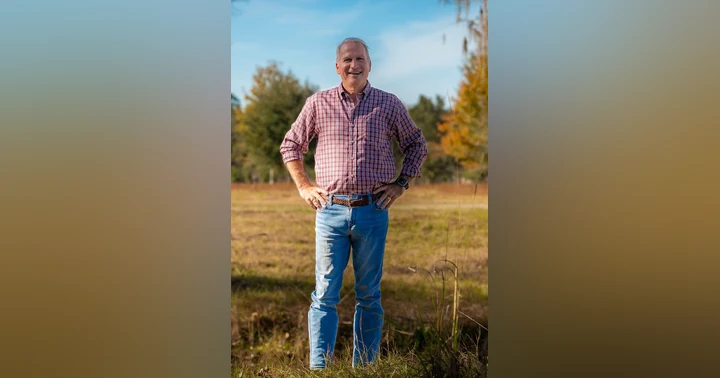
From Enron to Amelia Island: How John Hillman Built a Real Estate Philosophy Around Asking Better Questions

Most real estate careers begin with a license and a dream. John Hillman's began with a bankruptcy announcement on a Las Vegas marquee.
John Hillman, an agent with Cabana Lane in Fernandina Beach, Florida, spent nearly a decade in startup software sales before landing at Enron during its meteoric rise and catastrophic collapse. He found out the company had filed for bankruptcy while vacationing in Las Vegas with his father-in-law. "That's how I found out," he said, with the kind of calm that only comes from having processed a story many times over.
What happened next reshaped everything. A connection through a fraternity brother opened a door to luxury real estate development, and John walked through it without looking back. More than two decades later, he brings that unlikely background to every client conversation, every land walk, and every community he helps bring to life.
The Art of Asking the Right Questions
Ask John what separates great real estate professionals from average ones, and he does not talk about market data or negotiating tactics first. He talks about Barbara Walters.
"The best question asker ever is Barbara Walters. She was always amazing at getting details out of presidents and other people in this kind of unassuming way."
In John's practice, the budget conversation is not a blunt instrument. Instead of asking a client what their budget is, he approaches it from a different angle: where are you comfortable with an investment of this level, why, and how did you come to that number? The follow-up matters as much as the question itself.
"If you don't have those questions answered, you really don't have Jack," he said. Time frame, budget, and motivation are the three non-negotiables. Without them, a real estate professional is essentially navigating in the dark.
He finds it telling that so many agents are still uncomfortable asking about money. In a market like Amelia Island, where buyers are typically making secondary or retirement purchases rather than primary moves, understanding the emotional and financial architecture of a decision is everything.
Macro to Micro: Selling the Island Before the House
John describes himself as a "macro to micro" person, a philosophy that shapes every buyer interaction he has. Before he ever talks square footage or finishes, he makes sure a buyer is in love with Amelia Island and Fernandina Beach.
"I want to make sure you fall in love with Amelia and Fernandina first, and then I represent a community called Crane Island."
This sequencing is deliberate. Lifestyle drives value, not the other way around. He is direct about it: you can have the best design in the worst neighborhood, and it throws everything off. The granite countertops and the master bathroom come last in the story, not first.
For buyers considering the Amelia Island area, John describes the island in three rough segments. The south end around Omni Plantation skews toward golf resort and second-home buyers. The middle section is where the community actually lives and works. The north end includes historic areas, Old Town, and the walkable blocks of downtown Fernandina with its concentration of restaurants and local character.
Matching a buyer to the right segment requires understanding how they picture their daily life, not just their price ceiling.
Five Nos Before Walking Away
One of the more memorable pieces of wisdom John shares with agents is what he calls the five-no rule. He does not walk away from a potential client after one no, or two, or even four.
"It takes five nos for me to go away. Even when they told me, 'John, I'm absolutely never going to buy.' And then you know, it becomes kind of a joke. 'Hey, I'm on my fourth. It's going to take me five.'"
The philosophy behind it is rooted in the reality of how major life decisions actually unfold. People change. Retirements arrive. A door closes somewhere, and suddenly the timing that seemed wrong for years becomes exactly right. A gentle, persistent presence, what John calls "beating somebody to death with a feather," keeps a professional in the conversation long enough to be there when the moment shifts.
He connects this to the idea of not just seeking ready, willing, and able buyers, but being willing to participate in the discovery process that gets someone there. Building trust during that slower journey often produces the most loyal clients.
The Commission Earned on a Good Decision
One of the clearest signals of how John approaches his work comes from his willingness to walk away from a commission he does not feel good about.
"I don't want to earn a commission on what I think is a bad decision. I want to earn a commission on a really good decision, and people have appreciated that over the years."
For agents who worry that being honest with a client about a questionable purchase means losing a deal, John offers a different frame. Trust is the real inventory. Once a client understands that their agent will tell them the hard truth, the relationship changes. They stop second-guessing. They move faster when the right opportunity appears. The willingness to say no to the wrong property is what makes the yes on the right one feel meaningful.
What a Tech Background and an MBA Actually Buy You in Real Estate
John's path through startup software sales and an MBA earned while working at Enron gave him a foundation that most real estate professionals simply do not have. He understands professional sales as a discipline. He understands how to talk about things that do not exist yet, which is exactly what development-stage real estate requires. And he understands, from painful personal experience, that bad things happen and new doors open.
He carries that perspective into client conversations, adjusting how he presents himself based on what a client needs from him at their life stage.
"When I was younger, I tried to be like that impressive son they would want. Now that I've got lots of gray hair, trust me for hopefully some wisdom that I've seen to keep you out of ditches."
The gray hair is not an apology. It is a credential.
The Conductor Metaphor
When John describes his role in a complex transaction, he uses the word conductor. A great real estate professional does not just sell property; they orchestrate a team. Builders, architects, interior designers, lenders, closing attorneys, all of them need to be playing in the same key at the same time.
This is the foundation of what Cabana Lane was built to do. John and his wife designed the firm specifically so that a client with a raw piece of land could come to one place and get help figuring out what to put on it, how to design it, and how to build it. No wandering between disconnected professionals. No one passing the baton and hoping the next person catches it.
"I have one client that says, 'John, you're one throat to choke,'" he shared, laughing. "He's from Minnesota. That's his honest, midwestern way of saying it. And I'm okay with that."
The Takeaway
What John Hillman's career makes plain is that real estate excellence is not a set of closing techniques. It is a commitment to genuine curiosity about other people's lives. The agent who asks better questions, listens more carefully, tells harder truths, and stays present through the long arc of a client's decision-making process will always find themselves on the right side of that relationship.
The question worth sitting with: in your last ten client conversations, were you asking about the house, or were you asking about the life they want to live inside it?
Featuring John Hillman · Cabana Lane · Real Estate Excellence × ReadTomato

Host of Real Estate Excellence | Mortgage Loan Officer NMLS #23368
Tracy Hayes is the host of Real Estate Excellence, a podcast dedicated to bringing you real conversations with top-performing real estate professionals across Florida and beyond.
A mortgage loan officer with nearly two decades of industry experience (NMLS #23368), Tracy brings a unique perspective to every interview — combining deep lending expertise with a genuine passion for the people and stories that shape the real estate industry.
Based in Northeast Florida, Tracy has spent years building relationships with the agents, brokers, team leaders, lenders, and coaches who are setting the standard in today's market. Real Estate Excellence is his platform for sharing their unfiltered insights with agents and real estate professionals who want to grow, lead, and succeed.
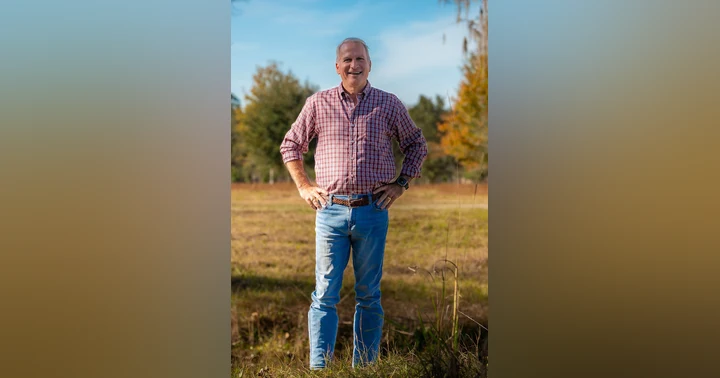
Crane Island, Quiet Luxury, and the Developer's Eye: What John Hillman Sees in a Property That Most Agents Miss